Beauty Tools Manufacturer: How to Evaluate Quality, Durability and Sustainability
For beauty brands, wholesalers and personal care retailers, choosing a beauty tools manufacturer is not only a sourcing decision. It affects product returns, customer reviews, repeat purchases and how confidently your team can present a product line. A tool that looks appealing in a catalog still has to feel balanced in the hand, perform consistently and withstand repeated use. When the product is something as precise as an eyelash curler, the difference between average manufacturing and careful engineering becomes easy to see.
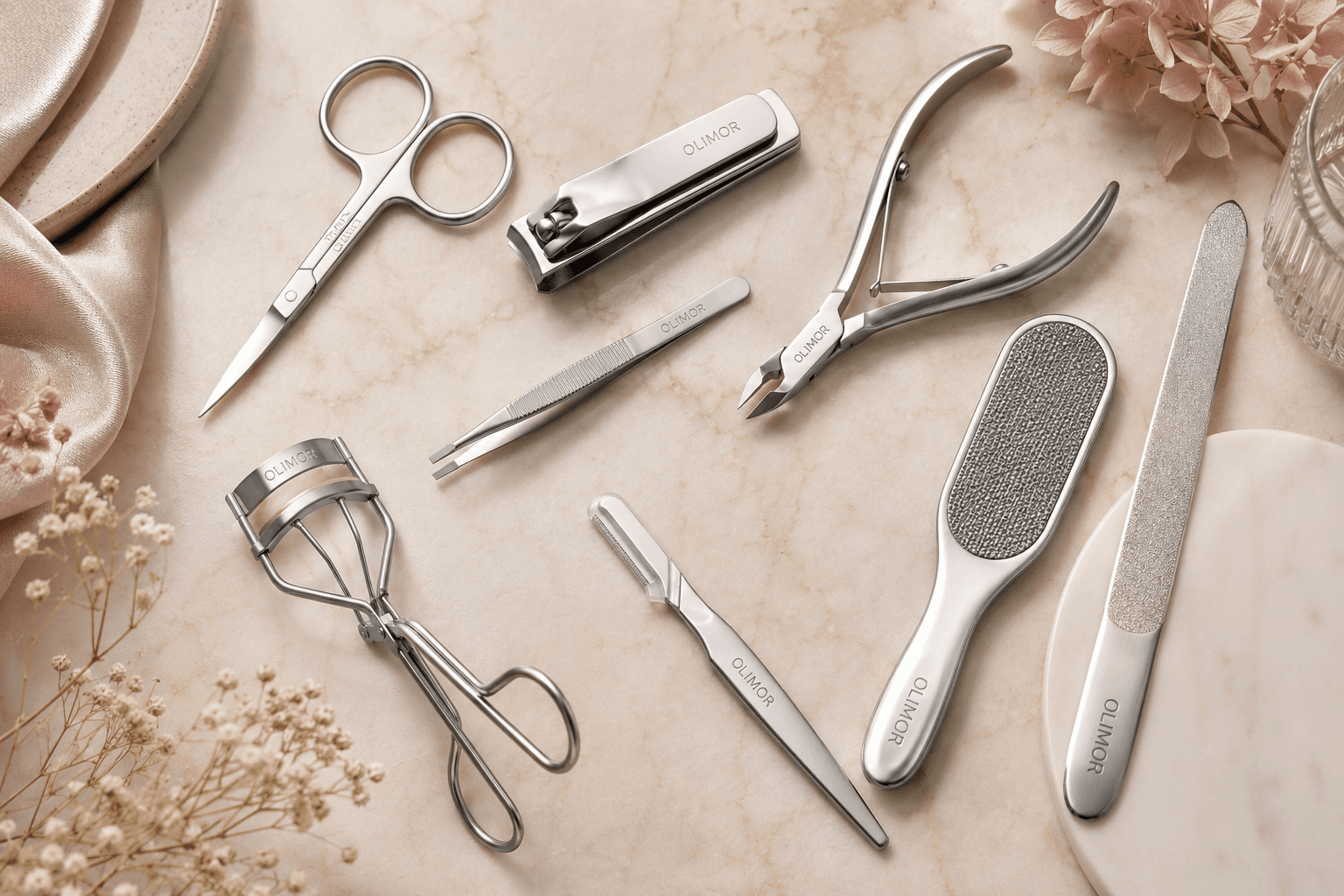
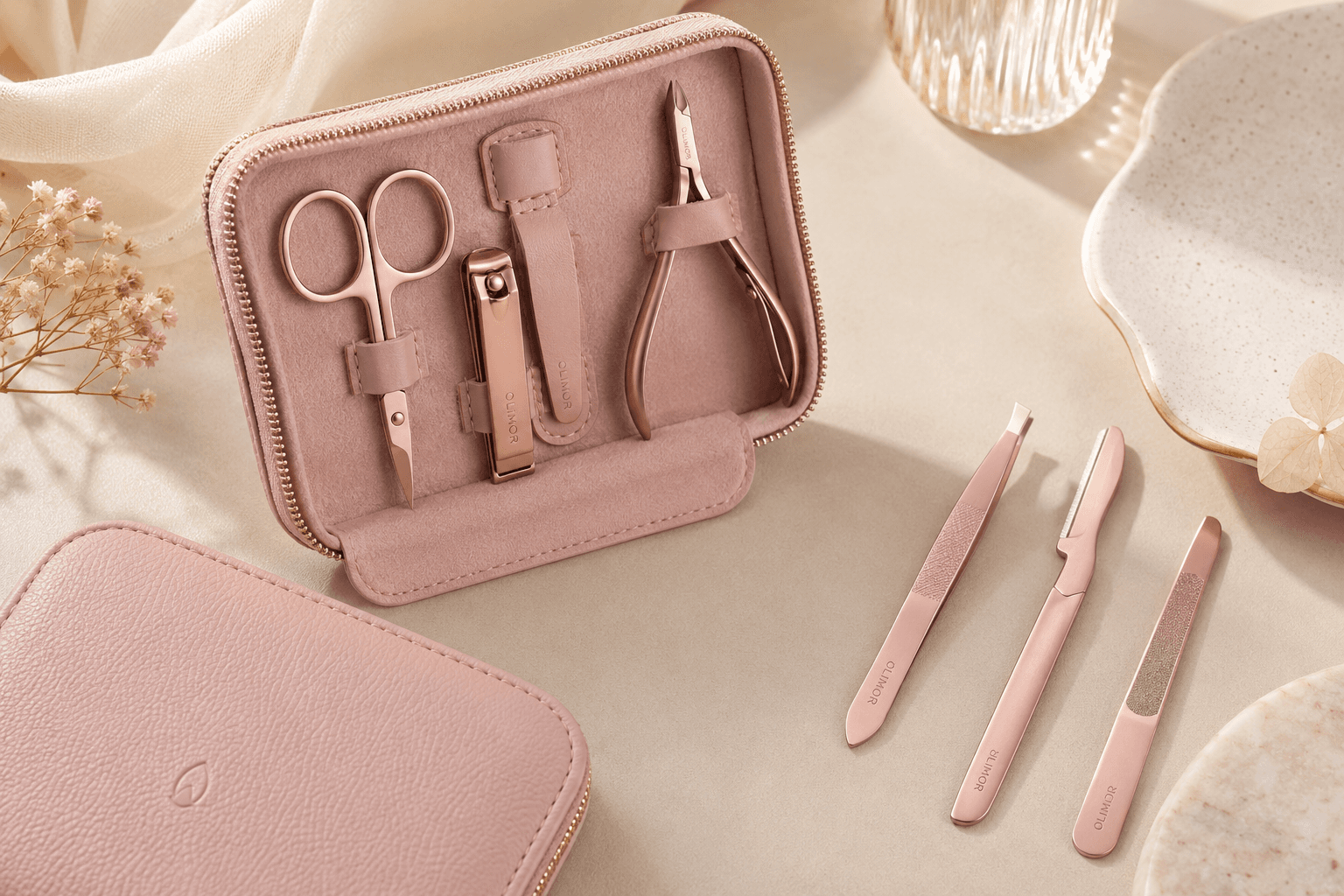
Olimor Beauty focuses on beauty tools that combine practical design, durable construction and quality control. For buyers comparing grooming tools wholesale, the goal should be to look beyond surface finish and examine how the tool is made, how it performs in daily use and whether its design supports longer product life. Longevity is an important part of sustainability: a well-made tool that stays useful helps reduce unnecessary replacement and waste.
If you are reviewing new product options, you can explore Olimor’s beauty tool products or compare broader product collections to understand how different tool categories may fit your assortment.
What Defines a Reliable Beauty Tools Manufacturer?
A reliable manufacturer is measured by consistency. In beauty tools, consistency means that each unit should look, feel and function as intended, not only the sample approved before an order. Buyers should pay close attention to the details that affect real user experience: the smoothness of metal edges, the stability of hinges or moving parts, the comfort of the grip and the way protective pads or contact surfaces interact with skin, hair or lashes.
For professional buyers, quality also includes communication and repeatability. A beauty tools manufacturer should be able to support clear product requirements, packaging expectations and internal checks before shipment. When these details are handled carefully, a retailer or brand can launch products with fewer surprises and less need for after-sale problem solving.
Important quality signals include:
- Functional design: The tool should perform its intended task efficiently without requiring excessive pressure or awkward hand movement.
- Durable materials: Materials should support repeated use and cleaning. The original product information highlights high-quality stainless steel as part of Olimor Beauty’s commitment to long-lasting tools.
- Comfort in use: Ergonomic shaping helps reduce hand fatigue, especially for tools used frequently or by beauty professionals.
- Consistent finish: A smooth finish improves the feel of the tool and supports a more polished retail presentation.
- Internal quality control: Checks before final packaging help protect buyers from uneven batches and avoidable defects.
Lash Curler Engineering: Small Details That Affect Results
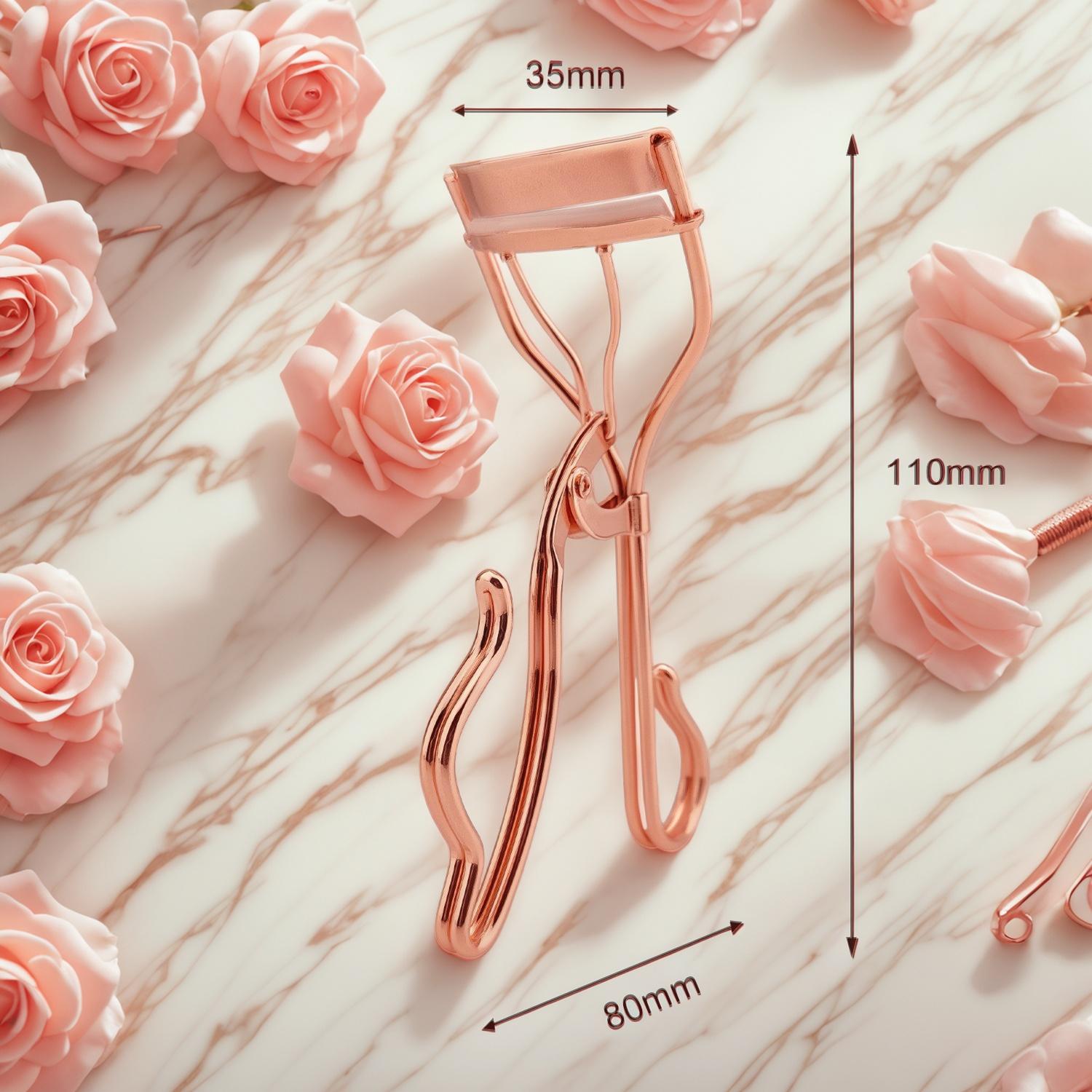
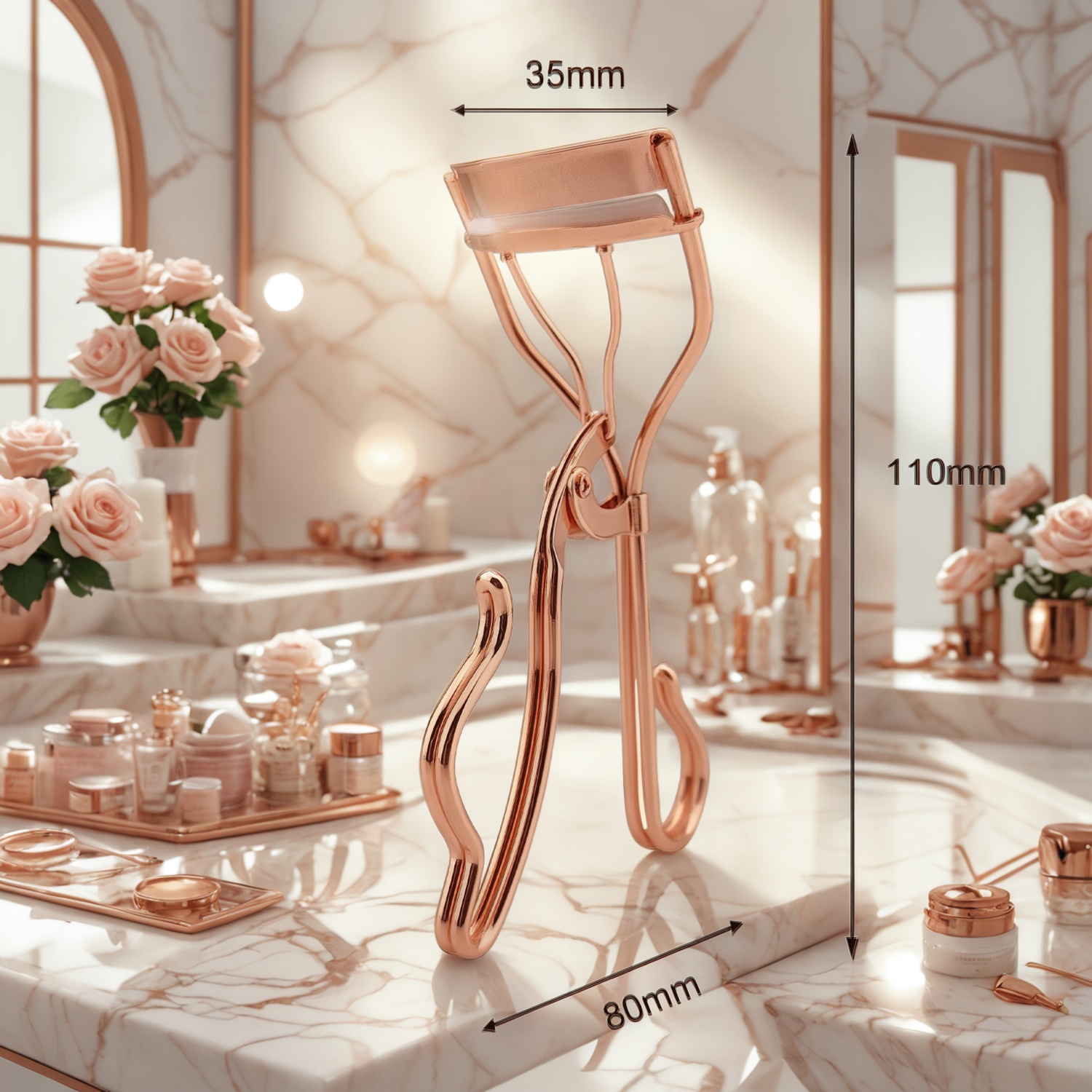
The AllurePro Rose Gold Lash Curler is a useful example of why engineering matters in a beauty tool. An eyelash curler may appear simple, but its performance depends on alignment, pressure control, grip shape and pad softness. If the frame does not meet the lashes evenly, the result can be uneven curling. If the pad is too hard, the tool may feel uncomfortable. If the body is difficult to hold, users may apply pressure at the wrong angle.
The AllurePro Rose Gold Lash Curler features an ergonomic body designed to minimize hand fatigue and a soft silicon pad intended to curl lashes gently and effectively without damaging them. These details matter for both home users and professionals because lash tools are used close to the eye area, where comfort and control are essential.
When evaluating a lash curler or similar grooming tool, buyers should consider the full use cycle. Does the user understand where to place the tool? Does the handle allow controlled pressure? Does the pad return to shape after use? Does the curler feel stable when opened and closed repeatedly? A good manufacturer pays attention to these questions before the product reaches the shelf.
Quality Control Questions for Wholesale Buyers
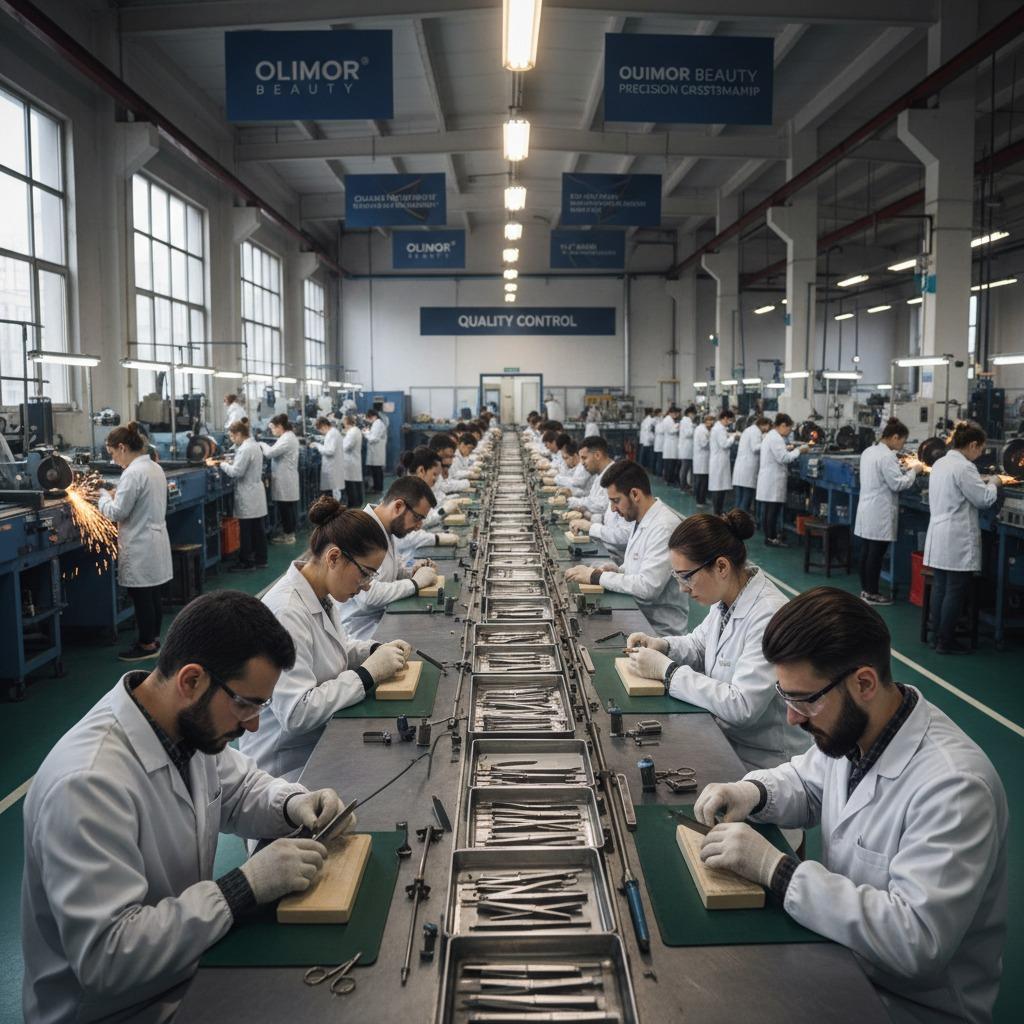
Quality control should not be treated as a final inspection only. It should be built into the manufacturing process, beginning with material selection and continuing through assembly, finishing and packaging. Olimor Beauty’s original product information emphasizes strict internal quality controls from raw materials to final packaging. For wholesale buyers, that approach is important because beauty tools often have functional parts that must stay aligned and comfortable over time.
The following checklist can help buyers review a beauty tools manufacturer without relying only on product photos:
| Evaluation Area | What to Review | Why It Matters |
|---|---|---|
| Material choice | Confirm whether the tool uses durable materials suitable for repeated handling and cleaning. | Stronger materials can support longer product life and better perceived value. |
| Ergonomics | Check grip shape, hand position and ease of control. | Comfort affects customer satisfaction, especially for tools used often. |
| Moving parts | Open, close or adjust the tool repeatedly to feel resistance and alignment. | Stable movement reduces frustration and improves functional reliability. |
| Contact surfaces | Inspect pads, edges or tips that touch lashes, skin or hair. | These areas influence comfort, precision and safety perception. |
| Finish and presentation | Look for burrs, rough edges, uneven color or inconsistent polishing. | Visual and tactile quality affect brand trust at first use. |
| Packaging fit | Check whether packaging protects the product and supports retail display. | Good packaging helps reduce transit damage and improves shelf appeal. |
Sustainability Through Longer Product Life
In beauty tools, sustainability should be discussed in practical terms. A reusable tool that breaks quickly, feels uncomfortable or loses performance too soon can contribute to unnecessary replacement. A more sustainable beauty tools supplier focuses on products that remain useful, because durability is one of the clearest ways to reduce waste in this category.
Olimor Beauty’s sustainability direction is connected to using quality materials, such as high-quality stainless steel, and enforcing internal quality controls. For buyers, this means sustainability is not only about a marketing claim. It should be visible in product design decisions: a firmer frame, a better grip, a replaceable or long-wearing contact pad where applicable, and finishing that resists premature wear during normal use.
Brands can also support sustainability by selecting assortments carefully. Instead of adding many low-performing items, buyers can focus on tools that solve specific grooming needs well. For example, a reliable lash curler, tweezer, grooming scissor or facial tool can become a repeat-purchase driver when customers trust the quality. A smaller, better-planned range may create stronger long-term value than a wide assortment of items that do not perform consistently.
How to Match Beauty Tools to Your Customer Segment
Not every customer needs the same beauty tool assortment. A professional-focused buyer may prioritize precision, hand comfort and frequent-use durability. A retailer serving everyday home users may prioritize ease of use, clear packaging and tools that feel safe for beginners. A gifting or lifestyle channel may care more about finish, color and display presentation, while still needing reliable function.
Before selecting products, define the user and the selling environment. This helps avoid overbuying items that do not fit your market. Useful selection questions include:
- Who will use the tool? Consider whether the target user is a beginner, daily beauty user, salon professional or gift buyer.
- How often will it be used? Frequent-use tools need stronger emphasis on grip comfort, material durability and stable function.
- What result does the user expect? A lash curler, for example, must create a visible curl while still feeling gentle.
- How will it be displayed? Retail packaging should protect the tool and communicate its purpose quickly.
- What after-sale issues are most likely? Think about pads, moving parts, finish wear and comfort complaints before final selection.
For buyers building a new line or improving an existing one, Olimor Beauty can help review suitable product directions. You may send an inquiry with your sourcing needs or contact Olimor to discuss beauty tool options for your market.
Maintenance Guidance That Adds Value for End Users
Even well-made beauty tools perform better when users care for them correctly. Brands and retailers can reduce complaints by including simple maintenance guidance in product pages, packaging inserts or customer support materials. This is especially important for tools that touch the eye area, skin or hair.
Basic maintenance recommendations can include wiping tools after use, keeping them dry before storage, avoiding excessive force and replacing worn pads when the product design allows it. For lash curlers, users should avoid clamping too aggressively and should check that the pad surface remains smooth. These small instructions help customers get better results and extend the useful life of the tool.
Clear care information also supports premium positioning. When a customer understands how to use and maintain a beauty tool, the product feels more considered and trustworthy. For wholesale buyers, this can improve satisfaction without changing the product itself.
Building a Better Beauty Tool Line with Olimor Beauty
A strong beauty tool line depends on more than attractive appearance. Buyers should look for balanced design, durable material choices, reliable quality checks and thoughtful usability. The AllurePro Rose Gold Lash Curler illustrates how features such as an ergonomic body and soft silicon pad can support better comfort and performance. Across beauty tool categories, the same principle applies: the best products are those designed around real use, not just visual appeal.
When evaluating a beauty tools manufacturer, focus on the details that customers will notice after purchase: how the tool feels in the hand, whether it performs consistently, how well it holds up and whether it supports a more responsible approach through longer life. Olimor Beauty’s commitment to precision, durability and internal quality control makes it a practical partner for buyers who want dependable grooming tools wholesale and a stronger product experience for end users.
Tag: