Beauty Tools Manufacturer Guide: Quality, Design and Wholesale Selection
For beauty retailers, salons, distributors and private-label buyers, choosing a beauty tools manufacturer is not only about finding a visually attractive product. The right supplier must understand comfort, repeatable performance, material durability, finish consistency and packaging presentation. A tool may look simple, but customers notice small details immediately: an eyelash curler that pinches, tweezers that lose alignment, scissors that feel unstable, or a cosmetic accessory with rough finishing can damage trust in a retail line.
Olimor Beauty focuses on practical beauty tools that combine usability with careful presentation. The goal is to help buyers source items that feel reliable in daily use and are suitable for professional or retail environments. Whether you are building a grooming tools wholesale range, selecting accessories for a salon counter, or comparing options for a beauty brand, the following criteria can help you evaluate quality with more confidence.
What Buyers Should Expect from a Beauty Tools Manufacturer
A dependable manufacturer should be able to translate product requirements into tools that are comfortable, consistent and fit for the intended sales channel. Beauty accessories are often handled closely by end users, so small imperfections are easier to notice than on many other consumer goods. Smooth edges, stable hinges, balanced weight and clean plating can influence whether a tool feels premium or disposable.
For wholesale buyers, consistency is just as important as a single attractive sample. A sample eyelash curler may feel excellent, but the order must maintain the same grip, cushion fit, surface finish and closing tension across units. That is why product inspection, raw material review, in-process checking and final packaging checks should be part of the sourcing conversation.
When reviewing beauty tool products, buyers should look beyond photography and confirm how the item performs in real handling conditions. A product intended for retail shelves needs clean visual appeal. A tool intended for salon professionals needs repeatable daily performance. A product intended for gift sets must also coordinate well with packaging and other accessories.
Case Example: Rose Gold Eyelash Curler Design Details
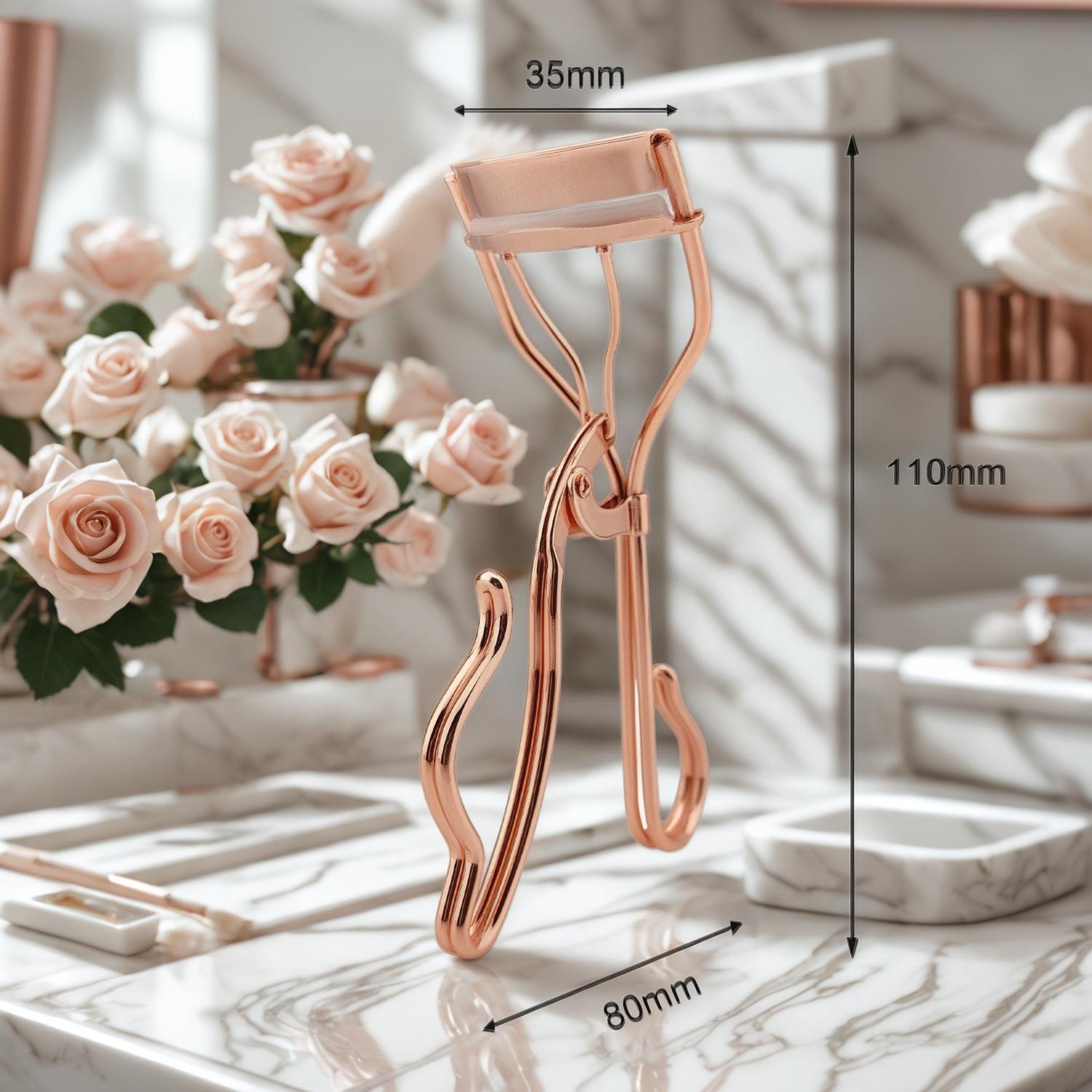
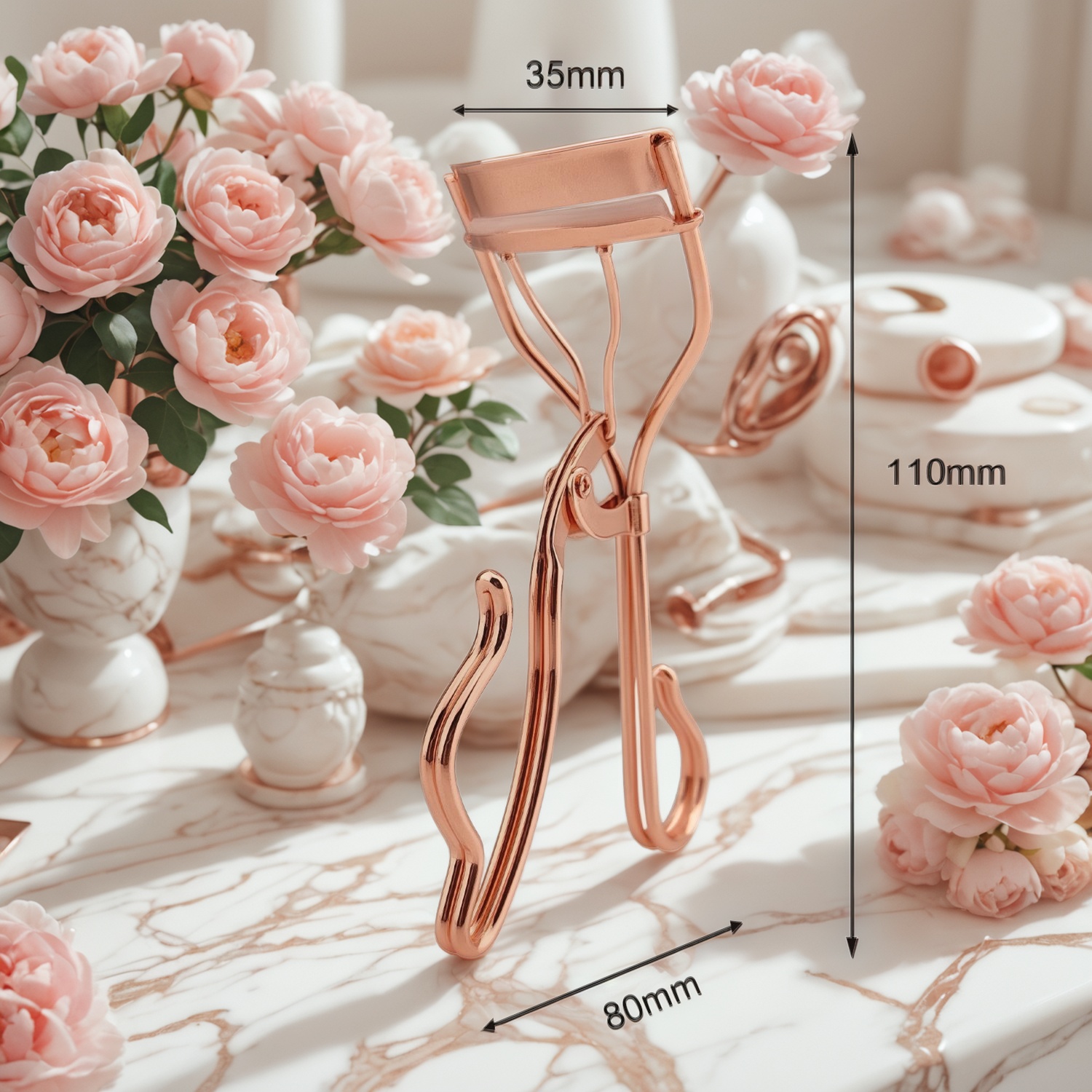
The supplied article highlights a Rose Gold Eyelash Curler made from polished rose gold stainless steel, with an ergonomic design intended to provide a secure and comfortable grip. This type of product is a useful example because eyelash curlers demand both cosmetic appeal and functional precision. They must look refined, but they also need to align properly with different eye shapes and apply controlled pressure without discomfort.
For a rose gold finish, buyers should evaluate color consistency across the frame, handle and visible surfaces. The surface should be smooth, without obvious scratches, dull patches or rough edges around the finger loops. Since eyelash curlers are often sold as beauty accessories and may be displayed in close-up photography, finishing quality directly affects perceived value.
Functionally, a curler should open and close smoothly. The cushion should sit securely in the groove and return to shape after pressure. The frame should feel stable, not loose or uneven. A comfortable grip matters because users need control near the eye area. If the handle angle or finger loops feel awkward, customers may avoid regular use even if the product looks attractive.
Key Selection Criteria for Grooming Tools Wholesale
Wholesale sourcing requires a structured evaluation process. The following checklist can help buyers compare samples from a beauty tools manufacturer in a practical way:
- Material suitability: Confirm whether the material fits the tool’s use case, expected durability and target price position.
- Surface finish: Check for scratches, uneven color, plating marks, sharp edges, stains or rough seams.
- Ergonomics: Hold the tool as a customer would. Test grip comfort, hand fit, weight balance and control.
- Functional alignment: For curlers, tweezers, scissors or clippers, verify that moving parts meet evenly and operate smoothly.
- Packaging compatibility: Make sure the item fits securely in its tray, pouch, card or box without rubbing damage.
- Batch consistency: Compare several samples rather than relying on one unit. Look for repeatability in finish and performance.
- Retail presentation: Consider whether the product looks attractive in e-commerce images, shelf displays and unboxing.
- Maintenance needs: Choose tools that customers can clean and store easily, especially for reusable grooming accessories.
This checklist is especially important when buying for salons and retailers who cannot inspect every unit before sale. A strong product should feel intuitive to use and should not require complicated explanations to satisfy customers.
Quality Control from Materials to Final Packaging
Quality control should not begin only after production is complete. For beauty tools, the best results come from monitoring each stage. Raw material selection affects strength and finish. Forming and assembly affect alignment. Polishing and coating affect visual quality. Packaging affects the condition in which the product reaches the customer.
Olimor Beauty emphasizes internal quality control with inspections from raw materials to final packaging. For buyers, this approach matters because defects can occur at different points. A tool may be structurally sound but scratched during packing. A handle may be comfortable but assembled with inconsistent tension. A finish may look good in one area but show color variation under stronger light.
Practical inspection points for beauty tools include:
- Review visible surfaces under normal and bright lighting.
- Operate moving parts multiple times to confirm smooth motion.
- Check edges and contact points for burrs or sharpness.
- Confirm accessory parts, such as cushions or caps, fit securely.
- Test whether packaging prevents movement, abrasion and deformation during handling.
These steps help reduce the risk of avoidable complaints. They also support a more professional product launch because the final item arrives ready for photography, display and sale.
Durability, Sustainability and Long-Term Value
Sustainability in beauty tools is often connected to useful life. A long-lasting reusable tool can reduce unnecessary replacement and improve value for both retailers and end users. The original product information emphasizes durable materials and the role of long-lasting tools in reducing waste. For buyers, this is a practical way to think about sustainability without relying on vague claims.
A sustainable beauty tools supplier should help buyers consider whether a product is designed to last through normal use, whether its surface resists premature wear, and whether the packaging is appropriate rather than excessive. Durability also affects brand perception. If a tool remains smooth, aligned and attractive after repeated use, customers are more likely to trust the retailer or salon that supplied it.
Maintenance instructions can support product life as well. For grooming tools, users should generally keep items clean and dry, avoid unnecessary drops, store tools away from heavy pressure and replace soft contact parts when they become worn. Retailers may benefit from including simple care language on packaging or product pages, especially for tools used around the eye area or for personal grooming.
How to Compare Beauty Tool Suppliers Before Ordering
Before placing a wholesale or custom order, buyers should compare suppliers using both product samples and business fit. A manufacturer may have attractive designs but limited consistency. Another may produce reliable tools but offer packaging that does not match the buyer’s sales channel. The best sourcing decision balances function, finish, presentation and communication.
| Evaluation Area | What to Check | Why It Matters |
|---|---|---|
| Product handling | Grip, weight, movement and user comfort | Determines whether customers enjoy using the tool regularly |
| Finish quality | Color consistency, smooth polishing and clean edges | Influences retail value and customer trust |
| Functional consistency | Alignment, hinge feel and part stability across samples | Reduces complaints and returns |
| Packaging fit | Protection, presentation and secure placement | Supports e-commerce, salon and store display requirements |
| Product range | Related accessories and coordinated sourcing options | Helps build a more complete wholesale beauty tools line |
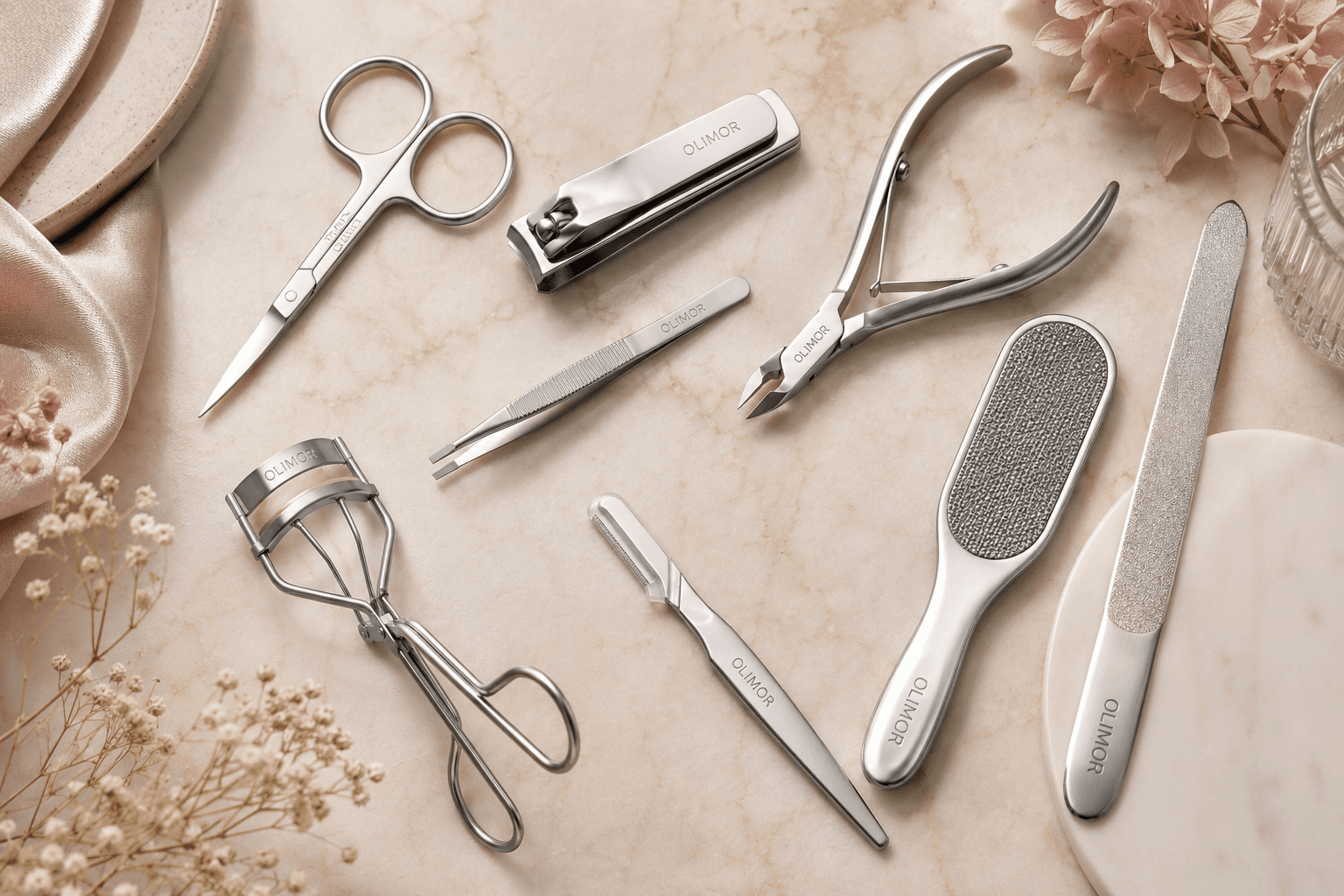
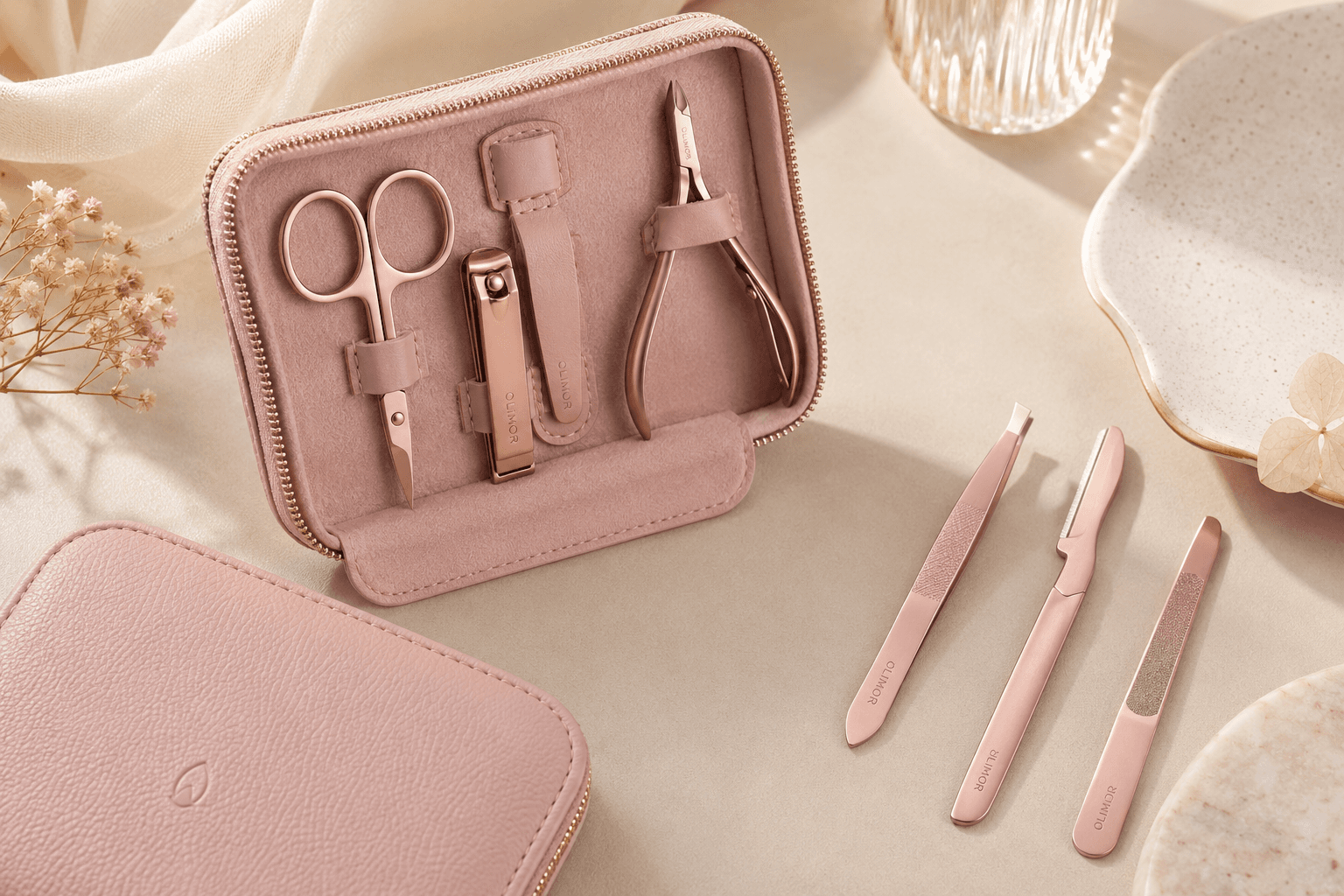
Buyers can also review product collections to understand how different tools may fit together in a retail assortment. For example, an eyelash curler may be paired with other grooming accessories when the finish, packaging style and target customer are aligned.
Building a Better Beauty Tools Assortment
A strong assortment is not simply a long list of accessories. It should reflect the customer’s real routine. For a salon, tools should be practical, easy to clean and comfortable for repeated handling. For a retailer, items should photograph well, feel good in-store and be simple for customers to understand. For a brand owner, product quality must support the promise made on packaging and online listings.
Start by identifying the main customer use cases: eye grooming, facial grooming, nail care, makeup application, travel accessories or giftable sets. Then evaluate whether each tool adds clear value. Avoid including weak items just to increase count. A smaller range of reliable, well-finished tools can perform better than a broad selection with inconsistent quality.
For buyers comparing options, Olimor Beauty can support discussions around beauty tool selection, product presentation and wholesale sourcing needs. To discuss a project, you can contact Olimor or send an inquiry with your target product type, market, packaging expectations and quantity planning. Clear requirements at the beginning make it easier to evaluate samples and develop an assortment that fits your sales channel.
Final Thoughts for Professional Beauty Tool Sourcing
Choosing a beauty tools manufacturer should be a careful process because these products sit close to the customer’s daily routine. A good tool feels safe, comfortable and dependable. A well-made eyelash curler, such as the rose gold stainless steel example described above, shows how finish, ergonomics and precision all contribute to customer satisfaction.
For wholesale buyers, the strongest decisions come from testing real samples, comparing consistency, reviewing packaging protection and thinking about long-term use. Durable materials, thoughtful design and disciplined quality control can help create beauty tools that customers keep using rather than quickly replacing. By focusing on practical performance as much as appearance, retailers and salons can build product ranges that are attractive, reliable and better suited to repeat business.
Tag: