Beauty Tools Manufacturer: How to Choose Premium Grooming Solutions for Reliable Programs
For beauty retailers, distributors, salons and personal care brands, grooming tools are not impulse accessories. They are practical products that must feel precise in the hand, perform consistently and withstand repeated use. Choosing the right beauty tools manufacturer is therefore a sourcing decision with direct impact on customer satisfaction, repeat orders and brand trust.
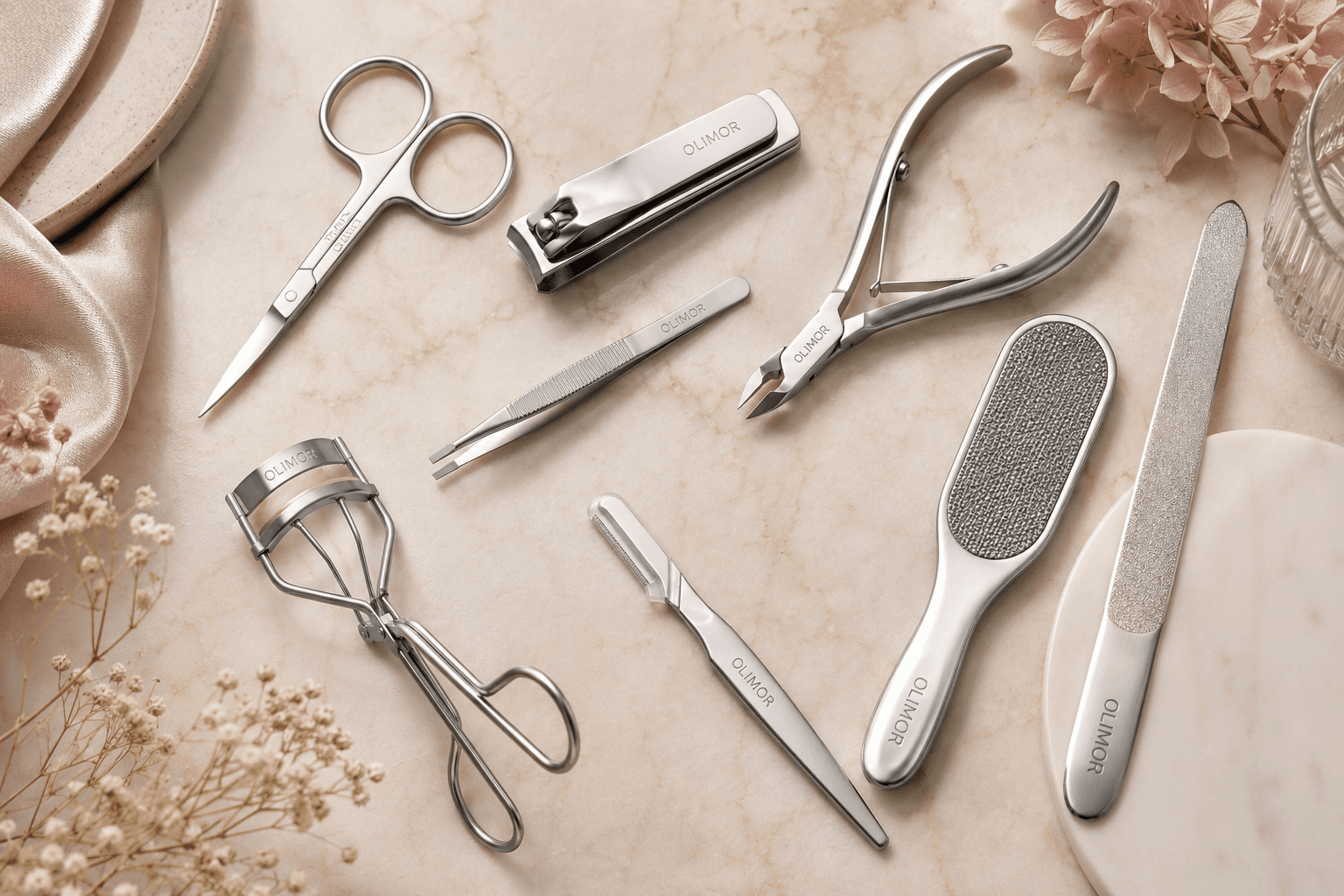
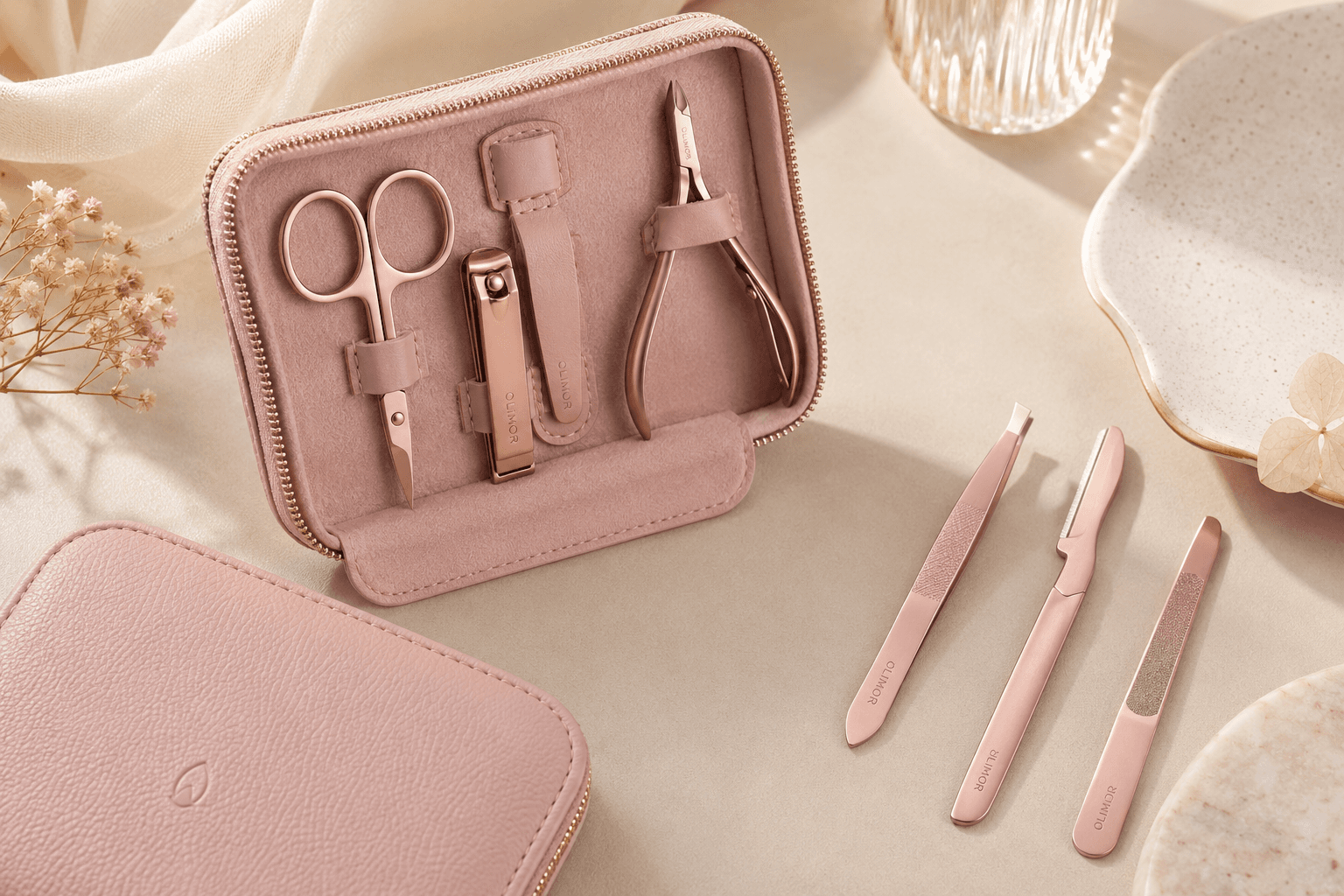
Olimor Beauty focuses on personal care and grooming tools designed for professional presentation and everyday usability. The company’s manufacturing approach emphasizes durable materials, ergonomic handling and inspection throughout production, from raw material sourcing to final packaging. For buyers comparing grooming tools wholesale options or looking for a personal care tools manufacturer in Asia, the most useful question is not simply whether a tool looks attractive. The better question is whether the tool is built, checked and packaged in a way that supports your market position.
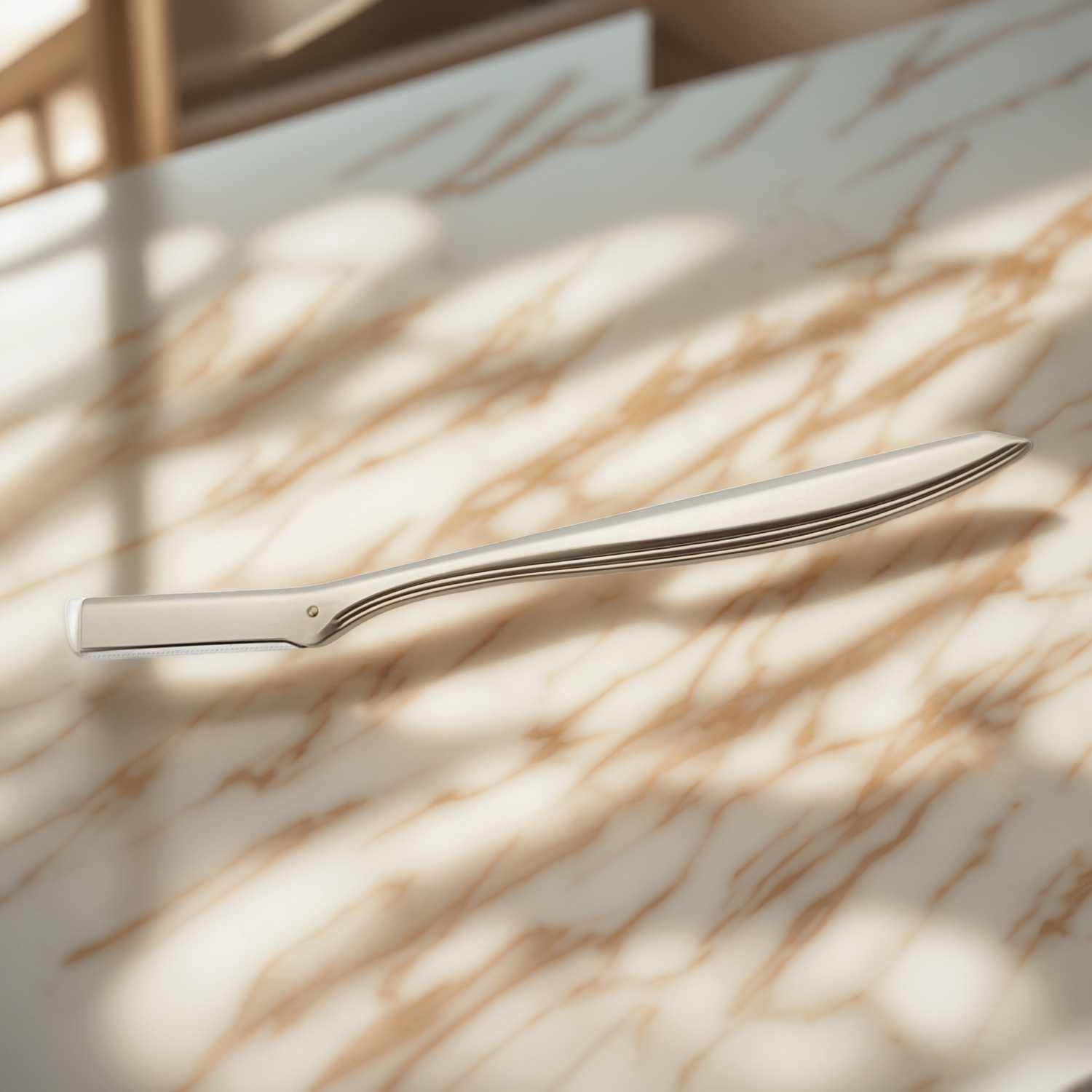
What Premium Grooming Tools Need to Deliver
A premium grooming tool should do more than complete a product lineup. It should help the user perform a small task accurately, safely and comfortably. Whether the product is used at home, in a salon retail environment or as part of a personal care kit, the user notices details quickly: edge alignment, balance, grip comfort, finish quality and how the product holds up after repeated handling.
For buyers, premium quality begins with a clear product brief. A grooming tool program may be designed for entry-level retail, salon resale, travel kits, gifting, men’s grooming, brow care, manicure support or general personal care. Each use case has a different standard for size, finish, packaging and perceived value. A manufacturer that understands these differences can help buyers avoid tools that appear similar in photos but perform differently in real use.
Olimor Beauty’s positioning as a beauty tools manufacturer is built around reliable grooming performance and practical manufacturing discipline. The supplied product facts highlight stainless steel construction, corrosion resistance, ergonomic design and internal quality assurance. These are not decorative claims; they are the basic pillars that decide whether a tool is suitable for repeat commercial sale.
Material and Finish Considerations for Stainless Steel Tools
The original product information notes the use of high-quality stainless steel for durability, corrosion resistance and a lasting pristine finish. For grooming tools, stainless steel is a common choice because it can support precision shaping while offering a clean appearance and good resistance to moisture exposure when used and maintained properly.
When evaluating stainless steel beauty tools, buyers should consider the entire surface and structure, not only the main material name. A well-made tool should feel smooth where the hand touches it, show consistent finishing and avoid rough transitions that can catch on packaging or feel uncomfortable during use. The finish also affects shelf appeal: polished, satin or textured appearances can communicate different price levels and brand styles.
Because detailed material grades and test results are not provided here, buyers should use a neutral evaluation checklist rather than relying on broad material descriptions alone. Useful review points include:
- Surface consistency: Check whether the finish appears even across visible faces, edges and joints.
- Edge treatment: Confirm that contact points are functional without unintended sharpness in areas meant for handling.
- Corrosion resistance expectations: Match the tool to the intended market, storage environment and care instructions.
- Cleaning guidance: Decide whether packaging or inserts should explain basic wiping, drying and storage practices.
- Presentation standard: Compare the tool finish with the retail price point and competing products in your channel.
Ergonomics: Why Handling Matters in Grooming Tools
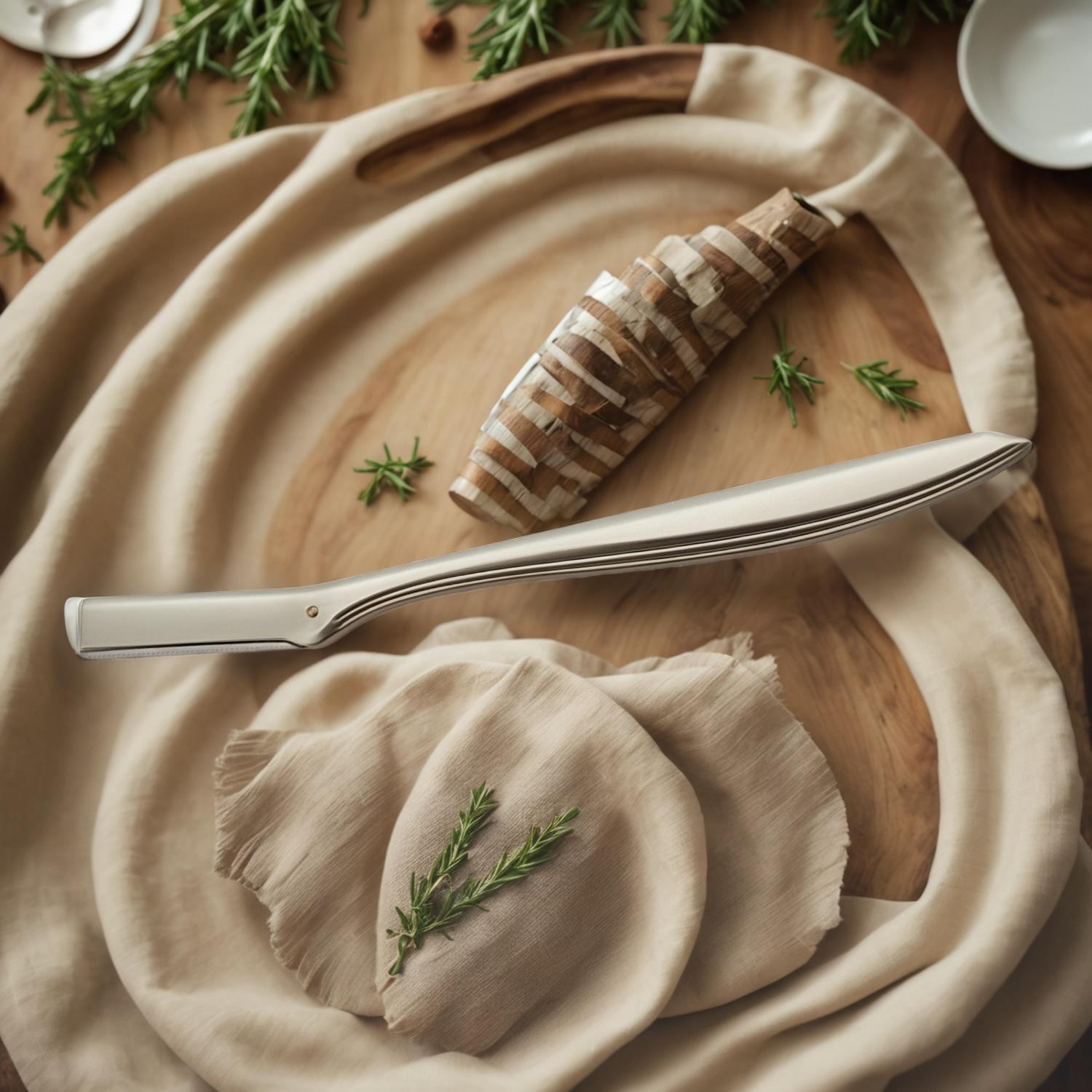
Olimor Beauty’s product description highlights ergonomic designs that are precisely balanced for control and intuitive handling. This is especially important for grooming tools because most tasks involve small movements. A tool that is too slippery, poorly balanced or awkwardly shaped can make a simple grooming step feel difficult.
Ergonomics should be evaluated by the intended user group. A salon professional may value speed and repeatable control. A home user may prefer comfort and confidence. A travel kit buyer may prioritize compact size. A men’s grooming range may need a different grip feel and visual language than a brow or manicure-focused assortment. Before placing a wholesale grooming tools order, it is useful to test samples with the same assumptions your end customers will bring to the product.
Practical handling checks include how the tool sits between the fingers, whether the balance helps guide movement, whether the shape reduces hand strain and whether the product can be used comfortably from different angles. For retail brands, these details also reduce negative reviews. Customers may not use the word “ergonomic,” but they quickly notice whether a tool feels controlled, stable and comfortable.
Quality Assurance from Materials to Packaging
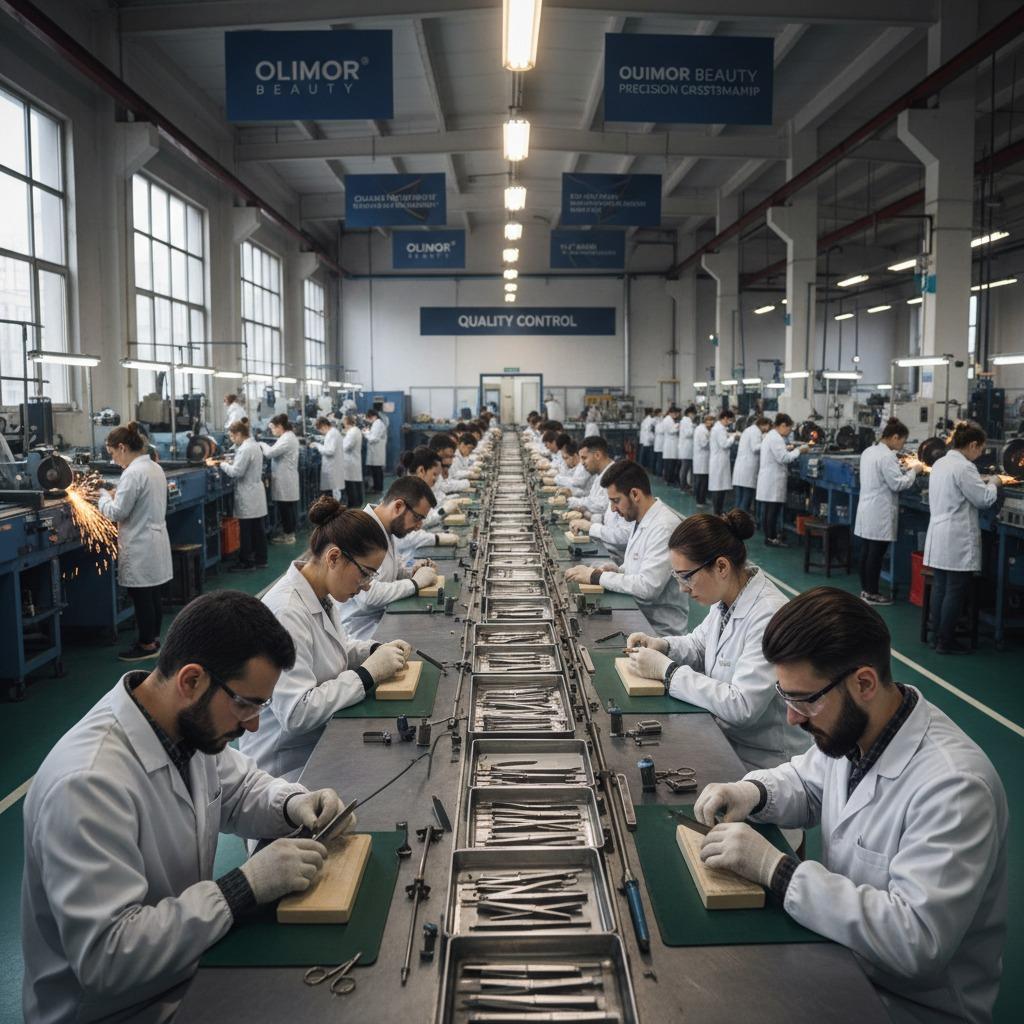
For a beauty tools manufacturer, quality assurance is not a final glance before shipment. The original information describes inspections throughout the production process, including raw material sourcing and final packaging. This kind of staged review is important because cosmetic and functional issues can appear at different points.
During early production, the focus is on material suitability and forming accuracy. During finishing, the focus shifts to surface quality, edge feel and appearance. During assembly or final handling, inspectors may look for alignment, consistency and visible defects. At the packaging stage, the concern expands to labeling placement, cleanliness, retail presentation and whether the goods are protected for transport.
For buyers building a repeat program, the quality conversation should be specific. Instead of asking only for “good quality,” define acceptable and unacceptable outcomes. This can include visible scratches, finish variation, packaging damage, loose components, incorrect labeling or inconsistent product feel. Clear expectations are especially helpful when developing multiple SKUs that need to look consistent across a collection.
How Wholesale Buyers Can Compare Manufacturing Partners
When comparing grooming tools wholesale suppliers, buyers often focus first on price. Price matters, but it should be assessed alongside reliability, communication, inspection discipline and suitability for your sales channel. A low unit cost does not help if packaging fails on the shelf, the finish does not match your brand position or repeat orders vary noticeably from the first shipment.
The following table can help structure supplier comparisons before a sourcing decision:
| Evaluation area | What to review | Why it matters |
|---|---|---|
| Product use case | Home grooming, salon resale, travel, gifting or retail collection | Defines the right size, finish, packaging and quality level |
| Material and finish | Stainless steel quality, surface consistency and corrosion-resistance expectations | Supports durability, appearance and customer confidence |
| Ergonomics | Grip comfort, balance, control and ease of handling | Improves real user experience and repeat purchase potential |
| Inspection process | Checks from raw materials through final packaging | Reduces avoidable defects and shipment surprises |
| Packaging readiness | Protection, retail presentation and instruction needs | Helps the product arrive and sell as intended |
Buyers can browse Olimor’s broader beauty tool products to understand available product directions, or review product collections when planning an assortment rather than a single item. For custom sourcing discussions, the most productive preparation is a clear brief covering target customer, channel, packaging needs, expected finish and any required documentation for your market.
Packaging and Presentation for Personal Care Programs
Packaging is often treated as a separate step, but for grooming tools it is part of the product experience. A tool may be well made, yet still underperform commercially if the packaging looks generic, does not protect the finish or fails to explain basic care. Personal care tools are handled closely by customers, so the first impression should feel clean, orderly and appropriate for the selling environment.
Retail-ready packaging should protect the tool from scratches, keep it positioned neatly and allow the customer to understand its purpose quickly. For online sales, packaging may also need to survive parcel movement while still looking presentable on arrival. For distributors and wholesalers, carton organization and product identification can influence warehouse efficiency and order accuracy.
Since exact packaging specifications are not stated here, buyers should define requirements early. Consider whether the product needs a hanging card, box, pouch, insert, barcode area, care instructions, multilingual text or specific display orientation. These decisions affect not only appearance but also production planning and inspection criteria.
Maintenance Guidance That Helps Customers Keep Tools Performing
Even durable stainless steel grooming tools benefit from proper care. Maintenance instructions are a simple way for brands to reduce misuse and extend customer satisfaction. Depending on the tool type, general guidance may include wiping after use, keeping the product dry before storage, avoiding harsh contact with other metal items and storing the tool in a clean case or pouch when appropriate.
For wholesale buyers, including basic care language in packaging or online product pages can support better reviews. The wording should be clear and realistic rather than overly technical. If a product is sold for travel or daily grooming, customers need quick instructions they can follow without special equipment.
Maintenance communication also reinforces perceived quality. A buyer who receives a grooming tool with thoughtful care guidance is more likely to treat it as a precision personal care item, not a disposable accessory. That supports both brand value and long-term product reputation.
Working with Olimor Beauty on a Grooming Tool Program
Olimor Beauty is suitable for buyers who want grooming tools supported by stainless steel construction, ergonomic handling and quality checks across production stages. The best results come from matching the manufacturer’s capabilities to a detailed commercial plan. Before beginning a project, prepare information about your target market, preferred product categories, packaging style, sales channel and quality expectations.
If you are comparing suppliers or planning a new wholesale grooming tools range, use the early discussion to clarify design priorities and inspection points. Share reference positioning rather than copying a competitor: premium travel kit, salon retail accessory, everyday grooming essential or giftable personal care item. This helps align material finish, packaging and presentation with your business goals.
To discuss a specific program, you can contact Olimor with your sourcing questions or send an inquiry for a more direct purchasing conversation. A clear brief and sample review process will make it easier to evaluate whether the proposed grooming tools meet your expectations before scaling into a larger order.
Premium grooming tools succeed when design, material, handling and inspection work together. By focusing on these practical criteria, buyers can select a beauty tools manufacturer that supports both product quality and long-term customer confidence.
Tag: