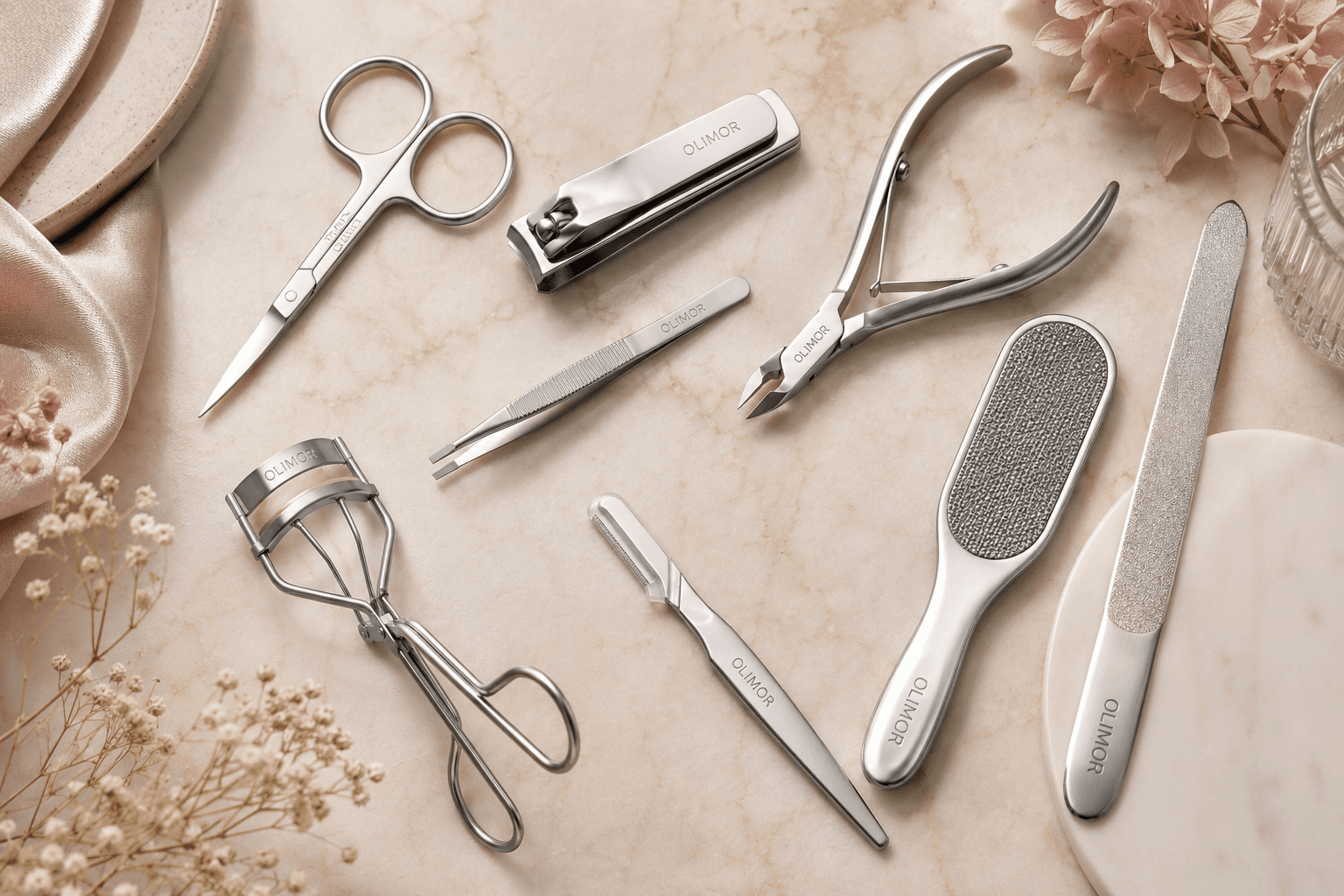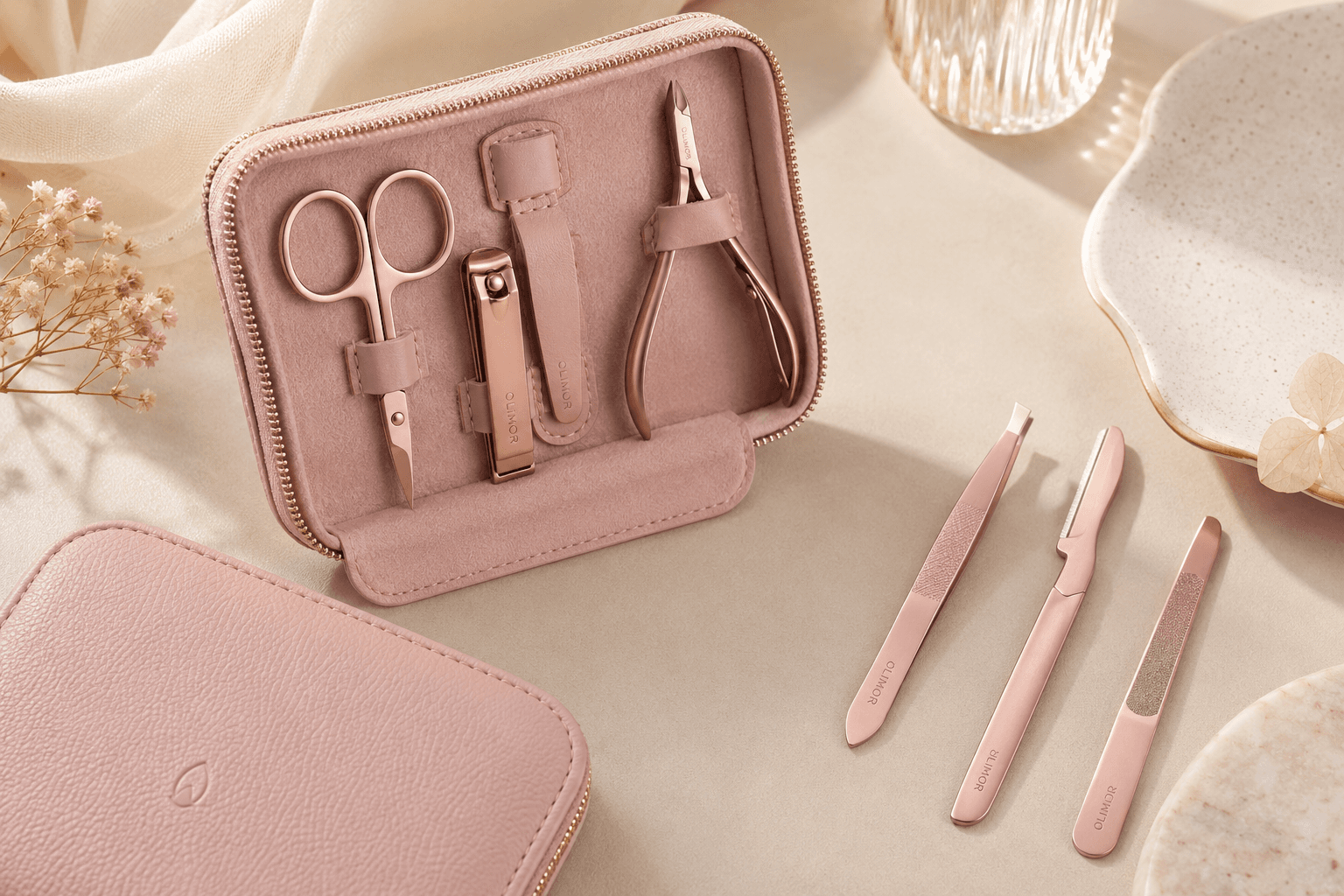
Beauty Tools Manufacturer: How Olimor Beauty Approaches Precision, Quality and OEM Personal Care Tools
For beauty brands, retailers and distributors, a beauty tool is more than a simple accessory. A tweezer that does not align, a lash curler that pinches, or a handle that feels unstable can quickly affect customer reviews and repeat purchases. This is why choosing a beauty tools manufacturer should involve more than comparing surface finishes or packaging options. The right manufacturing partner needs to understand how small design details influence everyday performance, safety and perceived product value.
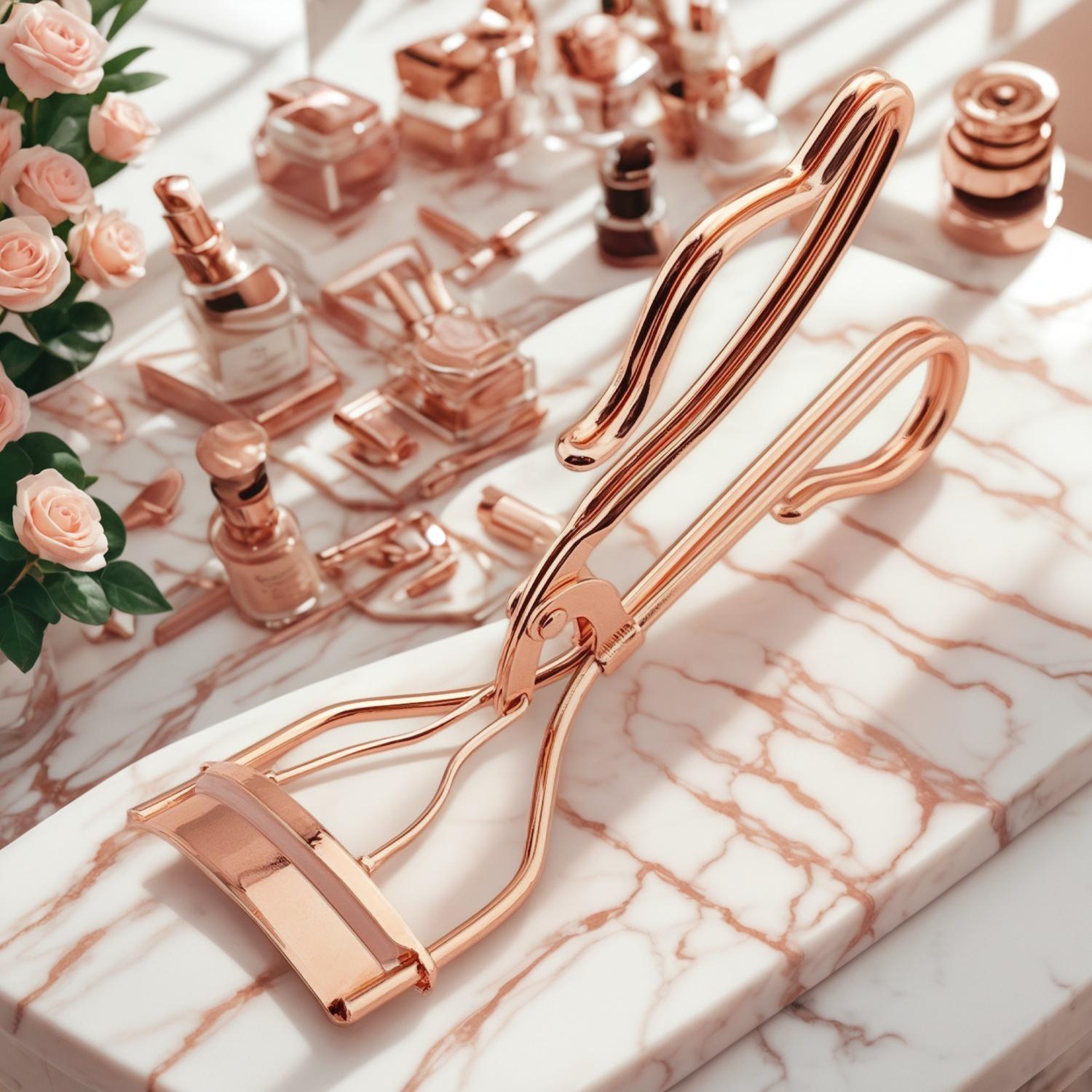
Olimor Beauty focuses on personal care tools where precision, comfort and reliable inspection matter. The rose gold eyelash curler featured here is a useful example because it combines several buyer priorities in one product: ergonomic handling, curved geometry, silicone pad performance, visual appeal and quality consistency. Whether you are building a retail assortment, expanding a private label range, or evaluating an OEM personal care tools supplier, these are the details worth examining before you place an order.
Why Precision Matters in Beauty Tool Manufacturing
Beauty tools are used close to delicate areas of the face, eyes and skin. That makes precision essential. A product may look attractive on a shelf, but its real value is proven during use. For an eyelash curler, the frame must open and close smoothly, the pad should sit correctly in the channel, and the curve must contact the lash line without creating uncomfortable pressure. If these elements are inconsistent, customers notice immediately.
Precision also affects brand positioning. A low-cost tool with sharp edges, loose movement or uneven plating can make even premium packaging feel disappointing. In contrast, a well-balanced tool communicates care before the customer reads any product claim. Buyers should review how a manufacturer manages shape accuracy, hand feel, moving parts and final appearance across production, not only on a single sample.
When assessing beauty tool suppliers, consider these practical questions:
- Does the tool feel stable when held in one hand, or does it shift under light pressure?
- Are edges smooth where fingers, skin or lashes may touch the product?
- Do moving parts open and close consistently without stiffness or looseness?
- Is the finish even across visible surfaces, corners and contact points?
- Can packaging protect the tool during shipping and retail handling?
The Rose Gold Eyelash Curler as a Design Example
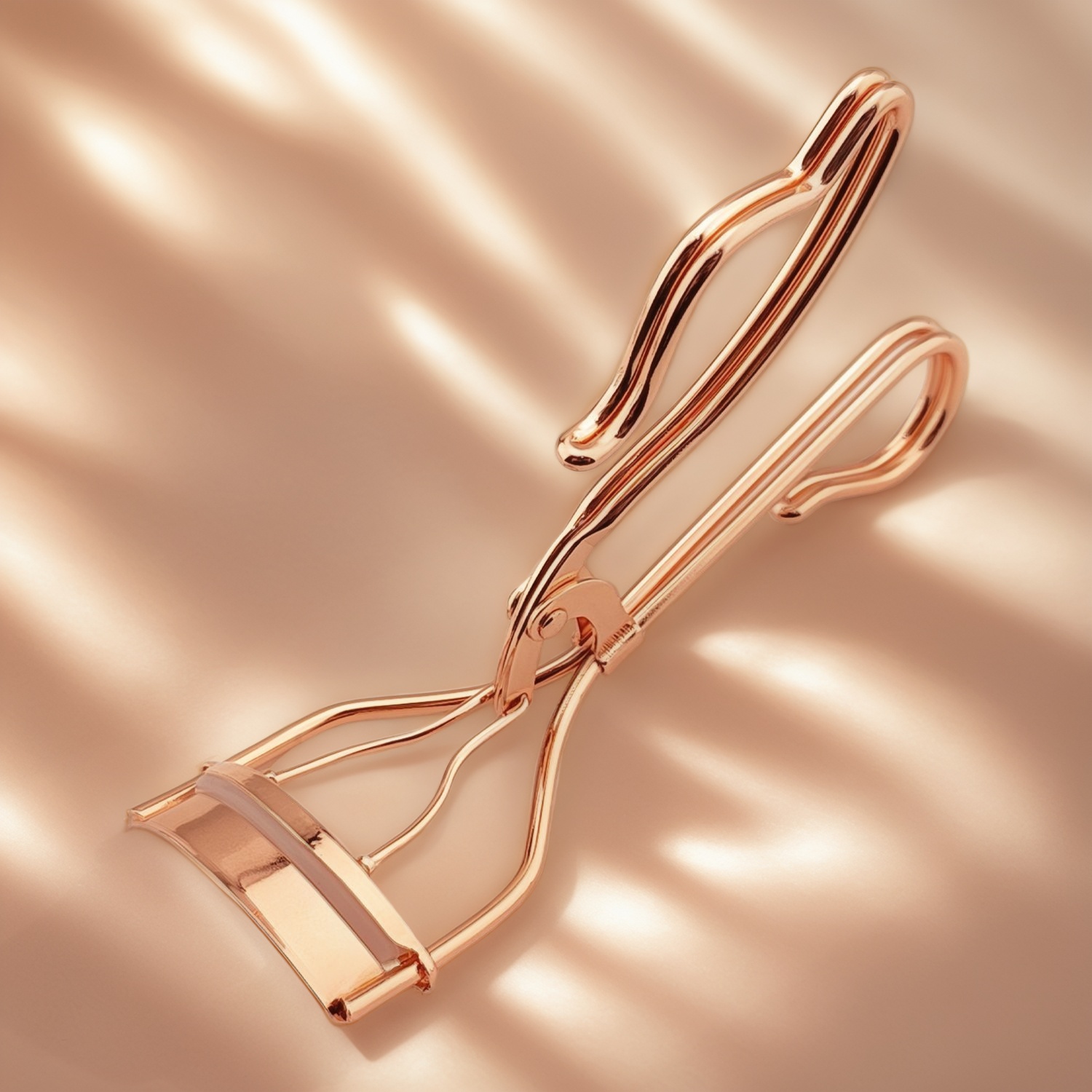
The rose gold eyelash curler described by Olimor Beauty highlights how function and appearance need to work together. Its rose gold finish gives the tool a polished, cosmetic-friendly look that suits many retail beauty assortments. However, visual appeal should never replace performance. For lash tools, the more important questions are how the curler sits near the eye, how comfortably the user can control pressure, and whether the pad supports a natural curl without crimping.
This curler is designed with an ergonomic grip for a comfortable and firm hold. That matters because many users apply mascara, skincare or eye makeup in the same routine, and hands may not always be perfectly dry. A tool that is awkward to grip can lead to uneven pressure or poor placement. The curved angle is intended to fit a wide range of eye shapes and capture lashes from the root without pinching. For buyers, that type of design language should be verified through practical sample evaluation using different users and use scenarios.
The silicone pads are also a key feature. A gentle pad helps form a long-lasting, natural curl while reducing the risk of crimping or breaking delicate lashes. Pad softness, recovery and alignment all influence results. If a pad is too hard, it may leave a harsh bend; if too soft or poorly seated, it may not curl effectively. Replacement pad planning is another useful consideration for brands that want to improve customer satisfaction after purchase.
What Buyers Should Check Before Selecting an OEM Personal Care Tools Supplier
An OEM personal care tools supplier should be evaluated through both product samples and process discipline. A beautiful prototype does not guarantee consistent bulk production. The best sourcing conversations focus on repeatability: how the supplier keeps the same appearance, feel and function across production batches.
Use the following checklist when reviewing eyelash curlers or similar personal care tools:
- Fit and geometry: Check whether the curve, opening width and pad position feel appropriate for the intended market and user group.
- Comfort: Hold the tool for several minutes and test the grip angle. A tool can look sleek but still feel uncomfortable.
- Surface finish: Inspect the plating or coating under different lighting. Look for uneven color, scratches, rough edges or visible defects.
- Pad performance: Test whether the silicone pad sits securely, rebounds after pressure and avoids a crimped lash effect.
- Durability of movement: Open and close the tool repeatedly to identify looseness, scraping or inconsistent resistance.
- Packaging suitability: Confirm that packaging supports retail presentation and protects the tool during storage and transit.
- Brand adaptation: Review which areas are appropriate for your logo, color direction, instructions and packaging design without compromising usability.
These steps are especially important for private label and OEM projects where the final product carries your brand name. If you need to compare related categories or plan a wider tool assortment, Olimor’s beauty tool products page can help you review product directions before preparing an inquiry.
Quality Control: From Raw Materials to Final Packaging
Olimor Beauty emphasizes strict quality control from raw material selection to final packaging. For personal care tools, this full-process approach is important because problems can appear at many stages. A frame may be shaped correctly but finished poorly. A pad may be made from suitable material but installed unevenly. A product may pass a basic appearance check but fail to feel smooth during use. Consistent inspection helps reduce these risks.
For buyers, quality control should be discussed in practical terms. Instead of relying only on general claims, define what matters for your product. For an eyelash curler, inspection points may include symmetry, handle alignment, pad placement, spring or hinge movement, surface appearance, edge smoothness and packaging condition. For tweezers, the focus may shift to tip alignment and tension. For manicure tools, cutting edge consistency and protective packaging may become more important.
A clear approval sample is also valuable. It gives both buyer and manufacturer a reference for production expectations. Visual standards, acceptable tolerances and packaging requirements should be communicated early, especially for products with decorative finishes such as rose gold. The goal is not only to produce a good first run, but to make the product dependable enough for repeat orders and customer trust.
Balancing Aesthetics, Function and Retail Positioning
Beauty tools often compete in crowded retail environments. Color, finish and packaging influence the first impression, while performance determines whether the customer buys again. A rose gold eyelash curler can suit gift sets, everyday makeup tool ranges, travel accessories or entry-level premium assortments. However, each channel may require a slightly different balance between product finish, packaging format and price expectation.
Before confirming a beauty tool design, define the primary sales context. A product sold online needs strong photography and packaging that survives shipping. A product for physical retail may need hangable packaging, clear usage instructions or visible product presentation. A product intended for a private label beauty line may need closer alignment with brand colors and other tools in the range.
Buyers planning multiple items should consider visual consistency across the full assortment. Matching finishes can make a collection feel more organized, but every tool still needs to perform its own task well. To explore broader assortment planning, visit Olimor’s product collections section for category inspiration.
Manufacturing Questions That Lead to Better Sourcing Decisions
Good sourcing is not just about asking for a quotation. It is about understanding whether the manufacturer can support the product standard your customers expect. For eyelash curlers and similar beauty tools, prepare questions that connect directly to the user experience and your sales channel.
| Buyer concern | What to review | Why it matters |
|---|---|---|
| User comfort | Grip shape, pressure control and edge smoothness | Reduces discomfort and improves daily usability |
| Lash result | Curved angle, pad softness and pad alignment | Supports a natural curl without crimping |
| Visual quality | Rose gold finish consistency and visible surface defects | Protects retail appeal and brand perception |
| Production reliability | Inspection steps from materials to packaging | Helps maintain consistency across batches |
| OEM readiness | Branding, packaging and assortment compatibility | Supports private label and market-specific launches |
This kind of review helps prevent vague specifications. It also makes communication with an OEM supplier more efficient because both sides can focus on measurable product requirements rather than broad descriptions such as “premium” or “high quality.”
When Olimor Beauty Is a Fit for Your Beauty Tool Project
Olimor Beauty is positioned for buyers who care about practical tool performance, attractive presentation and OEM cooperation. The rose gold eyelash curler demonstrates how a personal care tool can combine a refined finish with functional decisions such as ergonomic grip, a curved angle designed for different eye shapes and gentle silicone pads. These details are especially relevant for brands that want products customers can use confidently, not only display attractively.
If you are comparing suppliers, start with a clear product brief: target user, desired finish, packaging direction, retail channel and quality priorities. Then evaluate samples against real handling and use conditions. A manufacturer that can discuss precision, inspection and OEM adaptation in detail is more likely to support a stable long-term product program.
For brand projects, private label development or sourcing discussions, you can contact Olimor with your product direction, or send an inquiry when you are ready to share specifications and request next steps.
Tag: