Beauty Tools Manufacturer for Sustainable, Cruelty-Free Tool Design
Beauty tools are no longer judged only by how they look on a retail shelf. Buyers, distributors, and beauty brands now evaluate how a tool performs over repeated use, whether its materials support responsible consumption, and whether the manufacturing approach aligns with cruelty-free values. For a beauty tools manufacturer, this means design decisions must connect durability, comfort, hygiene, consistency, and sourcing ethics in one practical product development process.
Olimor Beauty focuses on beauty tools that are designed for dependable everyday use while supporting a more conscious approach to product selection. For professional buyers, that balance matters: a tool that feels good in the hand but wears out quickly creates waste and customer dissatisfaction; a tool that uses durable materials but ignores ergonomics can still fail in the market. The strongest beauty tool programs consider both performance and responsibility from the beginning.
What Sustainability Means for Beauty Tools
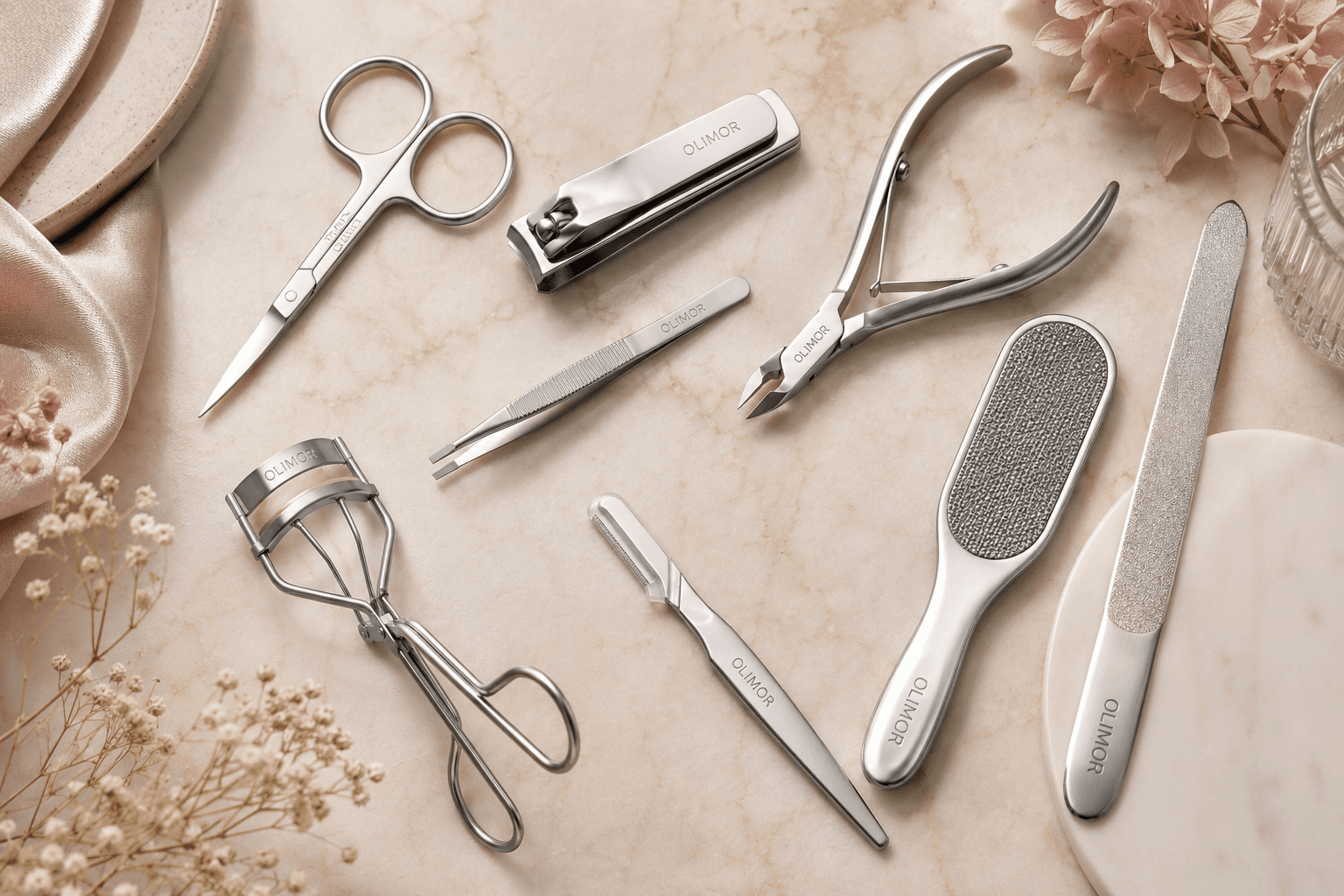
In beauty accessories, sustainability often begins with durability. Unlike disposable cosmetics packaging, beauty tools are expected to be handled, cleaned, stored, and reused. A well-made eyelash curler, tweezer, cosmetic sharpener, mirror, or grooming accessory can reduce replacement frequency when it is built with suitable materials and assembled with care.
The supplied product information highlights the use of high-grade stainless steel as one example of material selection for long-lasting tools. Stainless steel is valued in beauty tools because it can provide strength, a clean appearance, and resistance to the ordinary wear associated with repeated handling. The sustainability value is not only in the material itself, but in whether the finished tool remains functional over time.
For buyers comparing a sustainable beauty tools supplier, useful questions include whether the tool is designed to withstand repeated opening, closing, gripping, cleaning, or travel storage. It is also important to consider whether parts that contact the skin or lashes remain comfortable and safe during normal use. Sustainability should not be reduced to a marketing phrase; it should be visible in product lifespan, material logic, and quality controls.
Cruelty-Free Design as a Product Requirement
Cruelty-free beauty has expanded beyond cosmetics into the tools used to apply, shape, groom, and maintain a finished look. For beauty tool buyers, cruelty-free design means paying attention to the production process and the components used in the product. The original product details state that Olimor Beauty’s production process is free from animal testing and that the products do not contain animal-derived components.
This matters for retailers and brands that serve customers who read labels carefully and expect consistency across their beauty kits. A cruelty-free mascara paired with a tool that does not meet the same values can create confusion for the end user. When a product line is positioned around ethical beauty, tool sourcing should match that promise.
Practical cruelty-free review points can include component composition, surface treatments, pads, grips, packaging inserts, and supplier documentation. The goal is not simply to use a cruelty-free claim, but to build a review process that supports responsible product selection before a tool reaches the market.
Performance Starts with Ergonomics and Control
A beauty tool must feel intuitive. Whether the user is a makeup beginner, a salon professional, or a consumer replacing a favorite tool, the first impression is usually tactile: how it sits in the hand, how smoothly it moves, and whether it gives control without discomfort.
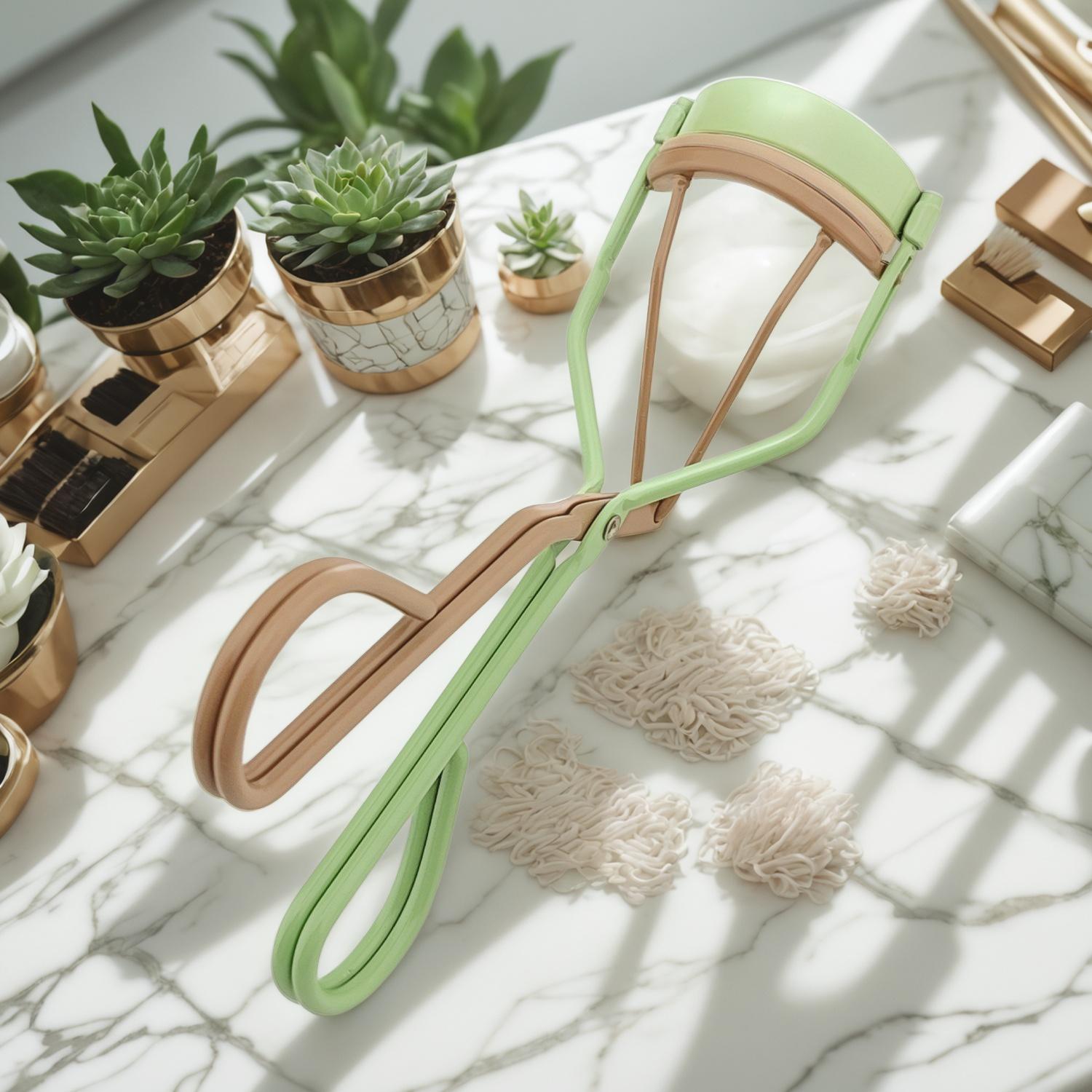
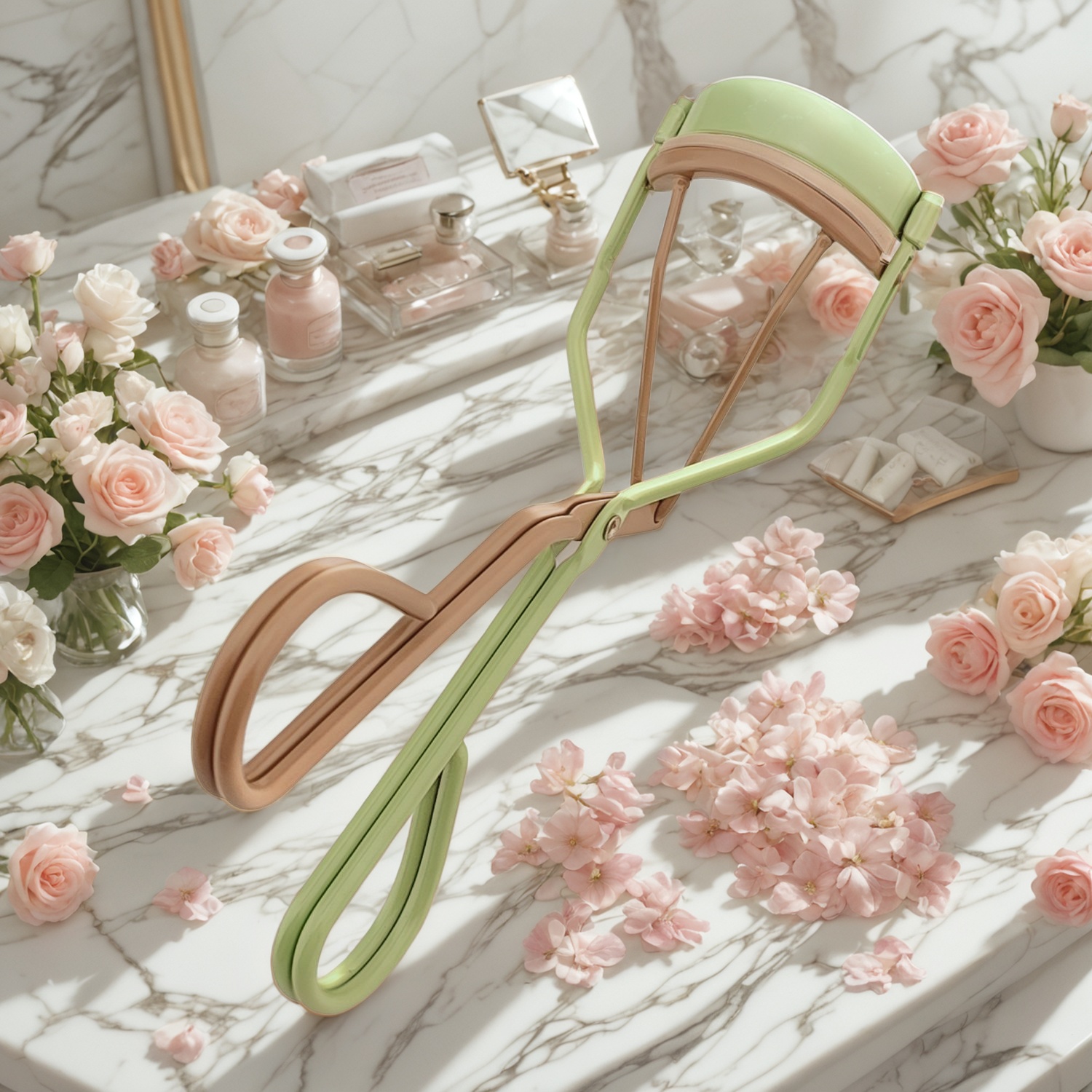
The Fashion Eyelash Curler mentioned in the product information is described with an ergonomic design, a comfortable bronze grip, and a gentle silicone pad. These details show how small design choices influence the user experience. An eyelash curler, for example, must create a controlled curl while reducing unnecessary pulling or pinching during ordinary use. The silicone pad is not a decorative detail; it is part of the contact point that affects comfort and results.
For any beauty tool, ergonomic review should include the shape of handles, grip stability, spring or hinge motion where applicable, surface finish, and the amount of force required to use the product. A tool that performs well for one use but causes strain after repeated use may not meet the expectations of professional or frequent users.
Quality Controls Buyers Should Look For
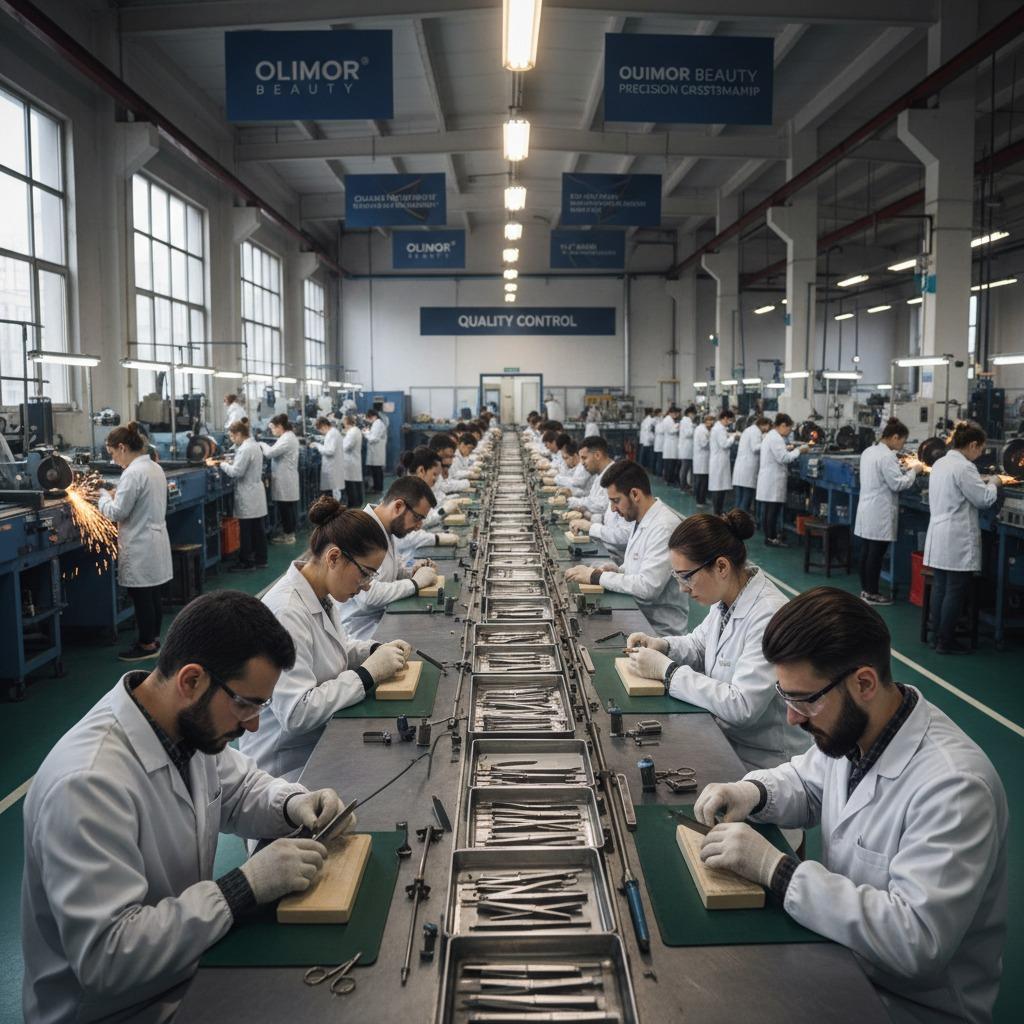
Olimor Beauty’s product information notes internal quality controls from initial material inspection to final packaging. That type of process is important because many tool defects are easier to prevent than to fix after assembly. A beauty tools manufacturer should be able to build quality thinking into each stage, rather than relying only on final inspection.
For buyers comparing beauty tool products, the following checklist can help structure evaluation discussions and sample reviews:
- Material inspection: Confirm that core materials match the intended durability, finish, and function of the tool.
- Surface finish review: Check for rough edges, uneven coating, scratches, discoloration, or areas that may feel uncomfortable against the skin.
- Assembly consistency: For tools with hinges, pads, handles, or moving parts, test alignment and motion across multiple samples.
- Comfort and usability: Evaluate grip shape, pressure points, weight balance, and ease of control during realistic use.
- Packaging condition: Make sure the packaging protects the tool during storage and transport while presenting the product clearly.
- Batch consistency: Compare samples from different production runs when possible to identify variation before launch.
This type of checklist is especially useful for private label programs, retail assortments, and promotional beauty kits where the tool must represent the brand even if it is a small accessory in the set.
How to Evaluate a Beauty Tools Manufacturer
Choosing a manufacturer is not only about finding a supplier that can produce a specific item. It is about finding a production partner that understands the end user, the sales channel, and the standards expected by the market. A beauty tool sold through a professional distributor may need a different finish, packaging approach, or durability expectation than a compact tool designed for travel retail.
When evaluating a manufacturer, buyers should start with product purpose. Is the tool intended for daily personal use, salon use, gifting, travel, or entry-level beauty kits? That answer affects design priorities. A travel tool may prioritize compactness and safe storage, while a professional-use tool may prioritize comfort across repeated handling. A retail tool may need packaging that communicates the function quickly without overpromising.
Next, compare how the manufacturer explains its material choices. If stainless steel, silicone pads, grips, or coatings are part of the design, each should have a reason connected to performance, cleaning, durability, comfort, or presentation. Clear reasoning is a positive sign because it shows that design decisions are not random.
Finally, evaluate responsiveness during sampling. Sample feedback often reveals how well a supplier can handle real-world development. If the hinge feels too tight, the pad too firm, the handle too slippery, or the packaging too weak, buyers need a manufacturer that can discuss practical adjustments. You can explore Olimor’s broader beauty tool products to compare product types and identify the features most relevant to your market.
Sourcing Decisions for Responsible Beauty Brands
Responsible sourcing is strongest when it is specific. Instead of asking for a tool that is simply “eco” or “ethical,” buyers can define the measurable and observable qualities they need. For example, a sourcing brief might specify that the tool should be durable enough for repeated consumer use, have a comfortable grip, avoid animal-derived components, and pass internal appearance and function checks before shipment.
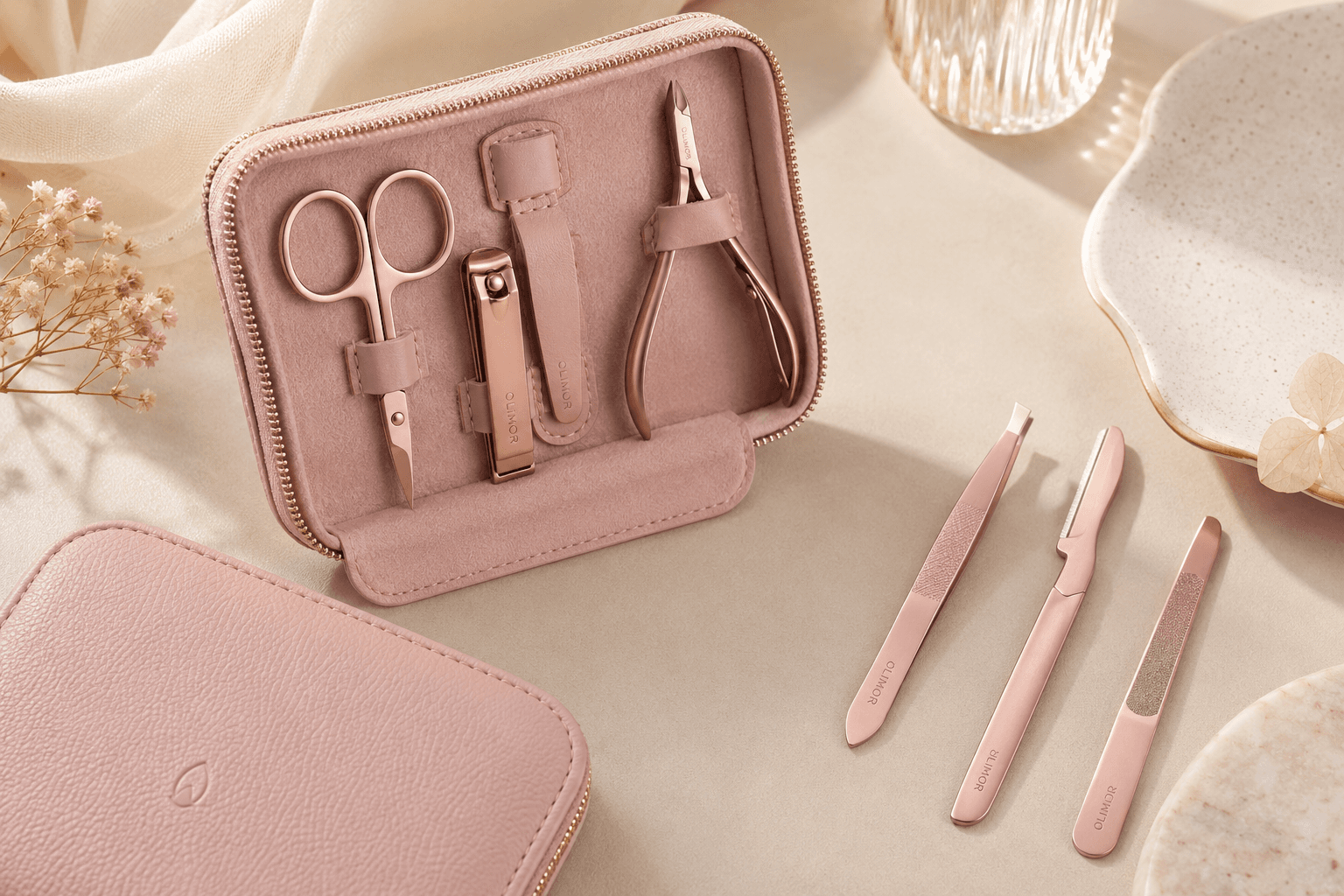
A concise sourcing brief can reduce misunderstandings and improve sample quality. Useful details include product category, target user, preferred materials, finish direction, packaging needs, expected sales channel, and any brand restrictions related to animal-derived components or testing. If the program includes several related tools, it may also help to review product collections so the assortment feels consistent in appearance and quality.
For brands planning a new tool launch, the strongest results often come from balancing three questions: Will the tool work reliably for the user? Does the product reflect the ethical values of the brand? Can the design be produced consistently at the required quality level? When those questions are answered early, the final product is more likely to meet both commercial and consumer expectations.
Maintenance Guidance That Supports Longer Tool Life
A sustainable tool still needs proper care. Beauty brands can add value by educating customers on maintenance, especially for tools that touch lashes, brows, skin, or cosmetic products. Simple care instructions reduce misuse and help customers experience the product as intended.
- Wipe tools after use to remove cosmetic residue, oils, or moisture.
- Store tools in a clean, dry place rather than loose in a crowded makeup bag where edges and moving parts can be damaged.
- Inspect pads, hinges, grips, and contact surfaces regularly for wear or misalignment.
- Avoid excessive force, especially with tools designed for controlled pressure such as eyelash curlers.
- Replace worn contact components when applicable, following the product’s care guidance.
Maintenance instructions should be realistic and easy to follow. Overly complex care advice is often ignored, while clear instructions can extend useful life and reduce unnecessary returns.
Building Beauty Tools with Purpose
The best beauty tools are not defined by one feature alone. They combine thoughtful materials, comfortable handling, responsible sourcing values, and consistent manufacturing controls. Olimor Beauty’s approach emphasizes durable construction, cruelty-free principles, and user-focused design details such as ergonomic handling and gentle contact components.
For buyers, the key is to look beyond surface appearance and evaluate how the tool will perform over time. A dependable beauty tools manufacturer should help turn product requirements into practical, repeatable manufacturing decisions. If you are developing a responsible beauty tool program or comparing options for a new assortment, contact Olimor or send an inquiry with your product goals, target users, and sourcing priorities.
Tag: