How to Choose a B2B Tweezers Manufacturer for Professional Beauty Supplies
For salons, spas, brow studios, beauty retailers and private-label buyers, tweezers are small tools with a large impact on customer experience. A pair of tweezers may look simple, but professional users quickly notice differences in grip, balance, tip alignment and hair removal accuracy. When a tweezer fails to catch fine hairs or pinches the skin, it affects service time, comfort and trust in the brand selling the tool.
Choosing the right B2B beauty supplies partner is therefore not only a purchasing task. It is a quality decision that can influence repeat orders, retail returns and the reputation of your beauty business. Olimor Beauty focuses on beauty tools for professional and retail use, helping buyers evaluate practical details before placing bulk orders. If you are comparing options for tweezers for eyebrow shaping, this guide explains what to check and how to make a sourcing decision with confidence.
Why Tweezer Quality Matters in B2B Beauty Supplies
In a consumer setting, one weak tool may be disappointing. In a professional or retail setting, the same weakness can multiply across many users. Brow technicians depend on repeatable performance because they handle different hair types, skin sensitivities and shaping requests throughout the day. Retailers need a tool that feels credible when customers open the package and use it at home. Distributors need consistent batches so one shipment performs like the next.
The most important quality factor is precision at the tips. Good eyebrow tweezers should meet evenly, close cleanly and grip hair without requiring excessive pressure. If the tips are misaligned, even a polished surface and attractive finish cannot compensate for poor function. Material choice also matters because beauty tools are exposed to moisture, cleaning routines and repeated handling. Stainless steel is commonly preferred for tweezers because it can offer durability and corrosion resistance when properly manufactured and finished.
Professional buyers should also consider the user’s hand position. A tweezer that is too stiff can cause fatigue during repeated use, while one with weak tension may feel unstable. The goal is a balanced tool: secure enough to control fine hairs, comfortable enough for longer grooming sessions, and consistent enough for professional environments.
Key Checks When Comparing Tweezers Manufacturers
When searching for the best tweezers manufacturer in China or comparing global suppliers, avoid judging only by catalog photos. A useful supplier evaluation should combine product samples, process questions and clear inspection standards. The following checklist can help buyers compare manufacturers without relying on vague claims.
- Tip alignment: The two tips should meet evenly along the intended contact area. For slanted eyebrow tweezers, check whether the slant closes smoothly from edge to edge.
- Grip performance: Test the tool on fine, short and slightly thicker hairs. A professional tweezer should catch hair cleanly without repeated attempts.
- Edge comfort: Tips should feel precise, but not rough or jagged against the skin. Overly sharp or unfinished edges can create discomfort.
- Hand feel: Assess spring tension, weight and balance. A tool used in salons must remain comfortable during repeated services.
- Surface finish: Look for consistent polishing, coating or finishing without visible burrs, stains or uneven areas.
- Batch consistency: Compare more than one sample. A single good piece is less meaningful than consistent quality across multiple units.
- Packaging fit: For retail or private-label sales, confirm that packaging protects the tips and communicates the tool’s intended use clearly.
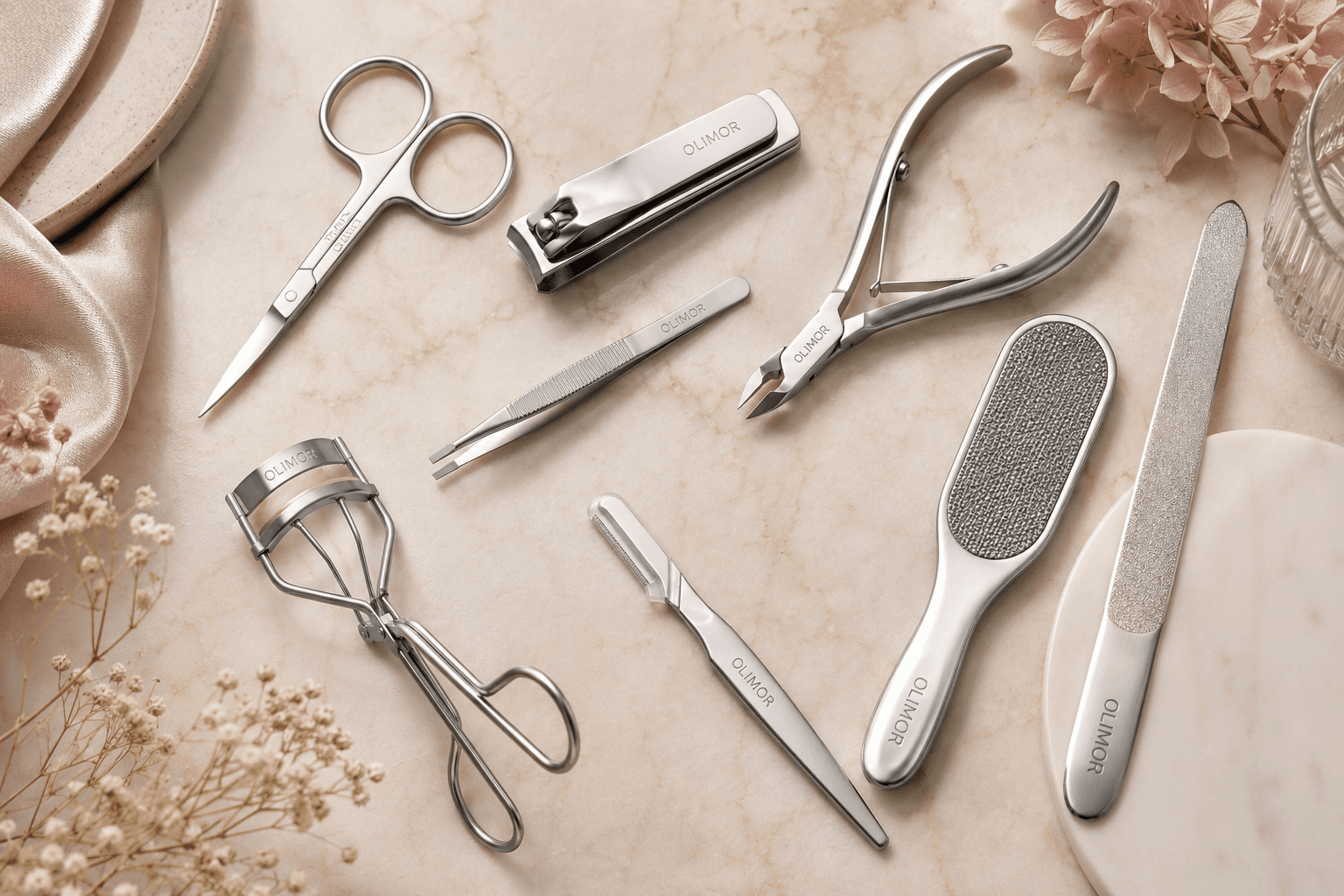
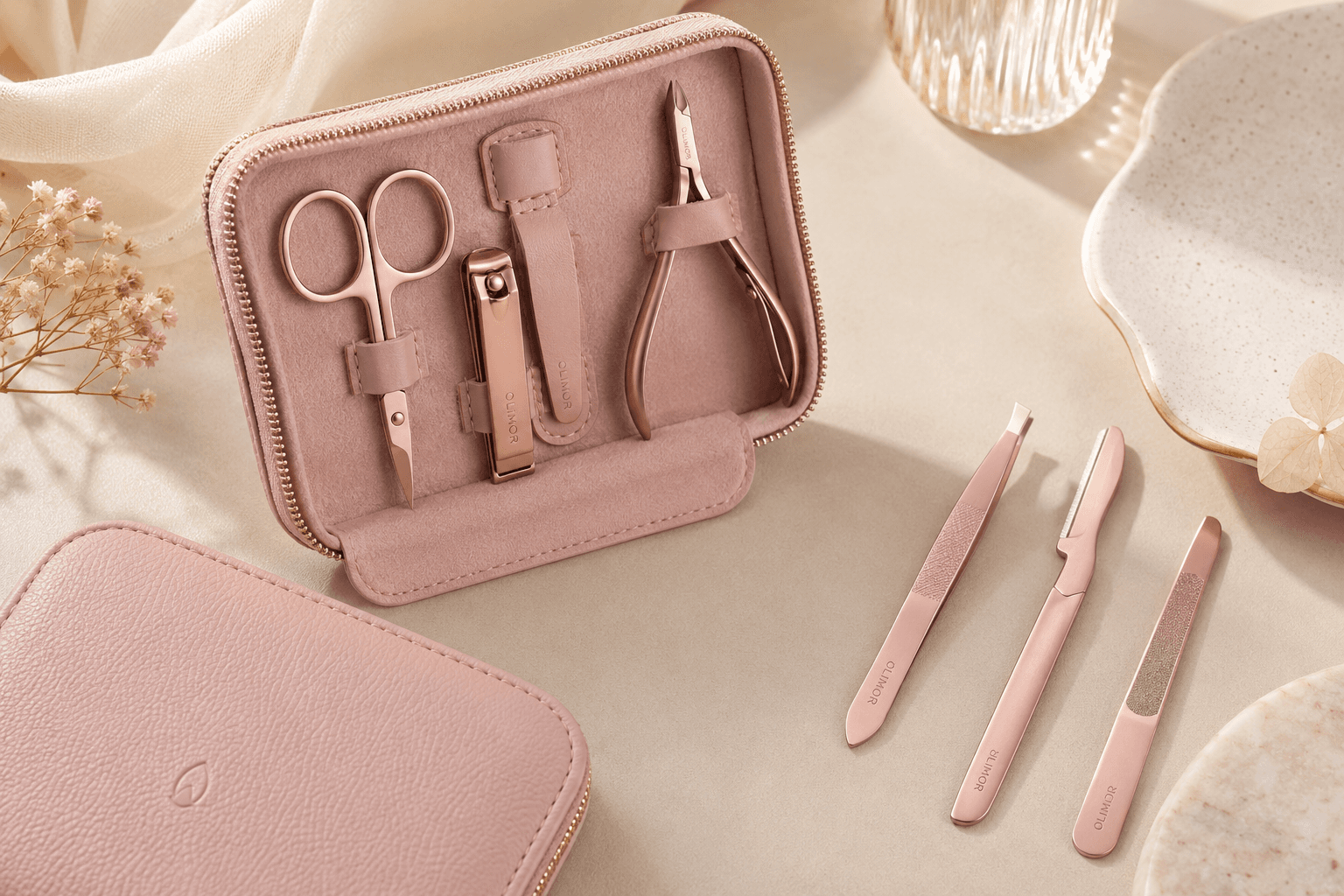
These checks are especially important for companies building a professional tool range. You can explore Olimor’s broader beauty tool products to consider how tweezers may fit alongside other beauty accessories in a coordinated product offering.
What Makes Premium Eyebrow Tweezers Different?
Eyebrow tweezers require a different level of control from general-purpose tweezers. Brow shaping involves fine visual work, close contact with sensitive skin and repeated removal of individual hairs. For this reason, the best tool is not simply the most decorative one. It is the one that helps the user remove targeted hair accurately while reducing unnecessary pressure on the skin.
Slanted tips are popular for eyebrow shaping because they provide a useful angle for approaching the brow line. The slant can help technicians isolate individual hairs and maintain visibility while working. However, the benefit depends on precise grinding and alignment. A slanted tweezer with uneven contact will often slide over fine hairs instead of gripping them.
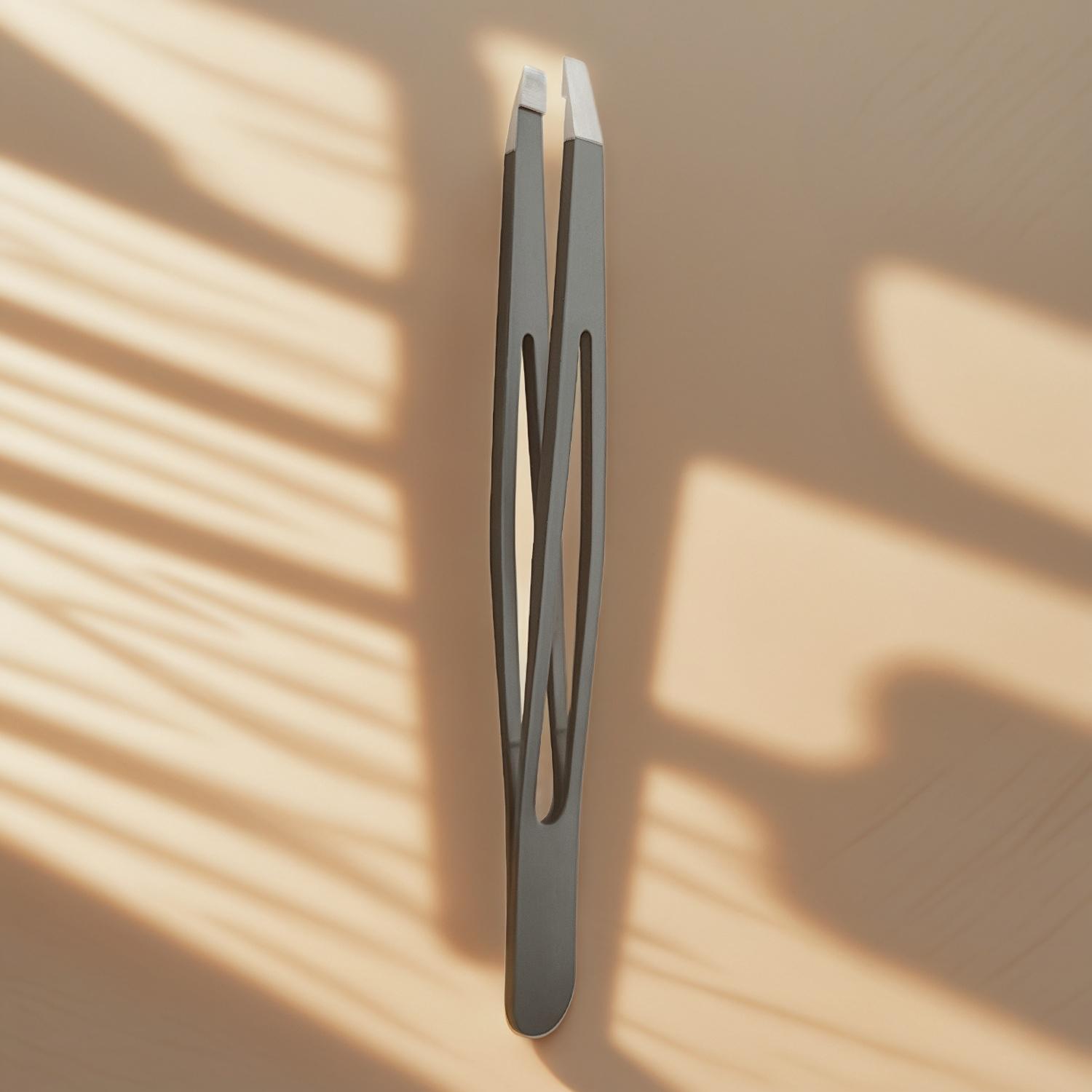
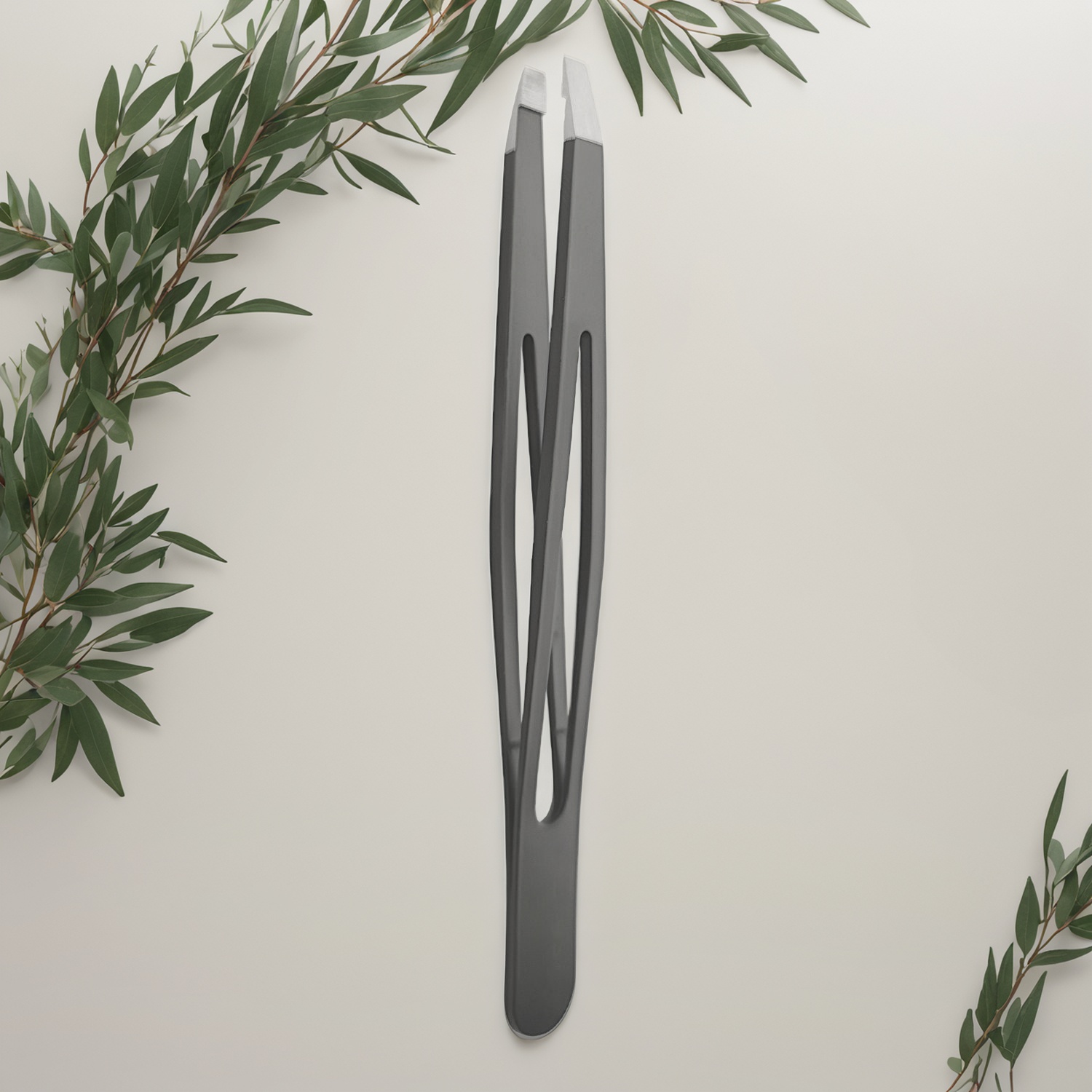
The original product information highlights Modernist Stainless Steel Tweezers as an example of a tool designed for salon-quality results for professionals and at-home users. When evaluating this type of tweezer, focus on the details that support daily use: stainless steel construction, ergonomic handling and expertly aligned slanted tips. These features are not decorative extras; they are the core performance factors that determine whether a tweezer belongs in a professional kit or retail beauty aisle.
Buyer Criteria for Salons, Retailers and Private-Label Brands
Different B2B buyers evaluate tweezers through different priorities. A salon owner may care most about comfort and hair removal accuracy. A retailer may focus on presentation, customer satisfaction and return reduction. A private-label brand may need stable quality that supports its brand promise across repeat purchases.
The table below outlines practical selection priorities by buyer type.
| Buyer type | Main priority | What to evaluate |
|---|---|---|
| Salon or brow studio | Daily professional performance | Grip accuracy, hand comfort, easy cleaning and consistent tension |
| Beauty retailer | Customer satisfaction after purchase | Packaging clarity, perceived quality, durability and safe tip protection |
| Distributor | Reliable repeat supply | Batch consistency, product range fit and clear quality control expectations |
| Private-label brand | Brand reputation | Finish quality, customization suitability and alignment with target price positioning |
Before committing to a product line, define the expected user. A professional esthetician may prefer a certain tension and tip feel, while a casual home user may prioritize ease of handling and safety. The more clearly you define the user, the easier it becomes to select the right tweezer and communicate requirements to the manufacturer.
Manufacturing and Quality Questions Worth Asking
A reliable tweezers manufacturer should be able to explain how quality is controlled through production, not only after final packing. For buyers, the goal is to understand whether the supplier has a repeatable process for producing functional tips, stable tension and consistent finishing.
Useful questions include: How are tweezer tips aligned and inspected? What checks are performed for grip performance? How is surface finishing controlled? Are samples from multiple pieces available for comparison? How are tips protected during packing and transport? These questions do not require a buyer to know every technical detail of metalworking. They simply help determine whether the supplier understands the features that matter in real use.
It is also helpful to discuss acceptable inspection criteria before ordering. For example, define what counts as visible surface defects, unacceptable misalignment or inconsistent tension. Clear criteria reduce misunderstandings and help both sides evaluate the same quality standard. Buyers comparing related items can review Olimor product collections to think about how tool quality should remain consistent across a broader beauty assortment.
Care and Maintenance Guidance for End Users
For B2B buyers, product quality continues after the sale. Clear care guidance can reduce misuse and improve customer satisfaction. Even well-made tweezers can lose performance if the tips are damaged, dropped or stored loosely with other metal tools. Packaging or product inserts should explain basic maintenance in practical language.
- Wipe the tweezers after use to remove oils, product residue or moisture.
- Keep the tips protected when stored in a drawer, pouch or professional kit.
- Avoid dropping the tool, as impact can affect tip alignment.
- Do not use eyebrow tweezers for hard materials or tasks outside grooming.
- Follow appropriate cleaning practices for the setting, especially in professional environments.
This guidance is simple, but it matters. A customer who understands how to protect the tips is more likely to experience the precision intended by the manufacturer. For retailers, it can also reduce complaints caused by storage damage rather than manufacturing defects.
Building a Reliable Beauty Tool Line with Olimor Beauty
The right tweezer supplier should support both product function and brand confidence. For salons, that means tools that help technicians work accurately. For retailers, it means products that meet customer expectations after purchase. For distributors and private-label buyers, it means consistency across orders and a supplier that understands professional beauty tool requirements.
Olimor Beauty provides beauty tools for B2B buyers who need practical, well-considered products rather than generic catalog selections. When evaluating tweezers for eyebrow shaping, focus on the qualities users can feel immediately: clean closure, reliable grip, comfortable handling and durable stainless steel construction. A good purchasing decision is built from these details.
If you are developing a professional tweezer range, comparing samples or planning a beauty tools assortment, you can contact Olimor for product discussion or send an inquiry with your sourcing requirements. Clear expectations at the start help create a tool selection that fits your market, supports your brand and performs well in everyday use.
Tag: