B2B Beauty Supplies: How to Source Nail Clippers and Precision Grooming Tools
B2B beauty supplies are not only about filling a catalog. For salons, spas, retailers, wholesalers, and private-label brands, the right grooming tools affect daily service quality, repeat purchase rates, customer reviews, and product returns. Nail clippers and precision trimming tools look simple, but buyers know that small differences in blade sharpness, handle comfort, jaw alignment, and packaging can separate a dependable item from one that creates complaints.
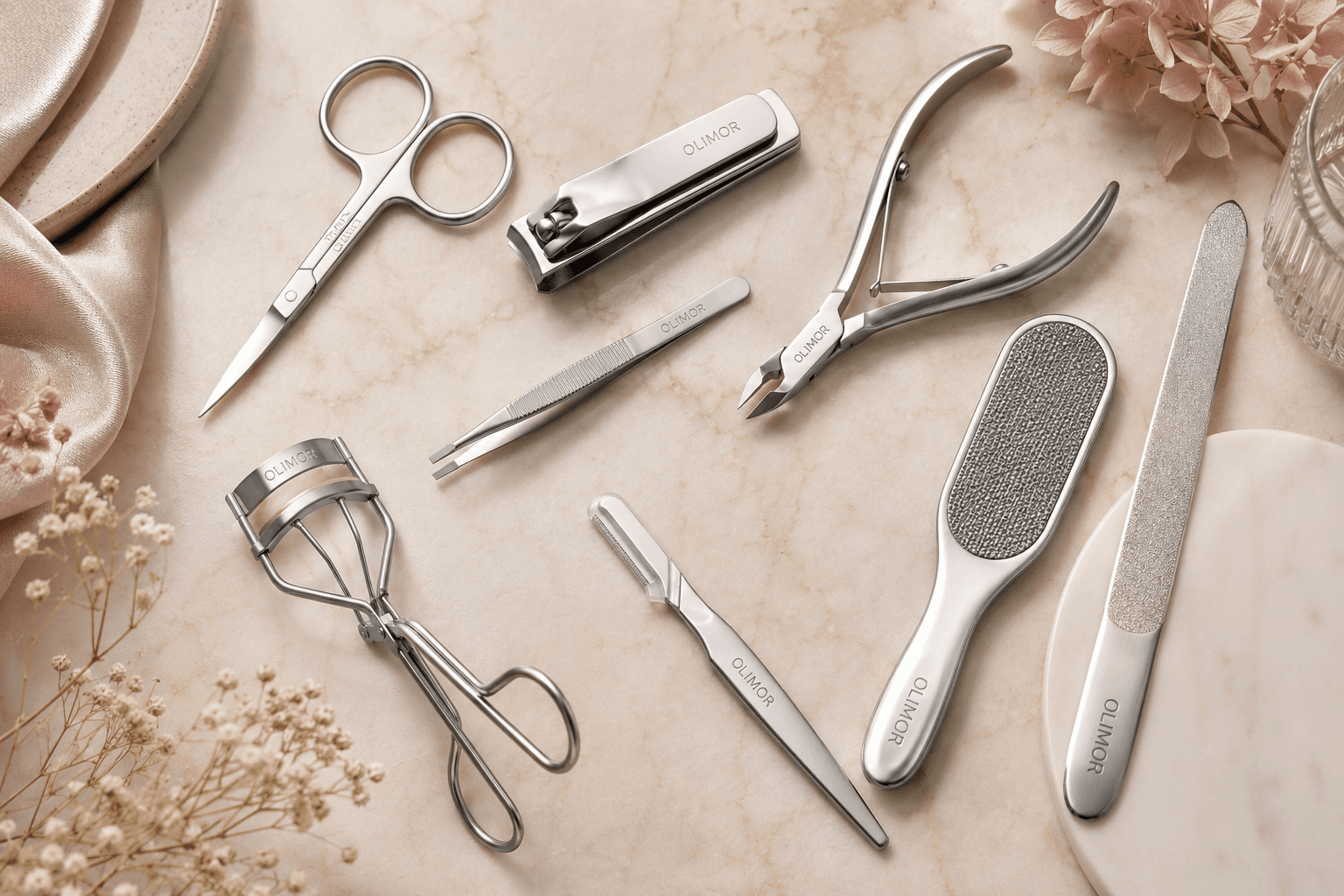
Olimor Beauty focuses on beauty tools for professional and retail channels, including nail clipper ODM solutions and precision tools such as a nail clipper for eyebrow grooming. If your business is comparing suppliers or planning a customized tool line, the goal should be clear: source tools that feel reliable in the hand, perform consistently, and fit the expectations of your target market.
What B2B Buyers Should Look for in Beauty Tools
Professional grooming tools are used differently from casual personal accessories. A salon or spa may use the same tool repeatedly throughout the day, while a retailer needs products that are easy for shoppers to understand at a glance. A distributor needs items that can be explained clearly to resellers, stocked efficiently, and reordered without confusion. For each channel, selection should start with practical performance rather than decoration alone.
For nail clippers and related grooming tools, the most important evaluation points usually include cutting precision, material quality, ergonomics, finishing, and hygiene. The original product information highlights stainless steel blades, ergonomic design, quality assurance from raw materials to final packaging, and easy cleaning. These are meaningful factors because they influence both user experience and long-term customer satisfaction.
- Blade performance: The cutting edge should trim cleanly without tearing or crushing the nail or hair being shaped.
- Jaw alignment: The two cutting edges should meet evenly, especially for precision trimming around smaller areas.
- Grip comfort: Rubberized grips or ergonomic handles can reduce fatigue during extended use.
- Surface finish: Smooth edges and a clean finish help the tool feel more professional and reduce the chance of snagging.
- Cleaning practicality: Tools used in grooming should be easy to wipe, clean, and maintain between uses.
- Packaging suitability: Retail packaging, professional kit packaging, and bulk packaging serve different sales channels.
Nail Clipper ODM: Building a Product That Fits Your Brand
Nail clipper ODM services are useful when a business wants more than a standard off-the-shelf tool. ODM can help brands create products that suit a specific retail price point, user group, packaging concept, or market position. For example, a beauty retailer may want a compact clipper for personal grooming sets, while a salon supplier may prioritize a sturdier feel and easy sanitation. A private-label brand may focus on a consistent visual identity across multiple grooming tools.
When planning an ODM nail clipper project, avoid starting only with color or logo placement. Those details matter, but they should follow the product function. First define who will use the tool, where it will be sold, and what problem it is expected to solve. A tool for professional nail care may require a different grip and cutting feel than a lightweight travel item. A precision trimming product for brows or small grooming areas may need more control than a general nail clipper.
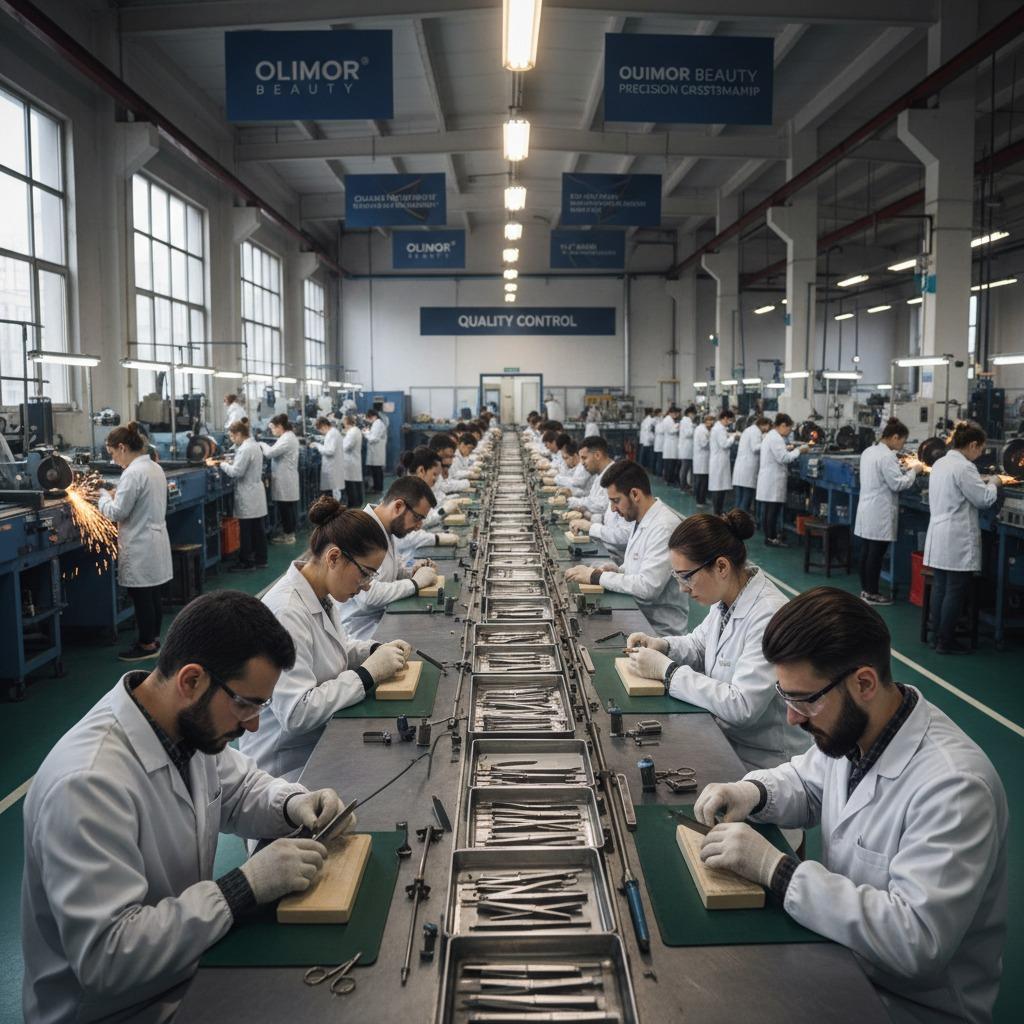
Olimor Beauty emphasizes quality assurance from raw materials to final packaging. For B2B buyers, that means the sourcing discussion should cover the complete production path, not only the sample shown at the beginning. Useful ODM conversations usually include expected handle design, blade sharpness, finishing preferences, packaging format, inspection steps, and how the final product will be presented to the market.
Using a Nail Clipper for Eyebrow and Detail Grooming
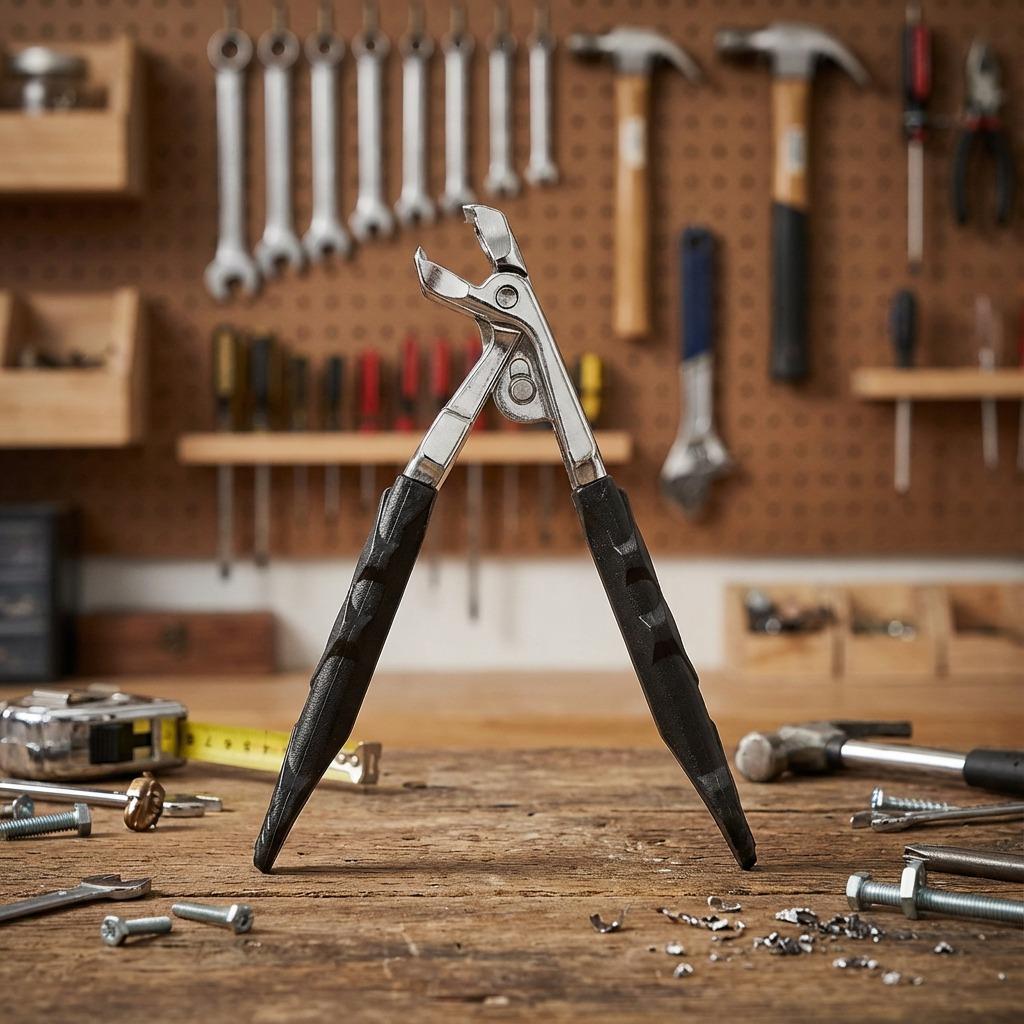
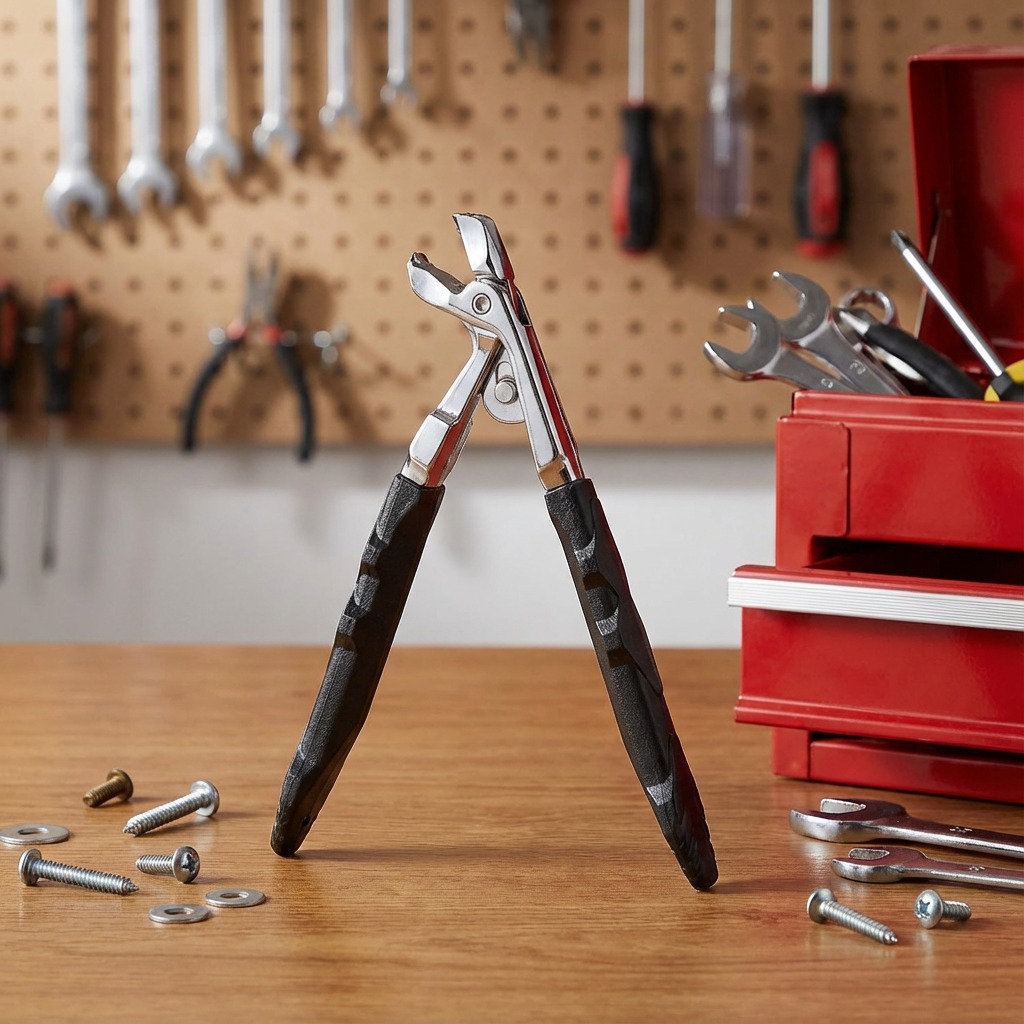
A nail clipper for eyebrow grooming serves a more specific purpose than a general nail tool. Eyebrow and detail grooming require control, visibility, and a clean cutting action. The supplied product information describes a tool inspired by a Heavy Duty Nail Nipper, with an angled jaw, sharp stainless steel blades, and rubberized grips. These features matter because small trimming tasks are unforgiving: a tool that slips, pulls, or blocks visibility can make the experience frustrating.
For professional users, a precision grooming tool can support services that require careful shaping or touch-up work. For retailers, the product can appeal to customers who want a compact tool for controlled at-home maintenance. For wholesale buyers, the value is in positioning: it should not be presented simply as another nail clipper, but as a precision grooming option for delicate trimming tasks.
When evaluating this type of tool, B2B buyers should consider whether the design gives enough control for smaller areas. An angled jaw can help improve access, while rubberized grips may help reduce hand fatigue during repeated use. Stainless steel blades are also relevant for sharpness and cleaning. Product training or sales copy should explain the intended use clearly so customers do not confuse it with a standard toenail or fingernail clipper.
Selection Checklist for Salons, Retailers, and Distributors
Different B2B customers evaluate beauty supplies through different priorities. A salon wants tools that perform reliably during service. A retailer wants products that are easy to display, explain, and sell. A distributor wants consistent supply, practical packaging, and clear product positioning. The same nail clipper or eyebrow grooming tool may work across channels, but the buying criteria should be adjusted for the end use.
| Buyer type | Main concern | What to check before ordering |
|---|---|---|
| Salon or spa | Daily performance and hygiene | Grip comfort, blade alignment, easy cleaning, professional feel |
| Retail brand | Customer appeal and repeat sales | Packaging clarity, product instructions, perceived quality, display format |
| Wholesaler | Range consistency and reorder planning | Product naming, carton organization, stable appearance, inspection standards |
| Private-label buyer | Brand fit and differentiation | ODM design options, logo placement, packaging concept, target user profile |
This checklist helps prevent a common sourcing mistake: choosing a beauty tool only because the sample looks attractive. A good B2B product must work after repeated handling, shipping, display, and customer use. Before adding an item to your line, compare samples under realistic conditions. Open and close the clipper many times, check how it feels in different hand sizes, inspect the cutting edges, and review whether the packaging communicates the use case without overpromising.
Quality Control Questions That Matter
Quality assurance is especially important for small metal grooming tools because defects may be subtle. A minor misalignment can make a clipper cut unevenly. A rough edge can make the product feel unfinished. Weak packaging can lead to scratches or damage before the item reaches the customer. Olimor Beauty’s stated approach includes inspections from raw materials to final packaging, which is the right direction for B2B buyers who need dependable supply.
When comparing beauty tool suppliers, prepare questions that relate to your actual sales channel. Instead of asking only whether a tool is “good quality,” break quality into visible, measurable, and user-focused points. Consider the following sourcing questions:
- How is blade alignment checked during production and before packing?
- What inspection steps are used for surface finish, sharp edges, or cosmetic flaws?
- How are grip parts, such as rubberized areas, reviewed for secure fit and consistent appearance?
- What packaging options are appropriate for retail display, professional supply, or bulk distribution?
- How are samples approved before moving into a customized ODM order?
- What product information should be included so end users understand safe and appropriate use?
These questions help create a more structured sourcing process. They also make it easier for your team to compare products fairly rather than relying on first impressions alone.
Packaging, Positioning, and Product Line Planning
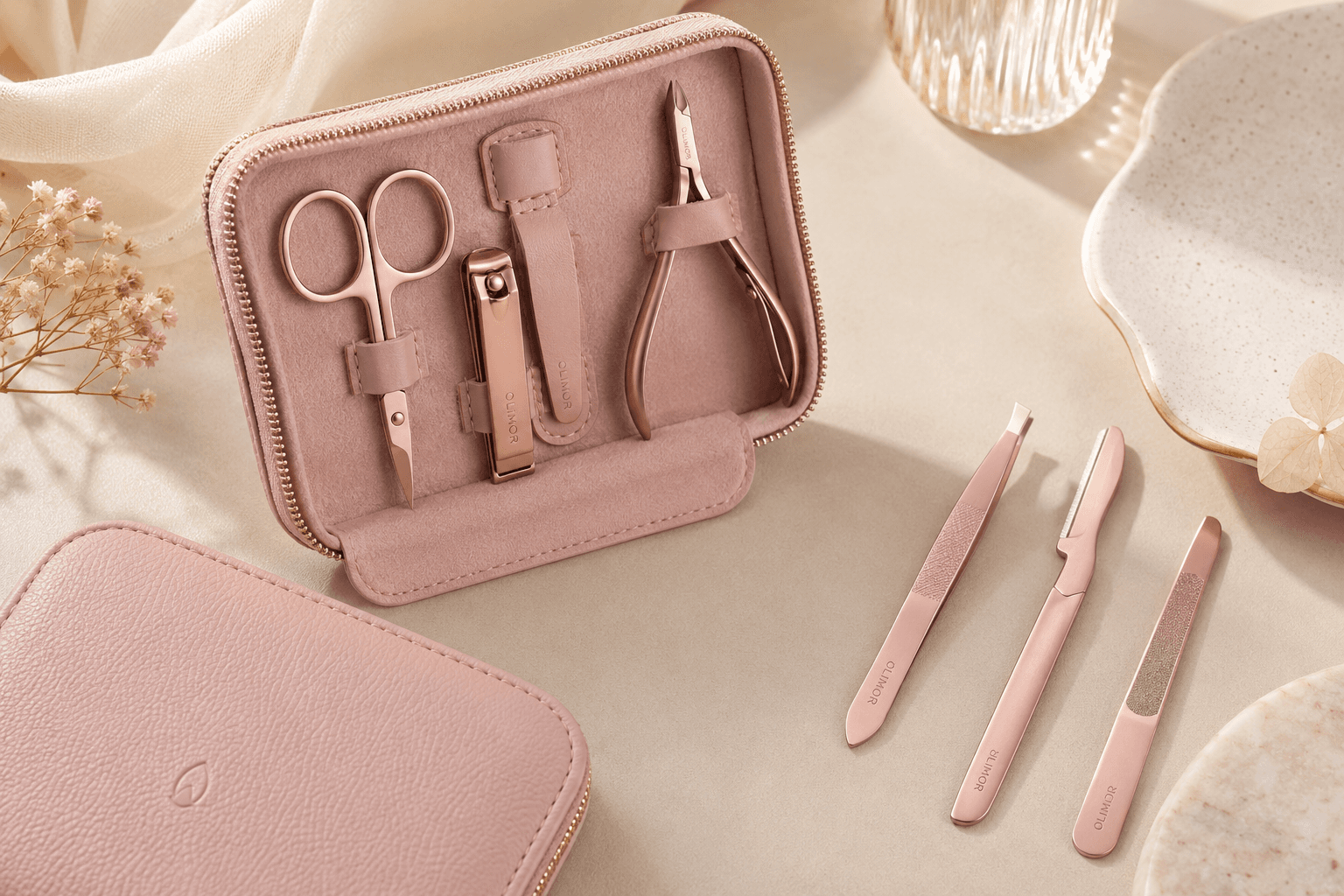
In B2B beauty supplies, packaging is not just decoration. It affects shipping protection, shelf presentation, customer education, and brand trust. For a nail clipper ODM project, packaging should match the intended sales environment. A professional supply channel may prefer practical, space-saving packaging. A retail channel may need clear front-facing product benefits, usage notes, and a visual design that fits the rest of the brand line.
Positioning is also important. A nail clipper for eyebrow grooming should be described as a precision trimming tool for detail work, not as a generic clipper. If it is part of a broader grooming range, consider how it sits beside tweezers, scissors, nail nippers, or manicure tools. The buyer should be able to understand why the tool exists and when to choose it.
For businesses developing a wider assortment, Olimor’s beauty tool products page can be used as a starting point for reviewing available categories. Buyers comparing multiple tool types can also explore product collections to think about how individual items may work together in a retail or professional range.
How to Move from Sample Review to Purchase Decision
A strong purchasing decision should combine product testing, commercial planning, and brand fit. Start with a short list of tools that match your intended customer. Review the sample for cutting feel, grip, finish, cleaning convenience, and packaging. Then consider whether the product can be explained clearly by your sales team, online listing, or retail display. A tool that requires too much explanation may need better packaging or a more focused product name.
If you are planning a customized nail clipper ODM order, document every approved detail before production: tool shape, grip style, blade appearance, logo position, color references if applicable, packaging structure, and final inspection expectations. This reduces misunderstandings and helps keep future reorders consistent.
For salons and distributors, it is also useful to collect feedback from the people who will actually handle the tool. A buyer may focus on specifications, while a technician may notice balance, hand comfort, or cleaning convenience. Combining both viewpoints leads to better sourcing decisions.
Working with Olimor Beauty for B2B Beauty Supplies
Olimor Beauty serves B2B buyers looking for grooming tools that combine practical design with quality-focused production. The company’s offering includes nail clipper ODM services and precision grooming tools such as eyebrow-focused clippers with angled jaws, stainless steel blades, and rubberized grips. For wholesalers, retailers, salons, and private-label brands, the main advantage is the ability to evaluate beauty tools through performance, customization, and packaging needs rather than treating them as generic accessories.
Whether you are adding a single grooming item or planning a private-label tool range, a careful sourcing process will protect your brand and support customer satisfaction. Define the user, test the tool, review the packaging, and confirm the quality checkpoints that matter for your market. To discuss product options or share project requirements, you can contact Olimor or send an inquiry with your intended product type and sales channel.
Tag: