











Eyelash Extension Tweezers: Choosing Precision Tools for Cleaner Lash Application
Eyelash extensions depend on skill, patience and the right hand tools. A lash artist may work with very small fibers for long periods, separating natural lashes, picking up extensions and placing them accurately. When the tweezer does not close evenly, feels unstable or causes hand fatigue, the quality of the set can suffer. That is why eyelash extension tweezers deserve careful attention from salons, training studios, distributors and beauty supply buyers.
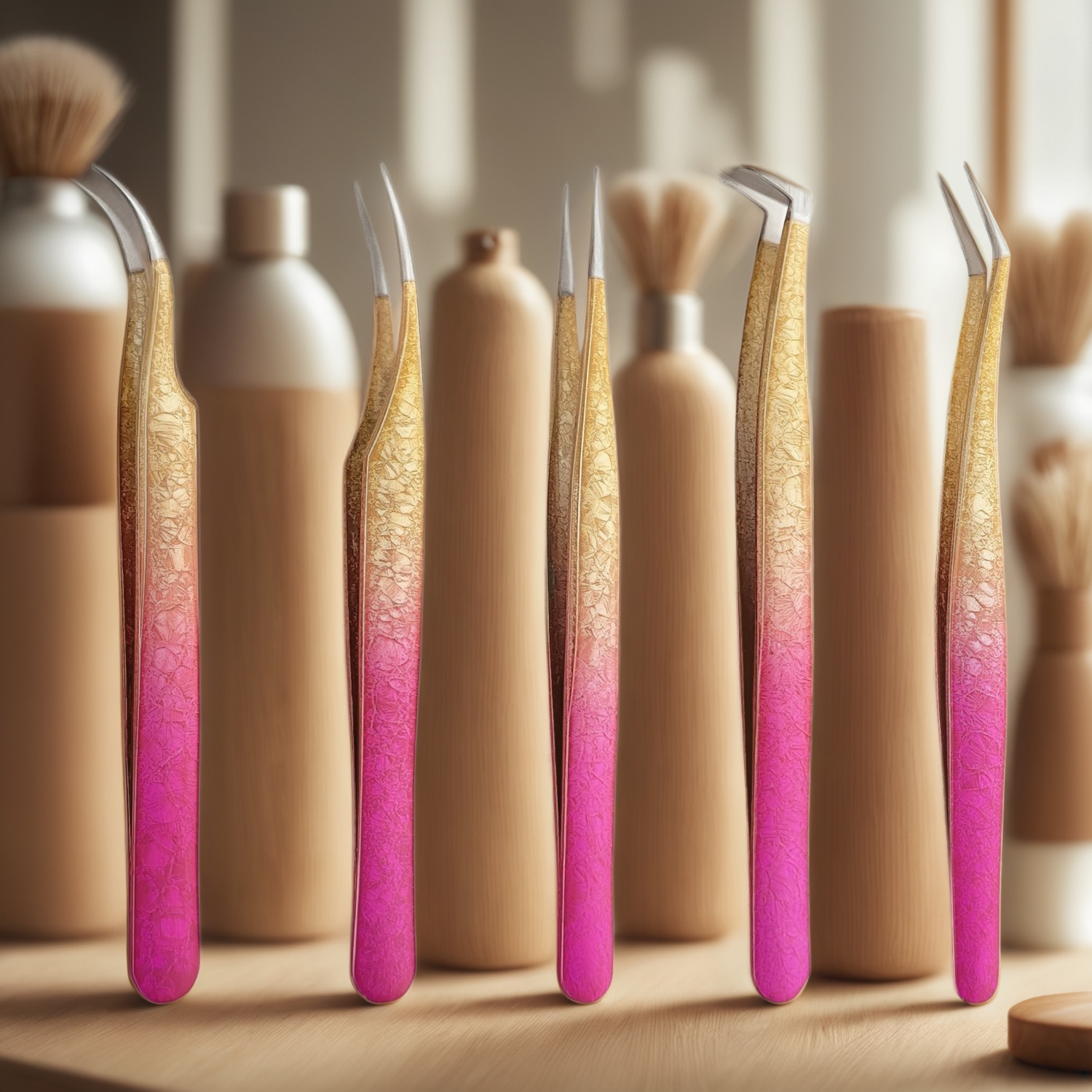
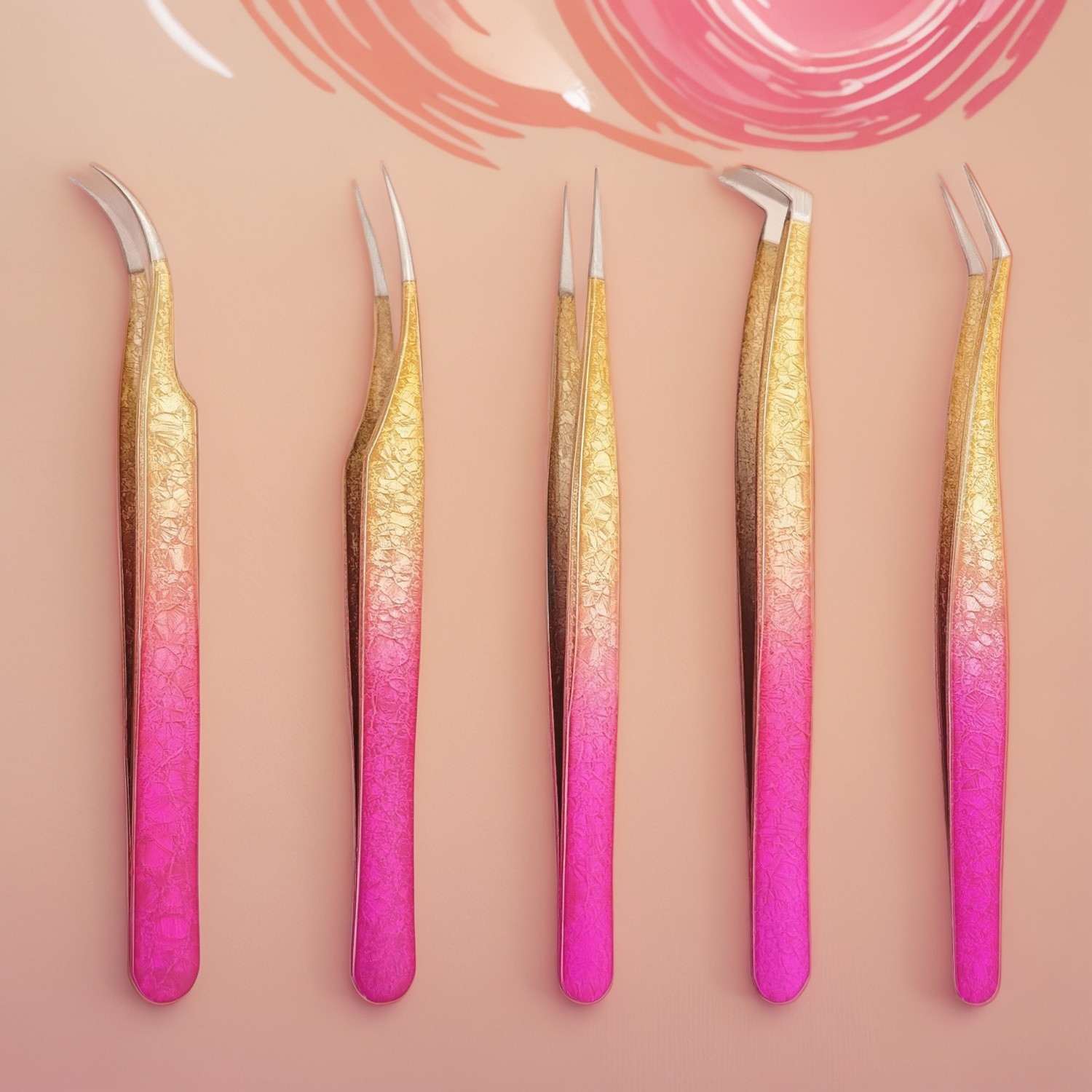
Olimor Beauty offers eyelash extension tweezers designed for precision and ease of use. The tool shown here features an ombre finish that transitions from vibrant magenta pink to a rich golden hue, giving the tweezer a polished appearance while keeping the focus on practical lash work. Its high-grade stainless steel construction and ergonomic design support the handling demands of professional beauty services.
This guide explains what to consider when selecting lash extension tweezers, how different work steps affect tweezer choice and what buyers should review when sourcing tools for salons or B2B beauty supply channels.
Why Tweezers Matter in Eyelash Extension Work
In lash extension services, tweezers are not a secondary accessory. They are the main connection between the artist’s hand and the lash line. A dependable tweezer helps the user isolate a natural lash without pulling surrounding hairs, pick up extensions consistently and place each extension with controlled pressure.
Small changes in tweezer quality can affect the working rhythm. If the tips are not aligned, the artist may need to squeeze harder. If the closing point is inconsistent, lashes may slip during pickup. If the body is uncomfortable, the artist may lose control during longer appointments. These problems can slow down service time and make application less predictable.
For salons and beauty businesses, choosing the right tweezers is also a matter of standardization. When a team uses tools with reliable grip, comfortable handling and clean finishing, it becomes easier to train new artists and maintain consistent service quality. For distributors and B2B buyers, tweezer selection influences customer satisfaction because lash artists usually notice tool performance immediately during daily use.
Key Selection Criteria for Eyelash Extension Tweezers
When reviewing eyelash extension tweezers, buyers should look beyond the color or packaging. Appearance matters for retail presentation, but the tool must first meet practical handling needs. The following criteria are useful for evaluating samples or comparing supplier options.
- Tip alignment: The tips should meet cleanly and evenly. Good alignment helps with controlled lash pickup and isolation.
- Grip consistency: The tweezer should hold fine lash fibers without requiring excessive force. Uneven grip can cause slipping.
- Hand comfort: An ergonomic design is important for lash artists who work through long appointments or multiple clients in one day.
- Material choice: High-grade stainless steel construction is valued for beauty tools because it supports durability and a professional feel.
- Surface finish: A smooth finish should be visually clean and comfortable in the hand, with no rough areas that interfere with use.
- Balance and tension: The tweezer should open and close predictably. Very stiff tension can cause fatigue, while very loose tension can reduce control.
- Packaging condition: For B2B supply, tools should be protected during packing and shipping so that tips remain undamaged.
The ombre magenta-to-gold finish on the Olimor Beauty tweezer gives the product an attractive salon-ready look, but buyers should still evaluate the tweezer with real lash handling movements. The best assessment includes checking the closing point, testing pickup with lash fibers and confirming that the tool remains comfortable during repeated use.
Matching Tweezer Features to Lash Techniques
Different lash techniques place different demands on the tool. A salon may use tweezers for classic application, volume fans, lash separation, removal work or preparation tasks. A single tweezer can be versatile, but professional teams often prefer having multiple shapes and tensions available for different techniques.
For classic eyelash extensions, precision and control are especially important because one extension is typically placed onto one natural lash. The tweezer must support steady pickup and accurate placement. For volume work, pickup behavior becomes even more important because the artist may need to handle several fine extensions together. If the closing point is unreliable, fan creation can become inconsistent.
Isolation work requires a tweezer that allows the user to separate natural lashes safely and clearly. Comfort matters here because the isolation hand often remains active throughout the service. For training environments, durable and easy-to-handle tweezers can help students focus on technique rather than fighting with poorly performing tools.
Because lash artists develop personal preferences, B2B buyers should consider offering or testing tools that support different hand positions. Some users prefer lighter closing tension, while others want a firmer grip. The goal is not to find one universal answer, but to source tools that are consistent, well-finished and suitable for the intended application style.
What to Review Before Bulk or B2B Beauty Tool Orders
For salons, distributors and beauty supply retailers, buying eyelash extension tweezers is different from purchasing a single personal tool. Consistency across units becomes important. A sample may perform well, but the buyer also needs confidence that production and packaging will protect the same quality across larger orders.
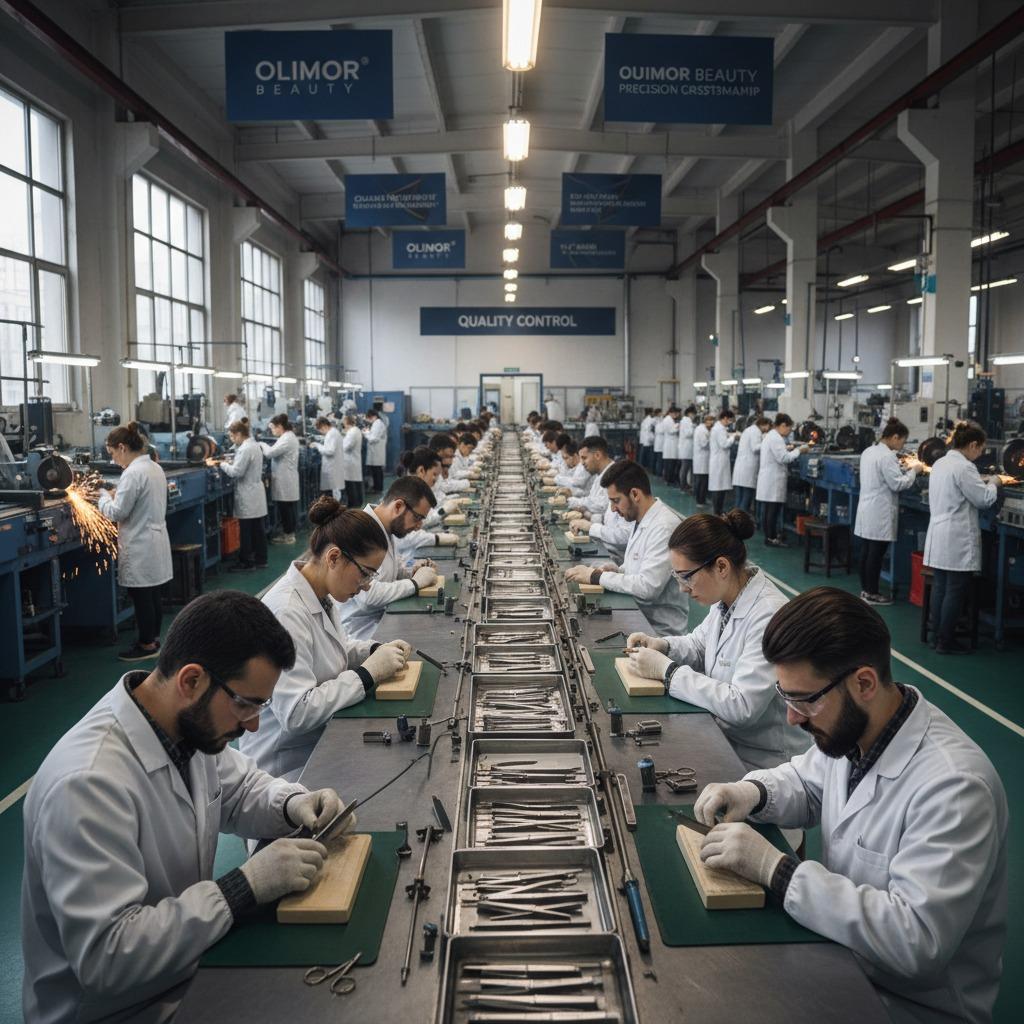
Olimor Beauty emphasizes quality checks from production to packaging. For procurement teams, it is still helpful to create a clear review process before confirming ongoing supply. The checklist below can be used when comparing beauty tool products or preparing internal purchasing standards.
| Review Area | What to Check | Why It Matters |
|---|---|---|
| Tip quality | Even contact, no visible deformation, clean closing point | Supports accurate lash pickup and isolation |
| Material and finish | Stainless steel body, smooth surface, clean ombre coating | Improves durability, comfort and product presentation |
| Hand feel | Balanced body, manageable tension, ergonomic handling | Reduces fatigue during repeated salon use |
| Batch consistency | Compare multiple units, not only one sample | Helps avoid variation in retail or salon supply |
| Packaging protection | Tips protected from bending or impact | Prevents damage before the tool reaches the user |
| Use-case fit | Classic, volume, isolation or training needs | Ensures the tool matches the target customer |
Buyers reviewing broader beauty tool products may also want to compare tweezers with related categories such as scissors, applicators and grooming tools. This helps build a more complete supply plan for salons or retail customers. If you are planning a themed line or multi-tool assortment, browsing Olimor product collections can help organize options by use case.
Care and Maintenance for Longer Tweezer Performance
Even a well-made tweezer can lose performance if it is dropped, stored loosely or cleaned carelessly. The tips are the most delicate part of the tool. A small bend or impact can affect alignment and make lash pickup less reliable. Professional users should treat eyelash extension tweezers as precision instruments, not general-purpose salon accessories.
Good maintenance starts with daily handling habits. Tweezers should be placed on a stable surface when not in use and stored with tip protection whenever possible. They should not be mixed loosely with heavier metal tools because contact can damage the fine tips. After cleaning, the tool should be dried according to the salon’s hygiene procedure to avoid residue or surface issues.
- Inspect before each appointment: Check that the tips meet properly and that no visible damage has occurred.
- Use only for lash work: Avoid using lash tweezers for tasks that may stress or bend the tips.
- Store with protection: Keep the tip area covered or separated from other tools during transport and storage.
- Clean carefully: Follow the salon’s hygiene protocol while avoiding rough scrubbing of the precision tip area.
- Replace when control changes: If lashes begin slipping or the tweezer no longer closes evenly, it may be time to retire it from detailed application work.
For salons with multiple artists, labeling or assigning tweezers can reduce confusion and encourage better care. Training teams should also teach new lash artists how to handle tools properly, because tool damage often happens during cleaning, storage or setup rather than during the application itself.
Sourcing With Olimor Beauty
The right eyelash extension tweezer should combine practical control, reliable construction and a finish suitable for professional beauty environments. Olimor Beauty’s ombre eyelash extension tweezers are designed with precision, ease of use, high-grade stainless steel construction and ergonomic handling in mind. The magenta pink to golden hue also gives the tool a distinctive visual identity for salons and beauty supply displays.
For B2B beauty supplies, the strongest sourcing decisions come from matching product features to the actual user: lash artists who need steady grip, salons that need durable tools, trainers who need consistent student supplies and retailers that need attractive but functional products. Instead of buying based on appearance alone, evaluate how the tweezer performs in pickup, isolation, comfort and packaging protection.
If you are comparing eyelash extension tweezers for salon supply, distribution or beauty tool assortments, you can contact Olimor to discuss available product information or send an inquiry with your intended use, target market and sourcing needs. A clear checklist will help you select tools that support cleaner application work and more confident purchasing decisions.