

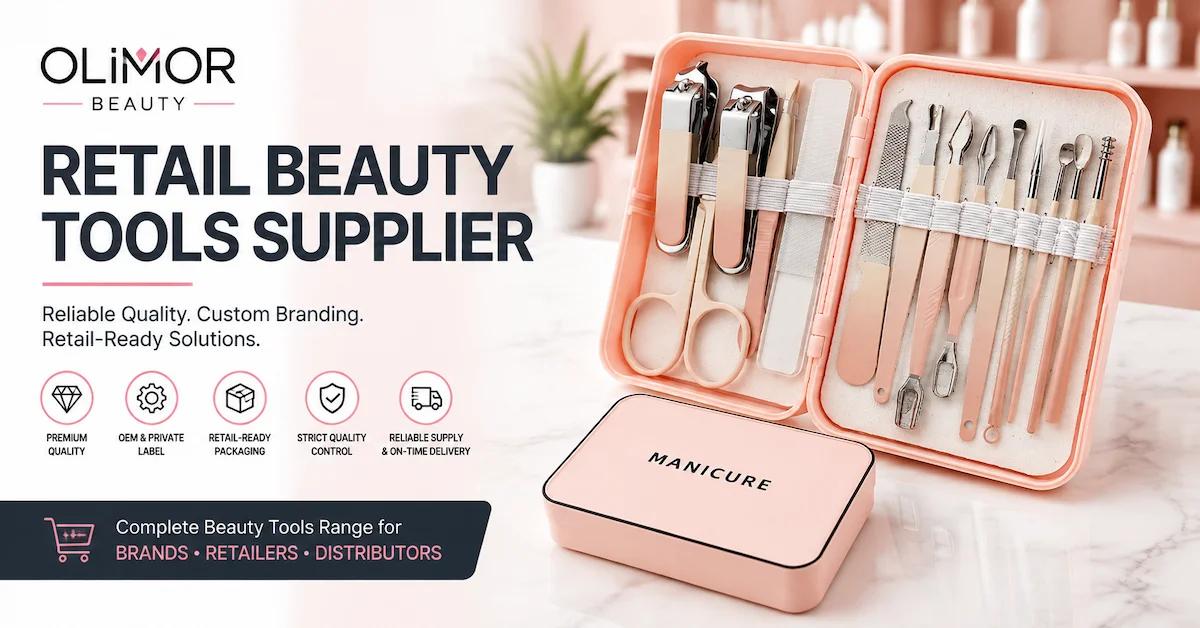
How to Choose a Reliable Retail Beauty Tools Supplier for Your Brand
For retailers, beauty brands, and distributors, selecting a retail beauty tools supplier is not only about finding products at competitive prices. A successful beauty tool collection requires consistent quality, suitable product positioning, attractive packaging, stable supply, and the flexibility to support future product expansion.
Many buyers face the same challenges when sourcing beauty tools:
- How can they identify a reliable manufacturer instead of a simple trading company?
- Which beauty tools are suitable for retail shelves and ecommerce channels?
- How can they ensure product quality remains consistent during repeat orders?
- Can the supplier support private label, custom packaging, and brand development?
A professional beauty tool supplier should help buyers solve these problems through product expertise, manufacturing capability, quality control systems, and customization support.
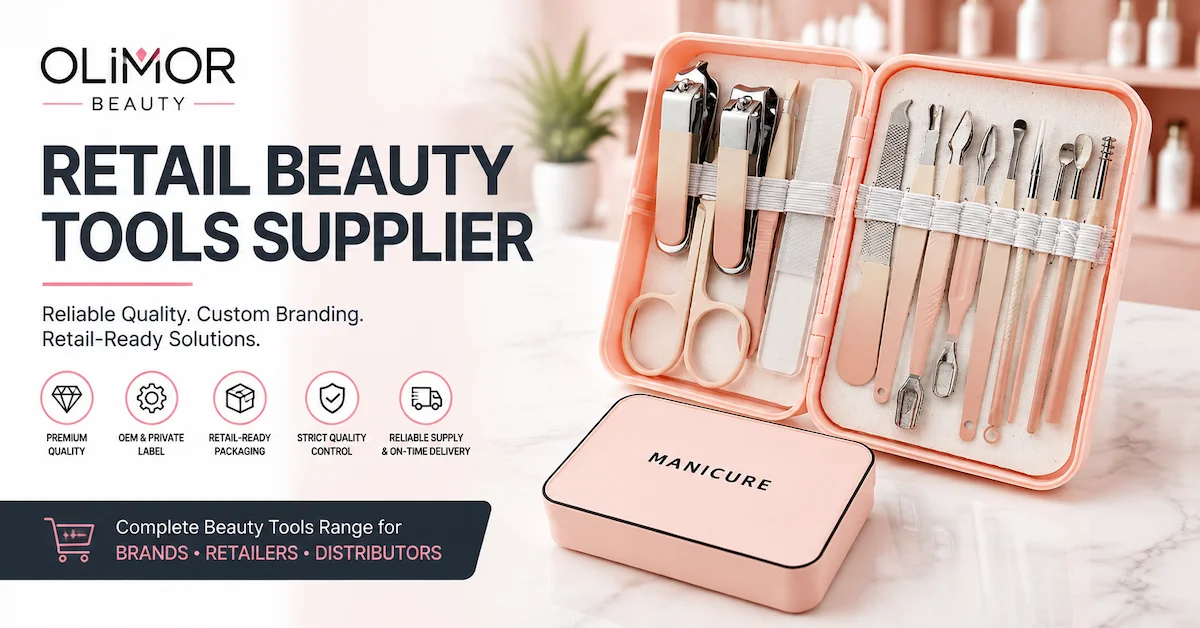
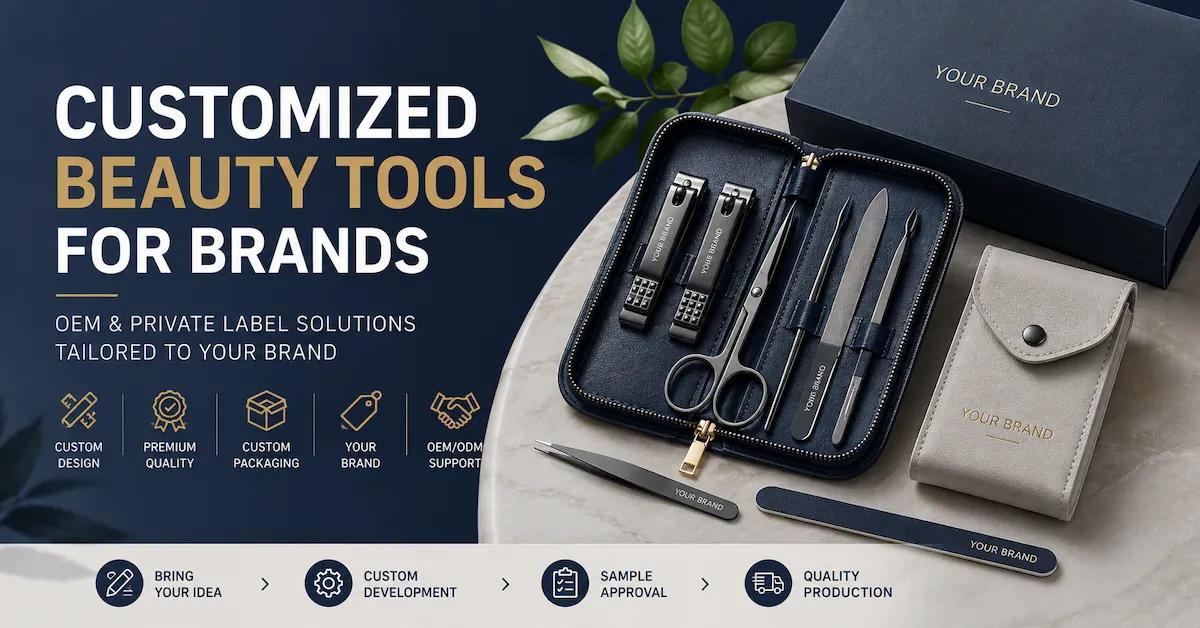
OLIMOR BEAUTY provides a range of professional beauty tools, including Beauty Scissors, Nail Clippers, Nippers, Tweezers, Eyelash Curlers, Manicure Sets, Nail Files, and Facial Tools, supporting different retail, wholesale, and private-label product requirements. (olimor.com)
What Do Retail Buyers Need From a Beauty Tools Supplier?
Retail buyers have different requirements compared with professional salons. While salon buyers often focus on daily performance and durability, retail buyers must also consider:
- Product appearance
- Packaging design
- Customer understanding
- Shelf presentation
- Market positioning
- Repeat purchase potential
- Brand consistency
A suitable supplier should understand the entire retail process, from product selection to final packaging.
For example, a beauty retailer may need:
| Buyer Type | Main Requirement | Suitable Product Direction |
|---|---|---|
| Beauty brand | Brand differentiation and customization | Private label beauty tools |
| Ecommerce seller | Attractive products and reliable reviews | Nail tools, tweezers, beauty accessories |
| Distributor | Stable supply and product variety | Full beauty tool categories |
| Retail chain | Consistent packaging and quality | Standardized product lines |
| Startup brand | Flexible MOQ and market testing | Small collections and custom kits |
A supplier with a broad product range can help buyers create a complete beauty category instead of managing multiple suppliers for every product type.
Which Beauty Tools Are Suitable for Retail Sales?
A successful retail beauty tool collection usually combines high-demand products with products that provide brand differentiation.
Nail Care Tools
Nail-related products are among the most common beauty tool categories for retail channels.
Typical products include:
- Nail clippers
- Cuticle nippers
- Cuticle pushers
- Nail files
- Manicure sets
These products are suitable because they have clear consumer purposes and can be sold individually or as complete kits.
OLIMOR's Nail Care Tools and Manicure Set collection provide different product combinations for retailers looking to develop nail-care assortments. (olimor.com)
Tweezers and Brow Tools
Tweezers are another important retail beauty category because they serve multiple applications:
- Eyebrow shaping
- Facial grooming
- Lash application
- Precision beauty work
Retail buyers should evaluate:
- Tip alignment
- Grip comfort
- Closing pressure
- Surface finishing
- Packaging protection
A tweezer that looks attractive but cannot grip small hairs properly may lead to negative customer feedback.
OLIMOR offers different Tweezers designed for various beauty applications. (olimor.com)
Eyelash and Facial Beauty Tools
Products such as eyelash curlers and facial tools are often selected by beauty brands because they provide strong visual appeal.
Retail evaluation should focus on:
- Product design
- User comfort
- Functional performance
- Packaging presentation
- Brand customization opportunities
For example, eyelash curlers should be evaluated by frame structure, curve design, pad quality, and comfortable handling rather than appearance alone.
How to Evaluate a Beauty Tools Manufacturer Before Ordering
Choosing a supplier requires more than reviewing a product catalog.
A reliable retail beauty tools supplier should demonstrate capability in several areas.
Manufacturing Experience
A manufacturer should understand:
- Metal forming
- Precision grinding
- Polishing
- Assembly
- Surface finishing
- Product inspection
Beauty tools are small precision products. Minor differences in cutting edges, tips, springs, or joints can affect user experience.
Product Development Capability
Retail markets change quickly. Buyers may need:
- New product combinations
- Updated packaging
- Different finishes
- Custom colors
- New retail concepts
A supplier with product development capability can support brands beyond basic catalog purchasing.
Quality Control Capability
Quality should be evaluated throughout production, not only after products are completed.
Important inspection points include:
| Inspection Area | Why It Matters |
|---|---|
| Material inspection | Ensures consistent product foundation |
| Dimension checking | Maintains product consistency |
| Edge/tip inspection | Controls functional performance |
| Surface inspection | Improves appearance and user experience |
| Assembly inspection | Ensures smooth operation |
| Packaging inspection | Protects products during storage and shipping |
For retail products, quality problems can directly affect customer reviews, returns, and brand reputation.
Why Product Consistency Matters for Retail Beauty Brands
One of the biggest challenges in beauty tool sourcing is not receiving one good sample. The challenge is maintaining the same quality across thousands of units.
Retail buyers should consider:
Sample Approval
Before bulk production, confirm:
- Product structure
- Material
- Finish
- Color
- Logo placement
- Packaging
- Functional performance
The approved sample becomes the reference standard for mass production.
Repeat Order Stability
A good supplier should be able to reproduce:
- Same product dimensions
- Same surface finish
- Same packaging appearance
- Same functional performance
This is especially important for retailers because customers expect the same experience when purchasing the same product again.
Packaging Accuracy
Retail beauty tools are highly visual products.
Packaging should communicate:
- Product function
- Brand identity
- Usage information
- Product protection
A strong supplier should be able to coordinate product and packaging together instead of treating them as separate processes.
Tag:
Related articles
- Beauty Tools Sourcing Guide
- OEM & Private Label
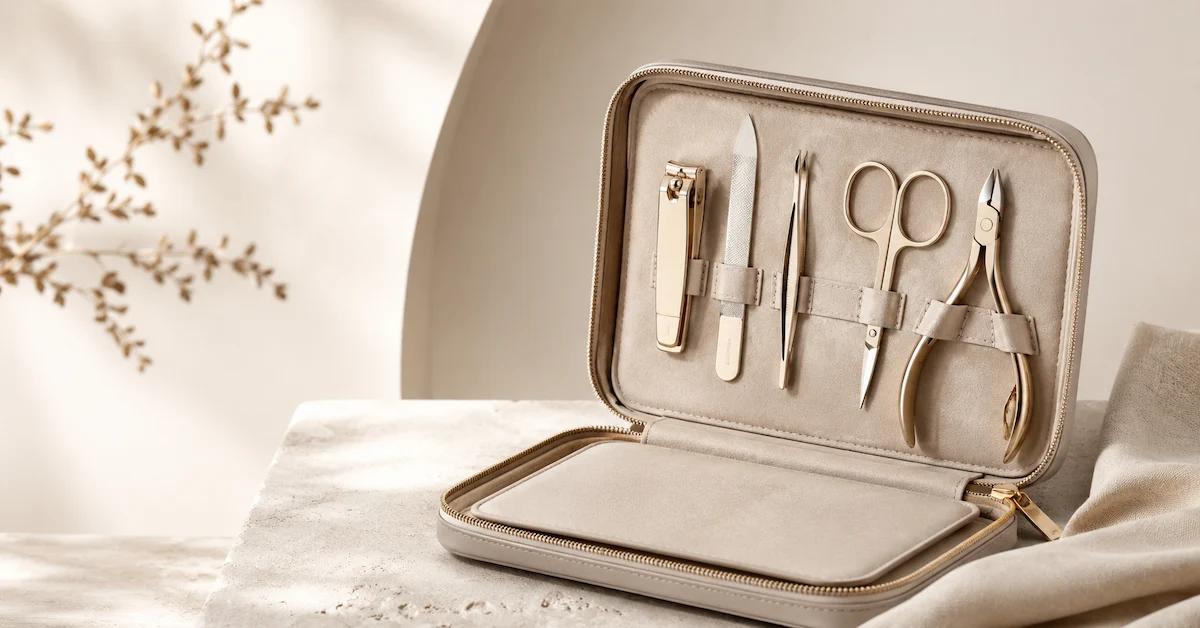
Private Label Grooming Kit Manufacturer: How Brands Build Custom Personal Care Sets
- Beauty Tools Sourcing Guide
- Lash & Brow Tools
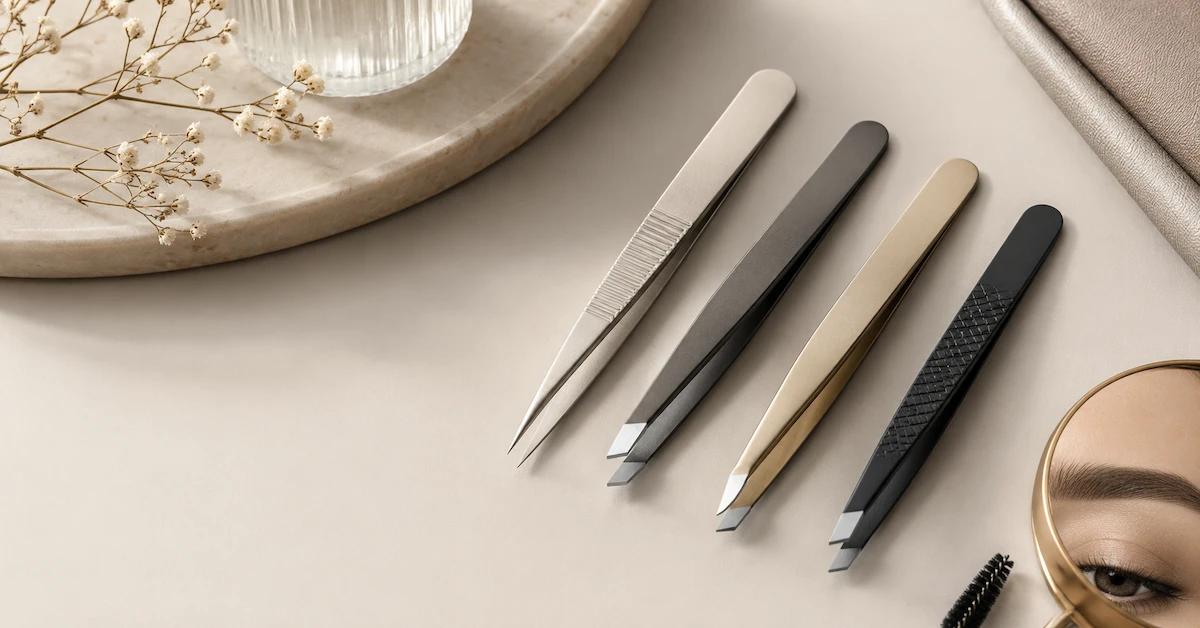
Tweezers for Eyrow Grooming Supplier: B2B Buying Guide for Beauty Brands
- Beauty Tools Sourcing Guide
- OEM & Private Label