Nail Clipper OEM Sourcing: Trends, Production Choices and Customization Priorities
Nail clippers may look simple, but for beauty brands, retailers, salon suppliers and promotional buyers, they are products where small manufacturing decisions make a visible difference. Blade alignment, lever tension, handle comfort, finish quality and packaging all affect how the tool feels in the customer’s hand. That is why nail clipper OEM sourcing is becoming more strategic: buyers are not only looking for a low unit cost, but also for reliable production, consistent appearance and customization options that match their market position.
The current nail clipper OEM market is shaped by several clear forces: demand for personalized grooming tools, continued reliance on efficient China-based production, wider interest in wholesale and bulk purchasing, and a stronger focus on durability and responsible material choices. For brands building or refreshing a grooming line, understanding these trends helps turn a basic item into a product with better sell-through and fewer quality complaints.
Why Nail Clipper OEM Demand Keeps Growing
Beauty and personal care categories have expanded beyond cosmetics into practical grooming essentials. Nail clippers sit at the intersection of hygiene, travel, salon retail and everyday self-care. They are compact, easy to ship, suitable for multipacks or gift sets, and useful across many customer segments. As a result, many brands now include nail clippers in manicure kits, private label grooming assortments, travel sets or retail impulse displays.
OEM production is attractive because it allows a buyer to shape the final product without building a factory or managing every component from scratch. A supplier can produce nail clippers according to the buyer’s intended finish, packaging style and order requirements. For smaller brands, this can create a faster route to market. For established distributors, it supports broader product lines and more consistent replenishment.
The strongest OEM programs usually begin with clear positioning. A salon-focused clipper may prioritize precision and durability. A travel retail clipper may need compact size, protective packaging and a clean visual presentation. A promotional clipper may focus on logo application and price-efficient packaging. The product should not be treated as one universal specification for every channel.
China’s Role in Wholesale Nail Clipper Production
China remains an important manufacturing base for wholesale nail clipper production because the supply chain for beauty tools, metal components, surface finishing and packaging is well developed. Buyers often value this manufacturing ecosystem because it can support different order types, from straightforward bulk replenishment to customized OEM projects.
When comparing a nail clipper China manufacturer, buyers should look beyond a catalog image. The practical questions are whether the supplier understands export expectations, can maintain appearance consistency between batches and can support a quality control process from raw material inspection to final packaging. Olimor Beauty works in the beauty tool category and presents nail clippers as part of a broader sourcing conversation around technical precision, stainless steel construction, ergonomic handles, matte finishes and reliable grooming performance.
For buyers reviewing beauty tool products, it is useful to evaluate nail clippers alongside related items such as manicure tools, tweezers or grooming accessories. A supplier that understands multiple beauty tool categories may be better positioned to help buyers create a coherent retail range instead of isolated single-item purchases.
Key Product Details That Affect User Experience
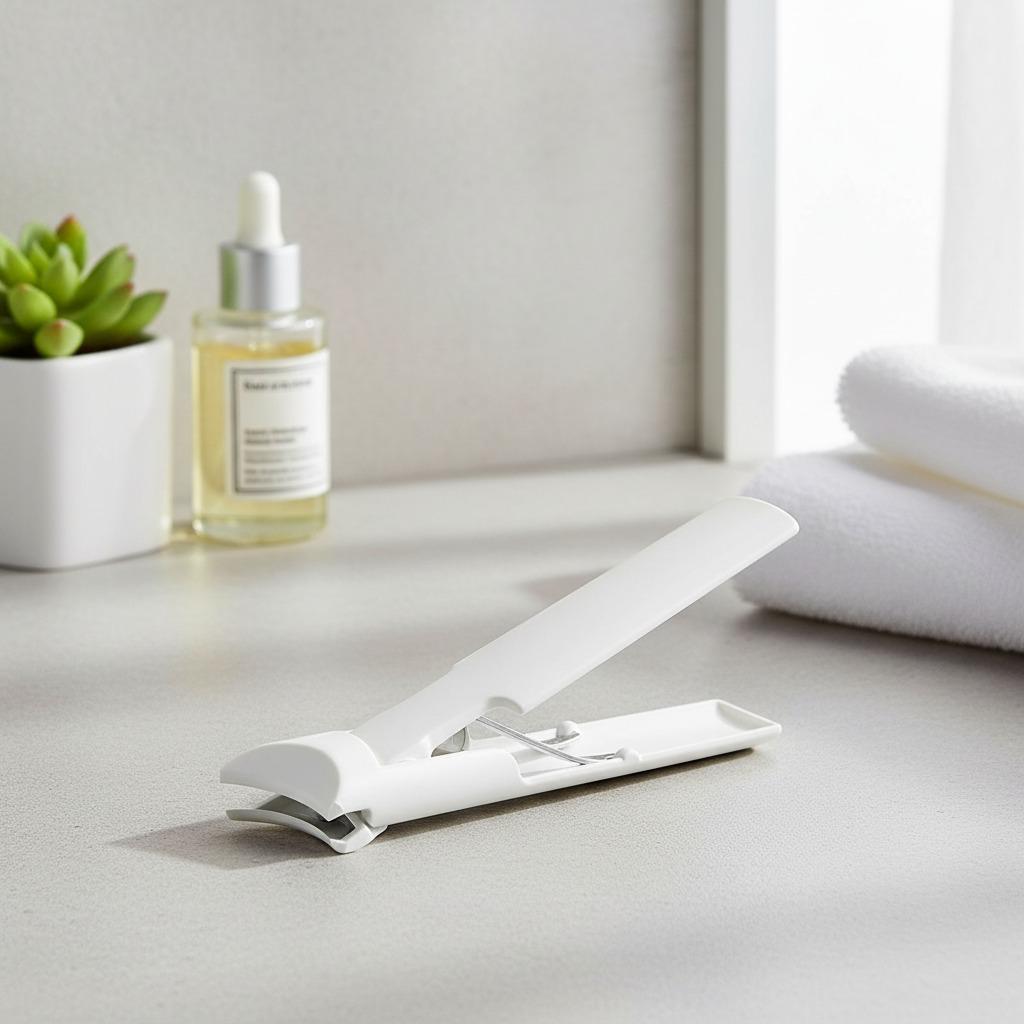
A nail clipper’s performance depends on several details that customers notice immediately. Even when two products look similar, differences in blade geometry, handle leverage and finishing can change the way the clipper cuts and how long it remains comfortable to use.
- Cutting edge alignment: The upper and lower cutting edges should meet evenly. Poor alignment can crush or tear the nail instead of producing a controlled cut.
- Lever mechanism: A smooth lever helps users apply pressure with control. Excessive looseness feels cheap, while excessive stiffness can make the clipper uncomfortable.
- Material choice: Stainless steel is commonly valued in grooming tools because it supports durability and a clean appearance when properly processed and maintained.
- Handle ergonomics: Ergonomic handles can improve grip and reduce slipping, especially for frequent-use retail or salon applications.
- Surface finish: Matte finishes can create a modern look and reduce visible fingerprints compared with highly reflective surfaces, depending on the final treatment.
- Edge finishing: Corners and contact points should feel smooth. Rough edges can make an otherwise functional product feel poorly made.
- Packaging fit: Packaging should protect the cutting edges, present the item cleanly and match the selling channel, whether retail shelf, e-commerce or kit assembly.
Bulk Purchasing Is Becoming More Flexible
The wholesale nail clipper market is no longer limited to very large buyers purchasing identical stock items. E-commerce brands, regional distributors, subscription kit companies and specialty retailers often need more flexible sourcing models. They may start with a focused product test, then scale once they confirm demand. This shift has increased interest in nail clipper bulk suppliers that can discuss different purchasing paths, including low MOQ nail clipper options where available.
Flexibility should still be balanced with production efficiency. Highly customized projects often require more planning than stock or lightly customized orders. A buyer who wants a unique finish, private label packaging and logo application should allow time for sample review, packaging confirmation and pre-shipment inspection. A buyer who needs faster replenishment may choose a standard clipper with simpler packaging and fewer variables.
Before placing a bulk order, brands should prepare the following information:
- Target sales channel, such as salon retail, e-commerce, travel kit, supermarket, promotional gift or private label manicure set.
- Preferred product style, including size, shape, finish and handle feel.
- Branding needs, such as logo placement, packaging artwork or barcode requirements.
- Expected order quantity range and repeat-order potential.
- Quality priorities, including blade sharpness, lever feel, surface finish and packaging protection.
- Destination market requirements, including language, labeling or importer documentation needs.
Providing these details early helps a supplier recommend a realistic production route. If you are preparing a new sourcing project, you can send an inquiry with your intended market, quantity range and customization goals.
Customization Options That Matter for Brand Positioning
Customization should do more than add a logo. For nail clippers, the most effective OEM decisions connect product function, visual identity and retail use. A matte finish may suit a modern minimalist beauty brand, while a clean stainless steel look may work well for a professional grooming line. Packaging can also influence perceived value: a clipper sold as a standalone retail product usually needs stronger shelf presentation than one included inside a kit.
Common customization areas include finish selection, packaging structure, printed inserts, logo application and set configuration. The best choices depend on whether the buyer needs a premium appearance, a cost-efficient multipack, a salon supply item or a compact travel accessory. Instead of adding every possible customization, brands should focus on the few details that their customers will actually notice and value.
A practical way to compare options is to map customization decisions against the sales goal:
| Sales goal | Useful OEM focus | Buyer caution |
|---|---|---|
| Salon retail | Consistent cutting performance, durable feel, clean finish | Avoid packaging that looks attractive but does not protect the tool |
| E-commerce | Photo-ready finish, secure packaging, clear product description | Confirm packaging can handle shipping and handling |
| Travel or gift set | Compact format, coordinated appearance, safe storage | Check that the clipper fits the full kit layout |
| Promotional program | Logo visibility, efficient packaging, predictable batch appearance | Keep branding simple enough for consistent production |
Quality Control Questions for OEM Nail Clippers
Because nail clippers involve cutting performance, quality control should be more specific than a visual inspection. A buyer should define what is acceptable before production begins. This can include the expected feel of the lever, the consistency of the finish, the smoothness of edges and the protection provided by packaging. For large or repeat orders, keeping an approved sample as a reference can reduce misunderstanding.
Useful checkpoints include raw material inspection, in-process appearance checks, cutting performance review, assembly consistency, logo and packaging verification, and final carton inspection. These steps help prevent common problems such as uneven finishes, misaligned cutting edges, loose levers, scratched surfaces or packaging errors. No inspection plan removes every risk, but a clear checklist improves accountability and makes comparison between suppliers easier.
Buyers should also think about product care instructions. Nail clippers last longer when kept clean and dry, wiped after use and stored away from harsh moisture. If a product is sold to consumers, basic care guidance on the package or insert can reduce avoidable complaints and support a better user experience.
Sustainability and Long-Term Sourcing Priorities
Sustainability in nail clipper OEM sourcing is often less about dramatic claims and more about practical decisions: durable tools that do not need frequent replacement, packaging that avoids unnecessary bulk, and production planning that reduces avoidable waste. Brands should be careful with broad environmental statements unless they have documentation to support them. However, they can still make responsible choices by selecting suitable materials, minimizing excess packaging and ordering in a way that matches realistic demand.
Long-term sourcing also depends on communication. A reliable OEM relationship should allow the buyer to refine specifications over time, respond to market feedback and maintain consistency as orders repeat. For brands expanding into related grooming items, reviewing product collections can help identify complementary tools that fit the same visual and quality direction.
Nail clipper OEM sourcing is ultimately about matching a small tool to a clear business purpose. The best outcomes come from defining the user, selecting the right performance details, planning customization carefully and confirming quality expectations before bulk production. Whether you are building a private label manicure range or comparing wholesale nail clipper options for distribution, Olimor Beauty can support a practical discussion around product direction and sourcing needs. To discuss a project, contact Olimor with your requirements and target market.
Tag: