Nail Clipper OEM in China: Trends, Opportunities, and Buyer Checks
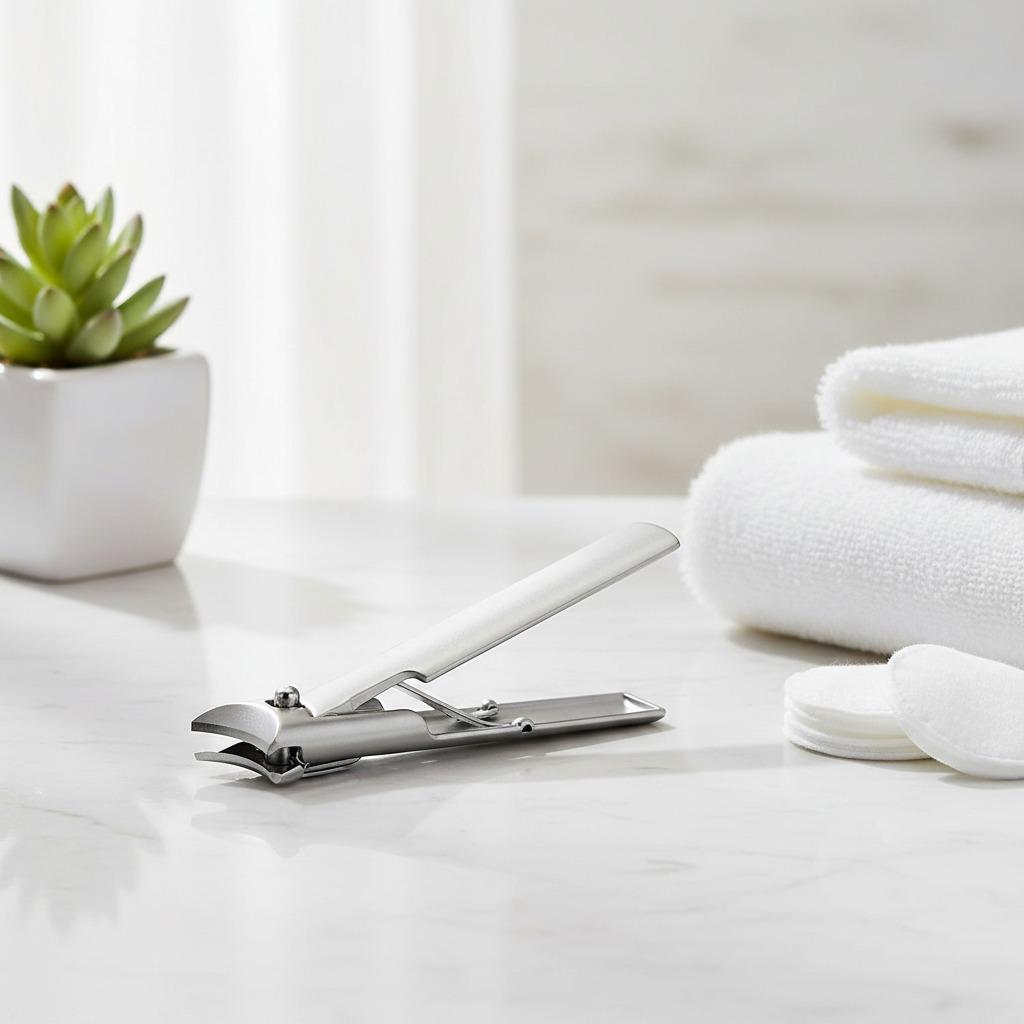
Nail clippers remain one of the most practical items in personal care, travel kits, manicure sets, retail checkout displays, and promotional grooming packs. Because the product is familiar, buyers sometimes treat sourcing as a simple price comparison. In reality, nail clipper OEM purchasing involves several decisions that affect user comfort, cutting performance, packaging appeal, and long-term repeat orders.
For beauty brands, importers, distributors, salons, and e-commerce sellers, China continues to be an important sourcing destination for grooming tools. The opportunity is not only low-cost production. It is the ability to combine metal processing, finishing, packaging, and custom branding into a product that fits a clear market position. Whether you are building a basic retail line, a travel grooming set, or a private-label manicure accessory, the best results come from understanding what to evaluate before placing a bulk order.
Why Nail Clipper OEM Demand Remains Strong
The nail clipper category is stable because it solves a simple, repeatable need. Consumers replace clippers when they become dull, lose alignment, rust, or no longer feel comfortable to use. Retailers also like the category because clippers are compact, easy to ship, and suitable for multiple sales channels, including beauty stores, pharmacies, supermarkets, online marketplaces, hotel amenities, and gift sets.
OEM demand is also supported by the growth of private-label grooming. Many brands do not need to develop a completely new mechanism. Instead, they need a reliable clipper form, a suitable finish, and brand packaging that communicates quality at the right price point. This is where an experienced manufacturing partner can help buyers compare handle styles, cutting shapes, plating or polishing options, and packaging formats without overcomplicating the product.
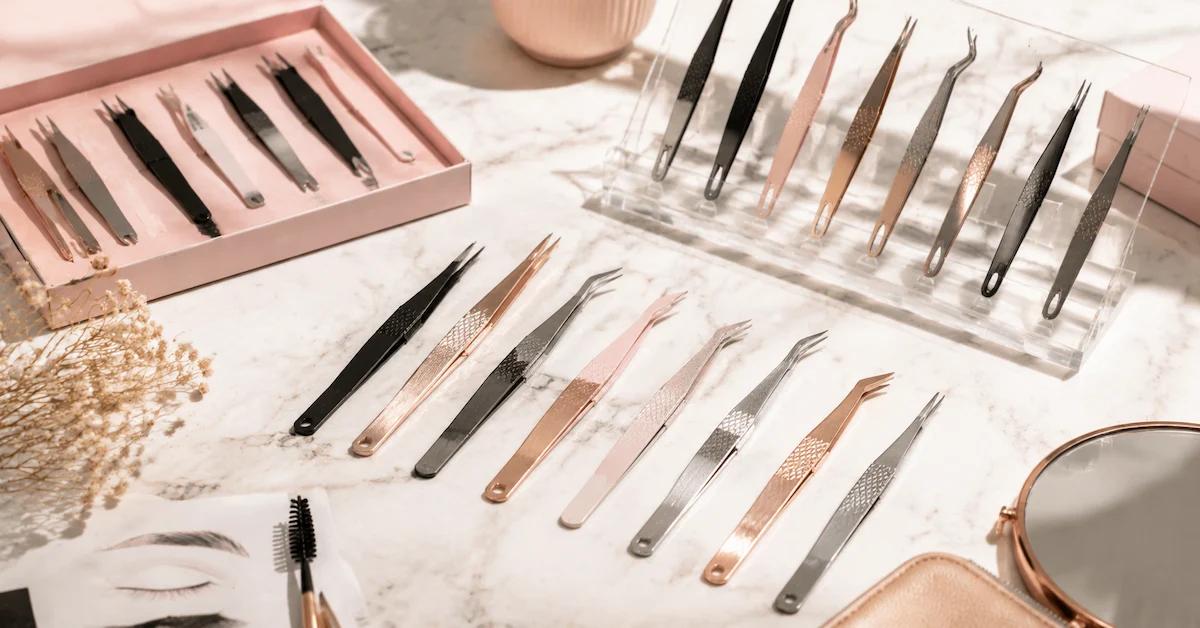
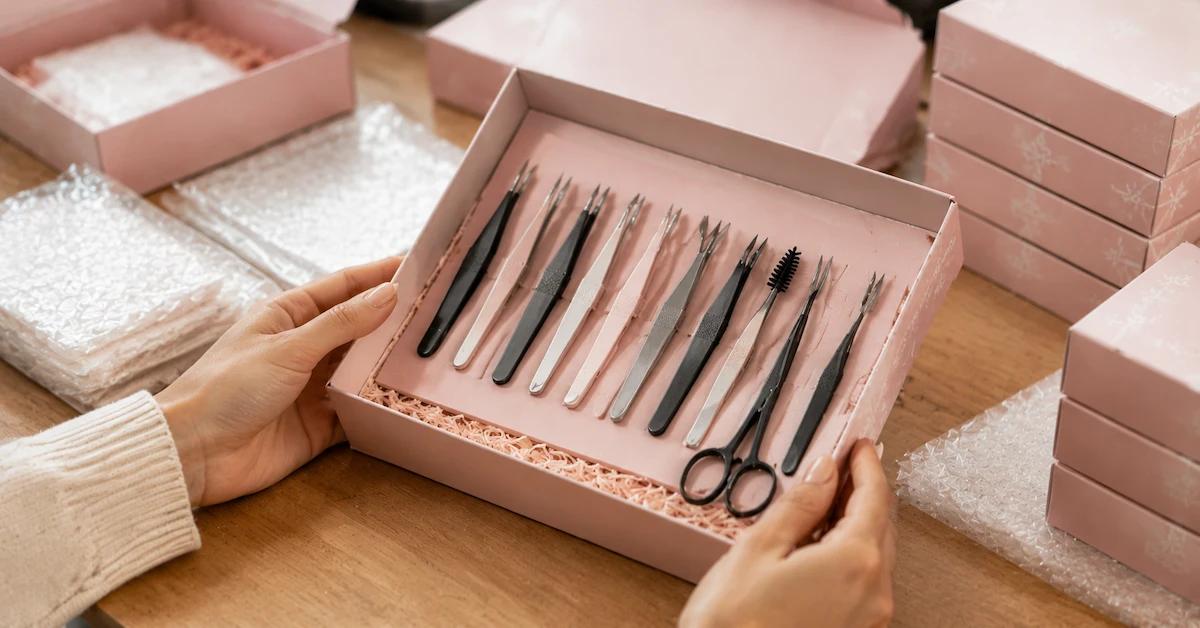
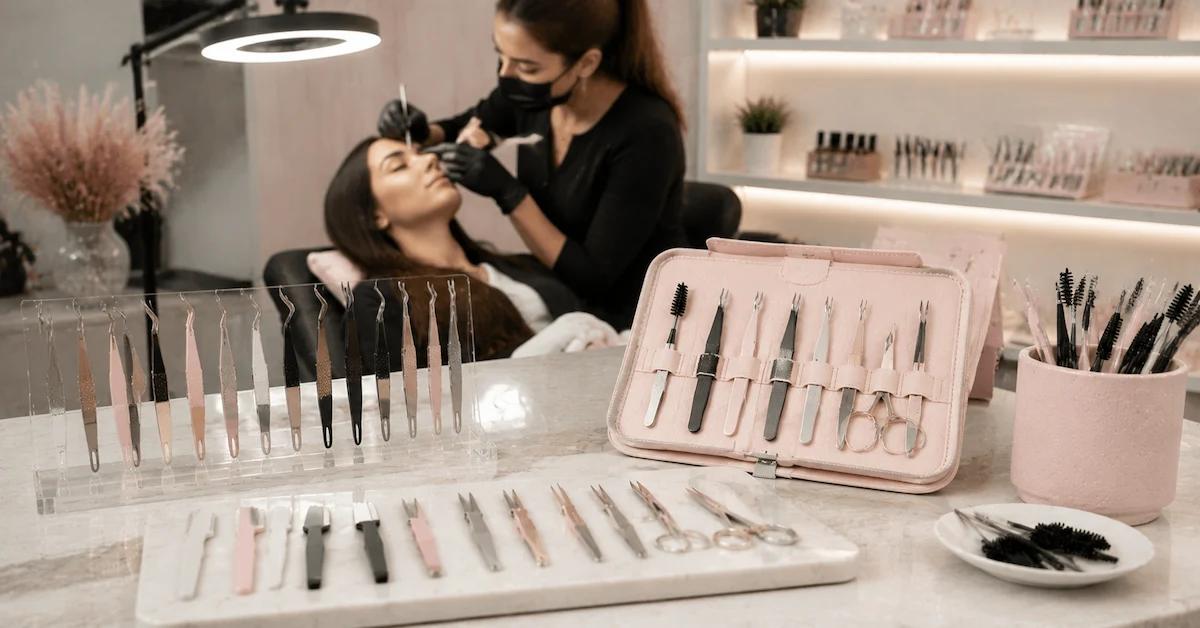
For companies reviewing beauty tool products, nail clippers can be a useful entry product or an add-on to a larger grooming range. They pair naturally with nail files, tweezers, cuticle pushers, scissors, and manicure sets, making them a flexible SKU for both standalone and bundled sales.
Key Product Decisions Before Requesting a Quotation
A strong OEM inquiry starts with more than a target unit price. Nail clippers look similar at first glance, but small differences can change the final user experience. Before comparing suppliers, define the purpose of the product and the market you want to serve.
- Target user: adult fingernails, toenails, travel use, salon resale, family grooming kits, or promotional items.
- Clipper size: smaller clippers are portable and cost-efficient; larger clippers can feel stronger and are often preferred for toenails.
- Cutting edge shape: curved edges are common for fingernails, while straighter or wider edges may suit toenail use.
- Handle feel: buyers should compare leverage, grip texture, and whether the handle is comfortable during repeated use.
- Finish: polished, brushed, coated, or plated finishes affect appearance, perceived value, and maintenance expectations.
- Branding position: logo placement, packaging artwork, and set combinations should match the sales channel.
These points help prevent a common sourcing problem: approving a sample that looks good in photos but does not match the actual customer use case. A nail clipper sold in a premium manicure set may need a different finish and packaging than a clipper intended for high-volume discount retail.
What to Check in Nail Clipper Quality
Quality in a nail clipper is measured by consistency, not just appearance. A shiny surface can attract attention, but the buyer should also consider alignment, cutting performance, and durability in ordinary use. When reviewing samples, test more than one piece. A single sample can be helpful for confirming shape, but multiple samples reveal whether production is consistent.
Useful sample checks include opening and closing the lever repeatedly, clipping different nail thicknesses, inspecting whether the two cutting edges meet evenly, and checking if the clipper leaves a clean cut rather than tearing or crushing the nail. The pin, lever, and body should feel stable. Edges that are too sharp outside the cutting area can create discomfort, while dull cutting edges reduce user satisfaction quickly.
| Quality Area | What Buyers Should Review | Why It Matters |
|---|---|---|
| Edge alignment | Check whether the upper and lower blades meet evenly across the cutting surface. | Poor alignment can cause uneven cutting, nail splitting, or returns. |
| Lever action | Open and press the lever several times to feel resistance and stability. | A smooth action makes the clipper easier to use and improves perceived quality. |
| Surface finish | Inspect for scratches, rough spots, stains, or inconsistent coating. | Visible defects reduce shelf appeal and can damage brand trust. |
| Body strength | Assess whether the frame bends under normal pressure. | A weak body affects cutting force and long-term reliability. |
| Packaging fit | Confirm the clipper is held securely and does not rub or move excessively. | Good packaging protects the finish during shipping and storage. |
OEM Customization: Useful Options Without Overdesigning
Customization should make the product easier to sell, easier to recognize, or better suited to the target user. Not every market needs a highly customized tool. For many wholesale nail clipper projects, the most valuable OEM choices are practical: logo application, finish selection, packaging, and assortment planning.
Logo placement may be possible on the lever, body, or packaging depending on the design. Packaging choices can include simple cards, individual boxes, blister-style retail formats, travel pouches, or inclusion in a grooming set. The right packaging depends on where the product will be displayed and how much information the consumer needs before buying.
Buyers should also consider whether the clipper will be sold alone or as part of a coordinated line. If a retailer is building a beauty accessory section, consistent packaging across tweezers, scissors, files, and clippers can make the shelf look more organized. If you are planning a wider range, browsing Olimor product collections can help you think about how nail clippers may fit into a broader personal care assortment.
Bulk Buying and Low-MOQ Conversations
Bulk buying can improve unit economics, but a larger order is only beneficial when the product and packaging have been properly confirmed. For new brands, low-MOQ discussions can be useful for market testing, but the buyer still needs realistic expectations. Smaller orders may have fewer customization choices or higher unit costs, while larger orders may offer more flexibility in packaging and branding.
Instead of focusing only on the lowest opening quantity, compare the total sourcing picture. Consider sample development time, artwork approval, packaging structure, carton packing, shipping method, and the cost of correcting mistakes. A slightly higher unit cost may be reasonable if it reduces quality risk, improves packaging presentation, or supports clearer communication during production.
When preparing an inquiry, include the intended order quantity range, target market, desired packaging, logo requirements, and any reference images or performance expectations. This helps the supplier respond with relevant options rather than a generic price list. If you already know your distribution channel, mention whether the product is for online retail, supermarket shelves, salon resale, promotional use, or inclusion in a kit.
Sustainability and Material Questions Buyers Are Asking
Many buyers are reviewing the environmental impact of packaging and material choices. In the nail clipper category, sustainability often starts with reducing unnecessary packaging volume, choosing recyclable paper-based packaging where suitable, and avoiding overly complex packaging that is difficult to separate after use. A durable clipper also supports sustainability because products that stay sharp and functional longer are less likely to be replaced quickly.
Material and finish questions should be handled carefully. Different markets may have different expectations for corrosion resistance, labeling, and packaging information. Buyers should confirm what claims will appear on the packaging and avoid statements that cannot be supported. If a product is positioned as premium, the construction, finish, and packaging should all support that position consistently.
How to Compare Nail Clipper China Manufacturers
Choosing a nail clipper China manufacturer should not be based only on who sends the fastest quotation. A better comparison looks at communication, sample accuracy, production understanding, packaging support, and quality control process. The supplier should be able to discuss practical manufacturing questions clearly, including how samples are approved, how appearance defects are judged, and how packaging artwork is confirmed before production.
A useful supplier evaluation checklist includes:
- Confirm whether the supplier understands the exact product use: fingernail, toenail, travel, retail, or set component.
- Request clear sample photos or physical samples before confirming bulk production.
- Review logo size, placement, and packaging artwork carefully before approval.
- Define acceptable appearance standards for scratches, marks, coating consistency, and packaging damage.
- Check carton packing and protection so finished clippers do not rub during transport.
- Keep one approved sample as the reference for future production comparison.
Olimor Beauty works with buyers looking for beauty tools and grooming accessories for different sales channels. To discuss a nail clipper OEM project, you can send an inquiry with your quantity range, packaging plan, and branding needs. If your project requires broader product planning, you may also contact Olimor for guidance on the best starting points.
Building a Nail Clipper Line That Can Sell Repeatedly
The best nail clipper OEM projects are built around repeatable value. A buyer should be able to reorder the same product with consistent appearance and performance, while also expanding into related items when demand grows. That requires clear specifications, organized artwork files, practical quality expectations, and a supplier relationship that supports both first orders and follow-up orders.
For retailers and brand owners, the opportunity in nail clippers is not about adding another generic grooming tool. It is about selecting a product that fits the customer, packaging it clearly, and maintaining reliable quality from sample approval to bulk delivery. With the right sourcing decisions, nail clippers can become a dependable part of a beauty tool range, a travel grooming offer, or a private-label personal care program.
Tag: