Nail Clipper OEM Sourcing in China: What Beauty Brands Should Evaluate
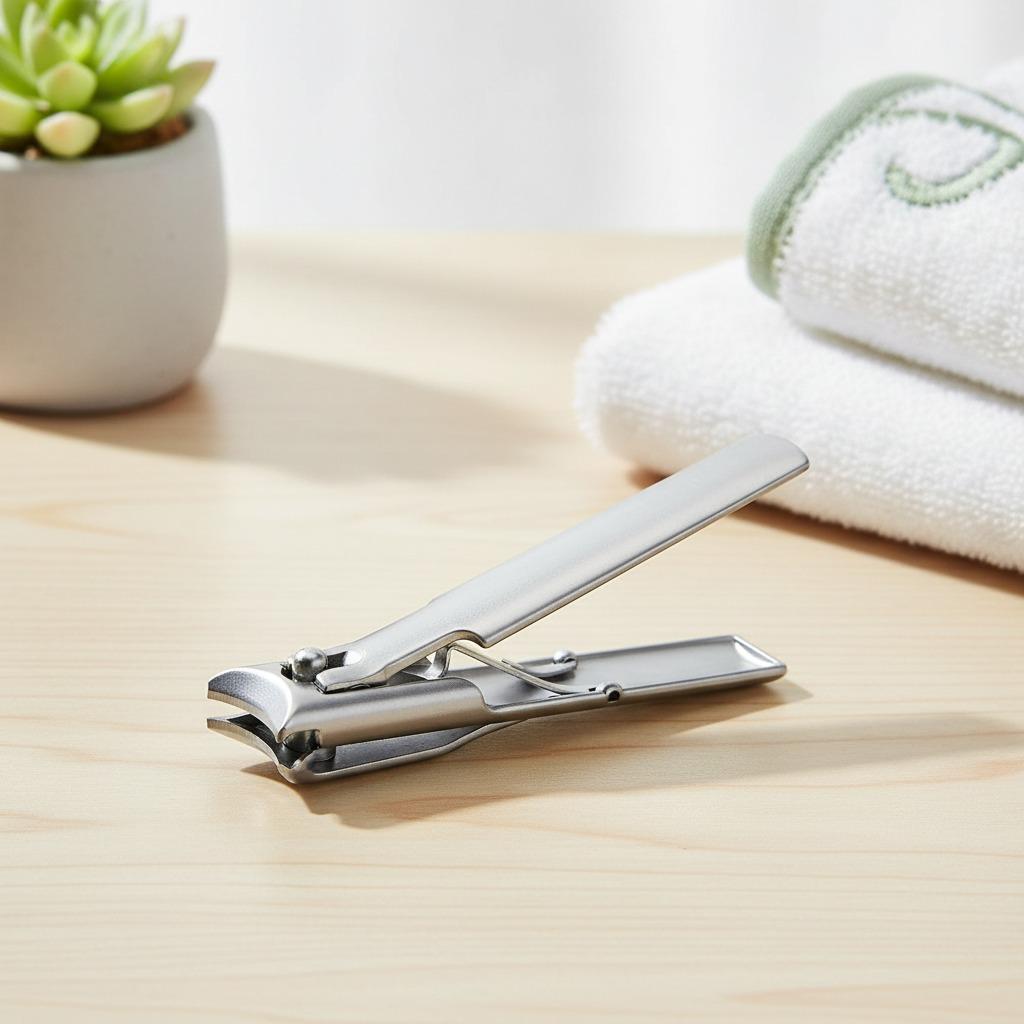
Nail clippers look simple, but buyers who source them at scale know that small differences in steel quality, blade alignment, spring tension, finishing, packaging, and inspection standards can determine whether a product feels reliable or disappointing. For beauty brands, retailers, promotional product companies, and grooming tool distributors, nail clipper OEM sourcing is less about finding the lowest unit price and more about building a repeatable product that cuts cleanly, looks consistent, and fits the expectations of the end customer.
China remains a major sourcing base for nail clippers because of its established metalworking supply chains, packaging options, and experience with high-volume personal care accessories. However, the market is changing. Buyers are no longer asking only for standard chrome clippers in bulk cartons. They are looking for private label packaging, different finishes, ergonomic shapes, travel-friendly formats, and coordinated grooming sets that can be sold through e-commerce, salons, pharmacies, gift channels, and beauty retailers.
This guide explains the current OEM trends and the practical criteria that buyers can use when comparing a nail clipper China manufacturer or bulk supplier. If you are reviewing beauty tool categories more broadly, you can also explore Olimor Beauty's beauty tool products and product collections for related sourcing context.
Why Nail Clipper OEM Demand Is Becoming More Specialized
The OEM market is moving from basic commodity purchasing toward more defined product positioning. A buyer sourcing for a pharmacy chain may prioritize clean packaging, dependable cutting, and value pricing. A beauty brand may focus on finish, hand feel, and a premium unboxing experience. An e-commerce seller may need compact packaging, barcode placement, and product variations that are easy to photograph and differentiate online.
Several trends are shaping nail clipper OEM development:
- Private label presentation: Buyers want logo application, retail packaging, and visual consistency across multiple grooming tools.
- Functional differentiation: Curved blades, straight-edge options, attached files, keychain formats, and compact travel sizes help products serve different use cases.
- Improved hand feel: Lever shape, grip texture, clipper thickness, and pressure required to cut all affect consumer perception.
- Finish variety: Matte, polished, colored, coated, or printed surfaces allow buyers to match a brand style without changing the core function.
- Smaller test orders: New brands and online sellers often prefer trial quantities before committing to larger bulk programs.
These changes mean that a useful OEM discussion should begin with the target customer and sales channel, not with a catalog item alone. A nail clipper for salon resale, hotel amenity kits, men’s grooming sets, children’s care kits, or travel retail may require different design and packaging priorities.
What to Check When Comparing China Nail Clipper Manufacturers
Many suppliers can offer nail clippers, but not every supplier is suited to OEM development. A strong manufacturer should be able to explain the production workflow, acceptable tolerances, packaging options, inspection process, and how samples are reviewed before mass production. Buyers should compare suppliers using practical questions rather than relying only on product photos.
Key evaluation points include:
- Material and blade performance: Confirm what material is proposed, how blade sharpness is controlled, and whether the clipper can cut cleanly without tearing or splitting the nail.
- Blade alignment: The upper and lower cutting edges should meet evenly. Misalignment can cause poor cutting and customer complaints.
- Lever tension: The clipper should not feel loose, but it also should not require excessive force. Consistent tension is important across a bulk order.
- Surface finishing: Check for burrs, scratches, uneven coating, discoloration, and rough edges around the body, lever, and file area.
- Packaging suitability: Retail cards, boxes, pouches, or bulk packaging should match the sales channel and protect the product during transport.
- OEM communication: Confirm artwork formats, logo placement limits, sample approval steps, and how changes are documented before production.
For brands developing a full grooming range, nail clippers may be sourced alongside tweezers, manicure tools, or other accessories. In that case, consistent packaging design and finish matching become important. Buyers can contact Olimor to discuss how a nail clipper project fits into a wider beauty tool sourcing plan.
Wholesale and Bulk Procurement: Price Is Only One Variable
Wholesale nail clipper purchasing often begins with a target price, but experienced buyers know that price should be evaluated together with defect risk, packaging requirements, inspection depth, and after-shipment usability. A very low quote may reflect thinner material, basic finishing, limited packaging support, or minimal quality control. Those trade-offs may be acceptable for some promotional uses, but not for a beauty brand that depends on repeat purchase and positive reviews.
A better procurement approach is to define the product level first. For example, decide whether the clipper will be a budget functional item, a mid-range private label accessory, or part of a premium grooming set. Then compare suppliers based on whether they can meet that level consistently.
| Buyer Priority | What to Review | Why It Matters |
|---|---|---|
| Clean cutting | Blade sharpness, alignment, sample cutting tests | Directly affects consumer satisfaction and return rates |
| Retail appearance | Finish consistency, logo position, packaging print quality | Helps the product look credible on shelf or online |
| Bulk reliability | Inspection plan, defect standards, carton protection | Reduces problems when scaling from samples to larger orders |
| Channel fit | Pack size, barcode area, hanging hole, e-commerce packaging | Ensures the product works in the intended sales environment |
| Brand flexibility | Color, coating, private label options, set combinations | Allows buyers to differentiate without unnecessary complexity |
When buying nail clippers in bulk, it is also important to think about storage and shipping. Metal tools can be affected by moisture, poor carton handling, and friction between pieces if packaging is not appropriate. Individual sleeves, protective wrapping, or well-designed inner cartons may add cost, but they can help preserve the finish and reduce complaints after delivery.
Low MOQ and Customization: Useful, but Plan the Scope Carefully
Low MOQ nail clipper programs can help new brands test a market before scaling. They are especially useful for e-commerce launches, seasonal promotions, retail trials, or adding a grooming accessory to an existing beauty product line. However, not every customization is equally practical at a smaller quantity. Buyers should separate simple branding changes from more complex tooling or structural changes.
Common lower-complexity customization may include logo placement, packaging artwork, color selection from available finishes, or combining an existing clipper with other grooming accessories. More complex development may include a new body shape, custom mold, special mechanical design, or a unique finish that requires additional process control. These decisions can affect sampling time, cost, and production risk.
Before approving a customized nail clipper, prepare a clear specification sheet. It should include intended size, finish, logo method, packaging format, artwork files, inspection expectations, carton labeling, and any market-specific requirements the buyer must meet. Even when specifications are simple, written confirmation helps prevent misunderstandings between purchasing, design, and production teams.
Quality Control Steps Before Mass Production
Sampling is essential for nail clipper OEM projects because performance cannot be judged accurately from a photo. Buyers should review samples in normal use conditions and compare several pieces, not just one. Check whether the cutting edge meets evenly, whether the lever opens and closes smoothly, and whether the product feels stable in the hand.
A practical pre-production checklist includes:
- Confirm the approved sample is labeled and retained as the reference for production.
- Review logo size, color, and placement under normal lighting.
- Check the blade edge for burrs, uneven contact, or visible gaps.
- Test the clipper on appropriate nail samples or safe test materials to compare cutting feel.
- Inspect packaging print, spelling, barcode area, and retail display features.
- Define acceptable cosmetic limits for scratches, stains, coating marks, or small finish variations.
- Confirm carton packing method, inner quantity, and protective measures for shipment.
For repeat orders, keep records of the previous approved sample and any issues found in earlier shipments. This creates a more stable long-term sourcing relationship and makes it easier to refine the product over time.
How to Choose the Right Nail Clipper OEM Partner
The right OEM partner depends on the buyer’s business model. A promotional distributor may need responsive quoting and efficient bulk packing. A beauty brand may need packaging support and consistent retail presentation. A wholesaler may need stable repeat supply and a range of nail care items that can be combined into assortments.
When comparing nail clipper bulk suppliers, look for clear communication, realistic development timelines, and willingness to work from written specifications. A supplier should be able to discuss practical sourcing choices without overpromising. If material grade, certification, testing method, production capacity, or minimum order quantity is important to your market, confirm those details directly in the quotation and approval documents rather than assuming they apply to every product.
It is also worth considering category fit. Nail clippers are often purchased as part of a larger beauty tool or grooming accessories program. A supplier familiar with related tools can help buyers coordinate finishes, packaging dimensions, and assortment planning. To start a project discussion, buyers can send an inquiry with target market, quantity range, packaging needs, and any existing reference sample.
Final Takeaway for Nail Clipper OEM Buyers
Nail clipper OEM sourcing in China continues to develop beyond basic bulk purchasing. The strongest opportunities are in products that combine dependable cutting performance, consistent finishing, appropriate packaging, and a clear fit for the sales channel. Buyers who define their product level early, test samples carefully, and document quality expectations are better positioned to avoid common sourcing problems.
Whether you are launching a private label nail care item, expanding a grooming set, or purchasing wholesale nail clippers for retail distribution, focus on the details that consumers notice immediately: clean cutting, comfortable pressure, smooth edges, neat packaging, and consistent appearance across the order. Those fundamentals are what turn a small metal tool into a reliable product in a competitive beauty and personal care category.
Tag: