Nail Clipper OEM Trends and Sourcing Opportunities for Beauty Tool Buyers
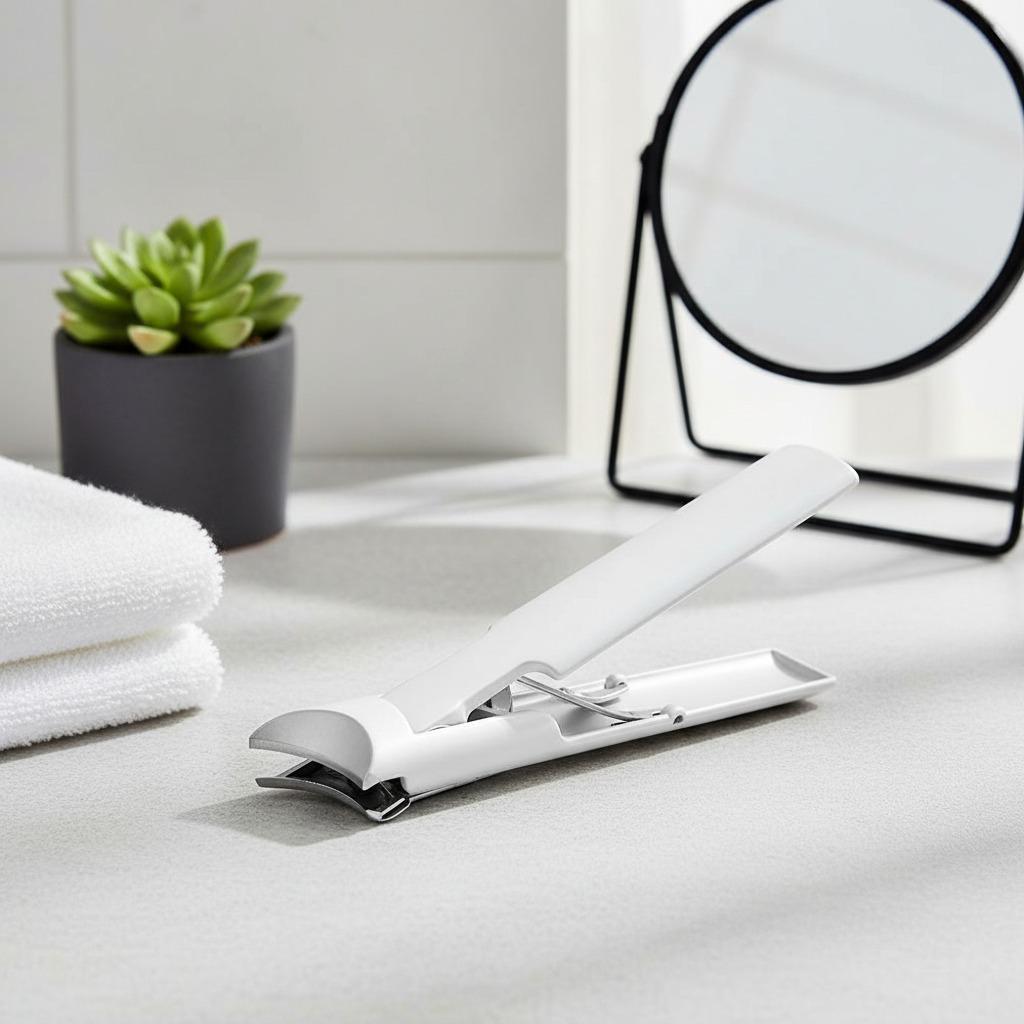
Nail clippers may look simple, but for beauty brands, retailers, salon suppliers, and e-commerce sellers, they are a high-contact grooming tool where small design and manufacturing decisions affect customer satisfaction. A clipper that feels unstable, leaves a rough edge, pinches the skin, or becomes dull quickly can damage repeat purchase rates. A well-made clipper, by contrast, can become a dependable entry product in a broader grooming range.
The nail clipper OEM market is growing because more buyers want private label grooming tools with practical customization, reliable supply, and consistent quality. Demand is not only for standard clippers in bulk; buyers are also looking at ergonomic handling, compact travel formats, stainless steel blade construction, corrosion resistance, packaging options, and order flexibility. For brands comparing suppliers, the opportunity is strongest when sourcing decisions are based on measurable product requirements instead of appearance alone.
This guide explains the main nail clipper OEM trends and how to evaluate manufacturing partners, especially when considering China-based production, wholesale nail clipper programs, or low MOQ test orders. To compare related categories, buyers can also review Olimor beauty tool products and broader product collections.
Why Nail Clipper OEM Demand Is Becoming More Specific
Consumers expect grooming tools to be precise, comfortable, and durable. That expectation has changed what buyers ask from OEM suppliers. A basic clipper is no longer judged only by price. It is judged by the cut, hand feel, finish, and the way it fits into a retail or online product story.
For OEM buyers, the most important trend is moving from generic sourcing to requirement-led sourcing. Instead of asking only for a low unit cost, stronger buyers define the nail type, user scenario, packaging channel, and target customer before requesting samples. A clipper for salon resale may need a different feel from one designed for travel kits, promotional sets, or daily home use.
Useful product questions include whether the clipper is intended for fingernails, toenails, or mixed use; whether the design needs a secure grip; whether compact size is important; and whether the brand wants a single hero item or multiple sizes in a grooming set. Answering these questions early helps prevent mismatched samples, unclear quotations, and quality disputes later in the project.
Key Product Features Buyers Should Evaluate
The highest-value nail clipper OEM conversations usually focus on performance details. Even when the product looks standard, small variations in blade alignment, lever tension, surface finish, and edge finishing can create a very different user experience.
- Cutting precision: The upper and lower cutting edges should meet cleanly and consistently across the full width of the blade. Poor alignment can crush or split the nail instead of cutting it cleanly.
- Blade material and finish: Stainless steel blade crafting is commonly valued because buyers want durability and resistance to rust. The exact material and treatment should be confirmed during sampling and quotation.
- Lever feel: A clipper should not require excessive force. At the same time, it should feel controlled rather than loose or weak.
- Ergonomic grip: Hand comfort matters for both retail customers and professional users. Grip shape, texture, and finger placement should be assessed with real handling tests.
- Edge finishing: Corners, file surfaces, and trim areas should be smooth enough for safe everyday handling.
- Corrosion resistance expectations: If a clipper will be sold for travel, bathroom storage, or humid markets, discuss finish durability and packaging protection.
- Packaging fit: A good clipper can still perform poorly in retail if the packaging fails to explain the use case or protect the finish during shipping.
These criteria make sample testing more objective. Instead of approving a sample because it “looks good,” buyers can score each feature and compare supplier options clearly.
What Is Driving Demand for Nail Clipper China Manufacturers?
Many buyers consider nail clipper China manufacturers because the supply chain for metal grooming tools is developed, scalable, and familiar with OEM customization. China-based manufacturing can support a broad range of buyer needs, from wholesale nail clipper supply to private label packaging and tailored designs. The advantage, however, depends on supplier selection and project management.
A strong sourcing process should include sample review, specification confirmation, packaging approval, and pre-shipment expectations. Buyers should avoid assuming that all clippers with the same shape will perform the same. Manufacturing consistency, blade alignment, surface finishing, and inspection standards can vary significantly between suppliers.
For brands comparing suppliers, it helps to provide a clear product brief. The brief should define the intended customer, order channel, target appearance, preferred grip style, packaging format, and any claim that must be supported by documentation. If details are not yet finalized, request comparable samples in different finishes or sizes so the team can make decisions based on handling rather than catalog images only.
Wholesale Nail Clipper and Bulk Buying Opportunities
Wholesale nail clipper buying is attractive for retailers, distributors, online sellers, subscription box companies, and beauty accessory brands because nail clippers are compact, practical, and easy to combine with other grooming items. They can be sold individually, included in manicure sets, used in travel kits, or paired with files, tweezers, cuticle tools, and personal care accessories.
Bulk buying is most effective when the buyer understands the sales channel. A clipper for a value retail pack may prioritize simple packaging and broad usability. A clipper for an online beauty brand may need better photography, clearer product claims, and a more refined finish. A salon supply buyer may place more weight on grip, cutting feel, and repeat use.
Before committing to a large order, buyers should evaluate whether the product has enough differentiation. Differentiation does not always mean complicated customization. It can be a better grip, a clean matte or polished finish, a compact travel-friendly size, a sharper retail message, or more reliable packaging. The goal is to give customers a clear reason to choose the item beyond price.
How Low MOQ Nail Clipper Orders Fit New Product Testing
Low MOQ nail clipper sourcing can be useful for emerging brands, new online stores, and buyers testing a category before placing larger wholesale orders. Smaller initial runs may help validate packaging, customer response, photography, and product positioning. They can also reduce the risk of selecting the wrong clipper style too early.
However, low MOQ buying still requires discipline. Buyers should not skip sample review or quality expectations simply because the first order is small. A small order can still create negative reviews if the clipper does not perform well. It is better to use the first order as a controlled market test with clear feedback points.
- Start with the use case: Define whether the clipper is for everyday home grooming, travel, salon resale, gifting, or a manicure kit.
- Approve a physical sample: Test cutting feel, grip, edge smoothness, and finish under realistic conditions.
- Confirm packaging details: Check printed information, barcode needs, insert cards, and protection during shipping.
- Set inspection priorities: Identify the most important checks, such as blade alignment, lever function, finish defects, and packaging condition.
- Collect customer feedback: Use early reviews and return reasons to improve the next order.
When low MOQ testing is planned carefully, it becomes more than a small purchase. It becomes a learning step before scaling.
Customization Decisions That Matter Most
OEM customization should support the product’s purpose. Buyers sometimes focus first on logo placement, but user experience and retail clarity usually matter more. A private label nail clipper can be customized through finish, packaging, size selection, grip design, file inclusion, and set configuration where available. The best choices depend on the buyer’s audience.
For a travel-oriented product, compact size and protected packaging may be more important than a decorative finish. For a premium personal care brand, surface finish, hand feel, and packaging quality may carry more weight. For a multi-piece grooming kit, consistency across tools becomes important because the clipper must visually match the rest of the set.
Buyers should also be cautious with claims. If the product description says rust-resistant, corrosion-resistant, professional, salon-level, or stainless steel, the wording should match the actual product specification and any documentation available for the order. Clear, supportable language is better for long-term customer trust than exaggerated claims.
A Practical Supplier Evaluation Checklist
Choosing a nail clipper bulk supplier is not only about comparing quotations. A complete evaluation should cover product performance, communication, packaging support, and the supplier’s ability to keep future orders consistent. The table below gives buyers a simple framework for comparing options.
| Evaluation Area | What to Check | Why It Matters |
|---|---|---|
| Sample performance | Cut quality, lever pressure, blade alignment, grip comfort | Shows whether the clipper will satisfy daily users |
| Material and finish | Blade construction, surface treatment, corrosion expectations | Affects durability, appearance, and product claims |
| Packaging readiness | Retail pack, bulk pack, inserts, labeling requirements | Reduces delays and improves channel fit |
| Quality control focus | Inspection points for sharpness, alignment, defects, and packaging | Helps maintain consistency across shipments |
| Customization fit | Logo, finish, size, grip style, set combination where available | Supports brand differentiation without unnecessary complexity |
This structure is also useful when discussing projects with Olimor Beauty. Buyers who already know their target channel and evaluation criteria can move faster from concept to sample review. For project-specific discussion, you can send an inquiry or contact Olimor.
Future Outlook: Better Sourcing, Not Just More Options
The future of nail clipper OEM sourcing will likely favor buyers who combine product knowledge with clear positioning. Sustainability, customization, ergonomic handling, and flexible order planning are all relevant trends, but they only create value when connected to a real customer need. A compact clipper for travel, a durable clipper for home grooming, and a polished clipper for a beauty gift set should not be sourced with the same priorities.
For beauty tool buyers, the opportunity is to treat nail clippers as a serious category rather than a commodity add-on. Define the intended user, test samples carefully, confirm packaging, and scale only after the product has proven its fit. With a practical sourcing plan, nail clipper OEM programs can support both new brand launches and established wholesale assortments while giving customers a reliable grooming tool they will use regularly.
Tag: