Nail Clipper OEM Sourcing: How to Choose a China Manufacturing Partner
Nail clippers are small products, but buyers know they can create large quality differences in a grooming line. A clipper that feels unstable, leaves a rough edge or loses sharpness quickly can damage customer confidence across an entire personal care range. For beauty brands, salon suppliers, e-commerce sellers and promotional product buyers, nail clipper OEM sourcing is therefore less about finding the lowest unit price and more about choosing a manufacturer that can deliver consistent function, appearance and packaging at scale.
China remains an important sourcing destination for beauty tools because of its established manufacturing base, wide supplier ecosystem and experience with customized personal care products. Olimor Beauty works in the beauty-tools category and offers nail clipper OEM and wholesale supply options for buyers building product lines around practical grooming tools. When evaluating any nail clipper China manufacturer, the most useful questions focus on blade performance, ergonomic design, finishing, packaging control and how the supplier handles repeat orders.
Why Nail Clipper OEM Demand Is Growing
The nail clipper OEM market is being shaped by several buyer needs at the same time. Online retailers want compact, easy-to-ship items that fit subscription boxes, travel kits and personal care bundles. Beauty brands want tools that match the look of their cosmetic ranges. Salons and distributors need reliable everyday clippers that do not create returns or complaints. These use cases all point toward one requirement: a nail clipper must be simple for the customer, but carefully engineered for the buyer.
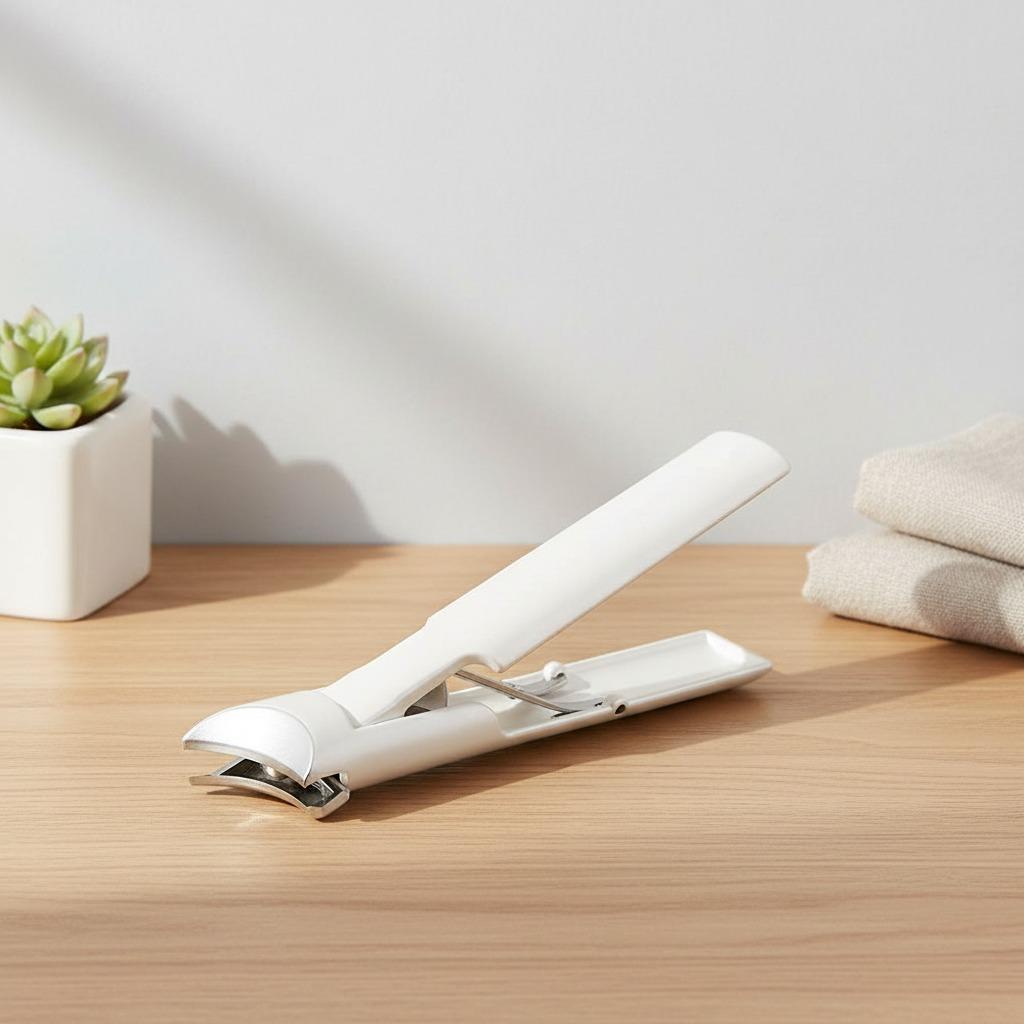
Consumers increasingly compare small grooming tools by feel and finish. A clean cut, a smooth lever action, a stable grip and a design that stores easily can influence whether a product receives repeat purchases. Stainless steel blades are commonly valued because they support clean cutting performance and a durable product impression. Ergonomic shapes and compact formats are also useful, especially for buyers serving travel, home grooming and on-the-go personal care markets.
For buyers planning a new range, OEM supply can help align the clipper with the rest of a brand assortment. That may include choosing an appropriate size, selecting a surface finish, planning packaging artwork and deciding whether the clipper should be sold alone or as part of a kit. To compare related categories, buyers can review Olimor beauty tool products and consider how a clipper may fit with other grooming accessories.
Key Product Details Buyers Should Compare
A nail clipper looks straightforward, but several details determine whether it feels professional or disposable. Before placing a bulk order, create a comparison sheet and evaluate samples under real use conditions. The same sample should be tested on different nail thicknesses, held by users with different hand sizes and checked after repeated opening and closing.
- Blade alignment: The cutting edges should meet evenly. Poor alignment can crush or tear nails rather than making a clean cut.
- Sharpness and edge finish: A nail clipper should cut smoothly without requiring excessive pressure. The edge should not feel jagged or unfinished.
- Lever stability: The handle should not wobble in a way that reduces control. A stable lever gives the user more confidence.
- Grip and shape: Ergonomic grips and compact designs can improve handling, especially for travel sets and daily grooming kits.
- Surface finish: Check for scratches, stains, rough edges, uneven coating or areas that may feel uncomfortable in the hand.
- Packaging fit: The clipper should sit securely in its box, card, pouch or tray so it arrives clean and presentable.
These checks help buyers avoid focusing only on appearance. A polished product photo can look attractive, but a weak cutting feel or poor packaging hold will appear quickly in customer feedback. For private label and OEM projects, the sample approval stage should include both appearance approval and functional approval.
Customization Without Losing Practical Performance
Customization is one of the main reasons brands search for nail clipper OEM partners. A buyer may want a certain color direction, retail packaging, logo placement or design detail that connects the clipper to a broader personal care range. However, customization should never interfere with cutting performance. The strongest OEM projects begin with the core product function and then build brand details around it.
Useful customization discussions can include the target user, sales channel and retail presentation. A clipper sold through an online marketplace may need packaging that photographs clearly and protects the product during shipping. A salon distributor may prefer simple bulk-ready packaging and a durable finish. A gift or travel kit may prioritize compact size and a coordinated look with other tools.
When reviewing custom nail clippers, buyers should prepare clear files and reference points. Packaging dimensions, logo placement, color expectations and barcode needs should be confirmed early. If the design requires a specific retail structure, such as a hanging card, paper box or kit insert, that packaging should be tested with the actual clipper sample. This reduces the risk that the final product works as a tool but fails as a retail item.
Quality Control Points from Raw Materials to Packaging
Quality control for wholesale nail clippers should cover more than a final visual inspection. The original material choice, forming, sharpening, assembly, surface finishing and packing can all affect the buyer’s result. Olimor Beauty emphasizes control from raw materials to packaging, which is important because a defect at an early stage can be difficult to correct later.
A practical QC plan for a nail clipper OEM order should include staged checks. Raw materials and components should match the approved sample direction. During production, blade alignment and lever assembly should be reviewed before the full order is completed. Before shipment, finished goods should be checked for cutting feel, surface appearance, packaging accuracy and carton condition.
- Approve a reference sample: Keep one signed or clearly recorded sample as the benchmark for production.
- Define acceptable tolerances: Clarify which cosmetic marks, color differences or packaging variations are acceptable and which are not.
- Test function, not only looks: Perform repeated cutting checks and lever operation checks on selected units.
- Inspect retail presentation: Verify that packaging is clean, correctly printed and suitable for the intended sales channel.
- Record issues clearly: Use photos, quantities and descriptions so corrections can be made without confusion.
This approach is especially helpful for buyers placing repeat orders. Consistency across batches matters when customers reorder the same item or when a clipper is part of a larger collection. If the second order feels different from the first, the buyer may face avoidable complaints even if the product is technically usable.
Bulk Purchasing and Supply Chain Planning
Search interest around phrases such as “buy nail clipper in bulk” reflects a practical shift in the market. More small businesses, online sellers and niche beauty brands are testing focused product ranges before expanding. Bulk purchasing can support better per-unit planning, but it should be managed carefully. Ordering too much before testing demand can create dead stock, while ordering too little can interrupt a launch or promotion.
Before confirming a wholesale nail clipper order, estimate how the product will move through your sales channel. Consider whether it will be sold as a single item, bundled with other tools, included in a manicure kit or used as a promotional add-on. Each scenario affects packaging, labeling and replenishment timing. Buyers can also explore Olimor product collections to think about how nail clippers may coordinate with related beauty tools.
Supply chain discussions should cover carton packing, shipping readiness, lead-time expectations, reorder communication and how changes will be handled if packaging artwork or product details are updated. A good sourcing decision is not only about the first shipment; it is about whether the supplier can support clear, repeatable purchasing as the buyer’s demand changes.
Questions to Prepare Before Contacting a Manufacturer
Clear preparation makes supplier conversations faster and more productive. Buyers do not need every detail finalized, but they should understand the business goal for the nail clipper project. A distributor seeking a practical wholesale item will ask different questions than a beauty brand building a custom retail kit.
- Who is the target customer: salon professional, home user, traveler, gift buyer or online value shopper?
- Will the clipper be sold individually or bundled with other beauty tools?
- What cutting feel, size and grip style best match the intended user?
- Is logo customization needed on the product, packaging or both?
- What packaging format is required for the sales channel?
- What inspection steps should be documented before shipment?
- How will repeat orders be matched to the approved sample?
These questions help prevent vague sourcing requests such as “quote a nail clipper.” The more specific the product role, the easier it is to compare samples and quotations fairly. Buyers who are ready to discuss a project can send an inquiry with their target market, packaging needs and expected order plan, or contact Olimor for guidance on suitable beauty-tool sourcing options.
Choosing the Right Nail Clipper OEM Partner
The best nail clipper OEM partner is not simply the supplier with the most attractive catalog image. For a reliable sourcing decision, buyers should look at manufacturing focus, sample consistency, communication clarity, packaging support and the ability to maintain approved quality in bulk production. A China-based manufacturer with experience in beauty tools can be valuable when the project requires both functional performance and retail-ready presentation.
For Olimor Beauty customers, the goal should be to define a nail clipper that fits the brand’s market position and performs consistently for the end user. Stainless steel blades, ergonomic handling, compact design options and controlled packaging are practical points to evaluate, but the final decision should be based on samples, inspection criteria and a clear purchasing plan. With the right preparation, nail clippers can become a dependable part of a beauty tools assortment rather than a low-attention accessory.
Tag: