Nail Clipper Manufacturer Trends: A Buyer’s Guide to Better Sourcing Decisions
The nail clipper category looks simple from the outside, but buyers know that small differences in design, blade alignment, finish, and packaging can determine whether a grooming tool feels reliable or disposable. For beauty brands, wholesalers, importers, salons, and private-label programs, choosing the right nail clipper manufacturer is not only about unit cost. It is about repeatable quality, sensible customization, safe handling, and a product that customers can use comfortably at home or while traveling.
Demand continues to move toward compact grooming tools that combine clean cutting performance with ergonomic handling and modern finishes. Stainless steel construction, sharp blades, brushed metallic appearances, and portable formats remain important because they support daily use and fit easily into home kits, toiletry bags, retail sets, and promotional assortments. At the same time, sourcing teams are paying closer attention to factory communication, inspection routines, and OEM flexibility. This guide explains the trends shaping nail clipper manufacturing and gives practical criteria for evaluating suppliers before building a new program.
How the Nail Clipper Industry Is Moving Beyond Basic Designs
The traditional nail clipper was often treated as a low-consideration commodity. That is changing. Consumers now compare grooming tools by how they feel in the hand, how smoothly they cut, how easily they clean, and whether the appearance matches the rest of a personal care kit. This has pushed manufacturers to refine details that may not be obvious in a catalogue photo.
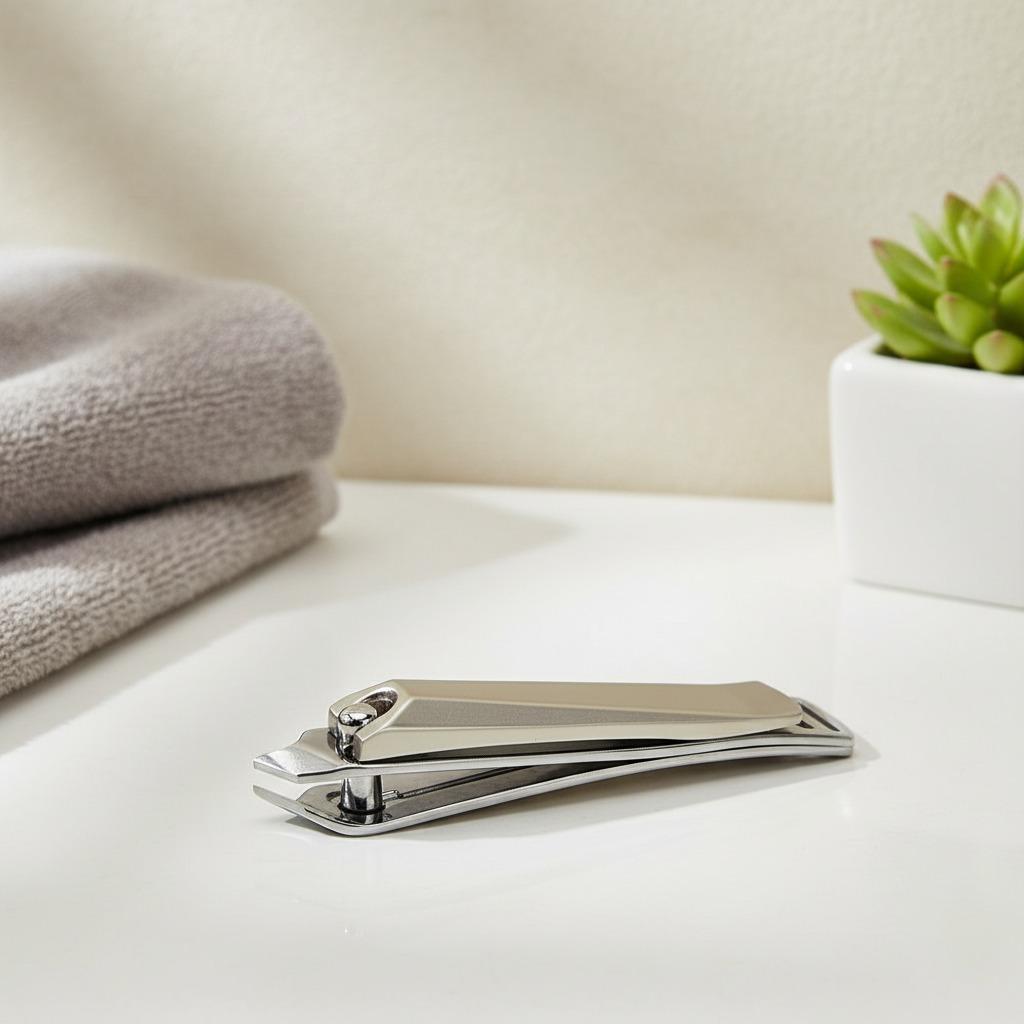
One visible trend is the shift toward ergonomic shapes. A clipper that is easy to grip and press can reduce strain during routine trimming, especially for users who maintain nails frequently. Lever tension, jaw opening, edge geometry, and body thickness all influence the user experience. Another trend is the preference for metallic finishes that look clean and durable without appearing overly decorative. Brushed surfaces are popular because they can help reduce visible fingerprints compared with mirror-like finishes, while still presenting a polished grooming-tool look.
Portability also matters. Compact nail clippers serve travel, gym bags, workplace drawers, and retail impulse purchases. However, compact size should not mean weak cutting action. Buyers should compare samples for cutting consistency across different nail thicknesses and check whether the clipper remains stable in the hand. A well-designed portable clipper should feel controlled, not flimsy.
What Buyers Should Expect From a Reliable Nail Clipper Supplier
A dependable nail clipper supplier should make it easier to compare options clearly. Instead of presenting only surface-level descriptions, a supplier should be able to explain the intended user, material approach, finish choices, packaging possibilities, and inspection points for each design. For buyers managing multiple SKUs, this clarity reduces the risk of mismatched expectations.
When reviewing beauty tool products, sourcing teams can use the following checklist to compare nail clipper suppliers more consistently:
- Cutting performance: Edges should meet evenly, trim cleanly, and avoid tearing or crushing nails during normal use.
- Lever comfort: The lever should press smoothly without excessive looseness or harsh resistance.
- Body finish: Surfaces should be even, with no sharp burrs, rough corners, or inconsistent polishing.
- Portability: Compact models should still provide stable grip and adequate leverage.
- Packaging fit: The package should protect the clipper, present the product clearly, and suit the sales channel.
- Batch consistency: Samples and production goods should match in size, finish, action, and general appearance.
- Customization control: Any logo, color, finish, or packaging change should be confirmed through approved samples before production.
It is also wise to test samples in the same way customers will use them. A buyer sourcing for travel kits may prioritize compactness and protective packaging. A buyer building a premium grooming set may focus on tactile quality, surface finish, and presentation. A nail clipper for high-volume retail should balance durability, clear product communication, and efficient packaging.
Factory Quality Controls That Influence Cutting Reliability
In nail clipper manufacturing, quality control begins before final inspection. Raw material inspection, forming, sharpening, assembly, surface finishing, and packaging all affect the finished product. The original buyer expectation is simple: the tool should cut cleanly and last through repeated use. Achieving that outcome requires disciplined production steps.
Blade alignment is one of the most important areas to inspect. If the cutting edges do not meet correctly, the clipper may leave jagged edges or require extra pressure. Edge sharpness must be balanced with safety and durability; a clipper should trim effectively without rough, unsafe finishing around the body. The lever and pin assembly also deserve attention because loose or uneven movement can make the tool feel unreliable even if the material looks good.
Factories in competitive manufacturing hubs, including China, are often evaluated for their ability to support OEM programs and repeat orders. For buyers, the key is not simply where the factory is located, but how the production process is controlled. A strong supplier should be able to maintain consistency from approved sample to bulk goods and from one order cycle to the next. Clear inspection criteria help both sides avoid subjective disputes about quality.
OEM Choices: Customization Without Losing Practical Performance
Nail clipper OEM programs can support private-label retail lines, beauty gift sets, hotel amenities, salon retail items, and e-commerce bundles. Customization can include the general shape, finish, logo placement, packaging format, and assortment structure. However, buyers should treat customization as a performance decision, not only a branding exercise.
For example, changing a finish may affect surface feel and perceived value. Adjusting packaging may influence how well the clipper is protected during shipping and handling. Choosing a compact size may improve portability but can reduce leverage if the design is not engineered carefully. Before confirming an OEM nail clipper, buyers should review physical samples, not only drawings or photos.
The table below highlights common OEM decisions and the practical questions connected to each one:
| OEM decision | Why it matters | What to evaluate |
|---|---|---|
| Clipper size | Affects grip, leverage, portability, and target customer use. | Test comfort for home use, travel kits, and retail sets. |
| Surface finish | Influences appearance, hand feel, and visible wear over time. | Compare brushed, polished, or other available finishes on samples. |
| Logo placement | Supports brand recognition without interfering with use. | Check visibility, durability, and whether the mark stays clear after handling. |
| Packaging | Protects the product and communicates value at the point of sale. | Review fit, opening experience, barcode space, and retail display needs. |
| Assortment plan | Determines whether the clipper sells alone or inside a grooming set. | Match dimensions and finish with other tools in the program. |
Olimor Beauty supports beauty tool sourcing discussions across product categories. Buyers comparing grooming accessories can browse product collections to consider how nail clippers might fit within broader personal care ranges.
How Wholesalers Can Build Stronger Nail Clipper Programs
For a nail clipper wholesaler, the best product is not always the most complex one. Many successful programs are built around dependable everyday tools with clear positioning. A retailer may need a compact travel clipper, while a salon distributor may prefer a more substantial tool suitable for professional retail shelves. The sourcing strategy should match the sales channel.
Wholesalers should also consider how customers compare products online. E-commerce listings require precise descriptions, close-up images, and accurate packaging information. If the product is sold in a set, dimensions and finish consistency between items become more important. If it is sold as a standalone clipper, the cutting performance and ergonomic benefit should be easy to understand without exaggerated claims.
Another important issue is reorder consistency. A wholesaler’s reputation can suffer if a second shipment feels different from the first. Buyers should document the approved sample, finish reference, packaging artwork, and inspection criteria. This documentation can make communication smoother when reordering or expanding into related SKUs.
Maintenance Guidance Buyers Can Pass to End Users
Useful consumer guidance can reduce complaints and increase satisfaction. Nail clippers are simple tools, but they still benefit from basic care. Brands and wholesalers can include concise care instructions on packaging, inserts, or product pages.
- Wipe the clipper after use to remove nail debris and moisture.
- Store it in a dry place, especially when used in a bathroom or travel kit.
- Avoid using the clipper on materials other than nails, as this can dull or damage the edge.
- Do not force the lever if the nail is too thick for the clipper size; choose an appropriate tool instead.
- Keep the cutting area clean and inspect the edges if the clipper begins to feel uneven.
These instructions are practical for customers and helpful for brands because they set realistic expectations. They also reinforce the idea that even a small grooming tool deserves proper use and storage.
Choosing an Olimor Beauty Nail Clipper Manufacturing Partner
When selecting a nail clipper manufacturer, buyers should look for a partner that can discuss design, production control, and packaging in a clear, practical way. Stainless steel construction, sharp blades, ergonomic handling, and compact portable designs are all useful product directions, but the final decision should be confirmed through samples and well-defined requirements.
Olimor Beauty focuses on beauty tools with attention to manufacturing steps, quality checks, and buyer communication. For nail clipper sourcing, the strongest results usually come from aligning the product’s intended use with the correct size, finish, packaging, and inspection plan. Whether the goal is a retail clipper, a travel-friendly grooming item, or an OEM addition to a broader beauty tool line, the sourcing process should be specific and evidence-based.
If you are comparing nail clipper supplier options or planning an OEM grooming tool program, you can contact Olimor for product discussions or send an inquiry with your target market, preferred finish, packaging needs, and sample expectations. A clear brief helps turn a simple grooming tool into a more dependable product for your customers.
Tag: