

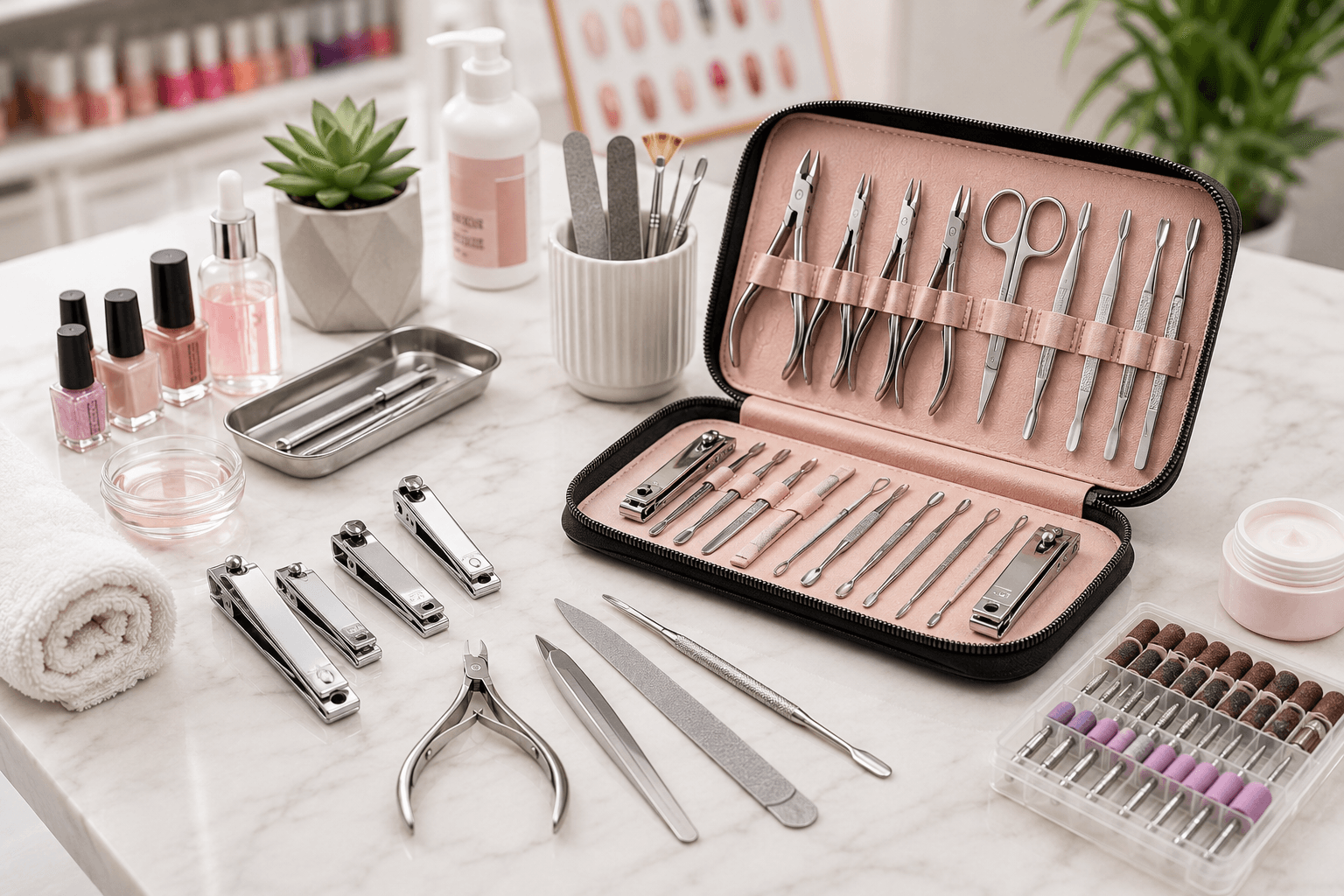
Manicure Tools Wholesale for Nail Salons: How to Source Consistent Tools Without Guesswork
For a nail salon, manicure tools are not occasional purchases. They are used all day by multiple technicians, cleaned repeatedly, and expected to deliver the same cutting, trimming, filing, and shaping performance for every client. When tools vary from batch to batch, the problems show up quickly: dull edges, rust spots, loose joints, uncomfortable handles, inconsistent service time, and higher replacement costs.
Sourcing beauty tool products at wholesale level can help salons standardize quality and control cost, but only when the buying process is structured. The lowest unit price is rarely the best indicator of long-term value. Salons need to compare materials, finishing, tool balance, packing options, inspection standards, and supplier communication before committing to repeat orders.
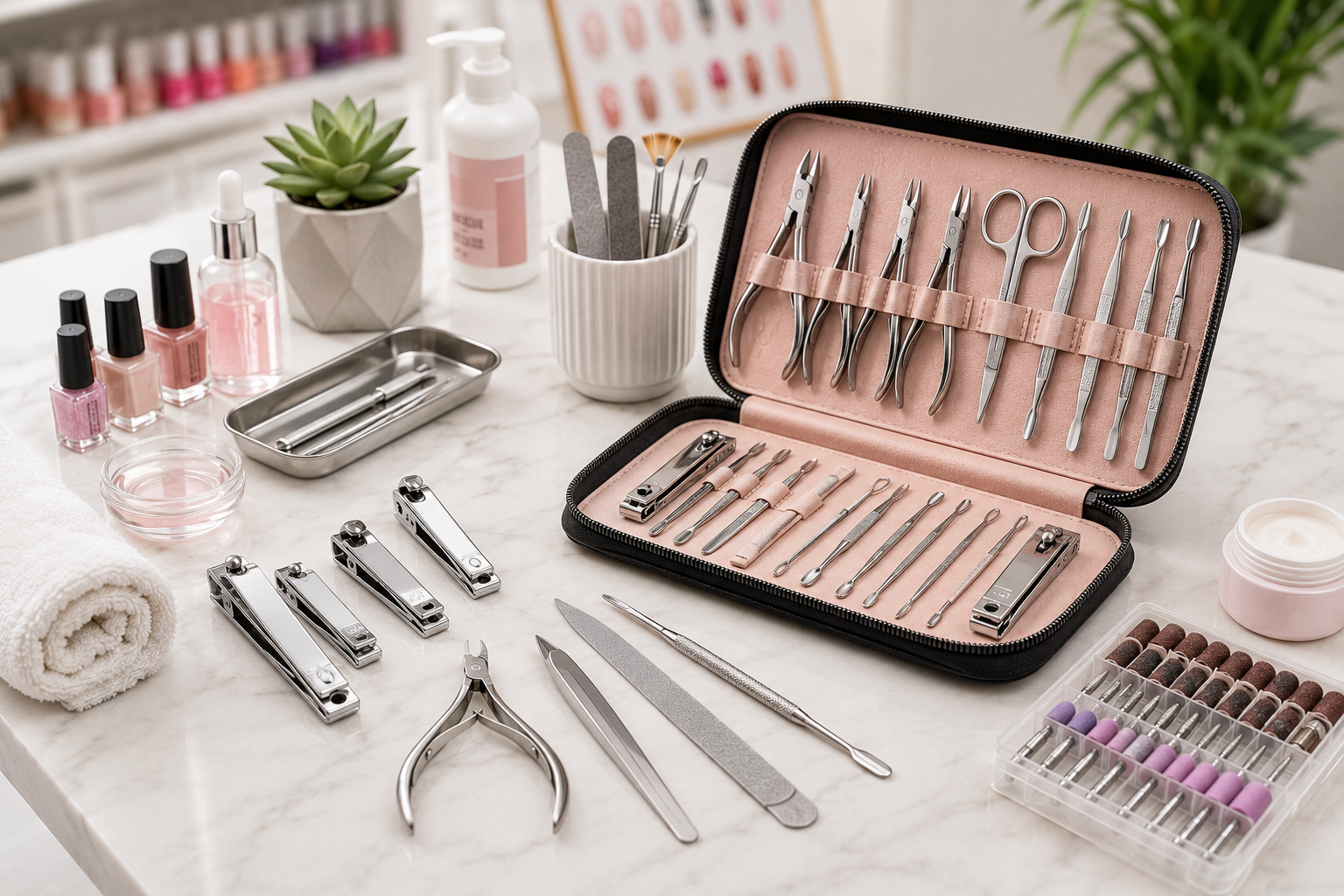
Why Wholesale Manicure Tools Matter for Salon Operations
Retail purchasing may work for a new salon buying a few backup items, but it becomes inefficient as appointment volume grows. Different retail batches often come from different production runs, and similar-looking tools may not feel or perform the same. One technician may receive a cuticle nipper with a firm, clean closing action, while another receives a tool that needs extra pressure or does not align well at the tip.
Wholesale sourcing gives salons a better chance to build a consistent tool system. That matters for service quality, staff training, hygiene workflow, and inventory control. If every manicure station uses similar clippers, pushers, scissors, and nippers, it is easier to train new staff, rotate sterilized sets, and identify tools that should be retired.
Wholesale purchasing is especially useful for busy nail salons, chain salons, training schools, hotel spas, mobile nail services, and salons preparing branded manicure kits for clients or students. In these cases, standardization matters as much as cost.
Key Tool Categories to Review Before Buying in Bulk
A manicure tool order should not be treated as one simple line item. Different tools face different performance demands. Cutting tools need edge sharpness and alignment. Pushers need smooth surfaces and comfortable control. Files and buffers need consistent abrasiveness. Storage cases need to support cleanliness and organization.
Before placing a wholesale order, define which tools are needed for professional service use, retail take-home kits, technician training, or promotional sets. A salon may not need the same grade or configuration for every scenario.
- Cuticle nippers: Check jaw alignment, spring response, edge finish, and whether the handle shape supports long work sessions.
- Nail clippers: Review cutting smoothness, leverage, jaw opening, and resistance to loosening during repeated use.
- Cuticle pushers: Inspect the working edge for smoothness; rough or uneven edges can create discomfort during service.
- Nail scissors: Test blade meeting points, pivot stability, and hand comfort for technicians with different grip styles.
- Files and buffers: Confirm grit consistency, backing strength, and whether the item is intended for single-use or controlled reuse.
- Storage and kits: Consider packaging that keeps clean tools separated and supports easy station setup.
Material, Finishing, and Manufacturing Details That Affect Performance
Many manicure tools look similar in product photos, but performance depends on manufacturing details. Stainless steel is widely preferred for professional manicure tools because it offers practical durability, corrosion resistance, and cleanability. However, the buying decision should not stop at the phrase “stainless steel.” Salons should also evaluate how the tool is ground, polished, aligned, and finished.
For cutting tools, the edge should close evenly without gaps. The cutting action should feel controlled rather than rough or overly loose. A very sharp tool that is poorly aligned can still tear instead of cut cleanly. A tool that is too stiff can slow the technician down and increase hand fatigue.
Surface finishing is also important. Tools with rough corners, visible burrs, uneven polishing, or pitted surfaces are harder to clean and less pleasant to use. Handles should feel secure without sharp edges. For tools used near the cuticle and nail fold, a smooth finish is not only about appearance; it supports client comfort and easier post-service cleaning.
How to Compare Wholesale Suppliers Without Focusing Only on Price
Price is important, but a manicure tool that needs frequent replacement can become more expensive than a higher-quality option with a stable service life. A useful supplier comparison should include product consistency, sampling support, communication clarity, packaging options, and the ability to repeat the same specifications in future batches.
The table below can help salon owners, purchasing managers, and training academy buyers compare wholesale manicure tool suppliers more objectively.
| Evaluation Area | What to Check | Why It Matters |
|---|---|---|
| Sample quality | Edge alignment, finish, handle comfort, visible defects | Shows whether tools are suitable for daily professional work |
| Batch consistency | Whether repeat orders match approved samples | Protects service standards across stations and locations |
| Tool assortment | Availability of nippers, clippers, pushers, scissors, files, and kits | Makes it easier to build standardized salon sets |
| Packaging options | Individual packing, sets, cases, or retail-ready formats | Supports hygiene workflow, storage, retail sales, or training kits |
| Customization support | Logo, packaging, set configuration, and private-label planning where available | Helps salons create a consistent brand presentation |
| Communication | Clear product descriptions, order details, and response quality | Reduces errors before bulk production or replenishment |
When reviewing options, compare similar specifications rather than only comparing quoted unit prices. A cheaper tool may have thinner construction, less finishing time, a weaker spring, or inconsistent sharpening. If you are building a long-term supply plan, it is better to choose tools that technicians will actually use confidently every day.
Sampling and Testing: What Salons Should Do Before a Bulk Order
A sample review should include more than opening the package and checking appearance. Put the tools into a controlled trial with experienced technicians. Let them compare grip comfort, cutting response, ease of cleaning, and whether the tools remain comfortable after multiple services.
Use a simple test process before confirming a larger order:
- Inspect the tool visually: Look for rust spots, burrs, uneven polishing, loose parts, or inconsistent color.
- Check alignment: For nippers, clippers, and scissors, confirm the cutting edges meet correctly and move smoothly.
- Test technician comfort: Ask more than one technician to handle the tool, because grip preference varies.
- Run service simulations: Use the tool in real manicure steps where appropriate, following salon hygiene rules.
- Clean and dry the tool: Observe whether water collects in joints or whether surfaces are easy to wipe and dry.
- Record feedback: Keep notes on performance, comfort, and any defects so future orders can reference the approved standard.
This testing process is especially important for salons buying tools for multiple branches. A small mismatch in tool feel may become a large operational issue when multiplied across many technicians and hundreds of weekly services.
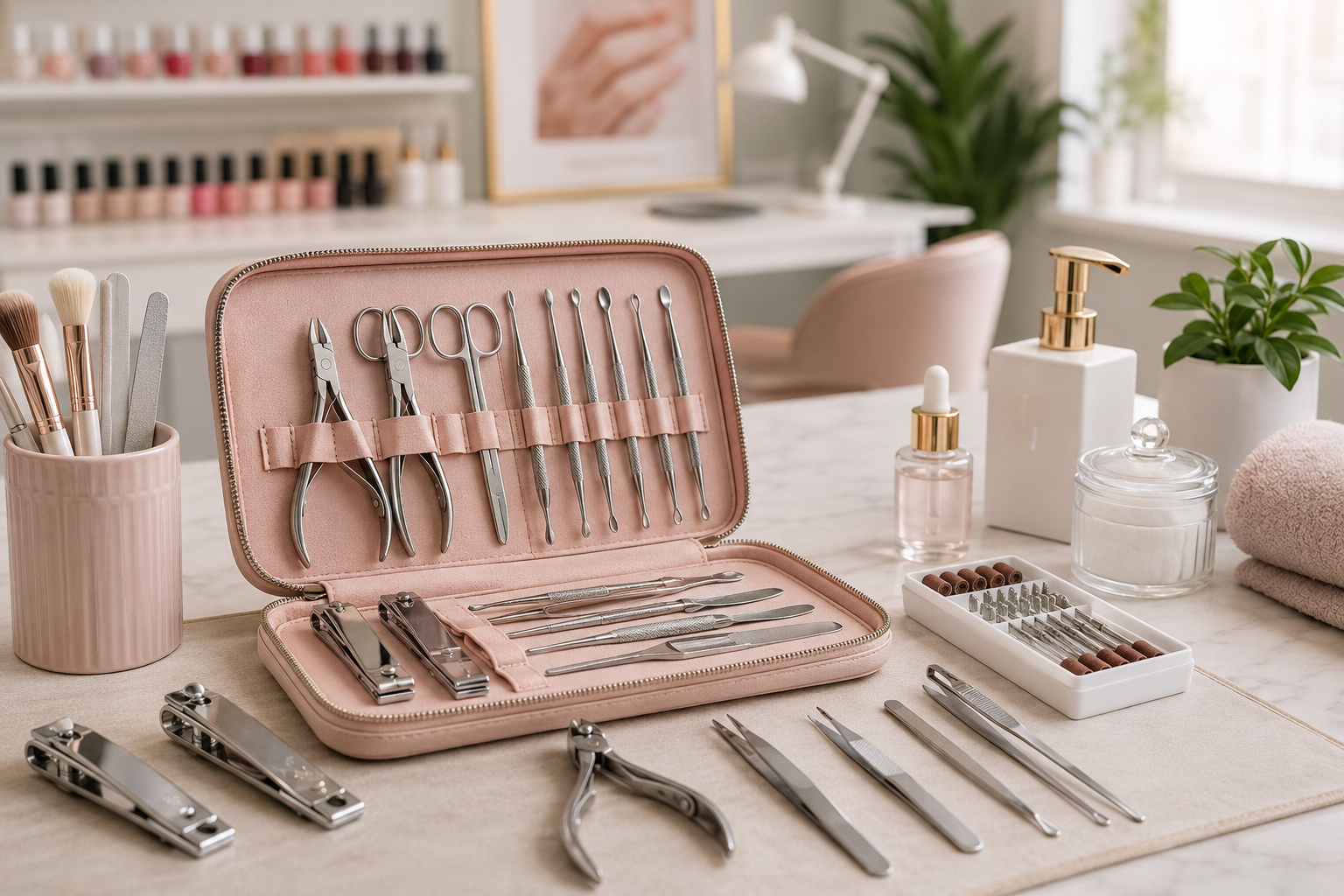
Hygiene, Maintenance, and Replacement Planning
Even high-quality manicure tools need proper care. Salons should build a maintenance routine that matches their hygiene policy and local requirements. Tools should be cleaned, dried, and stored correctly after use. Moisture left around joints or springs can shorten tool life. Harsh handling, dropping tools, or mixing clean and used tools in the same container can also create avoidable problems.
A practical salon system separates tools into clear stages: used, cleaned, disinfected or sterilized according to the salon’s procedure, dried, and ready for use. Storage should prevent clean tools from rubbing against each other unnecessarily, especially sharp instruments. Technicians should also know when a tool should be removed from service. Dull cutting edges, loose pivots, poor alignment, visible corrosion, or rough surfaces are signs that the tool should be reviewed or replaced.
Wholesale buying helps with replacement planning because salons can keep a controlled reserve of approved tools. This avoids emergency retail purchases that may not match the rest of the salon’s equipment.
Customization and Branding Considerations
Some salons use wholesale manicure tools only for internal service stations. Others want branded kits for VIP clients, nail schools, franchise branches, mobile technicians, or retail add-ons. Customization can be useful, but it should be planned around real use rather than decoration alone.
For a service salon, the first priority is still tool quality and comfort. Branding on a tool or package does not compensate for poor cutting performance. For retail kits, presentation becomes more important because clients judge the set before they use it. For training academies, clear set configuration matters because students need the right tool mix for lessons and practice.
When planning customized sets, decide which tools belong together, how they will be packed, whether instructions or care information are needed, and how the kit will be stored or displayed. You can review broader product collections to think through how manicure tools may fit with other beauty tool assortments.
When to Send an Inquiry and What Details to Prepare
A clear inquiry helps avoid misunderstandings and speeds up supplier response. Before requesting a quote, prepare basic information such as tool types, expected use, preferred packaging, whether branding is needed, destination market, and target order plan. If exact specifications are not yet fixed, provide the service scenario and the quality level you are trying to achieve.
Useful inquiry details include the required tool categories, whether the order is for salon stations or retail kits, preferred packaging format, logo or artwork requirements if any, sample needs, and expected reorder frequency. This information allows the supplier to recommend a more suitable configuration instead of quoting a generic assortment.
For current options, browse Olimor beauty tool products. If you are preparing a wholesale manicure tool project, you can also send an inquiry or contact Olimor with your buying requirements.
Final Buying Advice for Nail Salons
Wholesale manicure tools should support stable service quality, not simply reduce purchasing cost. The best sourcing decision balances material, finishing, tool comfort, batch consistency, packaging, and long-term replenishment. Start with samples, test them with technicians, document approved specifications, and build a replacement plan before scaling to larger orders.
For nail salons, the right wholesale manicure tools can make daily work smoother and more predictable. Clients may not notice the sourcing process behind each tool, but they will notice clean edges, comfortable service, efficient technicians, and a consistent experience every time they return.
Tag:
Related articles
- Beauty Tools Sourcing Guide
- OEM & Private Label
Private Label Grooming Kit Manufacturer: How Brands Build Custom Personal Care Sets
- Beauty Tools Sourcing Guide
- Lash & Brow Tools
Tweezers for Eyrow Grooming Supplier: B2B Buying Guide for Beauty Brands
- Beauty Tools Sourcing Guide
- OEM & Private Label