How to Choose a Manicure Tools Supplier for Premium, Precise and Eco-Conscious Kits
The market for manicure tools has moved beyond basic nail clippers and low-cost accessories. Beauty consumers now compare tool feel, finish, durability and presentation in the same way they evaluate skin care packaging or cosmetic brushes. For salons, retailers, beauty brands and hospitality buyers, this creates a clear sourcing challenge: the right manicure tools supplier must support precision, product consistency, branding needs and increasingly thoughtful material and packaging decisions.
A strong supplier relationship is especially important when manicure tools are sold as a set. One weak item in a kit can change the customer’s impression of the whole product. A clipper that does not cut cleanly, a cuticle pusher with rough edges or a case that feels flimsy can reduce repeat purchases and increase complaints. The goal is not simply to find attractive tools, but to source tools that are comfortable to use, reliable over time and appropriate for the audience you serve.
This guide explains what buyers should evaluate when comparing a professional beauty tools supplier, including tool selection, stainless steel quality considerations, private label presentation, eco-conscious packaging and sourcing questions for exporters in established manufacturing regions such as Guangdong.
Why Professional-Grade Manicure Tools Are Growing in Demand
At-home personal care has become more advanced. Many consumers now maintain nails between salon visits, while others prefer complete grooming routines at home. This shift has increased demand for manicure tools that feel closer to professional salon implements than disposable convenience products.
Professional-grade does not have to mean complicated. In manicure tools, it usually means the tool performs its core function predictably. A nail clipper should cut without crushing. Tweezers should align cleanly. Scissors should open and close smoothly. A nail file should feel appropriate for the intended use. Cuticle tools should have finished edges that support controlled handling. These details influence how safe, comfortable and satisfying the product feels in daily use.
For brands and retailers, better tools also support a more premium shelf position. Customers are often willing to keep a well-made manicure kit for years, especially when the tools are easy to clean and presented in a practical case. That long product life makes quality control, replacement planning and packaging durability more important than short-term visual appeal.
Core Tools to Evaluate Before Building a Kit
A manicure set can be simple or extensive, but every item should have a clear purpose. Adding more pieces is not always better if the extra tools feel redundant or confuse the end user. Buyers should start with the customer use case: travel grooming, home nail care, salon retail, gift sets, hotel amenities or brand merchandise.
Common manicure tool categories to review include:
- Nail clippers: Check cutting alignment, lever comfort, edge finish and the smoothness of the clipping action.
- Cuticle tools: Evaluate tip shape, edge finishing and whether the tool supports controlled pressure rather than aggressive scraping.
- Nail scissors: Look for smooth opening and closing, secure pivot action and a comfortable grip.
- Tweezers: Review tip alignment, grip texture and whether the tension feels balanced.
- Nail files: Match the file type and texture to the target user. A travel kit may need a different file than a salon retail set.
- Cases and pouches: Check tool retention, zipper or snap function, interior layout and whether the case protects sharp edges during storage.
When comparing samples, test every tool in the same way your customer would use it. A product that looks polished in photography may still feel awkward in hand. Ergonomics, weight, edge smoothness and opening resistance are difficult to judge from images alone.
Stainless Steel, Precision and Finish: What Buyers Should Inspect
The original demand for durable stainless steel manicure tools remains strong because buyers associate stainless steel with cleanliness, strength and long service life. However, buyers should avoid relying on the words stainless steel alone. The practical questions are how the tool is formed, finished, sharpened, assembled and inspected.
Start with visible workmanship. Edges should be even, surfaces should be smooth enough for comfortable handling and moving parts should not feel loose or gritty. For clippers and scissors, cutting performance should be tested repeatedly, not only once. For tweezers, the tips should meet evenly without gaps. For cuticle tools, the shape should match the intended market: some customers prefer precise professional-style tools, while others need a softer, more beginner-friendly design.
Consistency across samples is also essential. A supplier may produce one excellent sample, but bulk production must match the approved standard. Buyers can reduce risk by defining acceptable appearance, function and packaging criteria before confirming an order. If you are developing a new kit, compare several samples from the same batch and document what passes or fails.
Private Label Manicure Tools and Brand Presentation
Private label manicure tools are popular because they allow beauty brands, retailers and hospitality businesses to offer a useful product that stays with the customer. A branded manicure kit can be sold as a retail product, included in a gift set, offered as a travel accessory or used as a hotel amenity. The branding should support the use case rather than overwhelm it.
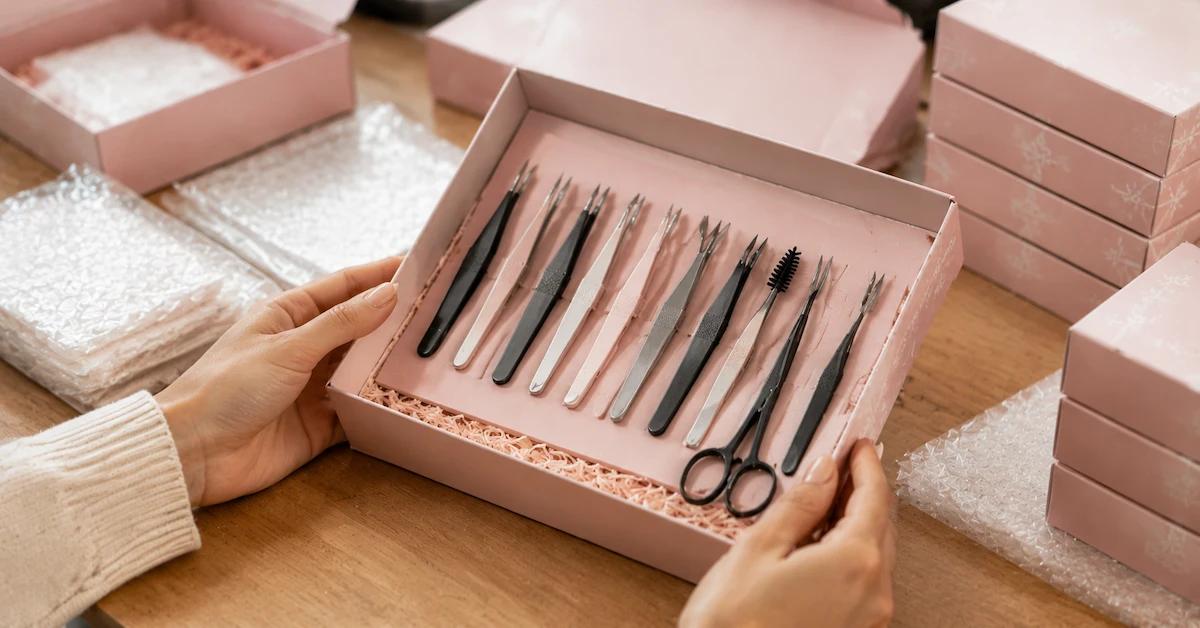
Presentation decisions often include tool finish, case material, color direction, logo placement, insert card, outer packaging and the overall kit layout. A luxury beauty brand may prefer a minimal case with restrained logo placement. A hotel amenity program may prioritize compact size, clean packaging and easy storage. An e-commerce seller may need packaging that photographs well and protects the product during shipping.
Before approving private label design, consider the following checklist:
- Confirm which tools are essential for the target customer and remove unnecessary pieces.
- Review how the logo appears on both the case and any outer packaging.
- Check whether the case holds each tool securely after repeated opening and closing.
- Make sure care instructions and product information are clear for the buyer’s market.
- Compare the final sample under normal lighting, not only in studio images.
For inspiration across product types, buyers can explore Olimor beauty tool products and related product collections to think about how manicure tools may fit within a broader personal care assortment.
Eco-Conscious Choices Without Sacrificing Function
Eco-friendly personal care tools are increasingly requested, but sustainability claims should be handled carefully. A responsible sourcing approach looks at product life, packaging reduction, material choices, shipping efficiency and whether the item is useful enough to be kept rather than discarded quickly. For manicure tools, durability can be part of a more responsible product strategy because long-lasting tools reduce the need for frequent replacement.
Packaging is often the most practical place to improve. Buyers can review whether the kit needs multiple layers, whether the outer box is sized efficiently and whether printed materials are necessary. Natural tones and simple packaging can support an eco-conscious presentation, but the design should still protect sharp tools and maintain a clean retail appearance.
When assessing environmental positioning, avoid vague claims that cannot be supported. Instead, focus on concrete decisions: reduced packaging components, reusable cases, durable tool construction, clear care guidance and packaging that suits the sales channel. A well-made manicure kit in a reusable case may communicate responsible value more effectively than decorative packaging that is immediately thrown away.
Sourcing from a Guangdong Manicure Tools Exporter
Guangdong is widely recognized as an important manufacturing and export region for beauty and personal care tools. Buyers sourcing from a manicure tools exporter in Guangdong often look for a combination of production experience, product variety, customization support and export familiarity. The advantage is not simply location; it is whether the supplier can translate a buyer’s market requirements into consistent products.
When comparing suppliers, focus on communication clarity and sample discipline. The supplier should understand the difference between a salon-oriented manicure kit, a retail gift set, a travel grooming kit and hotel amenity beauty tools. Each product type may require different packaging, tool selection and cost priorities. A supplier that asks practical questions about the end user, sales channel and branding goals is more likely to support a suitable final product.
Useful sourcing questions include:
- Which tool combinations are commonly selected for my target channel?
- What finish and case options are available without compromising tool usability?
- How are cutting performance, alignment and surface finish checked during production?
- What packaging options help reduce waste while protecting the tools?
- How are approved samples and production standards documented?
These questions help buyers compare options without relying only on price. Low cost can be attractive, but inconsistent cutting edges, weak cases or unclear branding execution can create higher costs later through returns, replacements and customer dissatisfaction.
Quality Control Points Before Confirming Production
Manicure tools require hands-on inspection because small defects can affect safety and comfort. A useful quality review should include function, appearance, packaging and user experience. For example, a clipper may look acceptable but feel stiff. A tweezer may have polished surfaces but poor tip contact. A case may look premium but fail to hold the tools securely during transit.
Buyers should define inspection points in plain language. Instead of only requesting high quality, specify the visible and functional results you expect: smooth edges, aligned tips, clean logo placement, stable hinges, no obvious scratches, secure tool slots and packaging that arrives in saleable condition. Photographs, approved samples and written criteria help keep everyone aligned.
It is also wise to test the full kit after packaging. Open it, remove each tool, place the tools back, close the case and simulate the customer’s first experience. This simple review often reveals issues that are missed when tools are inspected individually.
Building a Better Manicure Tool Program
A successful manicure tool program balances beauty, precision, durability and sourcing responsibility. The best result comes from selecting the right tools for the audience, confirming comfortable function, using branding with restraint and making packaging choices that support both presentation and practicality.
If you are planning a private label manicure set, salon retail kit, travel grooming accessory or hotel amenity program, prepare your target market, desired tool list, packaging direction and quality expectations before supplier discussions begin. This makes sampling more efficient and helps avoid unnecessary revisions.
Olimor Beauty supports buyers looking for beauty tool sourcing options across personal care categories. To discuss a manicure tools project or compare suitable kit directions, contact Olimor or send an inquiry with your intended channel, preferred packaging style and target customer use case.
Tag: