

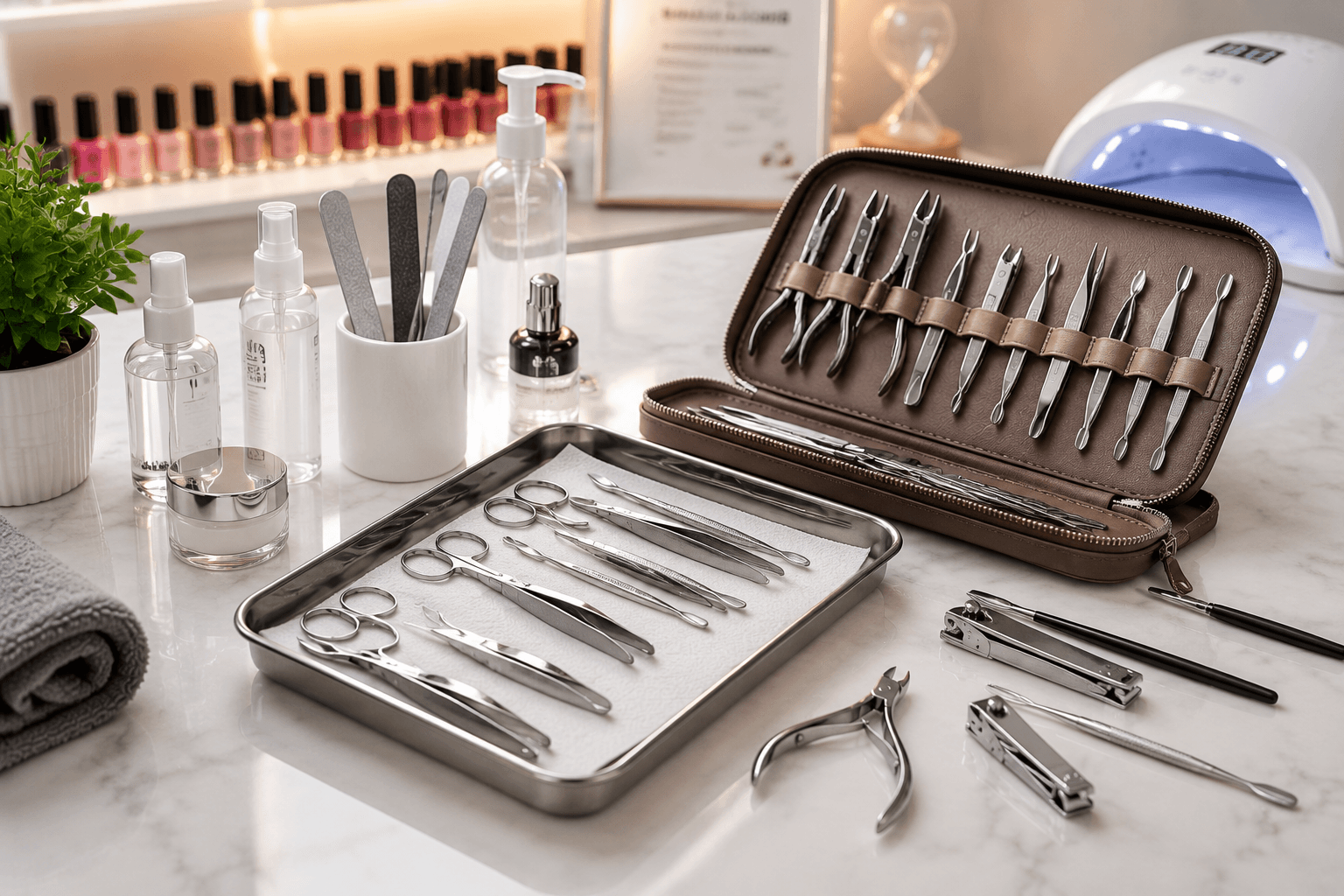
Beauty Tools Wholesale for Salons: How to Choose a Reliable Supplier
For salons, spa centers, beauty academies, and distributors, buying beauty tools wholesale is not only about lowering the unit price. The tools used in manicure, facial, grooming, exfoliation, and skincare services affect hygiene control, treatment accuracy, staff efficiency, and the way clients judge the service. A clipper that loses sharpness quickly, a tweezer with poor alignment, or inconsistent packaging across branches can create problems that are more expensive than the original purchase.
This guide explains how to evaluate wholesale beauty tool suppliers with a practical buyer mindset. It is written for professional buyers who need repeatable quality, stable replenishment, and suitable options for branded salon kits. If you are comparing categories before purchase, start by reviewing Olimor beauty tool products and then use the criteria below to structure your supplier discussions.
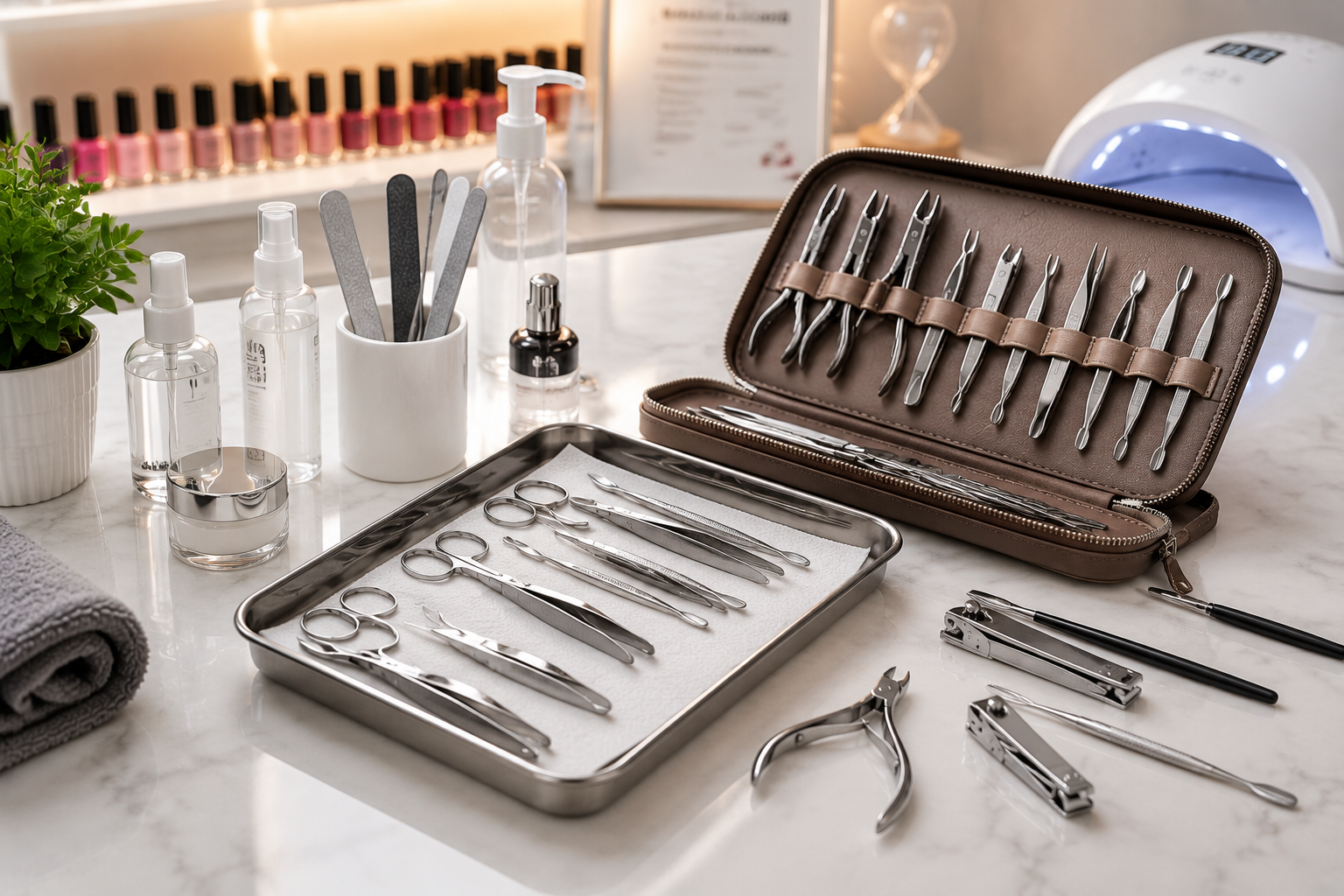
Who Should Source Beauty Tools Wholesale?
Wholesale sourcing is most useful when beauty tools are part of daily operations or recurring resale. A single consumer may focus on convenience, but professional buyers need tools that perform consistently across many users, services, and reorder cycles.
- Independent salons and spa centers: need dependable tools for daily facial, nail, and grooming services.
- Chain salon brands: need standardized tool quality, appearance, and packaging across locations.
- Beauty training academies: need repeatable kits that students can learn with safely and consistently.
- Distributors and wholesalers: need sellable product ranges with predictable replenishment.
- E-commerce sellers: need product combinations and packaging that fit online retail expectations.
Wholesale purchasing is usually less suitable for one-time personal use because the value comes from bulk planning, repeat orders, and quality control over time. For salons, however, the right supplier can reduce operational disruption and support more consistent service delivery.
Match Tool Categories to Real Salon Services
Before comparing suppliers, define what the tools must do in your business. Buying a general assortment can lead to unused items, while missing core tools can slow down service routines. The product mix should reflect your menu, technician workflow, hygiene procedures, and retail strategy.
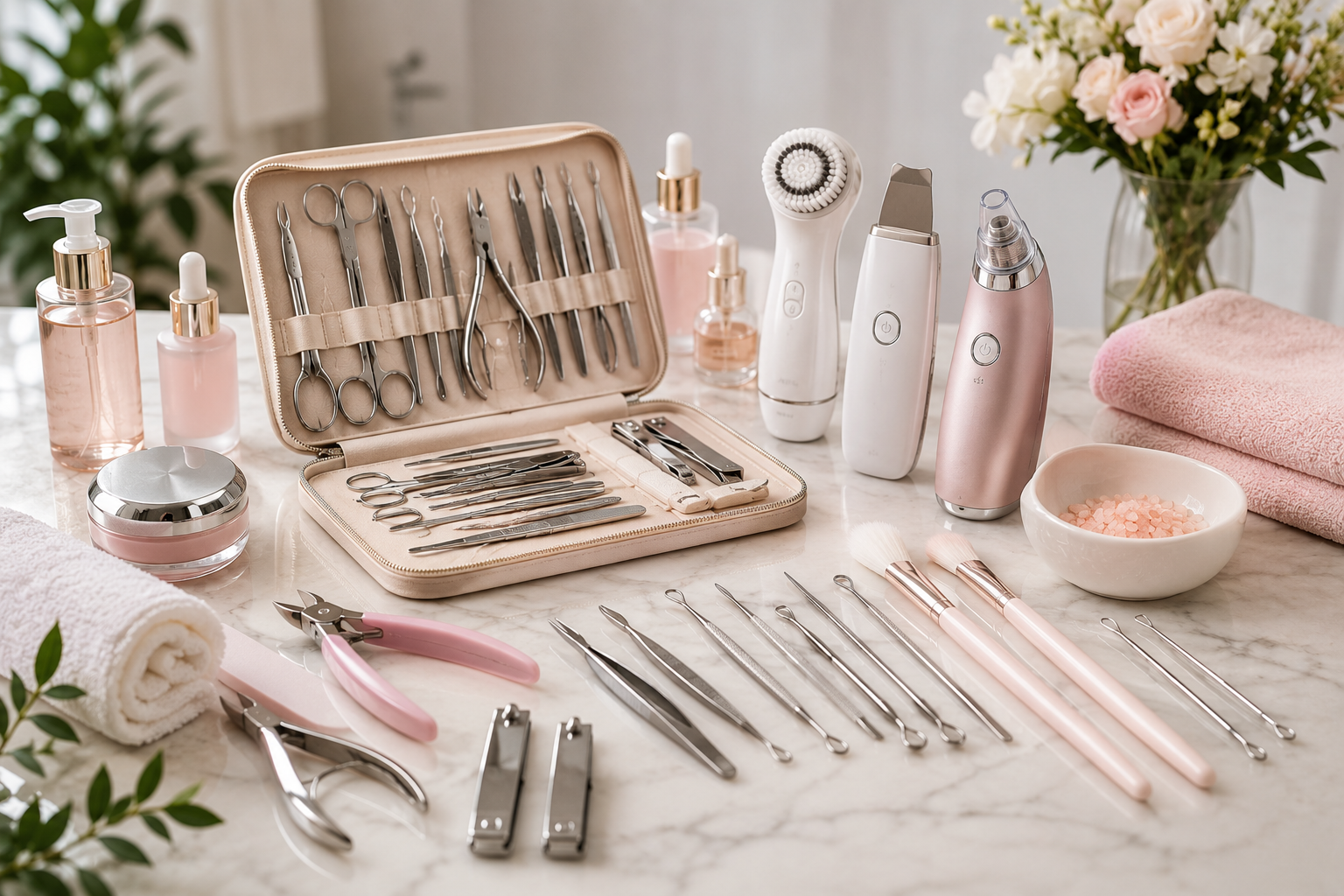
| Category | Typical Tools | What to Evaluate | Common Use |
|---|---|---|---|
| Nail tools | Nail clippers, manicure sets | Cutting feel, edge alignment, corrosion resistance, hand comfort | Nail salons, manicure and pedicure services |
| Facial tools | Acne needles, scrapers | Tip consistency, surface finish, safe handling, cleaning compatibility | Facial cleansing and skincare treatments |
| Exfoliating tools | Skin scrapers, foot files | Grip stability, abrasive surface consistency, durability during repeated use | Spa, foot care, exfoliation routines |
| Skincare tools | Tweezers, extractors | Precision control, anti-slip handling, alignment between batches | Beauty clinics and treatment rooms |
| Tool kits | Full tool sets | Set logic, packaging durability, item consistency, branding suitability | Salon retail, academy kits, branch standardization |
A useful sourcing plan starts with a service map: list every treatment, the tools required, the replacement cycle, and whether the item is for professional backbar use, training, or retail sale. This prevents overbuying and makes supplier comparisons more objective.
Quality Factors That Matter in Professional Use
Professional beauty tools face more frequent handling, cleaning, storage, and transport than personal-use tools. Even small inconsistencies can become visible when a salon orders hundreds or thousands of pieces over time. The most important quality factors are not always visible in product photos, so buyers should evaluate both product samples and the supplier’s inspection approach.
- Cutting and gripping performance: nail clippers should cut cleanly without excessive pressure, while tweezers and extractors should align consistently.
- Surface finish: tools should feel smooth where they contact the hand or skin, without rough edges that interfere with control.
- Rust resistance and cleaning suitability: stainless steel tools are commonly selected for salon environments because corrosion resistance and cleaning compatibility matter.
- Batch consistency: the second and third shipment should match the approved sample as closely as possible.
- Packaging protection: packaging should prevent scratches, deformation, and contamination during shipping and storage.
The supplied product information mentions stainless steel precision, stainless steel 304/420, ABS anti-slip handles, anti-rust surface treatment, and polishing processes as common factors in beauty tool manufacturing. Instead of treating material names alone as proof of quality, buyers should verify how the finished tool performs in actual salon conditions.
How to Assess a Wholesale Supplier
A reliable supplier should help you buy with fewer unknowns. That does not mean every answer must be instant, but the supplier should provide clear information about product range, customization possibilities, packaging options, sample approval, inspection points, and reorder consistency.
- Confirm the product scope. Check whether the supplier can cover your main categories: manicure tools, facial cleaning tools, acne treatment tools, exfoliating tools, grooming instruments, or complete kits.
- Request representative samples. Test the tools with the people who will use them, not only with the purchasing team. Technicians can identify grip, balance, and accuracy issues quickly.
- Define acceptable quality details. Document edge sharpness, finish, alignment, packaging, color, logo placement, and kit composition before placing a bulk order.
- Discuss repeat order control. Ask how approved samples are referenced for future production and how batch consistency is checked.
- Evaluate communication quality. Slow or unclear communication during sampling often becomes a larger problem when timelines and shipments are involved.
Buyers who need a broader view of available categories can compare Olimor product collections before narrowing the list into a formal inquiry.
OEM and Private Label Considerations for Salon Brands
Many salons and distributors want beauty tools that carry their own brand identity. OEM and private label options may include logo engraving, customized packaging, tailored tool combinations, or branded salon kits. These features can support retail sales, training programs, and chain-wide standardization.
Branding decisions should be made carefully. A logo does not fix a weak tool, and attractive packaging cannot compensate for poor durability. Start with product performance, then add branding once the base tool is approved. For private label kits, pay attention to how each item fits the service purpose. A compact student kit, a retail manicure set, and a professional treatment-room kit may require different combinations.
Useful branding questions include:
- Where will the logo appear, and will it affect grip or cleaning?
- Will the packaging protect the tool during export shipping and salon storage?
- Can the same visual style be maintained across different tool categories?
- Are replacement items available if one tool in a kit sells or wears faster than others?
Common Sourcing Risks and How to Reduce Them
The lowest quoted price can hide costs that appear later through replacements, service complaints, or inconsistent retail presentation. Salons should look at total operating value rather than only the initial invoice.
- Inconsistent sharpness: approve samples and define the cutting or gripping standard before bulk production.
- Rusting after short use: consider material, finishing, cleaning method, drying process, and storage environment together.
- Unstable replenishment: avoid relying on a one-off item if your salon requires the same tool for long-term operations.
- Poor packaging: test packaging for shipping protection, shelf presentation, barcode or label needs, and kit organization.
- Unclear customization details: confirm artwork, logo size, placement, packaging text, and sample approval before production.
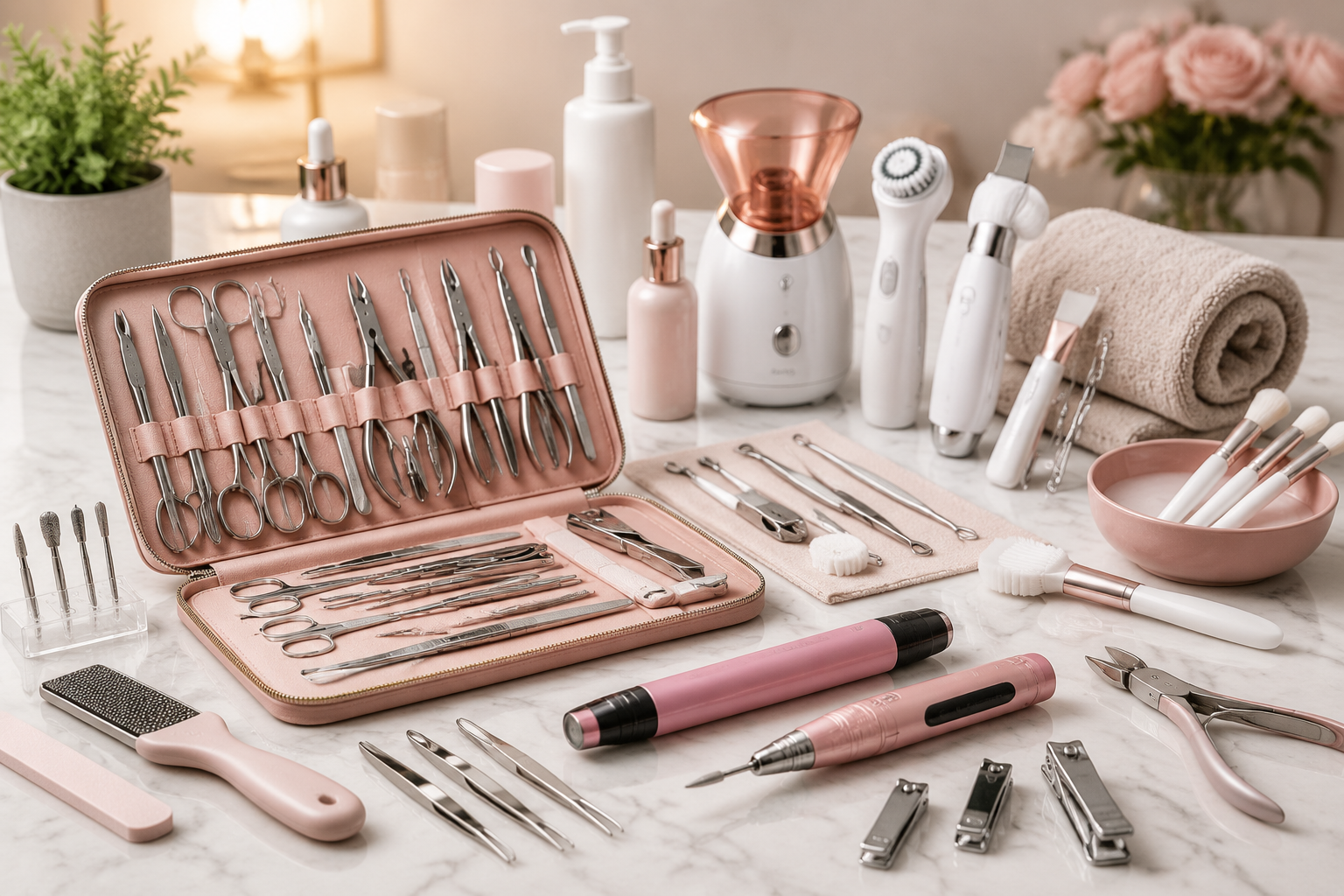
A Practical Buying Checklist Before You Order
Use the following checklist to prepare a focused inquiry and compare suppliers fairly. It helps reduce vague quotations and makes it easier to judge quality, cost, and service together.
- List the exact tool categories and quantities you need for the first order and expected repeat orders.
- Separate professional-use tools from retail kits, training kits, and promotional sets.
- Identify the required packaging type: individual, set box, pouch, or other retail-ready format.
- Prepare logo files and packaging requirements if OEM or private label service is needed.
- Request samples that represent the expected production version, not only a display item.
- Test tools for grip, alignment, sharpness, finish, and cleaning workflow.
- Agree on inspection points for appearance, function, packaging, and quantity before shipment.
- Keep an approved sample or specification sheet for future reorder comparison.
When your requirements are ready, you can send an inquiry with tool categories, target use, packaging needs, and branding expectations. If you need help clarifying the right product mix, contact Olimor to discuss your sourcing plan.
Final Thoughts for Salon Buyers
Beauty tools wholesale for salons should be approached as a long-term supply decision. The best choice is not simply the cheapest item, but the tool system that supports consistent service, practical hygiene routines, staff comfort, retail presentation, and repeat purchasing. By testing samples, documenting quality expectations, and aligning product categories with real salon services, buyers can build a more stable and cost-efficient supply chain.
For salons, academies, distributors, and online sellers, the right supplier relationship reduces uncertainty. It helps keep daily services consistent, branded kits organized, and future orders easier to manage.
Tag:
Related articles
- Beauty Tools Sourcing Guide
- OEM & Private Label
Private Label Grooming Kit Manufacturer: How Brands Build Custom Personal Care Sets
- Beauty Tools Sourcing Guide
- Lash & Brow Tools
Tweezers for Eyrow Grooming Supplier: B2B Buying Guide for Beauty Brands
- Beauty Tools Sourcing Guide
- OEM & Private Label