Nail Clipper OEM Market Trends for Beauty Tool Buyers
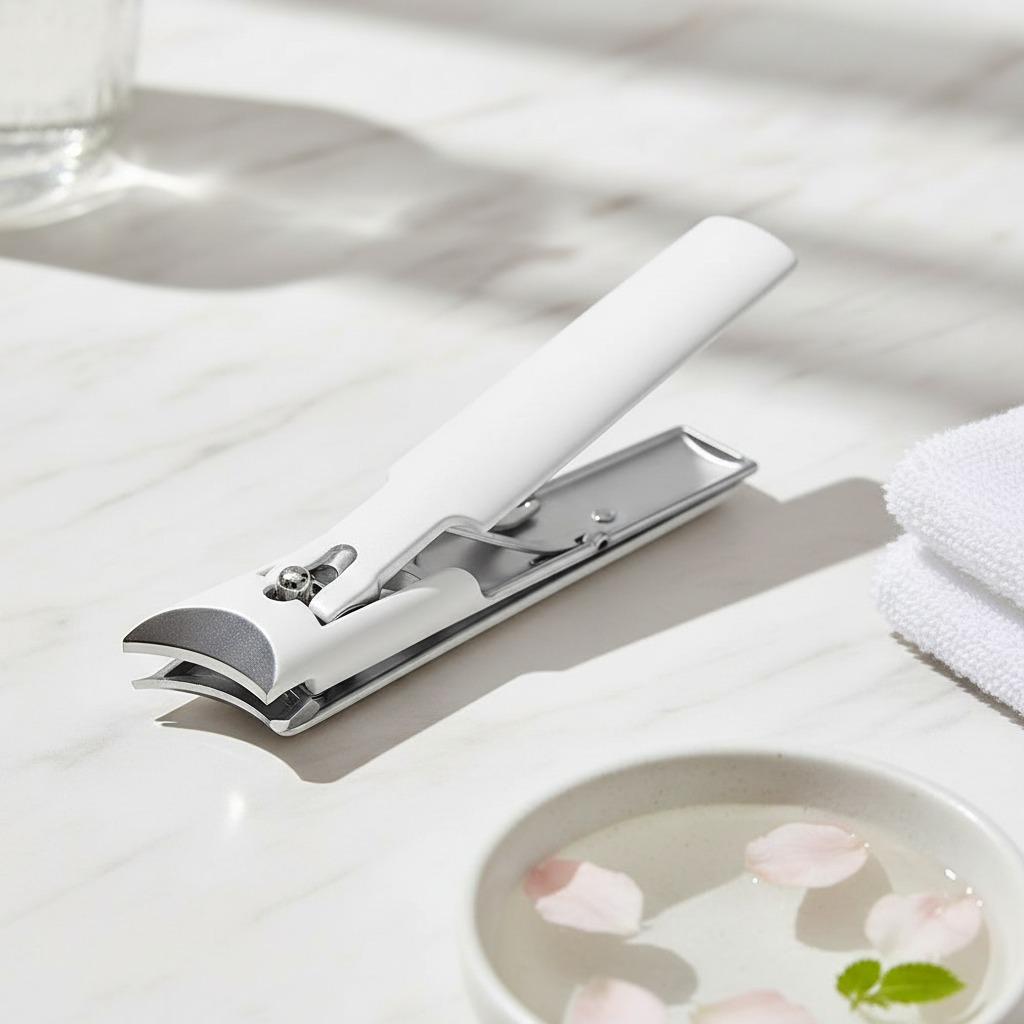
The nail clipper OEM market is no longer limited to simple, low-cost grooming tools. Beauty brands, importers, promotional product companies, pharmacies, e-commerce sellers, and private label retailers now look at nail clippers as part of a wider personal care range. A clipper may be sold on its own, included in a manicure kit, paired with travel grooming items, or positioned as a daily essential for home use.
For buyers, the market opportunity is attractive because nail clippers are compact, familiar, and repeatable products. At the same time, the category is more competitive than it looks. A product that cuts poorly, feels weak in the hand, rusts easily, or arrives with inconsistent finishing can quickly damage customer trust. Choosing the right OEM direction means balancing design, material expectations, packaging, quality control, and order planning before production begins.
This guide looks at current nail clipper OEM trends and the practical questions buyers should consider when sourcing from China manufacturers or bulk suppliers.
Why OEM Nail Clippers Remain a Strong Grooming Category
Nail clippers have steady demand because they serve a universal need. Consumers use them at home, during travel, in salons, in hotels, and as part of basic hygiene kits. Unlike trend-led cosmetics, the product function is easy to understand: it should trim cleanly, feel controlled, and remain reliable through repeated use.
OEM sourcing is especially useful when a brand wants more control than standard off-the-shelf wholesale purchasing can provide. Depending on the supplier’s capabilities, OEM projects may involve changes to finish, grip shape, packaging format, assortment planning, or branding. For a beauty tool line, these decisions help the nail clipper match the rest of the range rather than feeling like a generic add-on.
The strongest market trend is not simply customization for its own sake. Buyers are focusing on usable improvements: comfortable handling, consistent cutting alignment, compact travel-friendly shapes, and packaging that communicates the intended user clearly. A family nail clipper, a salon retail clipper, and a travel grooming clipper may look similar at first, but the buyer requirements behind them can be very different.
Key Trends Shaping Nail Clipper OEM Sourcing
Several trends are influencing how brands select nail clipper manufacturers and bulk suppliers. These trends are practical rather than decorative; they affect how the product performs, ships, and sells.
- More attention to ergonomics: Buyers increasingly look for lever shapes and body profiles that are comfortable to hold. A secure grip matters because nail trimming requires controlled pressure.
- Demand for durable daily tools: Stainless steel is commonly associated with grooming tools because buyers expect resistance to everyday wear and easy cleaning. Material selection should be confirmed against the intended price point and market positioning.
- Simple, clean finishes: Matte finishes and understated metal looks are popular because they suit modern personal care packaging and are less dependent on seasonal color trends.
- Bulk purchasing for multiple channels: The same nail clipper may be prepared for online sales, retail displays, promotional kits, or manicure sets. Packaging and labeling requirements should be planned early.
- Greater focus on inspection: Buyers want production checks that cover raw materials, edge alignment, lever strength, surface finish, and final packaging, not only a quick visual review before shipment.
These trends show why OEM decisions should begin with the end user. A product intended for travel convenience may prioritize compact size and protective packaging. A salon retail product may require a more premium hand feel. A bulk promotional tool may need a simple design that can be produced consistently and packed efficiently.
How to Evaluate a Nail Clipper China Manufacturer
China remains a major sourcing region for nail clipper OEM and wholesale nail clipper projects because buyers can access experienced manufacturing, scalable production processes, and a wide range of finishing and packaging options. However, supplier selection should be based on more than a product photo or a low quoted price.
A useful evaluation starts with manufacturing clarity. The supplier should be able to explain the production steps that affect cutting performance, including forming, sharpening, assembly, surface treatment, inspection, and packing. Even if the buyer is not a technical engineer, these discussions reveal whether the supplier understands the product as a precision grooming tool or only as a commodity item.
Quality control is another important consideration. For nail clippers, small inconsistencies can create noticeable problems: blades may not meet evenly, the lever may feel loose, the surface may have burrs, or the clipper may cut roughly instead of cleanly. Buyers should define inspection points before the order is confirmed. When comparing beauty tool products, look for the same seriousness that would be applied to tweezers, scissors, or other tools where alignment and finish determine user experience.
Communication also matters. OEM projects often involve artwork, packaging files, color references, sample approvals, and shipping marks. A capable supplier should help organize these details so that the final batch reflects the approved sample as closely as possible.
Wholesale, Bulk, and OEM: Choosing the Right Buying Route
Buyers often use the terms wholesale, bulk, and OEM interchangeably, but they are not identical. Understanding the difference helps avoid confusion during sourcing.
| Buying route | Best suited for | Main buyer focus |
|---|---|---|
| Wholesale nail clipper | Retailers or sellers needing existing products quickly | Available designs, stock options, packaging, unit consistency |
| Buy nail clipper in bulk | Importers, distributors, promotional buyers, and kit assemblers | Order quantity planning, carton packing, price structure, delivery timing |
| Nail clipper OEM | Brands building a private label or coordinated grooming range | Customization, sample approval, branding, inspection standards |
A startup brand may begin with wholesale or bulk purchasing to test demand, then move into OEM once it understands customer preferences. A larger brand may start directly with OEM if it already has design requirements and packaging standards. Neither route is automatically better; the right choice depends on timing, budget, product differentiation, and how much control the buyer needs.
For buyers exploring a broader personal care assortment, reviewing related product collections can also help determine whether the nail clipper should be sold alone or combined with complementary tools.
Customization Decisions That Actually Affect Sales
Customization should support the product’s purpose. Too many changes can add complexity without improving the customer experience. Before requesting a unique design, buyers should decide which features matter most for their target audience.
- Clipper type: Decide whether the product is intended for fingernails, toenails, or a general grooming set. Toenail clippers may need a different size or leverage expectation than compact fingernail clippers.
- Grip and lever feel: The user should be able to press smoothly without the tool feeling unstable. This is especially important for customers who value comfort and control.
- Surface finish: Polished, brushed, matte, or coated finishes create different impressions. The finish should match the brand’s visual identity and the expected retail price.
- Packaging format: Options may include simple bulk packing, individual retail packaging, travel-friendly formats, or inclusion in a grooming kit. Packaging affects shelf appeal, shipping volume, and customer perception.
- Branding placement: Logos and markings should be considered carefully. A subtle mark can look professional, while oversized decoration may reduce the perceived quality of a small metal tool.
It is also helpful to think about after-sale feedback before production. If customers complain about clippers, the issue is usually not the absence of decoration. It is more likely cutting performance, uncomfortable handling, weak construction, or poor finishing. OEM choices should reduce those risks first.
Quality Checks Buyers Should Define Before Production
A nail clipper is a simple-looking product, but quality depends on multiple details working together. Buyers should prepare a checklist that can be used during sample review and production inspection.
- Do the cutting edges meet evenly when the lever is pressed?
- Does the clipper cut cleanly without tearing or crushing the nail?
- Is the lever stable, with no excessive looseness?
- Are there sharp burrs, scratches, stains, or uneven surface areas?
- Does the finish match the approved sample?
- Is the product comfortable to hold for the intended user?
- Is the packaging clean, protective, and correctly labeled?
- Are carton marks, quantities, and packing methods aligned with the purchase order?
These checks are especially important for bulk orders because small defects can multiply across a large shipment. A clear approved sample, written inspection criteria, and well-prepared packaging files reduce the chance of disagreement later.
Sourcing Questions for Importers and Private Label Brands
Before committing to a nail clipper OEM project, buyers should prepare a concise sourcing brief. This does not need to be complicated, but it should answer the core questions that influence product direction.
Start with the market: who will use the clipper, where will it be sold, and what price level is expected? Then define the product: size preference, finish direction, packaging type, logo needs, and whether the clipper will be sold individually or inside a set. Finally, define the operational details: target order timing, documentation needs, inspection expectations, and shipping plan.
If you are comparing suppliers, request samples that reflect realistic production quality rather than only showroom appearance. Test the clipper repeatedly, check the finish under normal light, and compare packaging durability. When the project requires custom packaging or brand artwork, allow time for revisions before mass production.
Olimor Beauty works with buyers looking for beauty tool sourcing support, including nail clipper OEM and wholesale purchasing discussions. To share a project brief, you can send an inquiry or contact Olimor for product and sourcing communication.
Building a Better Nail Clipper Line
The nail clipper OEM market rewards buyers who treat the product as a functional grooming tool, not a disposable accessory. The strongest projects begin with clear use cases, realistic customization, and inspection standards that protect cutting performance and finish consistency.
Whether you plan to buy nail clippers in bulk, develop a private label grooming item, or add a reliable tool to an existing beauty assortment, the same principles apply: choose a supplier with manufacturing understanding, confirm samples carefully, keep packaging aligned with the sales channel, and define quality expectations before production. In a competitive category, those practical decisions make the difference between a basic commodity and a product customers are willing to purchase again.
Tag: