Custom Logo Tweezers: Trends, Uses and Sourcing Questions for Beauty Brands
Custom logo tweezers sit at the intersection of precision, presentation and everyday usefulness. For beauty brands, lash artists, salons, gift-set planners and promotional buyers, a tweezer is not just a small accessory. It is a tool customers may keep in a pouch, treatment room, travel kit or retail package for months or years. When the logo is applied cleanly and the tool performs well, it can keep a brand visible every time a customer removes a stray brow hair, applies lashes or handles delicate craft details.
The current demand for branded beauty tools reflects a practical shift: buyers want items that look distinctive but still pass real-use expectations. A bright finish or printed mark can attract attention, but the value of custom logo tweezers depends on grip comfort, tip alignment, durability, packaging suitability and consistent quality across the order. This guide explains where the trend is heading and how to evaluate options before developing a branded tweezer program with Olimor Beauty.
Why Custom Logo Tweezers Are Gaining Attention
Beauty customers are more selective about the tools that come with kits and retail sets. They expect accessories to feel intentional rather than generic. Custom logo tweezers answer that expectation because they combine a familiar grooming tool with a visible brand cue. The product is small enough for gift boxes and service kits, yet useful enough to avoid the short life cycle of many promotional items.
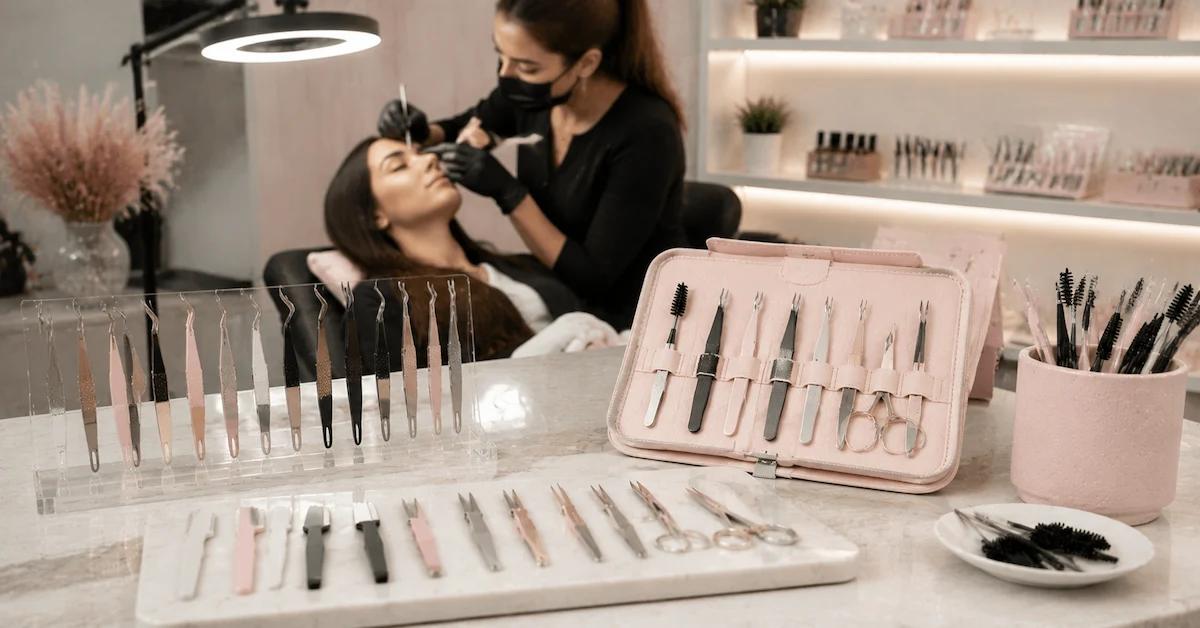
For salons and lash professionals, branded tweezers can support a cohesive treatment environment. For retail beauty brands, they can help complete an eyebrow, lash or grooming assortment. For promotional programs, they offer a practical alternative to disposable giveaways. The trend is especially relevant where the buyer wants a tool that can be presented as part of a professional set rather than as a novelty item.
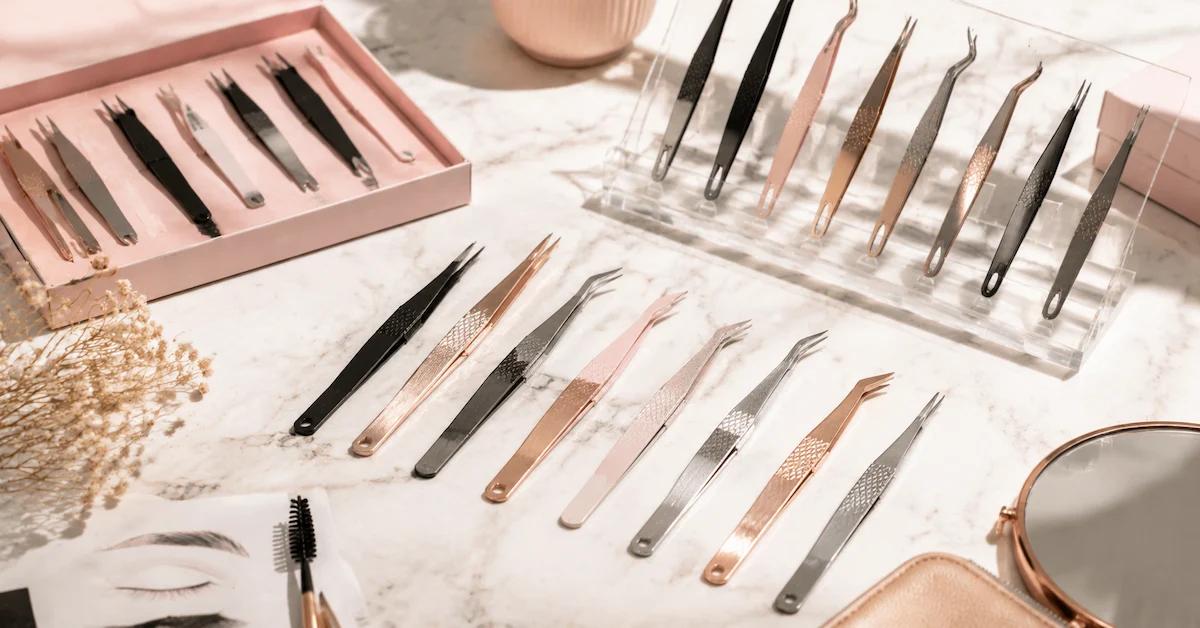
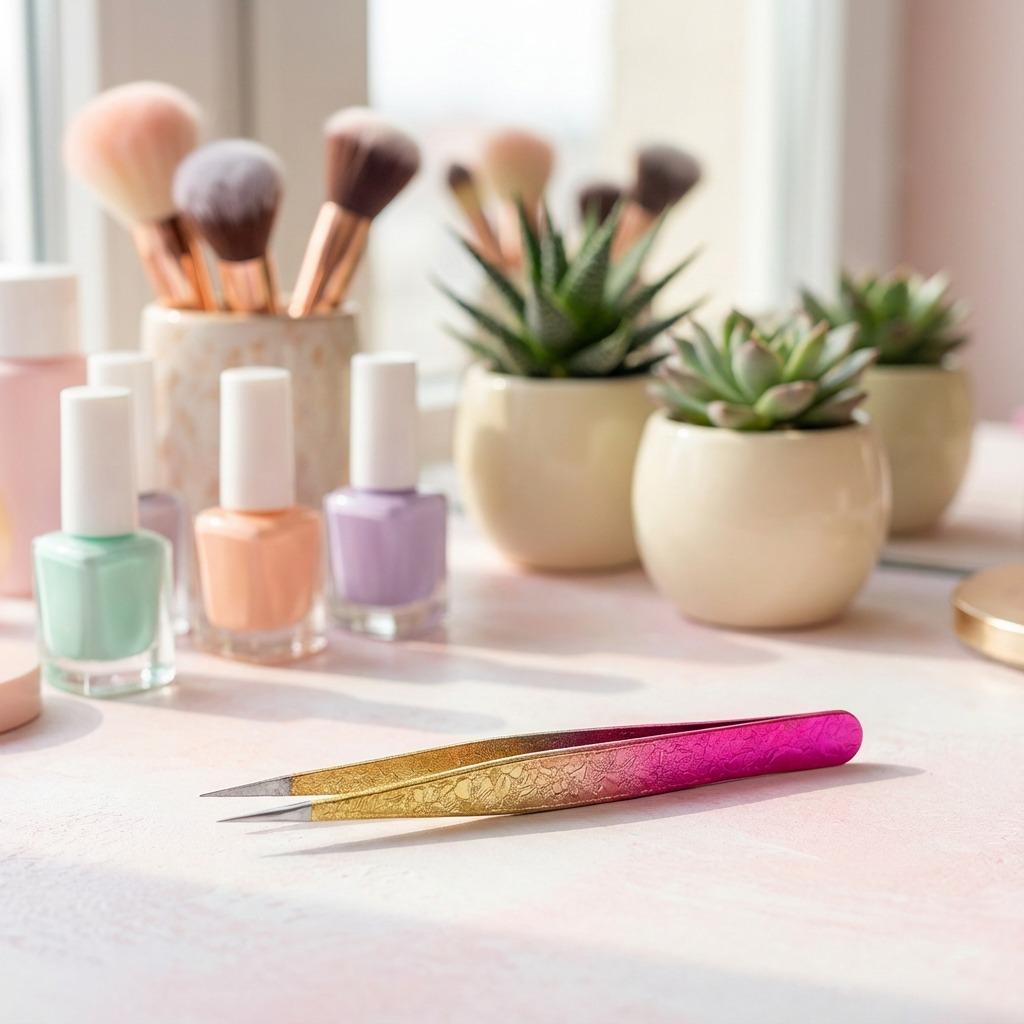
Customization also supports differentiation in crowded product categories. A logo, color direction or patterned grip can help a buyer connect the tweezer to a larger brand identity. In the supplied market discussion, gradient tweezers with ombre effects and floral grips are examples of how visual details can make a simple tool feel more aligned with modern beauty merchandising.
Common Use Cases for Branded Precision Tweezers
Before choosing a finish or logo placement, buyers should define the intended use. A tweezer designed for lash application may be evaluated differently from one intended for everyday brow grooming or delicate crafting. Ultra-fine tips, for example, can be valuable for lash work or detail handling, while broader use may require a balance between precision and comfort.
- Lash application kits: Ultra-fine tips can help users pick up and position lightweight lash elements with better control.
- Eyebrow grooming sets: A branded tweezer can complement scissors, brushes, razors or other brow tools in retail packaging.
- Salon and spa retail: A custom logo tool can be sold or gifted after a treatment, keeping the service provider visible at home.
- Promotional beauty gifts: Tweezers are compact, practical and easy to include in pouches, event kits or sample bundles.
- Craft and detail work: Precision tweezers may also appeal to users who handle small decorations, labels or delicate components.
Clear use-case planning prevents overbuying decorative features while underestimating functional requirements. If the target user is a professional lash artist, tip alignment and hand feel should lead the decision. If the product is primarily a brand gift, visual consistency and packaging experience may carry more weight, while the tool still needs to perform reliably.
What Buyers Should Check Before Adding a Logo
A logo can make a tweezer more memorable, but it cannot compensate for poor alignment, weak grip or inconsistent finishing. Start with the base tool. Stainless steel is referenced in the existing product discussion, and it remains a common choice for beauty tweezers because buyers associate it with cleanliness and durability. However, the exact material details, finish and surface treatment should be reviewed for the intended market and packaging environment.
Practical evaluation should include how the tweezer closes, whether the tips meet evenly, whether the edges feel smooth enough for consumer handling and whether the tension feels comfortable. A tweezer that is too stiff may fatigue the hand, while one that is too loose may feel imprecise. For ultra-fine tips, protective packaging becomes more important because tip deformation during shipment or handling can affect performance.
Logo placement also matters. A mark should be visible without interfering with grip. On decorative styles such as ombre finishes or floral grips, contrast must be considered so the logo is legible. Buyers should also think about whether the logo needs to match a retail set, a treatment kit or broader visual guidelines. For related categories and assortment planning, browse Olimor beauty tool products to compare how different tool formats can work together in one branded program.
Factory Direct Sourcing: Benefits and Realistic Questions
Factory direct sourcing can make customization more efficient because discussions about finish, logo, packaging and inspection are closer to production. The original market angle highlights Olimor Beauty as a tweezers exporter and long-term supplier, with factory-direct offerings and quality assurance from raw materials to packaging. For buyers, the advantage is not simply cost control; it is the ability to align technical expectations with branding requirements before production moves forward.
That said, factory direct does not remove the need for a disciplined specification process. Custom logo tweezers should be treated as both a beauty tool and a branded product. A buyer should confirm which visual details are essential, which can be adjusted for production stability and how finished goods will be checked. The best preparation is a clear brief rather than a vague request for a “premium” tweezer.
- Define the user: Professional lash artist, retail consumer, salon client, gift recipient or craft user.
- Confirm the tweezer type: Tip shape, tension, grip area and suitability for the intended task.
- Choose the visual direction: Stainless steel appearance, gradient ombre effect, floral grip or another available design direction.
- Plan logo visibility: Size, placement, color contrast and whether the logo should appear on packaging as well.
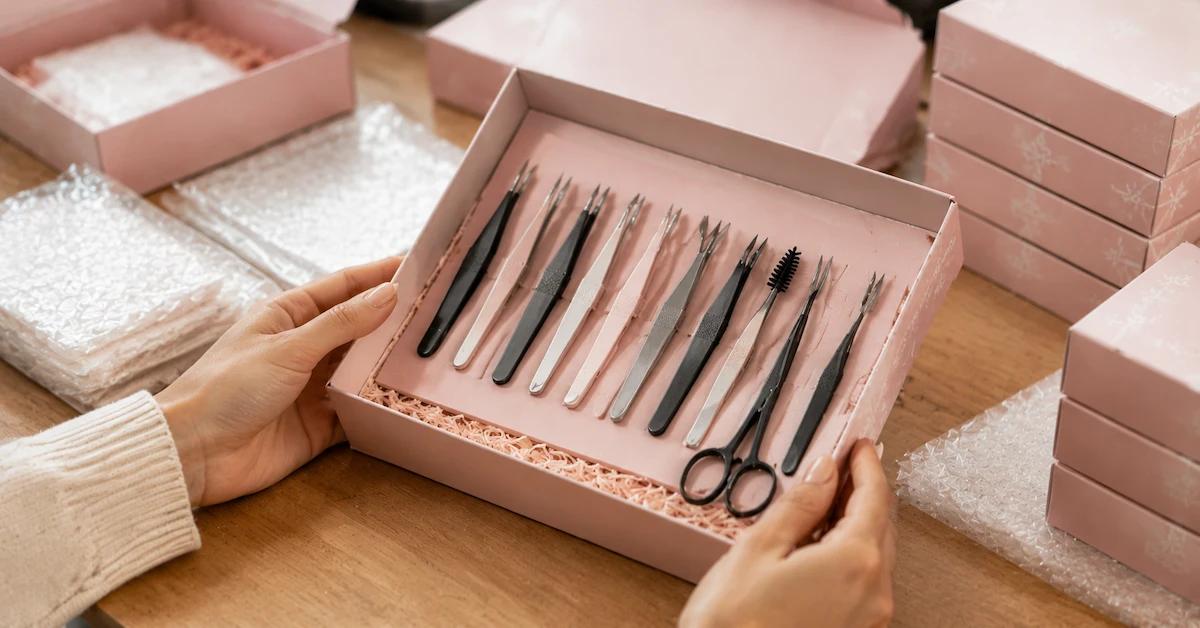
- Review protection: Tip covers, sleeves, cards or boxes that help prevent damage and support presentation.
- Set inspection priorities: Tip alignment, surface finish, logo clarity, packaging condition and quantity accuracy.
If your project involves a defined launch window, a retail set or a promotional campaign, share the core requirements early through send an inquiry. A concise brief helps clarify what is possible for the desired style, presentation and timing.
Branding and Packaging Decisions That Affect Perceived Quality
The way a tweezer is packaged can influence how customers judge the product before they use it. A custom logo on the tool is important, but packaging can explain the intended use, protect fine tips and connect the tweezer to the rest of a beauty line. For retail, the buyer may want packaging that hangs, stacks or fits inside a kit. For salons, a clean sleeve or pouch may be sufficient. For promotional distribution, compact packaging often matters because shipping and event handling can be demanding.
Packaging should not be designed only around appearance. It should protect the tips from pressure and reduce the chance of surface scratches. This is especially relevant for ultra-fine tips used in lash applications or delicate crafting. If the tool has an ombre effect or floral grip, the packaging should allow the design to be seen without exposing the tweezer to unnecessary damage.
Logo consistency across the tool and packaging is another detail that can affect perceived professionalism. A mismatch in color, placement or scale can make a branded item look disconnected from the rest of the assortment. Buyers comparing multiple beauty accessories can review Olimor product collections to think through how custom tweezers may sit alongside other tools in a coordinated program.
Quality Review Points for Export-Quality Tweezers
Export-focused beauty tools need consistent checking because small defects are easy for customers to notice on precision products. A logo smear, uneven finish or misaligned tip can change the way the entire order is perceived. The existing article notes thorough inspections and quality assurance, which are especially important for custom logo tweezers because the buyer is evaluating both function and brand presentation.
| Review area | What to look for | Why it matters |
|---|---|---|
| Tip alignment | Tips meet evenly without visible gaps or twisting | Affects precision for brows, lashes and detail handling |
| Tip condition | No bent, rough or overly sharp unintended edges | Supports safer, more comfortable use |
| Tension | Comfortable resistance when opening and closing | Reduces hand fatigue and improves control |
| Surface finish | Clean appearance, consistent color or pattern | Protects the branded look of the product |
| Logo application | Readable mark with suitable contrast and placement | Keeps the brand visible and professional |
| Packaging | Secure, clean and protective for the tip area | Helps preserve condition during storage and shipment |
These checks can be used internally by purchasing teams when reviewing samples or preparing an approval standard. They are also helpful when comparing multiple tweezer styles for the same campaign. A decorative tweezer may attract the eye, but the final choice should still be based on whether the tool is appropriate for the user's hand and task.
Outlook: Personalization Will Keep Moving Toward Practical Branding
The market outlook for custom logo tweezers is not just about adding more decoration. The stronger direction is practical personalization: tools that carry a brand identity while still performing well for grooming, lash work or detailed handling. Buyers are likely to keep looking for options that combine recognizable design, reliable stainless steel construction, clean logo application and packaging that suits modern beauty retail.
Ombre effects, floral grips and other visual treatments show how tweezers can be made more distinctive without changing their basic purpose. At the same time, professional and retail buyers are becoming more careful about sourcing decisions. They want clarity around function, presentation and consistency before committing to a branded tool.
For a successful custom tweezer program, begin with the user, then select the tool, then refine the logo and packaging. This order keeps the project grounded in performance while still delivering the branded appearance customers expect. To discuss a custom logo tweezer project or compare suitable beauty tool options, contact Olimor with your intended use, design direction and packaging needs.
Tag: