

How to Choose a Tweezers Supplier for Precision Beauty Tools
For beauty brands, lash technicians, brow specialists and tool distributors, tweezers are small products with a large effect on daily work. A pair that does not grip cleanly, feels unbalanced or loses alignment quickly can slow down service time and reduce confidence in the result. Choosing the right tweezers supplier is therefore not only a purchasing decision; it is a product quality decision that affects how your customers experience your brand.
Olimor Beauty supports buyers looking for precision tweezers, tweezers OEM production and design your own tweezers options. The goal is to help professional buyers evaluate the right shape, finish, packaging direction and quality details before placing a custom order. Whether you are building a retail beauty line or sourcing tools for salon use, the following guide explains what to look for when comparing suppliers and planning a tweezers project.
Start With the Actual Use Case
The best tweezers are not defined by appearance alone. They are selected according to the task. A brow artist removing fine hairs, a lash technician isolating extensions and a craft user handling tiny decorative parts may all need different tension, tip geometry and hand feel. Before discussing custom production, define the main application and the user environment.
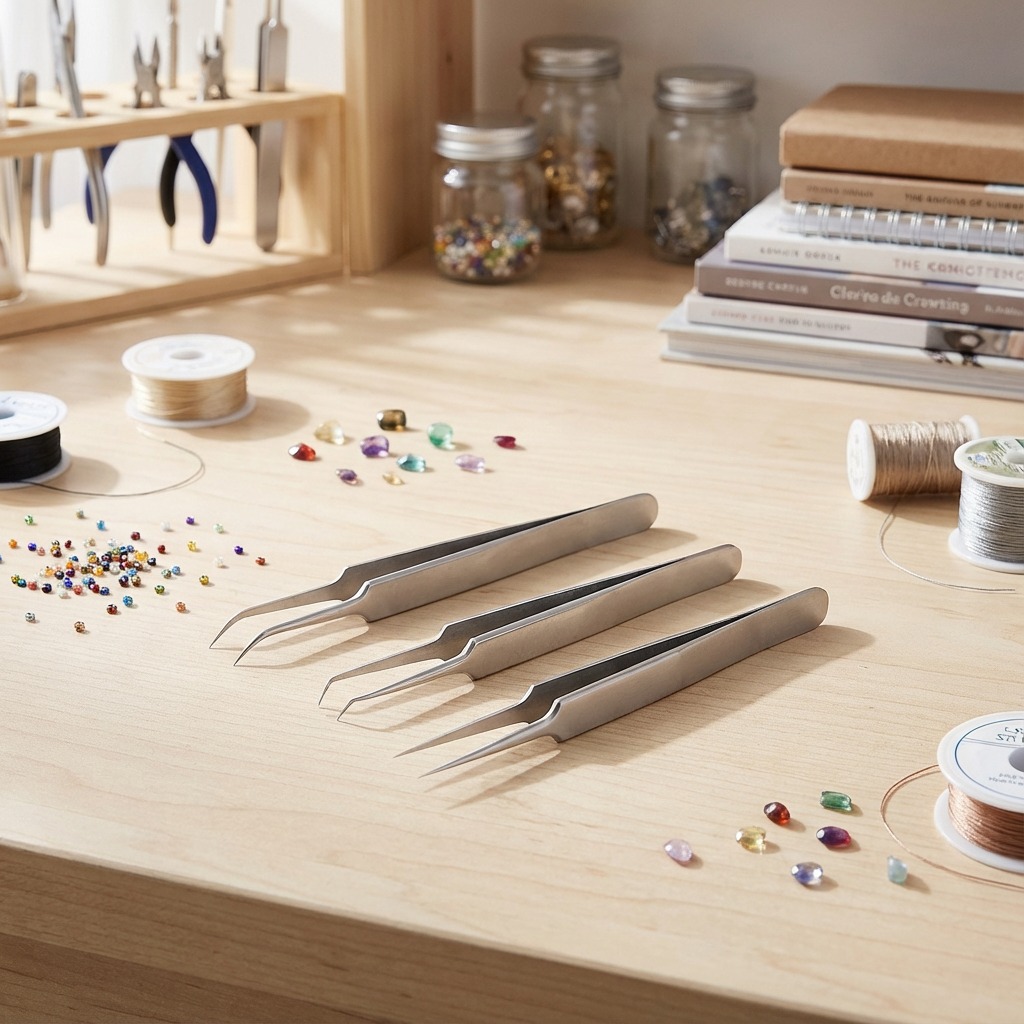
For beauty tools, common requirements include accurate tip contact, a comfortable squeeze action and a surface that can be cleaned easily. For lash work, the user may prefer a curved tip for better visibility and controlled placement. For detailed craft work, a fine tip may be more useful because it can reach very small parts. A straight tip is often selected for precise hair removal when alignment and clean gripping are the priority.
When planning an OEM project, it helps to map each tool to a clear user. A professional kit may include multiple tip styles, while a retail product may focus on one versatile shape. Olimor Beauty can be considered by buyers who want to compare custom tweezers with other beauty tool products and build a more complete sourcing plan.
Key Tweezers Features Buyers Should Compare
A reliable tweezers supplier should make it easier to evaluate the parts of the product that affect performance. Visual design matters, especially for retail packaging, but the hidden details determine whether the tool will be useful after repeated handling.
- Tip alignment: The two tips should meet evenly. Poor alignment can cause slipping, breakage of fine hair or difficulty picking up small items.
- Tip style: Straight, curved and fine tips serve different jobs. Select the shape according to the task rather than choosing only by appearance.
- Material choice: The supplied product information highlights stainless steel tweezers. Stainless steel is commonly valued for durability and resistance to rust and staining when properly maintained.
- Grip tension: Tension should be firm enough for control but not so stiff that it causes fatigue during long services.
- Finish: A satin finish can create a professional look and may reduce a harsh glare under work lights.
- Edge comfort: The body and handle area should feel smooth in the hand, especially for technicians using tweezers for many appointments.
- Packaging readiness: For branded sales, packaging should protect the tips and present the tool clearly to retail or professional buyers.
These points also help when comparing samples. Instead of judging only from photos, test how the tweezers behave during the exact action your customers perform most often.
Understanding Tweezers OEM and Custom Production
Tweezers OEM is useful when a brand wants tools that match its market position, packaging style and preferred user experience. The process may include discussing the intended product category, choosing tip styles, confirming finishes, reviewing sample details and preparing production requirements. The original product information notes Olimor Beauty’s focus on precise engineering, internal quality control and production from stainless steel selection to final packaging.
For buyers, the most important step is to prepare a clear specification. A vague request such as “high-quality tweezers” leaves too much room for interpretation. A better request explains the end user, the primary application, the desired tip type, the finish direction and whether the tweezers will be sold alone or as part of a kit. If your brand already has a visual identity, include color references, logo placement preferences and packaging expectations.
Custom production also benefits from a practical review stage. Check whether the sample opens and closes smoothly, whether the tips meet correctly and whether the tool feels consistent across multiple pieces. For a professional beauty buyer, consistency is often as important as the best single sample because the customer expects the same performance from every unit purchased.
Tip Styles: Straight, Curved and Fine
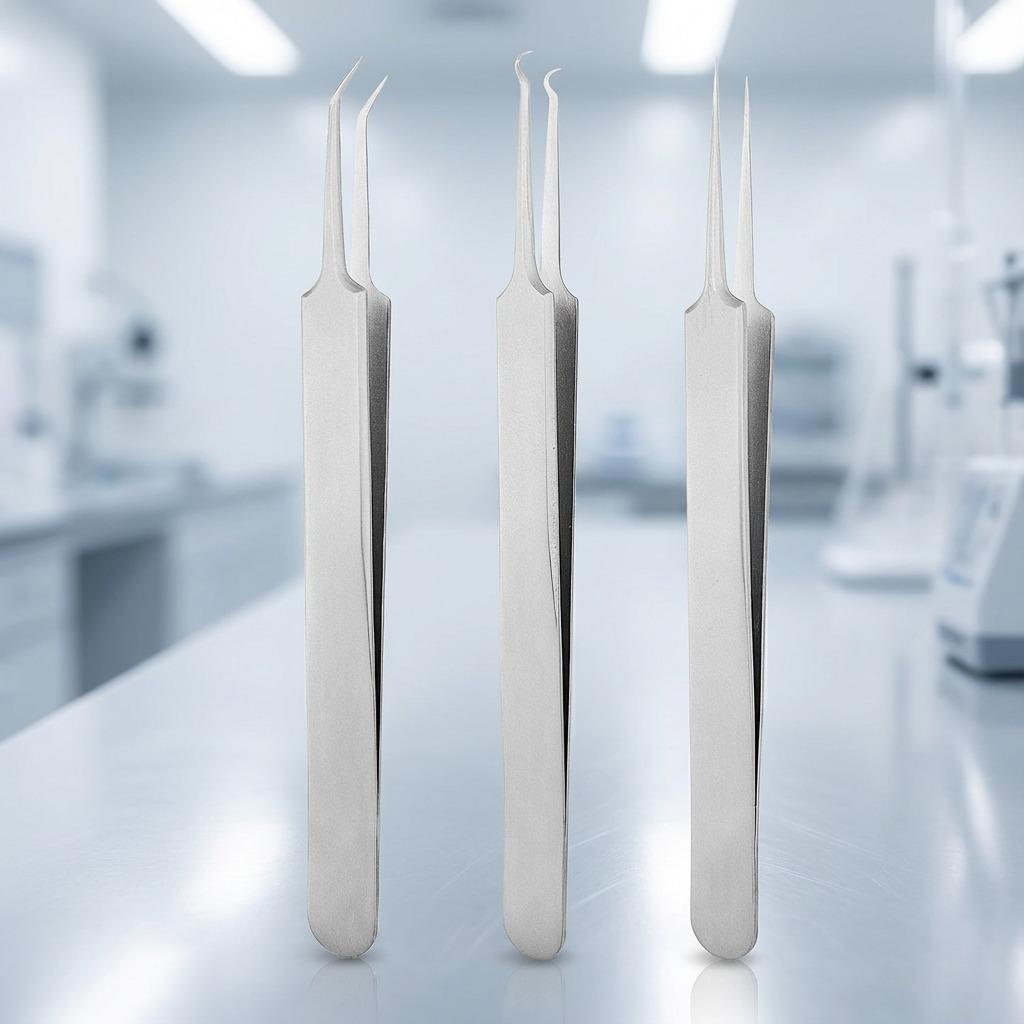
The supplied product information identifies a trio of tweezers styles: Straight Tip for accurate hair removal, Curved Tip for lash work and Fine Tip for detailed crafts. These categories are a useful starting point for buyers building a range.
| Tip style | Typical use | Selection notes |
|---|---|---|
| Straight tip | Accurate hair removal | Best when the user needs direct grip and clean contact with the hair or item being removed. |
| Curved tip | Lash work | Helpful when visibility and controlled angle are important during lash application or isolation tasks. |
| Fine tip | Detailed crafts or delicate handling | Useful for reaching small areas, but should be protected carefully to avoid tip damage. |
A complete product line does not always need every shape. If your customer base is mainly brow-focused, a straight tip may be the hero product. If your buyers are lash artists, curved styles may deserve more attention. If you sell beauty and craft tools together, fine tips can add useful versatility. Visit Olimor’s product collections to review how different beauty tools can fit together in a broader assortment.
Design Your Own Tweezers Without Overcomplicating the Product
Design your own tweezers options are valuable, but effective customization should improve recognition and usability rather than adding unnecessary complexity. Buyers often think first about color or logo, but shape, finish, comfort and packaging are just as important.
A focused custom plan may include selecting a straight, curved or fine tip; choosing a satin or other suitable finish direction; deciding where brand artwork should appear; and planning packaging that protects the tips during shipping and display. If the tool will be used in salons, clean handling and durability may matter more than decorative features. If it will be sold in retail, the product needs to communicate its purpose quickly on shelf or online.
It is also wise to avoid promising performance claims unless they are supported by confirmed testing or documentation. A strong product page can describe the tool’s intended use, stainless steel construction when applicable, ergonomic handling and rust- or stain-resistant qualities noted in the product information, while leaving technical claims to verified specifications.
Quality Checks Before Approving a Tweezers Order
Before moving from sample to order, evaluate the tweezers with a practical checklist. This helps reduce misunderstandings and creates a shared standard for the supplier and buyer.
- Inspect the tips under good light. Look for even contact, symmetry and any visible burrs or roughness.
- Test grip on realistic materials. Use fine hair, lash materials or small craft parts depending on the product’s intended purpose.
- Check opening and closing tension. The tool should feel controlled, not weak or overly stiff.
- Review the finish. Confirm that the appearance matches the approved direction and that the surface feels comfortable in the hand.
- Check packaging fit. The tips should be protected so they do not become misaligned during transport or storage.
- Compare multiple samples. Consistency across several pieces is a stronger sign than one excellent unit.
These checks are especially important for private label and OEM projects because your brand name will be attached to the user experience. Small alignment issues may not be obvious in a product photo, but they become obvious during professional use.
Maintenance Guidance Your Customers Will Appreciate
Good aftercare information can reduce complaints and help users get better life from their tools. Stainless steel tweezers should still be treated with care. After use, the tool should be cleaned according to the user’s professional hygiene routine, dried fully before storage and kept away from conditions that may damage the tips. Fine tips in particular should not be dropped into a drawer without protection.
For retail brands, include simple care instructions on packaging or product pages. Explain that the tweezers should be stored with the tips protected, kept dry after cleaning and used only for their intended purpose. A straight tip made for hair removal should not be used as a general prying tool, and a fine tip should not be used with excessive force. Clear maintenance guidance protects both the user and the product reputation.
Working With Olimor Beauty on Tweezers Sourcing
Olimor Beauty is positioned for buyers seeking a tweezers supplier with OEM and custom design support for precision beauty tools. The supplied product information highlights stainless steel construction, straight, curved and fine tip options, ergonomic considerations, satin finish styling and internal quality control. These are useful foundations for buyers who want tools for brow grooming, lash applications, detailed craft work or branded beauty assortments.
When preparing a new project, define the end user, select the tip style, clarify the finish and packaging direction, and prepare any branding files or product positioning notes. This makes the conversation more efficient and helps the final tool match the intended market. If you are comparing custom tweezers or planning a branded tool range, you can send an inquiry with your project details or contact Olimor to discuss the next sourcing steps.
Tag: