

Importing Nail Clippers from China: What Beauty Tool Buyers Should Check
Importing nail clippers from China can be a sensible sourcing route for beauty retailers, salon suppliers, distributors, and private-label grooming brands. Nail clippers are compact, repeat-purchase grooming tools, but they are not simple commodities when buyer expectations include clean cutting, corrosion resistance, comfortable handling, stable packaging, and dependable supply. A low unit price alone does not make a clipper suitable for a professional beauty assortment or consumer retail shelf.
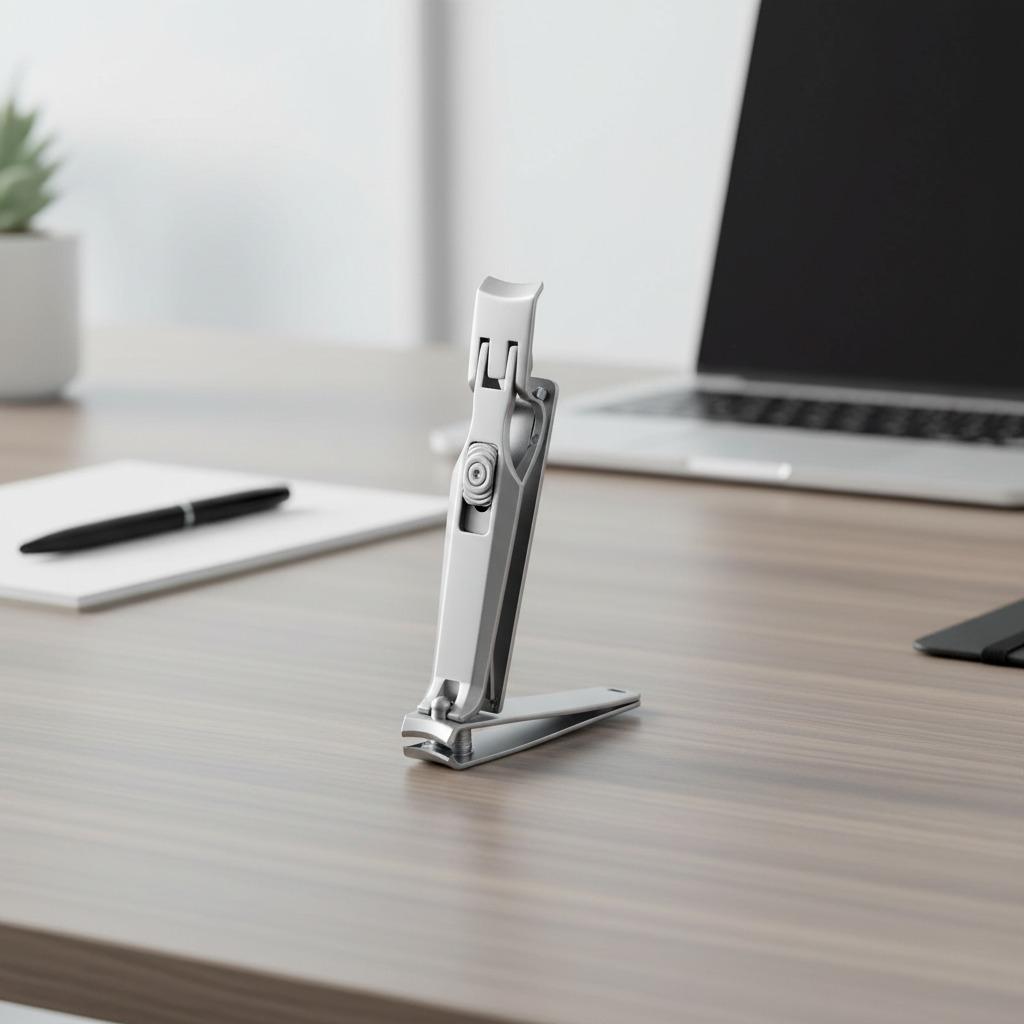
For businesses evaluating Chinese manufacturing partners, the useful question is not only “How much does it cost?” but “Will this tool cut consistently, arrive in saleable condition, and fit the expectations of my market?” Olimor Beauty offers precision-engineered nail clippers made from high-quality stainless steel, with a compact size of 91 mm in length, 16 mm in width, and a lightweight 48 g body for portability. Those stated dimensions make the product easy to compare when reviewing samples, packaging space, shipping weight, and merchandising plans.
This guide explains the main sourcing points to review before importing nail clippers from China, including product construction, supplier evaluation, quality control, packaging, logistics, and after-sale risk management.
Why China Is a Common Source for Nail Clippers
China has become a major sourcing base for small beauty and grooming tools because many factories, component suppliers, packaging vendors, and export service providers operate within connected manufacturing regions. For importers, that supply-chain concentration can make sample development, packaging coordination, and shipment consolidation more efficient than sourcing each part from a separate location.
Nail clippers benefit from this type of production environment. A buyer may need stainless steel bodies, cutting-edge finishing, lever assembly, surface polishing, retail card packaging, instruction inserts, barcode labels, and carton packing. When these steps are coordinated well, the final product is easier to manage for retail or wholesale channels.
However, the advantage of importing from China depends on disciplined supplier selection. Buyers should avoid treating every nail clipper as interchangeable. Two clippers may look similar in a product photo but perform differently after repeated use. The sharper and more aligned the cutting edges are, the less pressure the user needs to apply. The more stable the pivot and lever feel, the more confidence a consumer has in the tool. For beauty businesses, these details affect reviews, repeat orders, and return rates.
If you are building a wider grooming assortment, it can also help to compare nail clippers with related beauty tool products so that handle finish, packaging style, and price positioning remain consistent across the range.
Product Details That Matter More Than a Low Price
A nail clipper is a small tool, but small differences in production can create large differences in user experience. Olimor Beauty’s nail clipper specification in the supplied product information includes a 91 mm length, 16 mm width, 48 g weight, and high-quality stainless steel construction. These facts are useful starting points for import planning because they relate directly to usability, portability, and material expectations.
When comparing samples from different suppliers, buyers should focus on measurable and observable details:
- Cutting alignment: The upper and lower blades should meet evenly across the cutting edge, without gaps or uneven bite points.
- Blade sharpness: A good clipper should trim cleanly without crushing, bending, or tearing the nail edge.
- Lever movement: The press action should feel controlled, not loose, rough, or overly stiff.
- Material finish: Stainless steel should appear smooth and clean, with no sharp burrs on edges that touch the fingers.
- Portability: A 48 g tool is light enough for travel kits, salon drawers, retail grooming sets, or personal toiletry bags.
- Packaging fit: The clipper should be secured so it does not scratch, rotate, or damage the packaging during shipment.
For importers, the goal is to match the product to its selling channel. A budget retail clipper, a salon-use clipper, and a gift-set component may require different packaging and finish expectations. The underlying performance should still be consistent: clean cut, comfortable grip, and durable structure.
How to Evaluate a Nail Clipper Supplier in China
Choosing a nail clipper global supplier should involve more than browsing catalog photos. A strong supplier should be able to explain the product’s material, dimensions, packaging options, production workflow, inspection points, and export documentation process. Buyers do not need to know every factory process in technical depth, but they should receive clear answers to practical purchasing questions.
Use this checklist when assessing a potential supplier:
- Confirm the exact product specification. Record the length, width, weight, material description, finish, packaging format, and any accessory details before approving a quote.
- Request physical samples. Review cutting performance, hand feel, finish consistency, and packaging durability before moving to a larger order.
- Check sample-to-bulk consistency. The approved sample should become the reference standard for production, packing, and final inspection.
- Clarify inspection procedures. Define what will be checked: appearance, cutting performance, lever action, quantity, labeling, carton strength, and packaging condition.
- Review export readiness. Confirm carton marks, product labeling, commercial documents, and shipping coordination requirements for your destination market.
- Plan communication responsibilities. Decide who confirms artwork, barcodes, packaging layout, shipment schedule, and any corrective action if issues appear.
For businesses comparing suppliers, Olimor can be contacted through contact Olimor to discuss current nail clipper options, packaging direction, and sourcing requirements. If you already have a planned order or product brief, you can also send an inquiry with the details needed for review.
Quality Control Points Before Export
Quality control is especially important for nail clippers because defects are often noticed immediately by the user. A clipper that feels dull, misaligned, or uncomfortable can damage customer confidence even if the packaging looks good. Before shipment, the inspection plan should include both appearance and function.
| Inspection Area | What to Check | Why It Matters |
|---|---|---|
| Cutting edge | Alignment, sharpness, clean closure, no visible chips | Determines trimming performance and user satisfaction |
| Surface finish | No burrs, stains, scratches, or rough contact points | Protects perceived quality and comfort in hand |
| Lever and pivot | Smooth press action, stable movement, secure assembly | Prevents loose feel and inconsistent cutting pressure |
| Dimensions and weight | Confirm against approved sample and product specification | Supports packaging fit and assortment consistency |
| Packaging | Correct labels, secure placement, clean print, carton condition | Reduces retail rejection, relabeling, and transit damage |
Inspection standards should be agreed before production, not after goods are packed. If the nail clipper is sold under a retailer’s own brand, artwork approval is also critical. Small packaging mistakes such as an incorrect barcode, missing country-specific label information, or inconsistent color printing can delay distribution even when the tool itself is acceptable.
Packaging, Merchandising, and Market Fit
Because nail clippers are compact, packaging plays a major role in how they are sold. The right format depends on the channel. A clip strip pack may work for high-volume convenience retail, while a box or carded blister may suit beauty stores, pharmacies, or giftable grooming sets. Importers should consider how the 91 mm by 16 mm tool will be displayed, protected, and scanned at checkout.
Important packaging questions include whether the clipper must be visible to the customer, whether the package needs hanging holes, whether multilingual text is required, and whether the design should coordinate with other grooming products. The package should also prevent movement in transit. Stainless steel tools can scratch against packaging inserts or neighboring units if they are not secured properly.
For assortment planning, buyers may want to review related product collections to decide whether the nail clipper should be sold alone, paired with other grooming tools, or positioned as part of a broader personal-care range. Consistency in material finish and packaging tone can make a product line easier for distributors and retailers to present.
Logistics Considerations for Importers
Nail clippers are relatively small and durable compared with many beauty devices, but logistics still require planning. Carton weight, carton size, packaging density, labeling, and destination requirements all influence landed cost and delivery timing. A lightweight 48 g clipper may be efficient to ship, but retail packaging and master cartons add volume and handling requirements.
Importers should define shipment terms, packing method, carton marks, and document needs early in the order process. If multiple beauty tools are sourced together, consolidation may reduce administrative work and simplify inventory intake. At the same time, every product type should be checked against its own approved sample, because a combined shipment can create complications if one item is delayed or needs rework.
Documentation accuracy is also important. Product descriptions, quantities, weights, and carton counts should match the commercial invoice, packing list, and shipment labels. Clear records help freight forwarders, customs brokers, warehouses, and buyers avoid preventable delays.
Building a Lower-Risk Nail Clipper Sourcing Plan
A reliable import plan balances price, quality, timing, and market expectations. Before placing a larger order, importers should decide what level of finish and packaging their customers expect, what defects are unacceptable, and how the approved sample will be used as a control reference. A clear purchase brief reduces misunderstandings and helps suppliers quote the correct product rather than the cheapest similar item.
For Olimor Beauty nail clippers, the known product details—stainless steel construction, 91 mm length, 16 mm width, and 48 g weight—provide a concrete base for comparison. From there, buyers can evaluate cutting performance, finish quality, packaging suitability, and export support. The result is a more practical sourcing decision: not simply importing nail clippers from China, but selecting a grooming tool that fits the customer, sales channel, and long-term product plan.
When the sourcing process is handled carefully, nail clippers can be a dependable addition to a beauty tool assortment. They are compact, familiar to consumers, and suitable for everyday grooming needs. The difference between a weak purchase and a successful import often lies in the details checked before production begins.
Tag: