

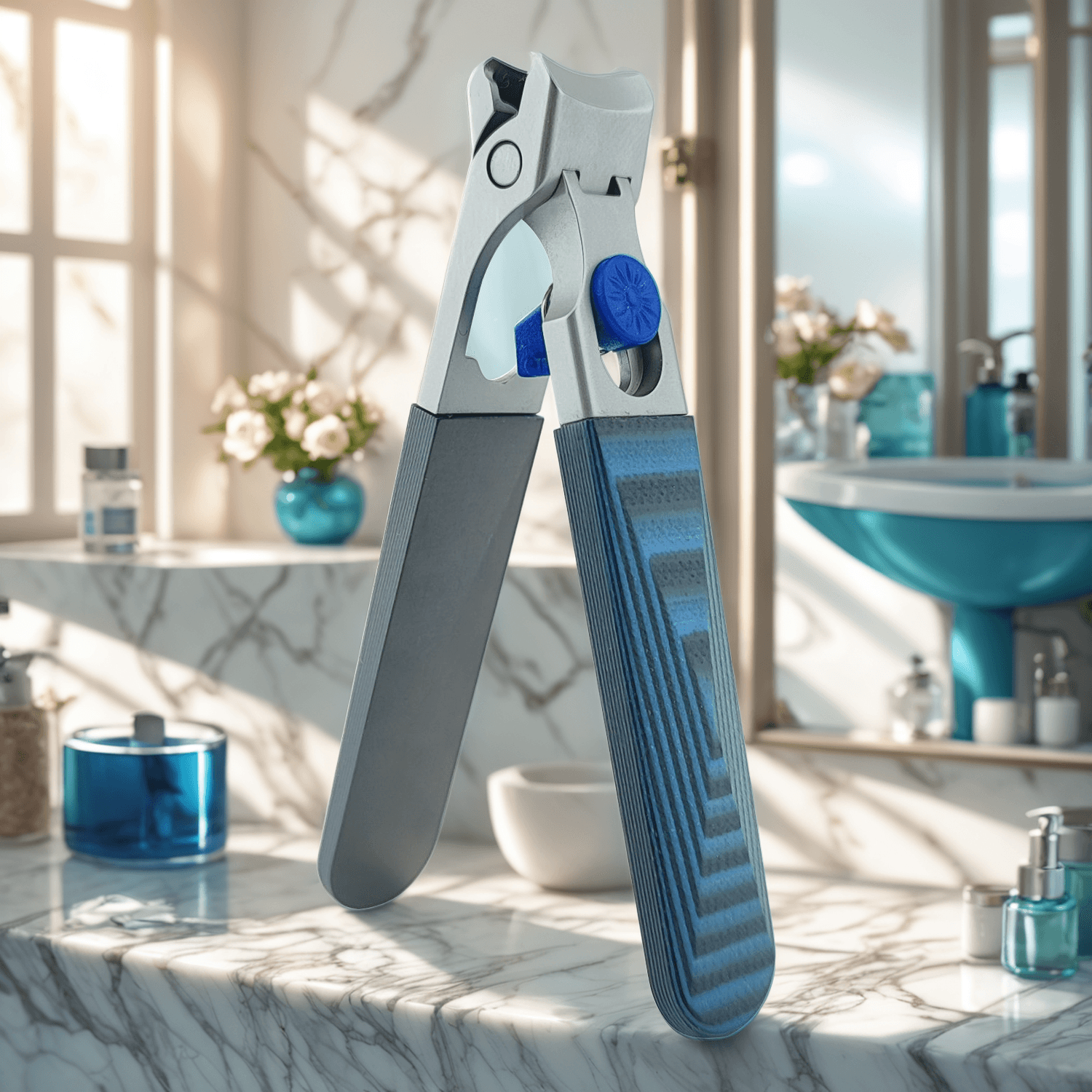
Ergonomic Nail Clipper for Cleaner Cuts on Daily and Thick Nails
A nail clipper looks simple, but the difference between a well-made tool and a weak one becomes obvious the moment it touches the nail. A poor clipper can bend, crush, slip, or leave rough edges that require extra filing. For people with thicker toenails, reduced hand strength, or frequent grooming needs, the right ergonomic nail clipper can make trimming easier, cleaner, and more controlled.
Olimor Beauty focuses on practical beauty tools that support everyday personal care, retail assortment planning, and professional grooming needs. This guide explains what to look for in an ergonomic nail clipper, why stainless steel blades matter, how to evaluate a travel-friendly design, and what buyers should check before adding nail clippers to a product range. If you are comparing related categories, you can also browse Olimor beauty tool products or review broader product collections.
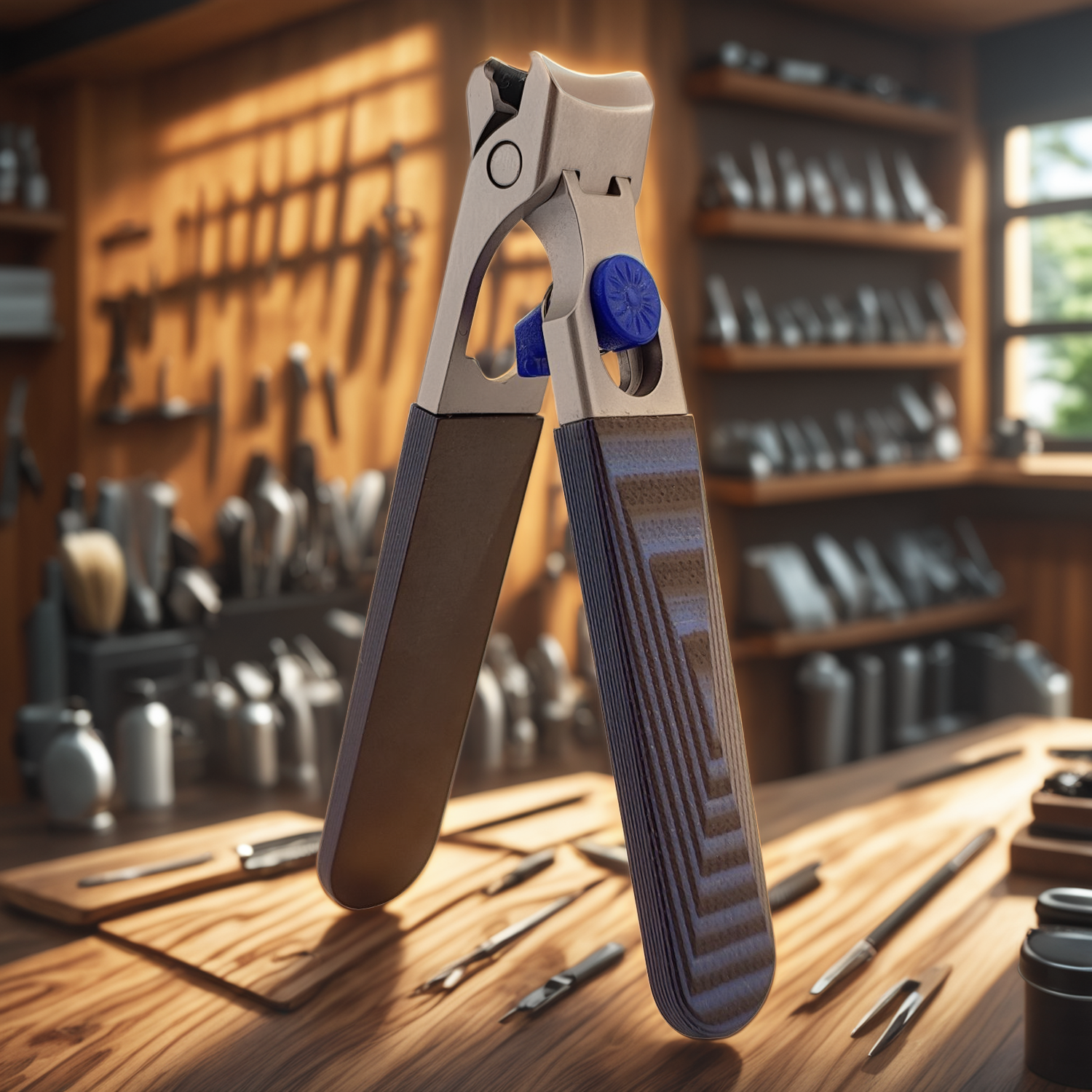
Why Clip Quality Matters More Than It Looks
The main job of a nail clipper is not only to shorten nails. It should create a controlled cut with minimal pressure, reduce tearing, and leave an edge that is easy to smooth. When a clipper is dull or poorly aligned, the blades may compress the nail before cutting it. This can cause split layers, jagged corners, or an uneven finish, especially on dry or thick nails.
A quality ergonomic nail clipper should feel stable in the hand and should close with predictable pressure. This matters for personal users, but it also matters for distributors, salons, hotels, travel kits, and grooming gift sets. Nail tools are often judged by small details: how the lever feels, whether the cutting edge meets evenly, whether the tool looks clean after use, and whether it can be packed without damaging nearby items.
For thick nails, blade sharpness and mechanical leverage become even more important. The user should not need to squeeze repeatedly in the same place or apply unsafe force. A smoother cutting action supports more confident grooming and reduces the need for excessive correction afterward.
What Makes a Nail Clipper Ergonomic?
Ergonomics is not just a rounded shape or a comfortable label. In nail clippers, ergonomic design refers to how the tool supports grip, pressure, visibility, and control during trimming. A user should be able to position the clipper accurately, press the lever comfortably, and follow the natural curve of the nail without the hand becoming strained.
Important ergonomic factors include:
- Grip stability: The body should be easy to hold without slipping, even when used after washing hands or during a quick grooming routine.
- Lever comfort: A good lever allows steady pressure without digging into the finger or requiring awkward hand angles.
- Cutting visibility: The user should be able to see where the blade meets the nail, especially near corners.
- Control for small adjustments: The clipper should allow short, careful cuts rather than forcing one large bite.
- Balanced size: A tool that is too small may lack leverage, while an oversized one may be harder to maneuver for fingernails.
For older users, travelers, and anyone trimming toenails, these details can make a significant difference. Ergonomic design also helps reduce the temptation to clip too deeply, which is one of the most common causes of uncomfortable nail edges.
Choosing Nail Clippers for Thick Nails
Thick nails place more demand on the blade and hinge mechanism. Standard lightweight clippers may work for thin fingernails but struggle with dense toenails. When selecting nail clippers for thick nails, buyers should focus on strength, edge alignment, and practical leverage rather than decorative appearance alone.
The original Olimor Beauty product description highlights the use of stainless steel cutting blades and quality checks. Stainless steel is widely preferred for grooming tools because it supports a sharp edge, resists corrosion better than many basic metals, and is easier to clean. However, not every stainless steel clipper performs the same. The finishing, blade grinding, alignment, and inspection process are all important.
For thicker nails, consider these selection points:
- Blade sharpness: The cutting edges should meet cleanly and cut rather than crush.
- Jaw opening: The opening should be suitable for the intended nail thickness, especially for toenail care.
- Leverage: The handle should help transfer pressure efficiently so the user does not need to force the cut.
- Edge shape: A curved edge can follow natural nail shape, while the suitability depends on the user’s trimming habits.
- Finish quality: Burrs, rough edges, or loose movement can reduce confidence and comfort.
Users with painful, discolored, infected, or unusually thick nails should be cautious and consider professional foot care guidance. A nail clipper can support routine grooming, but it is not a treatment tool for medical nail conditions.
Home Grooming, Travel Kits, and Retail Use Cases
A dependable nail clipper should work in more than one setting. At home, it needs to be easy to find, clean, and use regularly. For travel, it should be compact enough to fit in a toiletry pouch while remaining sturdy enough to handle real grooming needs. For retail or private-label planning, it should offer a practical value that customers can understand immediately.
A travel nail clipper should be evaluated for safety as well as size. A compact design is helpful, but the mechanism should not snag fabric or open unexpectedly in a bag. A lightweight tool is convenient, but it should not feel flimsy when trimming toenails. Buyers may also want to consider whether the clipper pairs well with files, tweezers, cuticle tools, or small grooming sets.
| Use case | What matters most | Buyer consideration |
|---|---|---|
| Daily home care | Comfort, clean cuts, easy maintenance | Check grip feel, blade alignment, and ease of cleaning |
| Thick toenail trimming | Sharp stainless steel blades and stable leverage | Evaluate cutting control and jaw opening for the target user |
| Travel grooming | Compact size, safe packing, durable build | Confirm whether the shape fits toiletry kits and gift sets |
| Retail assortment | Clear function, reliable appearance, repeat usability | Compare packaging, finish consistency, and product positioning |
How to Use an Ergonomic Nail Clipper for a Smoother Finish
Even a good clipper works best with proper technique. Nails are often easier to trim after washing or bathing because they are slightly softened, but they should not be so wet that the user loses control. Good lighting also matters, especially when trimming toenails or shaping corners.
For cleaner results, use several small cuts instead of one deep cut across the entire nail. Follow the natural shape, avoid cutting into the side too aggressively, and leave a small free edge to reduce discomfort. After clipping, a fine nail file can smooth corners and reduce catching on socks, towels, or clothing.
For thick nails, do not force the blade through if it feels stuck. Reposition the clipper, take a smaller section, and work gradually. Excessive force can lead to slipping or uneven tearing. If the nail is extremely hard, brittle, or painful, a professional evaluation may be safer than repeated trimming attempts at home.
Cleaning, Storage, and Maintenance
Maintenance is a major part of nail clipper performance. Nail dust, skin oils, and moisture can collect around the blades and hinge area. Over time, buildup can affect the feel of the tool and make it less pleasant to use. Stainless steel supports easier cleaning, but it still benefits from regular care.
After use, remove visible debris and wipe the cutting area dry. If the clipper is shared within a household, cleaning between users is especially important. Store it in a dry place rather than leaving it in standing water or a damp shower area. For travel, a small pouch or compartment can help keep the blades clean and prevent contact with other personal items.
Retail buyers should also think about how the product will look after handling. A smooth finish, clean edges, and sturdy packaging help customers understand that the tool is meant for repeated use. If the clipper is included in a grooming kit, the storage layout should protect the cutting edge and keep the presentation neat.
Sourcing Questions for Beauty Tool Buyers
When selecting an ergonomic nail clipper for a product line, sourcing decisions should go beyond basic appearance. Since small grooming tools are handled closely and used repeatedly, quality consistency is important. Buyers can evaluate samples against practical criteria before confirming a direction.
- Do the cutting edges meet evenly from end to end?
- Does the lever move smoothly without looseness or rough friction?
- Is the clipper comfortable for both fingernail and toenail positioning?
- Does the finish feel smooth around the handle, lever, and blade area?
- Can the design fit the intended packaging, travel kit, or retail display?
- Is the product positioning clear for daily care, thick nails, or travel use?
Olimor Beauty’s product approach emphasizes practical design, stainless steel cutting blades, and quality checks from material selection through final inspection. For business buyers comparing nail clippers with other beauty tools, the most useful next step is to define the target user first: everyday home grooming, travel convenience, thicker nail care, or a complete personal care set. To discuss a nail clipper project or request product details, you can send an inquiry or contact Olimor.
A Practical Tool When Details Are Done Well
An ergonomic nail clipper earns its place through repeat use. It should cut cleanly, feel secure, pack safely, and remain easy to maintain. For thicker nails, it should provide enough sharpness and control to reduce strain without encouraging excessive force. For travel and retail use, it should combine compact practicality with dependable construction.
Whether you are choosing one clipper for personal grooming or evaluating nail tools for a product assortment, focus on the details that affect the user’s hand: grip, blade alignment, leverage, finish, and cleaning. Those factors determine whether a nail clipper feels like a disposable afterthought or a reliable personal care tool.
Tag: