

Why Custom Tweezers Matter for B2B Beauty Tool Buyers
For beauty brands, salon suppliers, grooming retailers and distributors, tweezers are small products with a large impact on customer trust. A tweezer that grips cleanly, feels stable in the hand and holds its alignment over time can support repeat sales. A poor one can lead to complaints, returns and a weaker perception of the entire product range. That is why custom tweezers for business should be evaluated as professional tools, not simple accessories.
Custom sourcing gives buyers more control over the product experience: material choice, tip shape, finish, grip feel, packaging presentation and brand alignment. It also helps businesses avoid the biggest weakness of generic mass-market tools: inconsistency. When every shipment looks and performs differently, distributors and retailers carry the risk. Working with a focused beauty tool partner such as Olimor Beauty allows buyers to think beyond unit price and build a more dependable product offer.
Who Benefits Most from Custom Tweezers?
Custom tweezers are useful for several types of B2B buyers, but the reasons differ. A salon supplier may care most about precision and durability because professionals use the tool repeatedly throughout the day. A private label beauty brand may care about finish, packaging and how the tweezer fits into a wider grooming set. A distributor may focus on consistent quality across cartons, clear presentation and products that are easy for downstream customers to understand.
Common B2B use cases include:
- Beauty and grooming brands developing branded tools for retail, gift sets or promotional kits.
- Distributors adding reliable tweezers to a professional beauty tool catalog.
- Salon and spa suppliers sourcing tools for professional daily use.
- E-commerce sellers looking for a product that can be differentiated through quality, packaging and positioning.
- Hospitality or amenity buyers building practical grooming kits where presentation and dependable function matter.
If you are comparing options across a wider range of beauty tools, Olimor’s beauty tool products page can help you review related categories and plan a more complete sourcing list.
What Makes a Tweezer Suitable for Business Use?
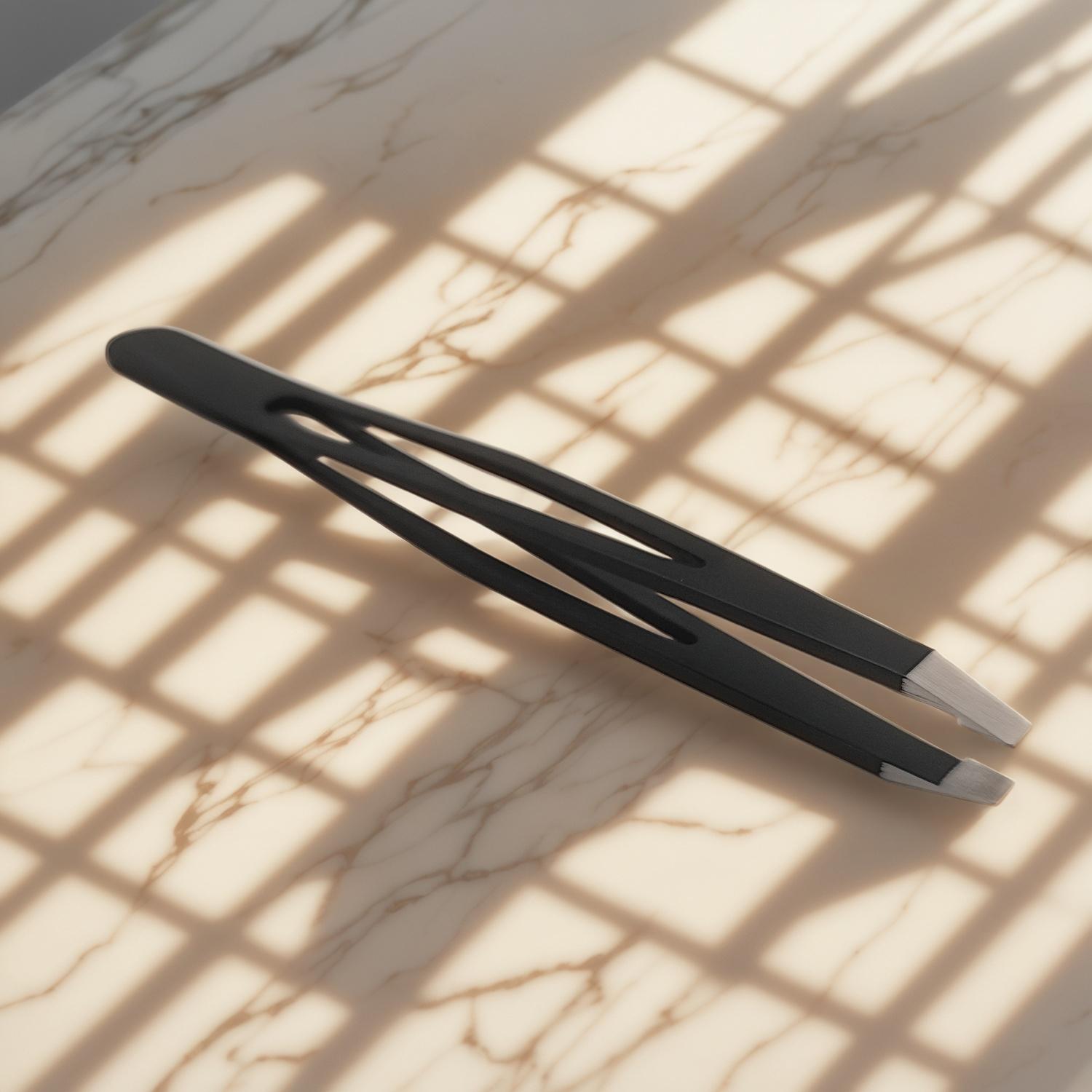
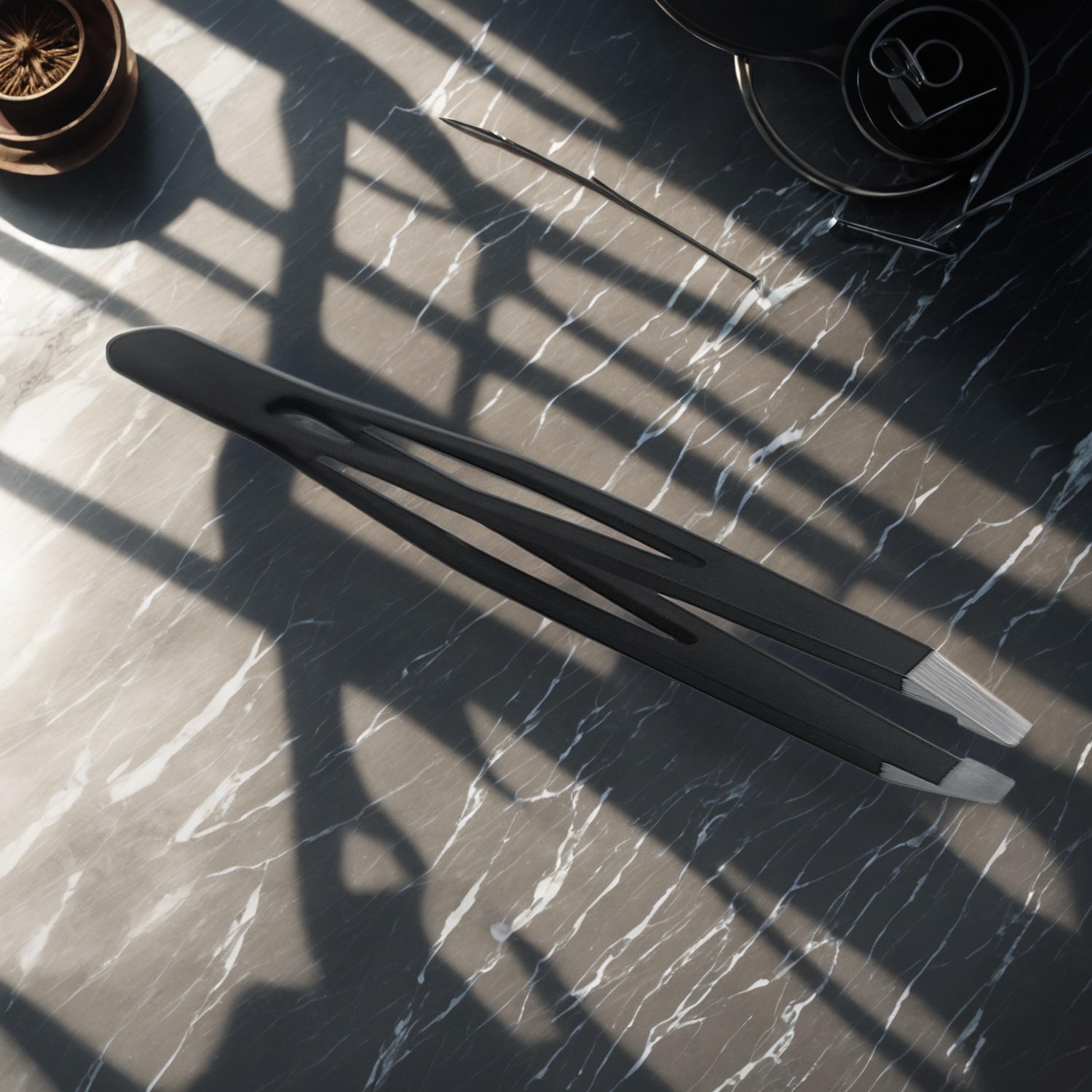
A business-grade tweezer must do more than look good in a product photo. Buyers should evaluate how the tool performs when it is opened, closed and used repeatedly. The most important feature is tip alignment. If the tips do not meet evenly, the tool may cut, slip or fail to grip fine hairs. For eyebrow grooming and detail work, even a small mismatch can change the user experience.
Material also matters. The original product positioning references ergonomic, stainless steel tweezers, which is a practical direction for beauty and grooming applications. Stainless steel is commonly chosen for beauty tools because it can support a clean appearance, a firm structure and a professional feel. However, buyers should still evaluate finishing, edge comfort and corrosion resistance expectations based on the intended market and price level.
Grip tension is another key factor. If the arms are too stiff, the tweezer feels tiring. If they are too loose, users may feel a lack of control. A balanced spring feel helps the tool remain comfortable for both occasional consumers and frequent professional users. The surface finish should also be checked for scratches, burrs or sharp edges that could reduce perceived quality.
Customization Decisions That Affect Customer Perception
Customization is not only about adding a logo. For tweezers, the best choices are the ones that support the product’s target use and sales channel. A premium retail product may need a cleaner finish, protective packaging and consistent branding. A professional-use tool may prioritize grip, durability and easy identification. A distributor-focused product may need clear labeling, repeatable packaging and specifications that are easy to communicate to buyers.
Before placing a bulk order, review the following customization points:
- Tip style: Slanted, pointed or flat tips serve different grooming tasks. Choose based on the end user’s main application.
- Finish: Matte, polished or coated appearances can change both visual appeal and grip feel.
- Logo placement: Branding should be visible without interfering with hand comfort or tool function.
- Packaging: Retail packs, sleeves, boxes or set packaging should match the sales channel and protect the tips.
- Assortment planning: Some buyers may need one versatile tweezer, while others may need multiple tip styles in a set.
For buyers building a coordinated range, it can also be helpful to compare tweezers with other product collections so the final assortment feels consistent in design and quality level.
How to Compare Bulk Tweezers Price and Real Value
Bulk tweezers price is important, but the lowest unit cost is not always the lowest business cost. A cheaper product can become expensive if it leads to high return rates, inconsistent shipments, weak reviews or poor sell-through. For distributors and brand owners, the better question is: what level of quality does the target customer expect, and what product will protect the brand relationship?
When comparing quotations, look at the full value equation. Are the tips aligned consistently? Is the finish clean? Does the packaging protect the product during shipping and storage? Are samples representative of production? Does the supplier understand the difference between consumer retail requirements and professional tool requirements? These questions help buyers avoid decisions based only on the first number on a quote sheet.
| Evaluation Area | Why It Matters | What to Check |
|---|---|---|
| Tip alignment | Directly affects gripping performance | Tips meet evenly without visible gaps |
| Hand feel | Impacts comfort and repeat use | Balanced tension, smooth edges, stable grip |
| Finish quality | Shapes customer perception of value | No burrs, uneven coating, stains or rough areas |
| Packaging | Protects the tool and supports retail presentation | Tip protection, clear labeling and clean appearance |
| Shipment consistency | Reduces downstream complaints | Production matches approved sample expectations |
Quality Control Points for Distributors and Retail Buyers
For companies sourcing tweezers for distributors, consistency is especially important. A distributor may sell to many salons, retailers or online sellers, so small product issues can multiply quickly. Quality control should begin with the approved sample and continue through production and packing. The goal is not only to find defects, but to define what acceptable quality looks like before the order is made.
Useful inspection points include tip symmetry, arm straightness, surface finish, logo clarity, packaging condition and carton labeling. Buyers should also consider how the tweezer will be handled by the final customer. If it will be sold in retail packaging, the visual standard may need to be higher. If it will be used professionally, functional consistency may be the top priority. In both cases, a documented checklist helps prevent vague expectations.
Olimor Beauty’s positioning emphasizes quality checks and a more dependable approach to B2B tweezers. For buyers, that means the sourcing conversation should include not only design preferences but also how samples, production approval and final inspection will be managed.
Packaging and Branding: Practical Choices Over Decoration
Good packaging should protect the tweezer, explain the product and support the buyer’s sales channel. It does not need to be excessive. In fact, overcomplicated packaging can increase handling issues or distract from the tool itself. A simple, clean package with secure tip protection is often more effective than a design that looks attractive but allows movement or damage in transit.
Branding should also be practical. A logo that is too large, poorly placed or applied on a high-contact area may wear quickly or feel uncomfortable. For custom tweezers, branding works best when it reinforces trust without reducing usability. Buyers should review physical samples under normal lighting and in hand, not only as digital mockups.
Questions to Prepare Before Sourcing Custom Tweezers
A clear brief saves time and helps a manufacturer understand the intended product. Before requesting samples or pricing, prepare the details that affect cost, production planning and quality expectations. You do not need every answer at the beginning, but the more specific your brief is, the easier it is to compare options fairly.
- Who is the end user: professional, retail consumer, gift buyer or distributor customer?
- Which tip style is required for the main use case?
- What finish and color direction fits the brand or catalog?
- Will the tweezer be sold alone or as part of a set?
- What packaging format is needed for storage, shipping and display?
- What are the most important inspection points for your market?
- Do you need logo application, custom packaging artwork or both?
For project-specific guidance, buyers can contact Olimor or send an inquiry with their preferred tip style, packaging idea and target sales channel.
Building a Better Tweezer Program for Long-Term Sales
Custom tweezers can support business success when they are planned as part of a long-term product program rather than a one-time purchase. The right approach combines functional design, consistent manufacturing, appropriate packaging and realistic value analysis. A tool that performs well and arrives consistently gives distributors and brand owners a stronger foundation for repeat orders.
Instead of choosing only by bulk tweezers price, evaluate whether the product fits the customer, protects your brand reputation and can be supplied with stable quality. For B2B beauty tool buyers, that is where custom tweezers provide their real advantage: they allow the product to match the market, not just fill a catalog space.
Tag: