

Wholesale Pointed-Tip Tweezers: A Practical Sourcing Guide for Beauty Tool Buyers
Wholesale tweezers may look simple, but small differences in tip alignment, grip, finish, and packaging can change how customers judge an entire manicure or beauty tool range. For distributors, salon suppliers, e-commerce sellers, and private label beauty brands, the goal is not only to buy tweezers at scale. The goal is to select a tool that performs consistently for detailed beauty tasks and fits the expectations of the market you serve.
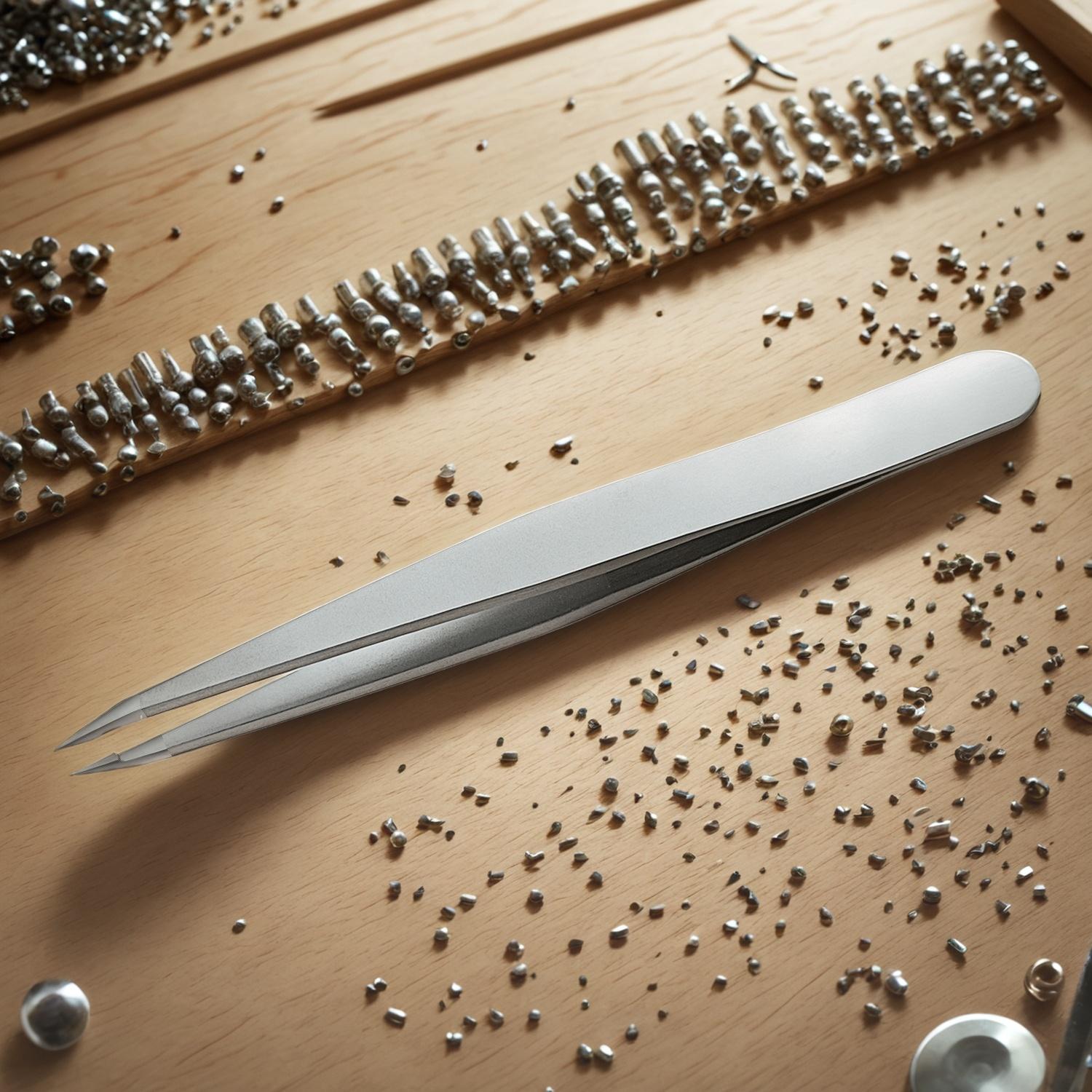
Olimor Beauty’s Pointed-Tip Tweezer is positioned for precision beauty use. The original product information highlights stainless steel construction and suitability for hair removal, splinter extraction, and intricate nail art applications. Those use cases are important because they show why a pointed tip is different from a slanted or flat tip: it is chosen when accuracy matters more than broad gripping area.
This guide explains how to evaluate wholesale pointed-tip tweezers for manicure tools supply, how to think about private label decisions, and what to prepare when working with a beauty tools exporter in Guangdong or another sourcing hub.
Why Pointed-Tip Tweezers Belong in a Manicure Tool Range
A manicure tool assortment often includes nail clippers, cuticle pushers, nail files, scissors, and tweezers. Tweezers are sometimes treated as an accessory, but they can become a high-repeat item because they are used across multiple beauty and personal care scenarios. A pointed-tip tweezer can support fine detail work in ways that bulkier tools cannot.
For nail professionals and beauty users, pointed tips are especially useful when placing tiny nail art decorations, removing small particles from the nail surface, or handling delicate materials during intricate designs. For general grooming, the same precision is valued for hair removal where individual strands need to be isolated cleanly. The original product information also notes splinter extraction, a task that depends heavily on a fine, controlled tip.
For wholesale buyers, this makes the product easier to position across several customer groups:
- Nail salons: for detailed nail art placement and workstation utility.
- Beauty retailers: for grooming and personal care tool displays.
- Online sellers: for compact, lightweight beauty tool bundles.
- Private label brands: for adding a precision tool to manicure sets.
- Professional supply distributors: for replenishment items used in salon environments.
If you are building a broader assortment, review Olimor’s beauty tool products to compare how tweezers can sit alongside other manicure and personal care tools.
Key Quality Criteria When Buying Wholesale Tweezers
When buying tweezers wholesale, the most important quality points are usually visible before technical testing begins. A buyer should inspect whether the tips meet evenly, whether the arms spring back smoothly, and whether the finish is comfortable enough for repeated use. Stainless steel is a useful material choice for beauty tools because it is widely used in personal care products where durability and cleanability are expected, but buyers should still evaluate the actual workmanship of each production lot.
Use the following checklist when comparing samples:
- Tip alignment: The two pointed tips should meet evenly without crossing, leaving gaps, or sliding past each other.
- Grip control: The tweezer should hold fine hair, small nail art pieces, or thin material without requiring excessive pressure.
- Arm tension: Tension should feel controlled. Too soft can reduce precision; too stiff can cause hand fatigue.
- Tip finishing: The points should be fine enough for detail work but not rough, jagged, or uneven.
- Surface finish: Check for scratches, burrs, sharp edges on the body, discoloration, or residue.
- Cleaning practicality: Beauty tools should be easy for end users to wipe and maintain according to their normal hygiene practices.
- Packaging protection: Pointed tips need protection during shipment and retail handling to prevent deformation.
For buyers serving professional salons, consistency matters as much as the first impression. A single sample can look good, but wholesale orders should be judged by batch consistency: repeated tip alignment, similar tension, and uniform finishing across cartons. Establishing clear acceptance points before ordering helps reduce disputes and protects your brand reputation.
Choosing the Right Tweezer for Your Sales Channel
Different buyers need different selling angles. A salon supplier may care most about practical performance, while an online beauty brand may also focus on packaging, product images, and customer education. Before confirming a wholesale tweezer order, define the main channel and the customer’s likely use case.
| Sales Channel | Buyer Priority | What to Check |
|---|---|---|
| Salon supply | Reliable detail work and repeated use | Tip alignment, arm tension, easy cleaning, durable packaging |
| Retail display | Clear product purpose and attractive presentation | Packaging copy, visible tip protection, finish consistency |
| E-commerce | Low return risk and strong product explanation | Close-up sample photos, accurate use descriptions, protective shipping pack |
| Private label kits | Compatibility with other manicure tools | Size balance, finish matching, labeling area, set packaging layout |
A pointed-tip tweezer should be marketed honestly. It is ideal for precision tasks, but it may not be the best choice for every eyebrow shaping preference or for users who prefer a broader slanted grip. Clear positioning reduces complaints and helps the tool reach the right audience.
Private Label Manicure Tools: Decisions to Make Before Production
Private label manicure tools can help sellers create a recognizable product line, but branding should be supported by practical product choices. A tweezer with poor alignment will not be rescued by attractive packaging. Start with function, then build the brand presentation around the product’s real strengths.
For a pointed-tip stainless steel tweezer, private label planning usually includes the following decisions:
- Brand placement: Decide whether branding belongs on the tweezer body, packaging, insert card, or outer carton.
- Finish direction: Choose a finish that matches the rest of your manicure tool assortment without creating unrealistic performance claims.
- Packaging format: Consider retail hanging cards, protective sleeves, boxes, or inclusion in a manicure set.
- Instruction copy: Explain that pointed tips are designed for precision tasks such as hair removal, splinter extraction, and detailed nail art handling.
- Safety wording: Because the tips are pointed, packaging should encourage careful handling and proper storage.
- Assortment fit: Confirm whether the tweezer will be sold alone, paired with nail tools, or included in a travel grooming kit.
Private label buyers should prepare artwork, packaging expectations, target market requirements, and sample approval standards early. If you are exploring a broader branded range, Olimor’s product collections can help you think through how tweezers and manicure tools may be grouped for different retail or professional audiences.
Working With a Manicure Tools Exporter in Guangdong
Guangdong is a well-known region for manufacturing and exporting beauty tools, personal care items, and related consumer products. When working with a manicure tools exporter in Guangdong, the most productive conversations are specific. Instead of asking only for a catalog and price, prepare a sourcing brief that explains the product function, target buyer, packaging preference, and inspection expectations.
For Olimor Beauty and any professional beauty tools supplier, a useful inquiry for wholesale pointed-tip tweezers should include:
- Target use: salon, retail, e-commerce, professional distributor, or private label kit.
- Product requirement: pointed-tip stainless steel tweezers for precision beauty tasks.
- Performance focus: tip alignment, gripping ability, tension, finish, and packaging protection.
- Branding needs: logo, packaging artwork, insert card, or carton marking.
- Market requirements: any labeling, language, or compliance expectations for your destination market.
- Inspection plan: sample approval, pre-shipment visual checks, and agreed defect categories.
Good sourcing is not only about finding a supplier that can make a product. It is about confirming that both sides understand what a sellable, repeatable product looks like. If your team has specific private label or distribution requirements, you can send an inquiry with your project details or contact Olimor for direct communication.
Maintenance Guidance Your Customers Will Appreciate
Wholesale buyers often focus on purchasing, but customer education can reduce misuse and improve satisfaction. Pointed tweezers should be treated as precision tools. If the tips are dropped, bent, or stored without protection, performance can decline even if the tweezer was well made.
Simple care guidance can be included on packaging or product pages:
- Keep the pointed tips covered or protected when not in use.
- Wipe the tool after use and follow suitable hygiene practices for the setting.
- Avoid using the tweezer as a prying tool, cutter, or general hardware tool.
- Store away from heavy tools that may bend or damage the tips.
- Inspect the tips regularly; if they no longer meet correctly, precision will be reduced.
This information is especially valuable for e-commerce listings, where buyers cannot feel the tool before purchase. Clear care instructions also help position the tweezer as a precision beauty item rather than a disposable accessory.
Building a Better Wholesale Tweezer Offer
A strong wholesale tweezer offer combines product performance, accurate positioning, protective packaging, and realistic sourcing communication. Olimor Beauty’s Pointed-Tip Tweezer offers a clear starting point for buyers looking for stainless steel tweezers suited to detailed beauty tasks, including hair removal, splinter extraction, and intricate nail art applications.
Before placing a wholesale order, compare samples carefully, define your target sales channel, prepare private label requirements, and set practical inspection criteria. These steps help you avoid common problems such as uneven tips, weak gripping performance, mismatched packaging, or unclear product positioning. For beauty tool distributors and manicure tool brands, that attention to detail can turn a small precision tool into a dependable part of the product range.
Tag: