

Wholesale Salon Supplies: How Beauty Professionals Choose Reliable Tools
Wholesale salon supplies are not only about buying more units at a lower cost. For salons, spas, lash studios, nail technicians and beauty distributors, the more important question is whether each tool performs consistently in daily service. A tweezer that does not grip cleanly, a manicure tool that feels unstable in the hand, or a shipment with inconsistent finishing can slow down appointments and create avoidable waste.
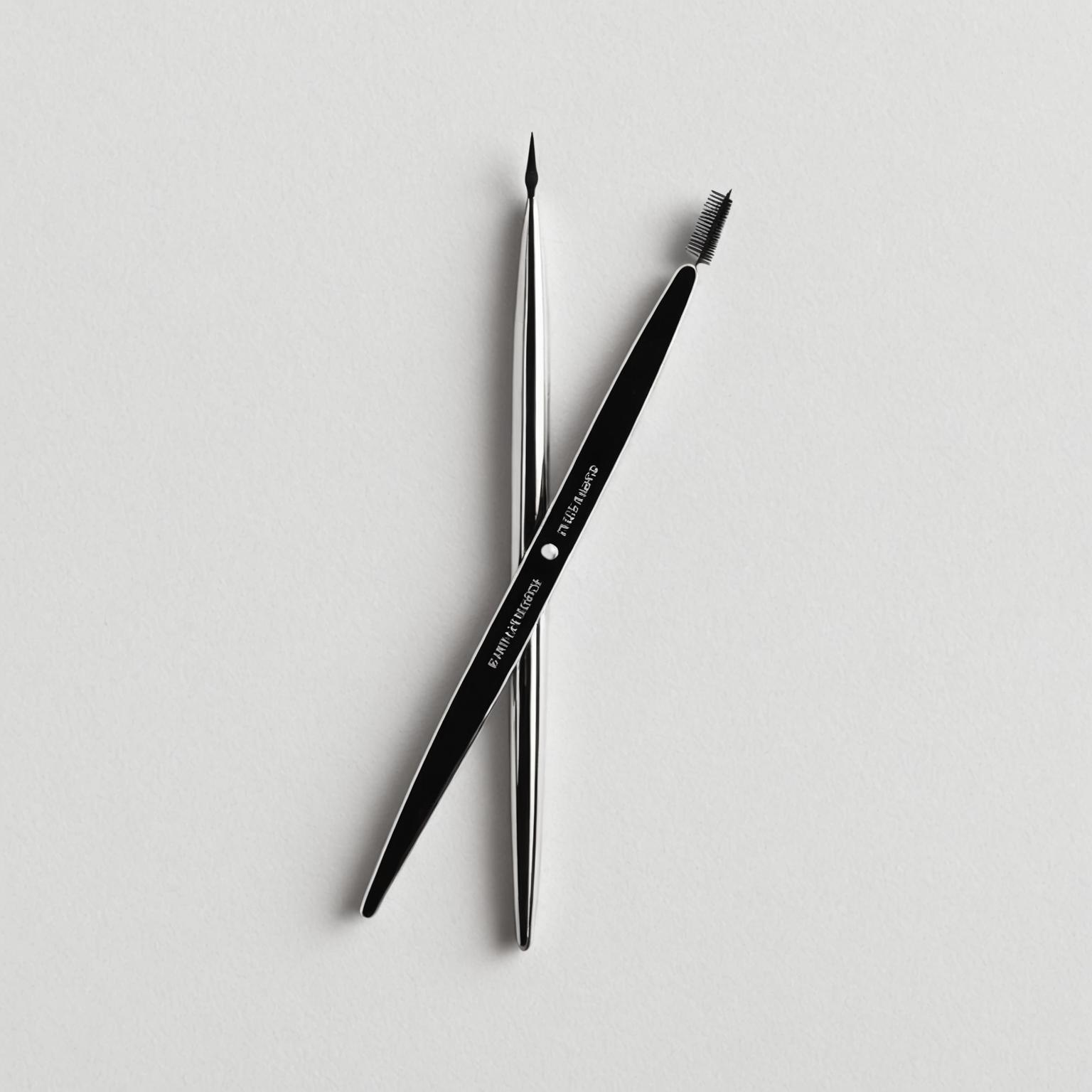
Olimor Beauty supplies professional beauty tools for buyers who need practical, service-ready products rather than vague promises. One example is the Curved Precision False Lash Tweezer, a lash application tool designed with curved tips for controlled placement. The original product details also highlight durable stainless steel, an ergonomic design, a finely serrated surface for a secure grip, and resistance to rust. Those features matter because lash work requires accuracy, hygiene discipline and repeated handling throughout the day.
This guide explains how to evaluate wholesale salon supplies with a buyer’s mindset. It is written for teams comparing professional beauty tools suppliers, spa product wholesalers, manicure tools wholesale options and tweezers supplier choices. If you are building a shortlist, you can also browse Olimor beauty tool products or review available product collections as part of your sourcing process.
What “Wholesale Salon Supplies” Should Mean for a Professional Buyer
In a retail setting, a beauty tool may be judged by packaging and appearance. In a salon or spa, it is judged by how well it supports repeated professional use. Wholesale buying should therefore focus on consistency, handling, cleaning compatibility, packaging reliability and supplier communication.
For example, lash technicians often use tweezers for isolation, pickup and placement. A small variation in tip alignment or surface finishing can change how the tool behaves. Nail and manicure tools face similar demands: they must feel controlled in the hand and arrive in a condition suitable for professional preparation before use. When buying wholesale, a single unit sample is helpful, but the broader concern is whether the same standard can be repeated across a larger order.
A useful wholesale salon supply program should help a business reduce uncertainty. That does not mean every tool must be the most expensive option. It means the product should match the service type, the supplier should have a clear quality process, and the buyer should know what to inspect before committing to regular orders.
Evaluating a Professional Beauty Tools Supplier
When comparing professional beauty tools suppliers, start with the tool category and the service environment. A lash studio may prioritize tip precision, grip surface and hand comfort. A spa product wholesaler may care about a broader range of tools that fit facial, brow, lash or nail services. A distributor may prioritize repeatable quality and packaging that can support resale or organized inventory.
Olimor Beauty’s existing description refers to strict quality controls from raw materials to final packaging. For buyers, this is the type of manufacturing discipline worth exploring. Quality control should not be treated as a single final inspection. It should cover material selection, forming, surface treatment, finishing, alignment checks, cleaning before packing and packaging review. Even when a buyer does not have access to the production floor, these checkpoints can be converted into practical evaluation questions.
- Material suitability: Does the tool material fit the intended salon use and cleaning routine?
- Functional accuracy: For tweezers, do the tips meet evenly and grip without unnecessary pressure?
- Surface finish: Are edges, handles and grip areas smooth enough for comfortable professional handling?
- Batch consistency: Do samples from different cartons or production lots feel and perform the same?
- Packaging protection: Are tips, edges or polished surfaces protected during shipping and storage?
- Documentation clarity: Are product descriptions specific enough to support informed purchasing and internal training?
These checks are simple, but they reveal whether a supplier understands professional use. A serious buyer should not rely only on product photos or broad claims such as “high quality.” The best sourcing decisions come from matching product features to the daily tasks performed by technicians.
Why Lash Tweezers Deserve Careful Wholesale Selection
Lash tools are small, but they can have a major effect on service flow. The Curved Precision False Lash Tweezer is a good example of a tool where shape and finishing matter. Its curved tips are intended for precise lash application, helping the technician approach the lash line with control. The finely serrated surface supports a secure grip, which is useful when handling delicate lash materials. Durable stainless steel and rust resistance are also important because tools are handled, cleaned and stored repeatedly in a professional environment.
For wholesale buyers, the key is to evaluate the tweezer as a working instrument rather than a simple accessory. A lash tweezer should not force the technician to adjust hand position awkwardly. It should close predictably, grip in the intended zone and feel stable during detailed placement. Ergonomic design is especially relevant for professionals who perform multiple lash appointments in a day, because hand fatigue can affect accuracy.
Before adding lash tweezers to a wholesale salon supplies order, consider a structured review:
- Inspect the tips: Check whether the curved tips align cleanly and make contact where expected.
- Test pickup control: Use the tool in a realistic application motion, not only by closing it in the air.
- Check grip texture: A secure grip should help control the tool without feeling rough or distracting.
- Assess balance: The tweezer should feel natural in the hand and not overly front- or rear-heavy.
- Review finish consistency: Look for smooth finishing around edges, grip areas and the tip region.
- Plan storage: Confirm that the tool can be stored in a way that protects tip alignment.
These steps are useful for salon owners choosing tools for their own technicians as well as distributors evaluating whether a tweezer is suitable for a professional customer base.
Manicure Tools Wholesale: Apply the Same Quality Logic
Although the original focus includes lash tweezers, many buyers searching for wholesale salon supplies also compare manicure tools wholesale options. The same sourcing principles apply. Nail tools must support clean handling, predictable control and long-term usability. They should not be chosen only because they are available in bulk.
Manicure services often involve repeated tool pickup, placement and cleaning routines. If a tool is uncomfortable or inconsistent, the problem appears many times in a single day. Buyers should evaluate how the tool fits the technician’s hand, whether its working edges or contact points are finished appropriately for the intended task, and whether the product can be organized efficiently after delivery.
For a salon group, standardized tools can also support staff training. When each technician uses tools with similar feel and behavior, managers can create more consistent workflows. For wholesalers, consistency helps reduce customer complaints and makes reordering simpler. This is why the supplier’s process from raw materials to final packaging matters even when the tool category seems basic.
Cost Savings Without Sacrificing Service Quality
Salon wholesale distributors and direct suppliers can help beauty businesses manage cost, but price should be evaluated together with tool performance and replacement rate. A low unit cost is not useful if the tool wears quickly, arrives with inconsistent finishing or creates delays during appointments. The better question is total value: how many reliable services can the tool support, and how much time does it save or waste for the technician?
When comparing wholesale options, create a basic scoring system. Rate each product on function, comfort, finishing, packaging and supplier clarity. A slightly higher-priced tool may be more economical if it reduces defects, improves technician confidence and supports a more professional client experience. On the other hand, a decorative feature that does not improve function may not justify added cost for a service-focused salon.
For buyers preparing an order, the following table can help organize decisions before contacting a supplier or placing an inquiry.
| Buying factor | Why it matters | What to check |
|---|---|---|
| Tool function | Determines whether the tool supports the service accurately | Tip alignment, grip, edge finishing or working surface behavior |
| Comfort | Affects technician control during repeated use | Hand feel, balance, pressure required and grip texture |
| Material and finish | Influences durability, cleaning routines and appearance | Stainless steel description, rust resistance and smooth finishing |
| Packaging | Protects tools in transit and storage | Tip protection, carton organization and labeling clarity |
| Supplier process | Reduces variation across repeat orders | Quality control steps from material to final packaging |
Maintenance and Handling After Wholesale Delivery
Even well-made professional tools require careful handling after delivery. For lash tweezers, tip protection is especially important. If tools are thrown loosely into drawers or transported without protection, the tips may become misaligned or damaged. A salon should create a clear storage routine before distributing new tools to technicians.
Cleaning and disinfection should follow the salon’s professional hygiene procedures and any applicable local requirements. Buyers should also consider how tools will be separated before and after service, how they will be dried before storage, and how staff will identify tools that need replacement. Stainless steel and rust resistance are valuable features, but daily care still matters.
For wholesale buyers, maintenance planning also affects reorder timing. Keep a simple record of when tools are issued, how frequently they are used and why they are removed from service. Over time, this information helps the business forecast purchasing needs more accurately and avoid emergency buying.
How to Build a Better Wholesale Inquiry
A clear inquiry helps both the buyer and supplier move faster. Instead of asking only for a catalog, describe the service use, product category, packaging needs and quality expectations. For example, a lash studio may mention that it is evaluating curved false lash tweezers for professional application work. A distributor may ask for details that help compare multiple beauty tool products across categories.
Useful inquiry details include target tool types, expected use environment, preferred packaging format, sample evaluation plan and any market-specific labeling requirements. Avoid vague purchasing requests when possible. The more precise the inquiry, the easier it is to identify whether the product is a good fit.
Olimor Beauty provides beauty tools for professional buyers who want dependable sourcing conversations. To discuss a potential order, you can send an inquiry. If you need help narrowing product options for lash, spa or manicure tool purchasing, you can also contact Olimor with your application details.
Final Checklist for Salon Supply Buyers
Wholesale salon supplies should support real work: precise lash placement, efficient manicure services, organized spa operations and reliable resale for distributors. The Curved Precision False Lash Tweezer illustrates how specific features such as curved tips, ergonomic handling, stainless steel construction, a finely serrated grip surface and rust resistance can matter in professional use. The broader lesson is to judge every tool by function, consistency and suitability for the service.
Before confirming a wholesale purchase, review the product against a practical checklist: Does it solve a real technician need? Is the finish consistent? Can it be cleaned, stored and protected properly? Does the supplier describe a quality control process that covers more than final appearance? Are the product details specific enough for your team or customers to understand the tool’s intended use?
By applying these questions, salons and distributors can move beyond simple price comparison and build a more reliable supply base. The result is a tool selection that supports professional service quality, reduces avoidable replacements and helps teams work with greater confidence every day.
Tag: