

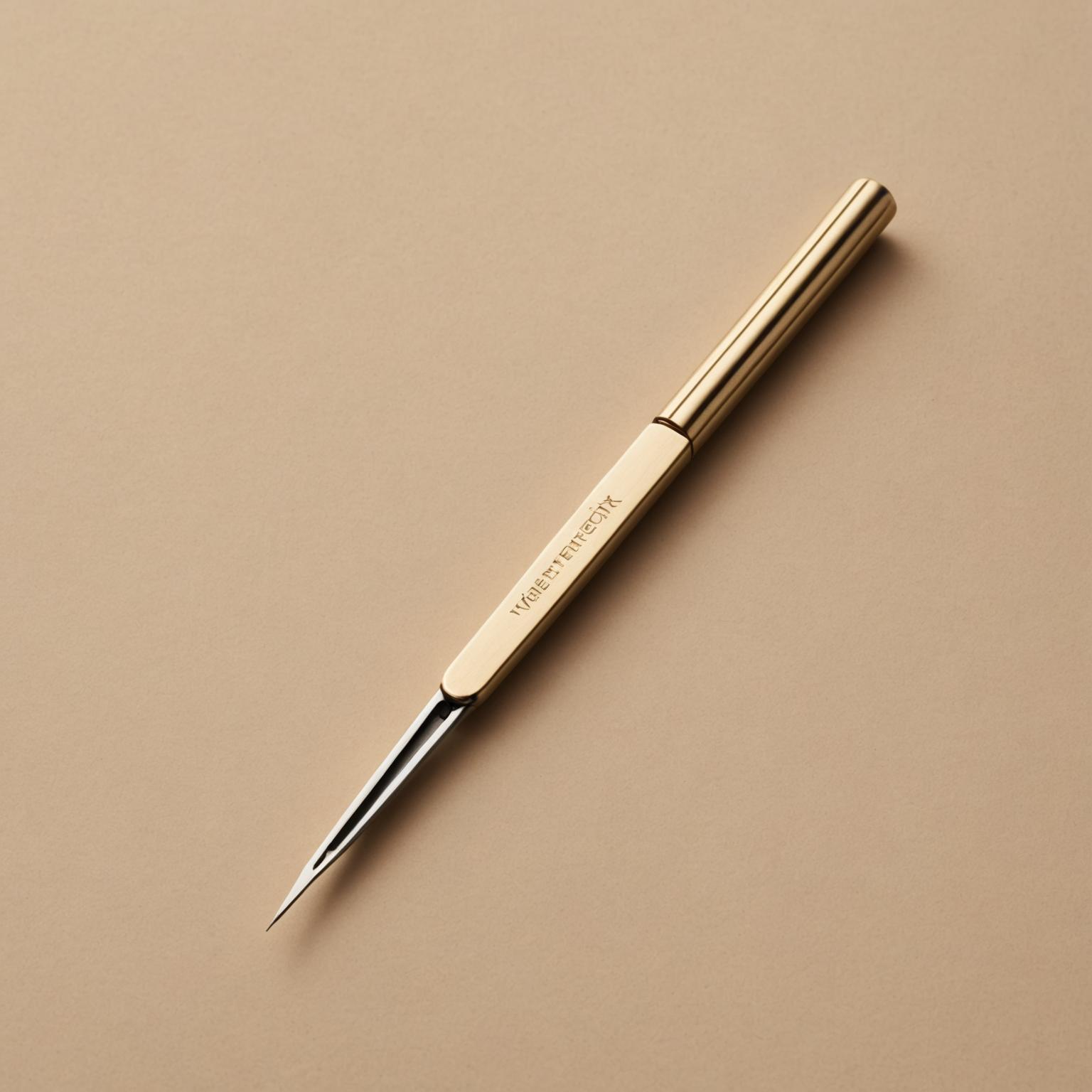
Wholesale Salon Supplies: Practical Beauty Tool Sourcing Guide for Beauty Tool Buyers
Wholesale salon supplies are no longer selected only by unit price and stock availability. For salon owners, distributors, online sellers, retailers and private-label buyers, beauty tools influence service consistency, customer confidence, repeat purchasing and brand reputation. A tweezer, manicure implement, brush, mirror or personal care accessory may be small, but it must feel reliable in the hand, be practical to clean, present well in packaging and remain consistent across bulk orders.
The main sourcing trend is a move from generic bulk buying to purpose-led assortments. Buyers are looking for professional beauty tools that match real use cases: brow grooming, manicure maintenance, facial care, travel grooming, salon station work and retail giftable sets. The right question is not simply what is popular, but which wholesale salon supplies improve usability, reduce avoidable complaints and fit the expectations of the final customer.
This guide explains how B2B buyers can evaluate beauty tools wholesale with a practical focus on ergonomics, materials, finishes, packaging, inspection and supplier communication. Olimor offers a broad range of beauty tool products for buyers who want to compare categories and build a more focused assortment; buyers can start by reviewing the Olimor beauty tool range.
Why Wholesale Salon Supplies Require More Careful Selection
The beauty market has become more informed. Salon clients notice hygiene practices and tool condition. Home users compare finishes, shapes and durability in online reviews. Technicians prefer tools that support accurate work without unnecessary hand strain during repeated services. At the same time, business buyers need consistent cartons, not just attractive samples.
Several factors now shape wholesale salon supplies sourcing:
- Service efficiency: Salons need tools that support steady, accurate work through a full appointment schedule.
- Durability expectations: B2B buyers want tools that tolerate repeated handling, cleaning, storage and transport.
- Comfort and grip: Small ergonomic details matter because many tools are used for precise, repetitive motions.
- Retail presentation: Consumer-facing tools must look organized, reliable and easy to understand at first glance.
- Bulk consistency: Buyers need repeatable quality across production, packaging and shipments.
These requirements do not mean every product must be complex or expensive. In many categories, the most valuable improvements are simple: smoother edges, better polishing, cleaner alignment, clearer packaging, a more comfortable handle or a kit layout that protects each item properly.
Ergonomic Beauty Tools for Repeated Daily Use
Ergonomics is one of the most practical trends in professional beauty tools. Salon work often involves small movements repeated for hours. A tool that is slippery, awkwardly weighted, sharp in the wrong place or difficult to control can slow service and reduce user confidence. At-home users may have less technique than trained professionals, so stable handling is also important for retail products.
When reviewing wholesale salon supplies, buyers should look beyond appearance. For tweezers used in brow grooming, the buyer should check tip alignment, closing feel and hand stability. For manicure tools wholesale, the pressure point, opening and closing motion, edge comfort and control around small nail areas are more important than decorative styling. For personal care accessories, the shape should be easy to hold, clean and store.
Ergonomic Buying Checks
- Grip security: Does the tool remain stable when held with dry hands or lightly moisturized hands?
- Weight balance: Is weight distributed naturally, or does the tool feel tip-heavy or awkward?
- Edge comfort: Are non-working edges smoothed so they do not press uncomfortably into the hand?
- Control: Can the user position the working end accurately without excessive force?
- Task fit: Does the design match brow grooming, nail care, facial care or general personal care?
- Storage fit: Will the design work with pouches, trays, countertop displays or salon drawers?
Ergonomics is especially important when building kits. A coordinated kit may look appealing in photography, but it must also work across different hand sizes, skill levels and service routines. Sampling and practical user feedback are more valuable than choosing only by the lowest unit cost.
Materials, Finish and Construction Matter More Than Labels
Material choice remains central to beauty tools wholesale. Durable materials such as stainless steel or titanium are often associated with reliable grooming tools, but buyers should avoid making decisions from a material label alone. The final product experience also depends on construction, polishing, alignment, assembly quality and packaging protection.
For tools handled frequently, surfaces should be smooth, consistent and practical to wipe. For manicure and personal care tools, working edges and contact points should be refined enough for controlled use. For packaged retail tools, visible scratches, inconsistent color, poor alignment or loose components can reduce perceived value before the item is used.
For tweezers, precision is often seen in tip alignment, closing tension and the ability to grasp fine hairs cleanly. For manicure tools, buyers should inspect edge consistency, surface finishing and control around the nail. For personal care accessories, durability may involve hinges, seams, coatings or resistance to repeated handling and cleaning.
The useful sourcing principle is simple: select materials that match the use case, then verify the execution. A tool may photograph well and still disappoint if the finish is inconsistent, if moving parts feel rough, or if packaging allows items to rub during transport.
Manicure Tools Wholesale: Separate Salon Needs from Retail Needs
Manicure tools wholesale continues to attract buyers because nail care sits between professional service and at-home maintenance. Many consumers visit salons for detailed work, polish, extensions or nail art, while also keeping basic grooming tools at home. This creates demand for nail shaping tools, cuticle care accessories, grooming sets and travel-friendly personal care items.
Not every manicure tool belongs in every wholesale program. A salon distributor may prioritize durability, station organization and compatibility with sanitation routines. A retail or e-commerce seller may prioritize compact sets, clear usage guidance, protective packaging and a product story that customers understand quickly.
When comparing manicure tools, buyers should ask whether the assortment solves a clear problem. Is it for professional station replenishment, a retail nail care kit, a travel grooming pouch, or a private-label personal care set? Clear positioning makes the product easier to describe, photograph, train staff on and reorder.
Packaging Trends: Clear, Protective and Retail-Ready
Packaging is not only a visual decision. For wholesale salon supplies, packaging protects the tool, communicates the use case and affects storage efficiency. A low-cost package that allows scratching, bending or confusion can increase complaints and reduce resale confidence.
For retail and online channels, packaging should make the product purpose clear. A customer should quickly understand what the tool is, what routine it supports and how it should be stored or cared for. For salon supply channels, packaging should also be practical for inventory handling, shelf organization and bulk picking.
Buyers should consider whether packaging uses unnecessary filler, whether the item is secured during transport, whether cartons can be packed efficiently, and whether labels or inserts provide useful care information. Sustainability in this category is most credible when it focuses on practical waste reduction: longer usable product life, fewer avoidable returns, efficient carton packing and packaging that protects without excess.
Comparison Table: What to Evaluate by Beauty Tool Category
| Category | What to Evaluate | Why It Matters | Useful Buyer Question |
|---|---|---|---|
| Manicure tools wholesale | Alignment, edge finish, grip, opening motion and polishing consistency | Supports precision, comfort and customer confidence | Does the tool feel controlled around small nail areas? |
| Tweezers and brow tools | Tip alignment, closing tension, surface texture and handling stability | Helps users perform precise grooming with less frustration | Can the tool grasp fine hair cleanly in normal use? |
| Personal care tools wholesale | Handle shape, surface smoothness, cleanability and packaging clarity | Improves daily usability and retail presentation | Is the product easy for a consumer to understand and maintain? |
| Salon accessories | Durability, storage compatibility and repeated handling performance | Helps salons maintain organized, efficient workstations | Will it fit trays, drawers, pouches or countertop displays? |
| Retail tool kits | Component consistency, layout, labeling and protective packaging | Reduces confusion and improves shelf or online appeal | Does each component have a clear purpose in the set? |
Quality Control for Bulk Beauty Tool Orders
Wholesale purchasing carries risk at scale. A small design flaw, rough edge, weak hinge or inconsistent finish can become a large operational issue when products reach many salon stations, retail shelves or e-commerce customers. Buyers should build inspection into the sourcing process before committing to a broader assortment.
Practical inspection steps include side-by-side sample comparison, bright-light surface review, repeated opening and closing of moving parts, tip or edge alignment checks, basic packaging handling checks and carton review. Buyers should also compare production samples with approved reference samples so that appearance, feel and packaging remain consistent.
For sampling plans, some buyers use internationally recognized inspection frameworks such as ISO 2859-1 as a reference for acceptance sampling. For material or restricted substance requirements in specific markets, buyers may also need to review applicable public regulations such as EU REACH. These references should not be treated as automatic proof of compliance. Buyers should verify the applicable version, target-market requirements and supplier documentation for each order. Olimor should only be evaluated on the documents and samples provided for the specific product under review.
Cost Factors Beyond Unit Price
Unit price matters, but it is not the full cost of beauty tools wholesale. A cheaper tool can become expensive if it creates returns, poor reviews, repacking work, slow sell-through or brand complaints. B2B buyers should compare total sourcing impact rather than focusing only on the lowest quotation.
Important cost factors include material selection, polishing complexity, moving-part construction, packaging structure, customization requirements, inspection needs, carton efficiency and assortment complexity. A simple, well-finished tool may be more commercially useful than a decorative item that is harder to inspect, harder to package and more likely to lose finish during handling.
Private-label buyers should also consider artwork review, packaging samples, color consistency and product instructions. Distributors should consider reorder stability and whether the supplier can maintain consistent specifications. Online sellers should consider photography clarity, product explanation and packaging that can survive ordinary fulfillment handling.
How to Evaluate a Wholesale Beauty Tool Supplier
A reliable supplier should help buyers make better decisions before volume production. Instead of only asking for a catalog, buyers should request samples, clarify intended use, review packaging options and confirm what quality checks can be performed. A supplier that understands the difference between salon station use, retail shelf presentation and e-commerce fulfillment can help prevent mismatched products.
Use this supplier evaluation checklist when comparing options:
- Can the supplier explain which tools suit professional use, retail kits or travel personal care sets?
- Are samples available for ergonomic, finish and packaging review?
- Can customization options be discussed without changing the product’s practical function?
- Are inspection points defined before production rather than after problems occur?
- Can packaging be adjusted for protection, clarity and channel fit?
- Does communication make lead time, order requirements and documentation clear without vague promises?
Buyers who are building a focused range can review Olimor categories through the beauty tool collection and then use samples to compare handling, finish and packaging in their own sales channel.
Building a Purpose-Led Wholesale Assortment
The strongest wholesale programs are not necessarily the largest. Many buyers perform better by organizing beauty tools around high-frequency needs: brow grooming, nail maintenance, facial care, travel grooming and professional station supplies. This approach keeps inventory easier to explain and easier to replenish.
For salons, the assortment should support reliable service routines and technician comfort. For retailers, tools should have a clear function and packaging that helps customers decide quickly. For e-commerce sellers, products should photograph clearly and have straightforward descriptions. For private-label buyers, the tool, packaging and brand message should work together without relying on exaggerated claims.
Olimor can support buyers who want to compare product formats and discuss customization possibilities. For a practical next step, buyers may send product requirements through Olimor’s inquiry page or contact the team through Olimor contact support to discuss samples, packaging direction and sourcing questions.
FAQ
Can B2B buyers request samples before placing a wholesale order?
Sample review is strongly recommended for beauty tools because comfort, finish, alignment and packaging are difficult to judge from photos alone. Buyers should confirm sample availability, sample configuration and any related terms directly with Olimor.
Does Olimor offer customization for wholesale salon supplies?
Customization may be discussed depending on the product and project requirements. Buyers should provide the intended channel, target use, packaging expectations and branding needs so the team can evaluate practical options without compromising usability.
How should buyers discuss MOQ and lead time?
MOQ and lead time depend on the product, customization level, packaging and production arrangement. Buyers should avoid assuming fixed values and should request current details for the exact item and order plan under consideration.
What quality checks should be confirmed before production?
Useful checks include appearance review, surface finish, alignment, working motion, packaging protection, labeling and comparison against approved samples. Buyers should agree on inspection points and documentation before production begins.
What information should a buyer prepare before contacting Olimor?
Prepare the target product type, sales channel, expected use case, packaging preference, customization needs and any market-specific documentation requirements. Clear information helps the supplier recommend more suitable wholesale salon supplies.
Tag: