

Wholesale Salon Supplies for Efficient Beauty Services
Wholesale salon supplies are more than back-room inventory. For a working salon, lash studio, nail bar, spa, or beauty distributor, the quality and consistency of tools affect appointment timing, technician confidence, hygiene routines, and the client’s final result. Buying beauty tools in larger quantities can reduce procurement friction, but only when the products are selected carefully for daily professional use.
This guide focuses on how to evaluate wholesale manicure tools, tweezers, and related professional beauty supplies with a practical buyer’s mindset. Instead of choosing only by unit cost, salons should consider tool function, durability, ergonomics, finish quality, packaging, reorder planning, and the supplier’s ability to support consistent purchasing. Olimor Beauty provides beauty tools designed for precision and durability, including items such as stainless steel false lash tweezers with ergonomic handling for precise lash application.
Why Wholesale Salon Supplies Matter in Daily Operations
In a busy salon, even small tool issues become expensive. A nail clipper that does not cut cleanly slows the technician. A file that wears out too quickly changes the service flow. A tweezer that lacks precision can make lash placement more difficult and increase hand fatigue. When these issues happen across multiple workstations, the result is inconsistent service quality and unnecessary replacement purchasing.
Wholesale purchasing helps salons maintain a steady supply of essential tools, especially for items used repeatedly across manicure, lash, brow, and spa services. It also gives managers a clearer way to standardize the tools used by different technicians. When every station works with familiar, consistent tools, training is easier and service results are more predictable.
For buyers comparing beauty tool products, the goal should be to identify items that fit the actual service menu. A lash-focused studio will prioritize tweezers with stable grip and precise tips. A nail salon will pay closer attention to manicure tools, clippers, files, cuticle tools, and replacement planning. A distributor may need a broader assortment that appeals to different professional buyers.
Choosing Manicure Tools Wholesale: What to Check First
Manicure tools wholesale purchasing should begin with use case, not catalog size. Before selecting a product mix, list the services where the tools will be used: basic manicures, pedicures, gel removal preparation, cuticle care, nail shaping, or retail add-on kits. This helps prevent overbuying items that look useful but do not match actual demand.
When evaluating manicure tools, consider the following criteria:
- Comfort during repeated use: Tools used all day should feel stable in the hand and should not require awkward pressure.
- Working edge or contact surface: Clippers, pushers, files, and similar tools should support clean, controlled work without unnecessary force.
- Surface finish: Smooth finishing helps with handling, cleaning routines, and professional presentation.
- Consistency across pieces: A wholesale order should provide predictable quality from one unit to the next, especially if tools are distributed across several technicians.
- Storage and packaging: Packaging should protect the tool during transport and help the buyer organize inventory after arrival.
Wholesale buying is useful only when the tools remain dependable after repeated use. A low purchase price can become costly if tools need frequent replacement, create service delays, or cause technicians to bring their own alternatives because the salon stock is unreliable.
The Role of a Professional Beauty Tools Supplier
A professional beauty tools supplier supports more than one transaction. For salons and distributors, the supplier’s value comes from product consistency, clear communication, and the ability to provide tools suited to professional workflows. Olimor Beauty emphasizes quality assurance from raw materials to final packaging, which is especially important for tools that must be functional, durable, and suitable for repeated handling.
When assessing a supplier, buyers should review how the company presents product details and whether the available range fits the intended business. A supplier that covers nail, lash, brow, and related beauty tools can help simplify purchasing, but the buyer still needs to evaluate each item by service use. It is better to select a focused range of dependable tools than to fill inventory with products that rarely move or do not meet technician preferences.
For a broader view of available categories, buyers can review Olimor product collections and compare options by function. This approach is helpful for salons building a standardized kit, distributors planning assortments, or training centers that need repeatable tools for students and instructors.
False Lash Tweezers and Precision Tool Selection
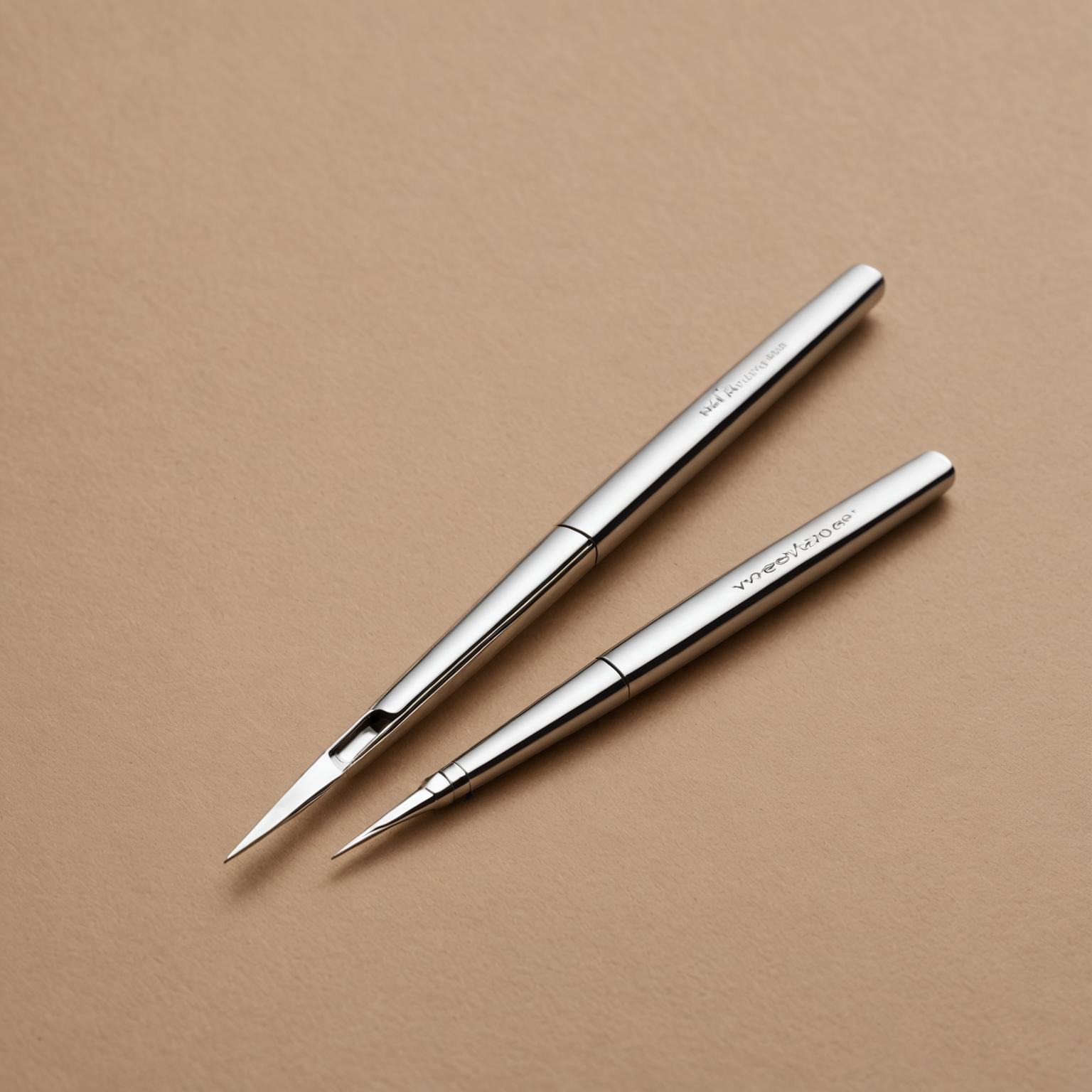
Tweezers are a good example of why small beauty tools deserve careful sourcing. The original product information highlights the False Lash Tweezer from Olimor Beauty, made from high-quality stainless steel and designed ergonomically for precise lash application. Those details matter because lash work requires control, repeatability, and comfort during detailed placement.
For lash and brow professionals, tweezer selection should consider tip alignment, grip feel, hand position, and the type of service being performed. A tweezer used for false lash application needs to hold material securely without forcing the technician to squeeze too hard. Stainless steel is widely valued in professional beauty tools because it can support durability and a clean working appearance when properly maintained.
For salon buyers, it may be useful to separate tweezers by workstation or technique. For example, one group of tools may be dedicated to lash application, while another may be used for brow shaping or general grooming tasks. This prevents tools from being used outside their best purpose and helps managers monitor wear more accurately.
Wholesale Buying Checklist for Salons and Distributors
A structured checklist makes wholesale purchasing easier, especially when comparing salon wholesale distributors or professional beauty tools suppliers. The table below summarizes practical questions to review before placing or repeating an order.
| Buying Area | What to Evaluate | Why It Matters |
|---|---|---|
| Service fit | Match tools to manicure, lash, brow, spa, or retail use | Prevents unnecessary inventory and improves tool adoption |
| Ergonomics | Check grip, pressure, balance, and hand comfort | Supports technicians during repeated daily services |
| Material and finish | Review stated material, surface smoothness, and visible consistency | Affects durability, cleaning routines, and professional appearance |
| Quality consistency | Compare samples or previous orders across multiple units | Helps maintain the same service standard at every station |
| Packaging | Confirm the tool is protected and easy to identify in stock | Reduces damage and simplifies inventory control |
| Reorder planning | Track usage rates and replacement timing | Keeps essential tools available without overstocking |
This checklist can be adapted for a single salon, multi-location business, training school, spa group, or wholesale distributor. The key is to connect every buying decision to a real service need.
Maintenance and Inventory Habits That Protect Tool Value
Even well-made salon supplies perform best when they are maintained properly. Each salon should follow hygiene and care procedures appropriate to its services, local requirements, and tool types. While specific cleaning methods depend on the product and service environment, a few operational habits are broadly useful.
- Assign tool categories clearly. Keep manicure tools, lash tweezers, brow tools, and general-use items separated to reduce misuse.
- Inspect tools regularly. Look for dull edges, bent tips, loose handling, corrosion, or surface damage before tools reach clients.
- Store tools dry and protected. Proper storage helps preserve the tool’s finish and prevents unnecessary damage in drawers or carts.
- Remove worn tools from active use. A tool that no longer performs cleanly can slow services and affect results.
- Track replacement frequency. Knowing how quickly tools wear helps create more accurate wholesale reorder schedules.
These habits improve the return on wholesale purchasing. A salon may buy efficiently, but without maintenance and inventory discipline, tools can be lost, misused, or replaced too late.
How to Build a Smarter Wholesale Supply Plan
To make wholesale salon supply purchasing more efficient, start by ranking products into three groups: daily essentials, service-specific tools, and backup inventory. Daily essentials are the tools used by nearly every technician or station. Service-specific tools are tied to lash application, manicure detailing, or other focused treatments. Backup inventory covers replacements needed when tools wear out, are damaged, or must be rotated out of service.
Next, review the buying frequency for each group. Daily essentials may need closer reorder monitoring, while specialty tools may require smaller but more deliberate purchasing. Distributors can use a similar method by separating core products from optional add-ons.
When buyers need clarification on product availability or sourcing direction, they can contact Olimor or send an inquiry with the intended application, product category, and purchasing goals. Clear information about the service type and buyer role helps narrow the selection more effectively.
Final Thoughts for Beauty Professionals
Wholesale salon supplies should help a beauty business work with greater consistency, not simply fill shelves. The best purchasing decisions begin with the services being performed, the comfort of the technician, the durability of the tool, and the ability to reorder a reliable product mix over time.
For manicure tools wholesale, focus on control, finish, and workstation standardization. For professional tweezers, especially false lash tweezers, prioritize precision, stainless steel construction when specified, ergonomic handling, and suitability for detailed application. For broader salon wholesale purchasing, use a checklist that connects every product to an operational purpose.
With the right evaluation process, salons and distributors can choose beauty tools that support efficient appointments, professional presentation, and consistent client experiences across everyday services.
Tag: