

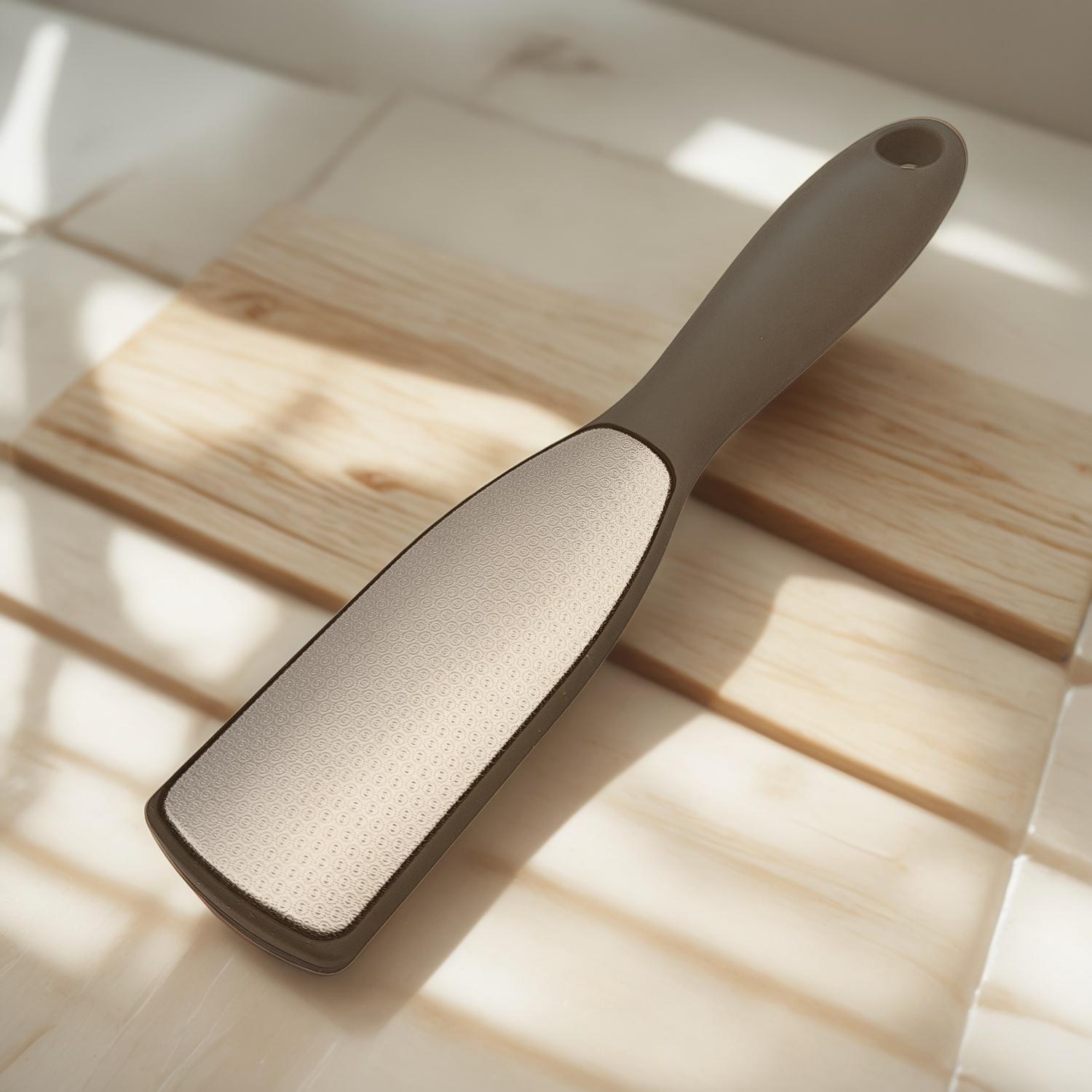
Wholesale Salon Supplies for Professional Foot Care Tools
Wholesale salon supplies should help salons, spas, nail studios and beauty retailers deliver consistent services without adding friction to daily work. For foot care tools in particular, the best buying decision is not simply the lowest unit cost or the widest catalog. Buyers need tools that match treatment type, technician handling, cleaning procedures, display needs and expected service volume.
This guide focuses on professional foot files, foot rasps, exfoliators and related manicure or spa tools. It answers the practical B2B questions buyers ask before ordering: what material to choose, how to compare working surfaces, which design details affect comfort, what quality checks to request, and how to evaluate a supplier without relying on vague claims.
Olimor Beauty supplies professional beauty tools for salon, spa, retail and wholesale channels. Buyers can review current beauty tool options through the Olimor product range and use the criteria below to compare foot care tools with a clearer purchasing framework.
Why Foot Care Tools Matter in Wholesale Salon Supplies
Foot care services are repeated frequently in professional environments. A salon may perform pedicures, callus care and maintenance treatments many times in a day. Small tool problems can quickly become operational problems: a handle that slips slows the technician, an inconsistent filing surface creates uneven results, and packaging that does not protect the tool can complicate storage or distribution.
Foot files and rasps are also strong retail products because at-home users often want to maintain smoother feet between appointments. This means wholesale buyers may need one product to satisfy several channels: professional back-bar use, salon resale, spa kits, e-commerce assortments or promotional beauty sets.
When sourcing wholesale salon supplies, the goal is to standardize dependable tools. Consistent tools make staff training easier, simplify replacement planning and help multiple technicians follow the same service steps. For distributors, consistency also supports fewer customer complaints and more predictable repeat orders.
What Buyers Should Look for in Professional Foot Care Tools
A professional foot care tool must balance exfoliation, control, durability and hygiene workflow. The product may look simple, but buyers should inspect several details before approving a wholesale order.
Material and cleanability
Stainless steel construction is commonly valued in salon environments because it supports durability and routine cleaning when maintained according to the salon procedure. Olimor examples include stainless foot care tools such as the EliteForge Dual-Side Stainless Foot File, which is designed around stainless steel construction for repeated professional handling.
Buyers should not treat the phrase stainless steel as a complete specification by itself. Before ordering, ask the supplier what material information can be documented, how the finish should be maintained, and whether the tool is suitable for the cleaning or sterilization method used in your market. Salons should also follow local health authority rules for disinfection and hygiene. If referencing public guidance such as the CDC or local health department requirements, verify the applicable version and make sure supplier documentation supports your intended use.
Working surface and exfoliation control
The filing surface determines how the tool feels in use. A surface that is too aggressive can be difficult to control, especially for at-home users or lighter maintenance services. A surface that is too mild may not meet the needs of callus care or high-volume pedicure work.
Dual-sided designs can help technicians adjust the treatment. The EliteForge Dual-Side Stainless Foot File includes fine and coarse grit options. A coarser side can be used for tougher areas, while a finer side can refine the finish and reduce the risk of excessive abrasion. The practical benefit is service flexibility, provided technicians are trained to use pressure carefully and avoid overworking one area.
Grip, balance and handling
Technician comfort matters because professional services depend on repetition. A tool that feels acceptable during one demonstration may feel tiring during a full workday. Buyers should check whether the handle allows stable control at different angles, especially around heels, soles and the sides of the foot.
An ergonomically designed non-slip handle, such as the handle described for the EliteForge Dual-Side Stainless Foot File, supports steadier pressure during use. Other foot file designs may use a gentle curve or balanced proportions to help the user follow the natural shape of the foot. For example, a 217mm foot file with a gentle curve, finely textured filing surface and golden hue reflects a market direction toward practical tools that are comfortable, understandable and presentable for retail display.
Finish and presentation
Appearance is not only decorative. A tool with a clean matte black finish or a polished golden hue can fit professional service kits, salon retail shelves and gift-oriented assortments more easily than a tool that looks unfinished. Presentation affects perceived value, especially for beauty retailers and spa product wholesalers.
Finish should still be evaluated practically. In humid spa environments, corrosion resistance and maintenance expectations matter because tools may be exposed to moisture, cleaning steps and frequent handling. Buyers should ask how the finish should be cleaned, stored and protected during transport.
Professional Salon Use Versus At-Home Spa Use
Professional and home users often want the same outcome: smoother feet and easier maintenance. Their usage patterns, however, are different. Professionals may use a tool repeatedly during the day and need efficiency, grip security and batch consistency. At-home users may use the tool less often but need a design that feels safe, comfortable and easy to understand.
For salon back-bar use, prioritize control, cleaning compatibility, durability and predictable performance from one shipment to the next. For retail or e-commerce sales, also evaluate photography appeal, packaging condition and how quickly the product communicates its purpose. A stainless steel foot tool with a refined appearance can serve both channels when the design is not overly complicated.
Buyers building assortments can compare categories through Olimor beauty tool collections and group products by use case: professional pedicure tools, retail foot care tools, manicure station tools, spa accessories and replacement items.
Manicure and Spa Tools Wholesale: Build the Assortment Around Services
Manicure tools wholesale purchasing often starts with price, but professional suitability depends on fit for purpose. Nail salons need instruments that support precision, balanced handling and frequent cleaning. Spa tools need to feel comfortable for clients while holding up to repeated use by technicians.
A wholesale order should not be built only from best-selling items. It should support the full service menu: core tools for everyday treatments, backups for high-use stations, replacement stock and retail options where appropriate. Foot files may serve pedicure rooms, spa service kits and consumer aftercare displays. Manicure tools may be assigned by technician station, treatment type or retail set.
Before committing to a large order, map each product to a specific scenario. Ask whether the item is for professional use, resale, kits, seasonal promotions, distributor inventory or private label development. This prevents overbuying attractive tools that do not match the service workflow.
Wholesale Foot Care Tool Comparison Checklist
The following checklist helps buyers compare foot rasps, foot files and exfoliators before placing a wholesale order. It is useful for salon operators, distributors, spa product wholesalers and beauty retailers.
| Selection factor | What to check | Why it matters |
|---|---|---|
| Material | Confirm stainless steel or other stated construction details and request available supplier documentation. | Material affects durability, cleaning expectations and long-term professional suitability. |
| Working surface | Review grit, texture consistency and whether the tool has fine, coarse or dual-sided exfoliation. | The surface controls how effectively and gently rough skin can be addressed. |
| Handle and shape | Check for non-slip handling, ergonomic contour, curve and balance during use. | Stable grip helps technicians maintain control during repeated services. |
| Size and proportions | Evaluate whether the size fits hand comfort, storage and retail packaging. One referenced foot file is 217mm. | Good proportions improve use experience and simplify display or kit planning. |
| Finish | Inspect matte, golden or other decorative finishes for appearance and maintenance guidance. | Finish affects presentation, perceived value and care requirements. |
| Cleaning workflow | Confirm whether the tool fits the salon hygiene procedure and local regulatory expectations. | Tools must support safe, repeatable service routines between clients. |
| Batch consistency | Ask how the supplier checks surface, finish, packaging and unit consistency. | Consistent shipments reduce complaints and make technician training easier. |
| Packaging | Review protection during shipping, labeling clarity and suitability for resale or storage. | Packaging affects distribution efficiency and retail presentation. |
Quality Checks to Request Before Ordering
Wholesale buyers should request practical inspection details rather than broad quality promises. Useful checks may include visual inspection of the working surface, finish review, handle stability, packaging condition and carton suitability for the intended shipping route. If samples are available, test them under realistic handling conditions rather than only reviewing photos.
For foot files, inspect whether the surface texture is even across the active area. Check the edges for comfort and safe handling. Hold the tool at multiple angles to see whether the handle remains stable in the hand. If the product is intended for retail, review how it looks in packaging and whether end users can understand the function without extensive explanation.
For manicure and spa tools, evaluate balance, touch points, finish wear risk and cleaning compatibility. Ask the supplier what information can be provided for material, packaging and care instructions. Buyers should verify any applicable standards, local rules or customer-specific compliance requirements with their own regulatory advisers and the supplier documentation available for the specific product.
Cost Factors Beyond Unit Price
The lowest quoted price is not always the lowest operating cost. A foot care tool that breaks down quickly, feels uncomfortable, arrives with poor packaging or causes inconsistent results can create hidden expenses through returns, replacements, staff dissatisfaction and lost repeat orders.
When comparing wholesale salon supplies, consider these cost factors:
- Service efficiency: A stable handle and suitable surface can help technicians work more smoothly.
- Replacement planning: Durable tools and consistent stock availability support predictable purchasing.
- Training time: Standardized tools make it easier to train staff across stations or locations.
- Retail readiness: Attractive finish and clean packaging can improve shelf presentation.
- Quality risk: Poorly protected shipments or inconsistent batches can increase complaints and administrative work.
For B2B buyers, the right question is not only how much the tool costs, but whether the supplier can support repeatable quality, appropriate packaging and clear communication throughout the procurement cycle.
How to Evaluate a Wholesale Salon Supplies Supplier
A reliable supplier should help buyers match products to the intended channel. The conversation should include use scenario, materials, finish, packaging, inspection process, customization possibilities and order planning. Buyers should be cautious of unsupported claims about performance, hygiene or certification. If certification or test documents are required for your market, ask for current documentation and verify the applicable version before purchase.
Supplier evaluation questions include:
- Which foot care tools are intended for professional salon use, retail resale or both?
- What material, finish and care information can be provided for each product?
- Can samples be reviewed before a larger order is confirmed?
- What packaging options are available for storage, distribution or retail display?
- How are surface consistency, finish appearance and packaging condition checked?
- Can customization be discussed for color, packaging or assortment requirements?
Olimor Beauty can support buyers who need to compare professional foot care tools, spa tools wholesale options or manicure-related assortments. To discuss a specific purchasing plan, product sample request or customization question, send details through the Olimor inquiry page.
Practical Buying Process for Salon, Spa and Retail Buyers
A structured buying process reduces mismatch and helps teams choose tools that will actually be used. Start with the service menu or retail channel, then select products that support that purpose.
- Define the use case. Separate professional pedicure use, retail sale, spa kits and promotional assortments.
- Shortlist by material and surface. Compare stainless steel construction, dual-sided grit, finely textured filing surfaces and finish options.
- Review handling. Test grip, balance, curve and comfort with realistic hand movements.
- Check hygiene workflow. Confirm that the tool can fit your cleaning procedure and local requirements.
- Evaluate packaging. Check whether packaging protects the tool and supports your sales channel.
- Request supplier details. Ask for available documentation, sample options, customization scope and inspection information.
- Plan replenishment. Consider high-use items, backup stock and consistency for future orders.
This process is especially useful when buyers are comparing similar-looking foot files. A golden 217mm curved file, a matte black dual-sided stainless foot file and other exfoliation tools may all belong in the same category, but their best use cases can differ by channel and service standard.
When to Contact Olimor
Contact Olimor when you need practical support selecting wholesale salon supplies for foot care, manicure or spa programs. A restrained, informed conversation should cover product purpose, expected channel, packaging needs, sample review, customization interests and any documentation required by your market.
For product selection support or B2B purchasing questions, reach Olimor through contact us. Share the intended use, target market and any packaging or quality requirements so the discussion can focus on suitable tools rather than generic catalog browsing.
FAQ
Can buyers request samples before placing a wholesale order?
Sample availability depends on the product and order situation. Buyers should ask Olimor which foot care, manicure or spa tools can be sampled and use samples to check handling, surface feel, finish and packaging before confirming a larger purchase.
Does Olimor provide fixed MOQ or lead time information online?
MOQ and lead time can vary by product, packaging, customization and order planning. Buyers should request current details for the specific item and confirm them in writing before purchasing.
Can foot care tools be customized for retail or distributor programs?
Customization may be possible depending on the tool, finish, packaging and order requirements. Buyers should provide the target channel, desired presentation and any labeling needs so Olimor can advise what is practical.
What quality checks should buyers discuss before ordering?
Discuss material information, working surface consistency, handle stability, finish appearance, packaging protection and any supplier documentation needed for your market. Do not rely only on product photos when evaluating professional tools.
Are stainless steel foot files automatically compliant with salon hygiene rules?
No. Stainless steel can support professional cleaning routines, but compliance depends on the tool, procedure and local regulations. Buyers should verify applicable health authority guidance and supplier documentation for the exact product and market.
Tag: