

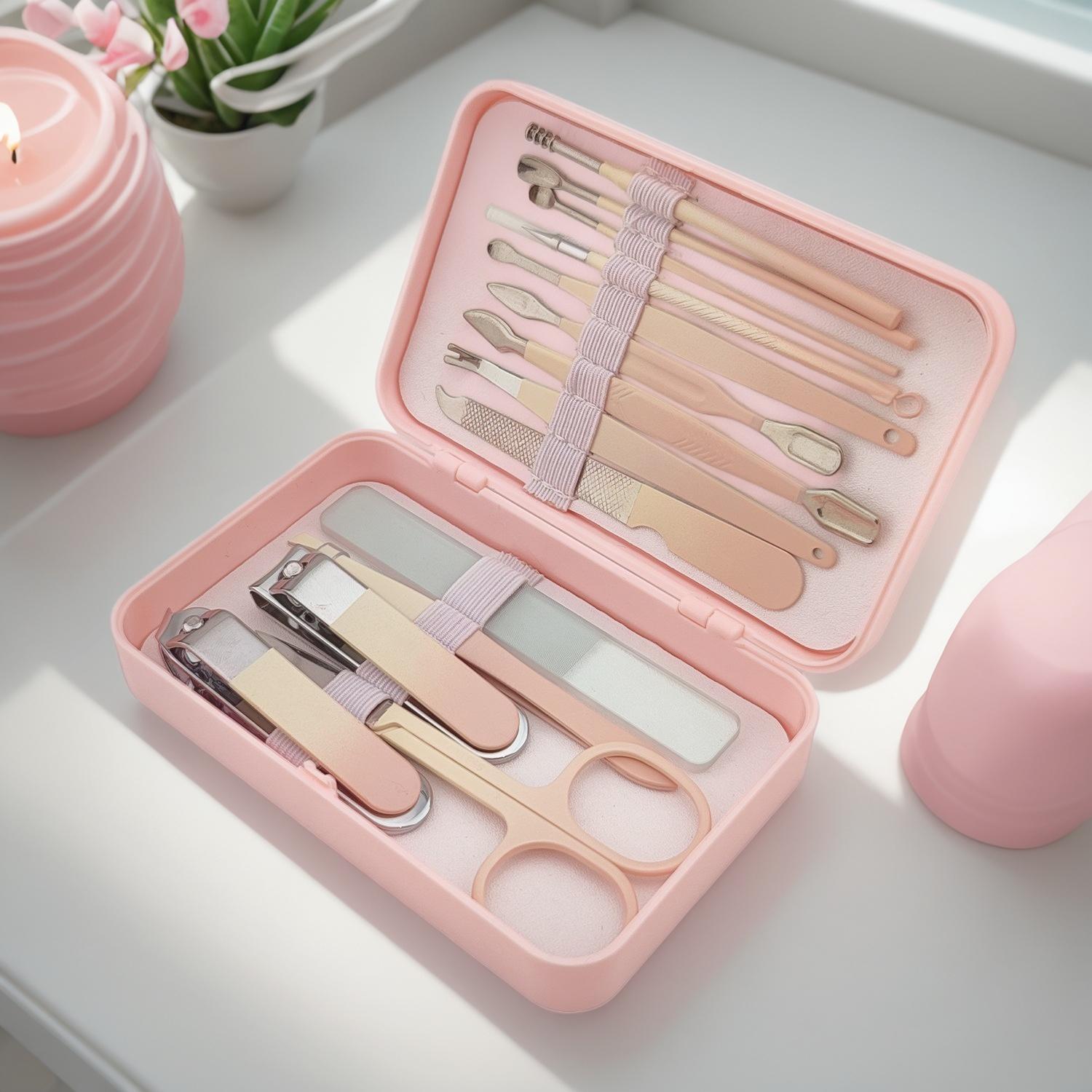
Wholesale Personal Care Tools for Salon Manicure Programs
Buying personal care tools wholesale is not only about getting a lower unit cost. For salons, spas, nail studios, beauty retailers and grooming kit distributors, the bigger question is whether every tool can support consistent service quality, safe handling and efficient daily operations. A nail clipper that feels loose after repeated use, a tweezer that fails to grip cleanly or a file that wears unevenly can slow down appointments and damage the client experience.
Olimor Beauty supplies personal care tools for buyers who need practical, salon-oriented grooming solutions in bulk. This guide focuses on how to evaluate wholesale manicure and grooming tools before placing an order, including selection criteria, bulk purchasing logic, hygiene planning, vegan-friendly positioning and packaging questions. It is written for buyers comparing options for salon use, retail kits, promotional grooming sets or distribution programs.
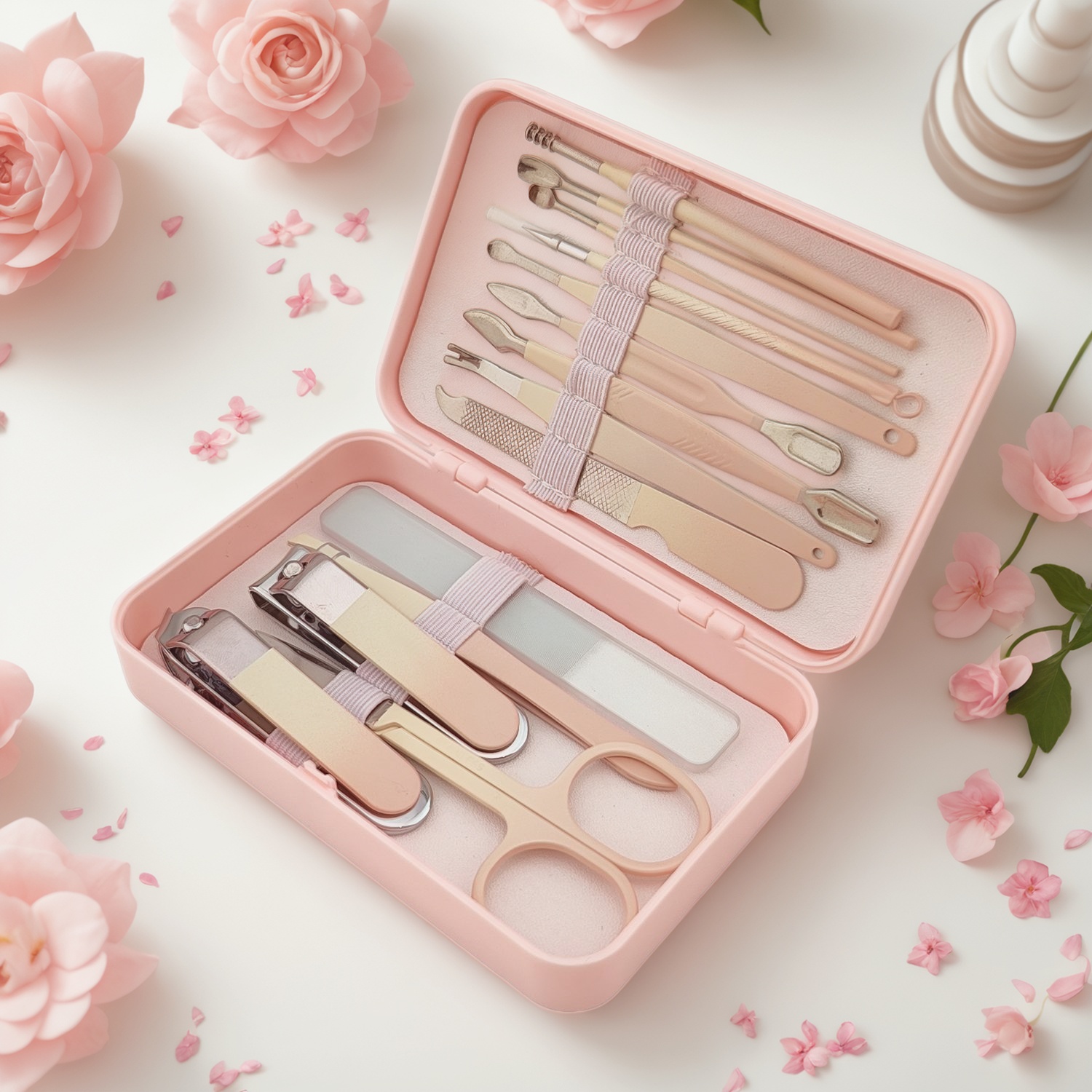
What “Salon-Quality” Should Mean in Personal Care Tools
The phrase salon-quality is often used loosely, so buyers should translate it into measurable product expectations. For manicure and grooming tools, quality starts with materials, edge performance, shape consistency and user comfort. Stainless steel is a common choice for manicure tools because it is strong, clean-looking and suitable for repeated handling. However, the buying decision should not stop at the material name. The tool must also be shaped and finished in a way that supports accurate work.
For example, nail clippers should close evenly and cut without forcing the hand. Manicure scissors should open smoothly and meet cleanly at the blades. Tweezers should have aligned tips that grip small hairs or nail art elements without slipping. Cuticle pushers need smooth contact edges that help technicians work carefully around the nail plate. Nail files should match the intended use, whether they are for shaping natural nails, refining edges or preparing a basic grooming kit.
Ergonomic design also matters when tools are used repeatedly throughout the day. A salon technician may hold the same type of clipper, pusher or tweezer through many appointments. Handles that feel awkward, edges that press into the fingers or tools that require excessive force can create fatigue. When reviewing beauty tool products, buyers should consider how each item performs during continuous service, not just how it looks in a product photo.
Core Tools to Include in a Wholesale Manicure Set
A wholesale personal care tool program can be simple or highly customized, depending on the customer. A nail salon may need loose professional tools for service stations, while a retailer may need compact manicure kits for resale. A hotel, spa or gift supplier may want a practical grooming set with broad appeal. The best starting point is to define the use case first, then choose tools that match it.
Common manicure and grooming tools include nail clippers, manicure scissors, nail files, tweezers and cuticle pushers. These items cover trimming, shaping, cleaning and detail work. They are also familiar to end users, which makes them suitable for both professional and consumer kits. The challenge is choosing the right combination rather than adding every possible accessory.
| Tool type | Main purpose | Buyer evaluation point |
|---|---|---|
| Nail clipper | Trimming fingernails or toenails | Check cutting alignment, spring feel and grip comfort |
| Manicure scissors | Detail trimming and shaping tasks | Look for smooth opening, stable blades and clean tips |
| Nail file | Shaping and smoothing nail edges | Match grit and durability to the intended user |
| Tweezers | Precision gripping and grooming | Confirm tip alignment and grip consistency |
| Cuticle pusher | Careful cuticle and nail surface work | Assess edge smoothness and handle control |
For professional salon use, it is often better to prioritize fewer tools with reliable performance than to build an oversized kit that includes rarely used items. For retail kits, presentation and user-friendly tool selection matter more. For distribution, consistency across batches may be the most important factor because buyers need fewer customer complaints and simpler replenishment.
Why Bulk Purchasing Helps Salons and Grooming Businesses
Bulk purchase grooming tools can make operations more predictable. Salons and spas often need enough tools to support multiple stations, backup stock and replacement cycles. Retailers and distributors need consistent availability so that product listings, store displays and customer orders can be maintained without frequent changes.
The main benefit of buying wholesale is not simply volume. It is control. With the right sourcing plan, a buyer can standardize the tools used across service locations, simplify training for technicians and reduce the time spent comparing small orders from multiple sources. Bulk buying can also support consistent packaging, kit configuration and brand presentation when personal care tools are sold as sets.
Before ordering, estimate usage by role. A busy manicure station may need multiple clippers, pushers and files so that cleaning cycles do not interrupt service. A retailer may calculate inventory by monthly sales velocity and seasonal demand. A distributor may need to balance one-time promotional volumes with steady reorder items. Olimor buyers can review available options through product collections and then organize a shortlist around the tools that fit the actual sales channel.
Quality Checks to Prioritize Before Committing to Volume
Wholesale purchasing increases the importance of inspection because a small defect rate can become a large service problem when multiplied across many pieces. Buyers should create a practical inspection checklist before confirming a bulk order. This checklist does not need to be complicated, but it should cover how the tool feels, functions and presents to the final user.
- Cutting performance: Clippers and scissors should cut cleanly without tearing, bending or requiring excessive pressure.
- Tip alignment: Tweezers and scissors should meet evenly at the working points.
- Surface finish: Tools should feel smooth in the hand, with no rough edges that could scratch skin or packaging.
- Handle comfort: The grip should allow controlled use, especially for repeated salon tasks.
- Consistency: Samples should match the expected finish, size range and function of the bulk goods.
- Packaging fit: Tools should sit securely in cases, cards or trays if the order includes kit packaging.
For salon operators, it is helpful to let the technicians who will use the tools test samples, not only the purchasing team. A tool may look acceptable but feel awkward in daily service. For retailers, sample testing should include packaging durability, visual appearance on shelves and ease of explanation to customers.
Considering Vegan-Friendly and Ethical Manicure Tool Options
Demand for vegan manicure tools wholesale continues to grow, especially among beauty retailers and salons with ethical positioning. In this category, the word vegan usually relates to avoiding animal-derived materials in tool components, cases, adhesives or accessories. Because a stainless steel tool itself may be straightforward, buyers should pay close attention to the full kit, including pouches, handles, packaging inserts and any decorative elements.
If vegan-friendly positioning is important for your market, build it into the sourcing brief at the beginning. Identify which components must meet the claim, how the product description should be worded and whether the claim applies to the tool only or to the entire kit. This helps avoid confusion when a manicure set includes multiple materials.
Ethical positioning can also involve durability and responsible product selection. Long-lasting tools reduce the need for frequent replacement, which is valuable for both salons and consumers. Instead of treating vegan-friendly claims as a marketing label only, buyers should connect them to clear material choices, transparent product descriptions and practical performance.
Inventory Planning for Salons, Retailers and Distributors
The right wholesale order size depends on how the tools will be used. A salon buying for internal service needs should plan around treatment volume, sanitation workflow and replacement timing. A retailer should plan around product display, online listing quantity and seasonal promotions. A distributor should plan around customer segments, repeat demand and storage capacity.
A useful approach is to divide tools into three groups: fast-moving essentials, kit components and specialty items. Fast-moving essentials are the tools most likely to be reordered, such as files or basic grooming items. Kit components are items that must stay available together so that sets can be assembled consistently. Specialty items may be purchased in smaller quantities until demand is proven.
Packaging should also be considered early. A loose professional tool order may need simple protective packing, while a retail manicure kit needs a presentable arrangement and clear product information. If the tools are intended for private label or promotional use, buyers should prepare artwork, packing preferences and market requirements before confirming the final configuration.
Maintenance and Hygiene Practices After Purchase
Wholesale sourcing is only the first step. Tool performance also depends on how salons and end users maintain the products. Personal care tools should be kept dry, stored safely and handled in a way that protects cutting edges and tips. For professional environments, hygiene procedures should follow local salon regulations and internal service standards.
After use, tools should be cleaned according to the material and the salon’s hygiene process. Cutting edges should not be thrown loose into drawers where they can become dull or misaligned. Tweezers and scissors should be protected from impact at the tips. Files and other consumable grooming items should be managed separately from durable metal tools so that replacement schedules are clear.
For retail kits, include simple care guidance when possible. Customers are more likely to value the product when they understand how to store it properly and keep the tools clean. Clear maintenance guidance can also reduce misuse and unnecessary complaints.
How to Build a Strong Wholesale Sourcing Brief
A clear sourcing brief helps suppliers understand the project and reduces back-and-forth communication. It should describe the intended market, product type, tool list, packaging preference and quality priorities. It should also note whether the tools are for professional salon use, consumer retail, hotel amenities, gifting or distribution.
- Define the end user and sales channel.
- List the required tools, such as nail clippers, scissors, files, tweezers or cuticle pushers.
- State whether tools will be sold loose, in a kit or as part of a branded program.
- Clarify material, finish, ergonomic and packaging expectations.
- Identify any vegan-friendly or material-avoidance requirements.
- Prepare inspection priorities for samples and bulk goods.
Olimor Beauty can support buyers comparing personal care tool options for wholesale projects. To discuss a sourcing plan, contact Olimor with your product direction, or send an inquiry with the tools and packaging format you are considering.
Final Buying Advice
Wholesale personal care tools should be selected with the same care that salons apply to client service. Look beyond the product name and compare function, comfort, consistency, packaging and maintenance needs. A strong manicure tool program can help salons work efficiently, retailers present dependable grooming kits and distributors serve different buyer groups with fewer product changes.
Whether you are sourcing salon-quality manicure tools, bulk purchase grooming tools or vegan-friendly manicure options, start with the end user and build the specification from there. The best wholesale choice is the one that performs reliably in real use, supports your sales channel and can be reordered with confidence.
Tag: