

Wholesale Grooming Tools: How to Source Practical Personal Care Tools for Your Business
Wholesale grooming tools are a core category for beauty retailers, salon supply businesses, wellness brands, and personal care distributors. Unlike trend-led beauty items that may have short seasonal demand, grooming tools are purchased for daily routines: trimming, shaping, cleaning, exfoliating, brushing, and maintaining personal hygiene. For a buyer, the challenge is not simply finding a low unit price. The real work is choosing tools that feel reliable in the hand, suit the intended user, match your brand positioning, and can be supplied with consistent quality over time.
Olimor Beauty works in the beauty tools and personal care tools space, where details such as material selection, ergonomic design, finishing, packaging, and inspection all affect the final customer experience. Whether you are building a small curated wellness range or expanding a broad retail catalog, a structured sourcing approach helps you avoid generic products that look acceptable online but disappoint in daily use.
Who Buys Wholesale Grooming Tools?
Wholesale grooming tools serve several types of business customers, and each has different priorities. A salon owner may care most about comfort, durability, and easy cleaning between uses. A retailer may focus on shelf appeal, clear usage instructions, and a price point that fits the surrounding category. A wellness brand may prioritize materials, sustainability cues, and a calm, premium unboxing experience. An OEM personal care tools buyer may need products that can be adapted to a private-label program without compromising usability.
Before choosing a product, define the buying context. Will the tool be used professionally, sold for home grooming, included in a gift set, or positioned as a travel-friendly self-care item? This decision shapes the material, size, finish, packaging, and quality checks you should prioritize. For example, a compact tool for travel must be lightweight and easy to store, while a professional-use tool should feel stable, precise, and comfortable over repeated use.
Key Criteria for Selecting Grooming Tools Wholesale
When comparing wholesale grooming tools, buyers should look beyond photos and basic descriptions. Small design differences can influence user confidence, repeat purchase, returns, and online reviews. The following criteria are useful when reviewing beauty tool products for retail, salon, or OEM use:
- Material suitability: Choose materials that fit the function of the tool. Stainless steel is commonly valued in grooming tools for its clean appearance and practical durability, while copper may be selected for specific oral care tools such as tongue scrapers.
- Ergonomic design: Handles, curves, grip areas, and overall weight should support comfortable use. A tool that looks sleek but slips easily or feels awkward can reduce satisfaction.
- Edge and surface finishing: Any tool that touches skin, nails, hair, or the mouth needs smooth, carefully finished surfaces. Rough edges, burrs, or uneven polishing are quality risks.
- Function clarity: Customers should immediately understand what the tool does and how to use it safely. This is especially important for oral care, brow, nail, and skincare tools.
- Packaging compatibility: Packaging should protect the item during storage and shipping while matching the channel, whether e-commerce, salon resale, or retail display.
- Inspection process: Consistent checking from raw materials through final packaging reduces the chance of mixed finishes, scratches, deformation, or incomplete sets.
If you are comparing options across categories, browse Olimor’s beauty tool products to understand how different tool types can support a broader personal care assortment.
Why Material and Finish Matter in Personal Care Tools
Grooming tools are used close to the body, so the user notices every rough corner, unbalanced handle, and weak finish. A low-quality tool may create a poor impression even before it fails functionally. For wholesale buyers, material and finishing decisions are therefore commercial decisions, not just manufacturing details.
Stainless steel tools, when properly made and finished, can offer a clean and professional feel. They are commonly chosen for many beauty and grooming applications because users associate the material with precision and hygiene. However, the material alone is not enough. The quality of forming, polishing, alignment, and packaging all influence whether the finished product feels dependable.
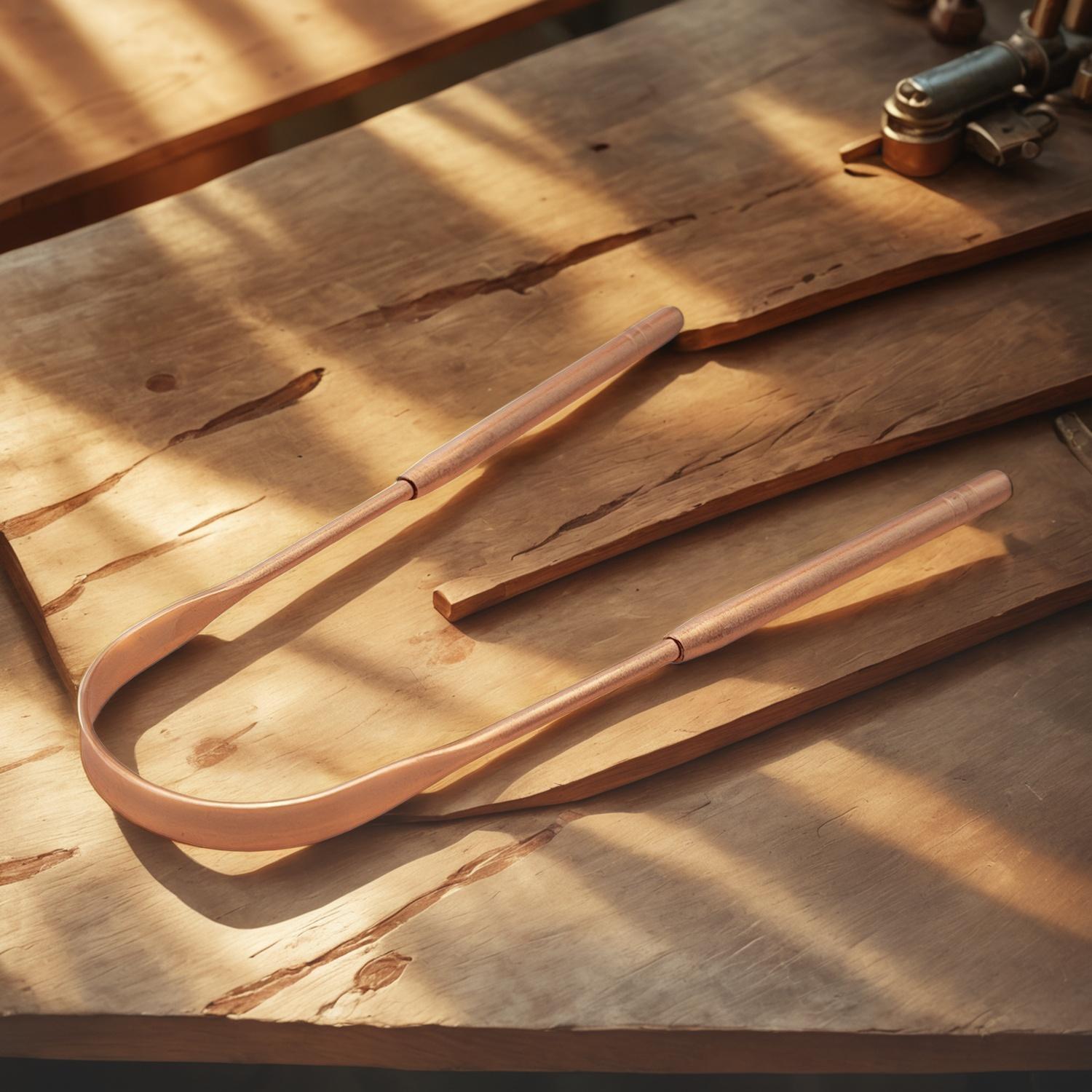
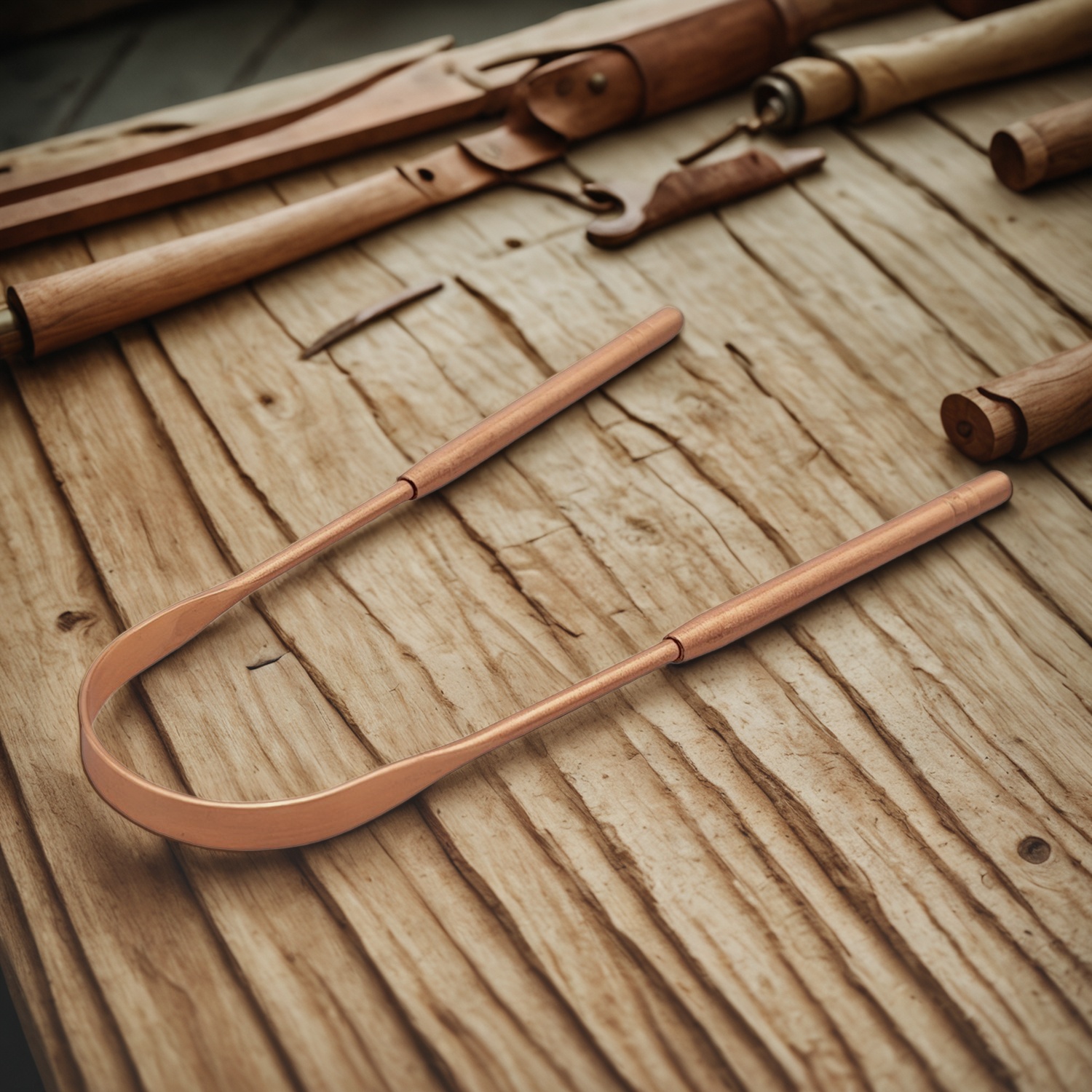
Copper occupies a different role. In oral hygiene, the copper tongue scraper is appreciated by users who value a traditional material and a simple, non-electronic tool for daily mouth care. The supplied product information highlights premium-grade copper, natural antibacterial properties, ergonomic handles, a smooth curved edge, and lightweight portability. These are meaningful features because a tongue scraper must be gentle enough for daily use while still feeling effective and easy to control.
The Copper Tongue Scraper as a Wholesale Oral Care Product
The copper tongue scraper is a good example of how a simple grooming tool can carry strong retail value when the design is thoughtful. It combines a long-established oral hygiene concept with a format that is easy to explain to consumers: the tool is drawn gently along the tongue to help clean the surface as part of a regular oral care routine.
For wholesale buyers, the appeal is not only the material story. The physical design matters. Ergonomic handles make it easier for beginners to hold and guide the scraper. A smooth, curved edge supports a more comfortable cleaning experience. A lightweight, portable format makes it suitable for home bathrooms, travel kits, wellness gift sets, and personal care bundles.
When assessing a copper tongue scraper program, consider the following practical questions:
- Is the curve smooth and consistent? A tongue scraper should not have sharp or uneven contact points.
- Do the handles feel secure? Users need enough control to apply gentle, even pressure.
- Is the surface cleanly finished? Visible flaws, rough spots, or irregular polishing can affect both appearance and comfort.
- Is the product easy to explain? Instructions or packaging copy should help first-time users understand gentle use and cleaning.
- Does it fit the sales channel? A wellness retailer may prefer simple, premium presentation, while a high-volume retailer may prioritize compact packaging and clear shelf communication.
Building a Strong Grooming Tool Range
A strong wholesale grooming tool range should not be a random mix of items. It should feel coherent to the buyer and easy for the end customer to navigate. Start by identifying the role of each item: daily hygiene, salon support, travel grooming, giftable self-care, or professional maintenance. Then group tools by use case rather than only by material or price.
For example, an oral care set may include a copper tongue scraper as a focused hygiene item. A salon-facing range may emphasize stainless steel tools with ergonomic handling. A wellness assortment may highlight simple, durable products that support consistent routines. If you are planning broader assortments, Olimor’s product collections can help you think about how different tools may sit together in a commercial range.
Buyers should also consider how the product will be presented after purchase. Is the tool easy to store? Does it need a protective sleeve or simple care guidance? Can the customer clean and dry it easily? Does the shape reduce the risk of damage during shipping? These practical details often determine whether customers keep using a tool after the first week.
Quality Checks to Discuss Before Ordering
Quality assurance is one of the most important parts of wholesale grooming tools sourcing. Olimor Beauty emphasizes careful inspection from raw materials to final packaging, which reflects a practical reality: a grooming tool may pass a quick visual check but still fail in comfort, alignment, finish, or consistency.
For a buying team, the following checklist can support a more useful product review:
| Checkpoint | Why it matters |
|---|---|
| Material appearance | Helps identify stains, discoloration, inconsistent finish, or visible defects. |
| Surface smoothness | Important for any tool used on skin, nails, hair, or the mouth. |
| Handle comfort | Affects control, especially for repeated salon use or daily home routines. |
| Functional shape | Ensures the product performs the task it is designed for without unnecessary effort. |
| Packaging condition | Protects the tool and supports retail presentation on arrival. |
This checklist is especially useful when comparing samples from different suppliers. It also helps align purchasing, product development, and brand teams around measurable expectations instead of relying only on appearance.
OEM and Private-Label Considerations
For OEM personal care tools buyers, sourcing decisions extend beyond the tool itself. The product needs to match brand values, customer expectations, channel requirements, and the intended price tier. A private-label grooming tool should not feel like a generic item with a logo added at the end. It should have a clear reason to belong in your range.
Consider the level of customization you actually need. In some cases, packaging, instructions, or assortment planning may be more important than changing the physical tool. In other cases, handle feel, finish preference, or set configuration may require closer product development. The goal is to make choices that improve user experience and commercial clarity, not add complexity for its own sake.
If you are preparing a new grooming tools program, create a short brief that includes target user, retail channel, preferred material direction, packaging style, compliance needs for your market, and expected use case. A concise brief makes sample evaluation more efficient and helps avoid mismatched recommendations. To discuss sourcing needs, you can contact Olimor or send an inquiry with your product requirements.
Practical Care Guidance for End Customers
Good grooming tools also need clear care guidance. Retail buyers often underestimate how much simple usage and maintenance information can reduce complaints. For stainless steel tools, customers generally expect easy cleaning and careful drying after use. For a copper tongue scraper, users should understand that it is an oral care tool that should be rinsed, cleaned, and dried after use, then stored in a clean place.
Packaging or insert copy should avoid exaggerated claims and focus on practical instructions. For a copper tongue scraper, emphasize gentle pressure, regular cleaning, and personal use. For tools with polished surfaces or precision edges, remind users to store them safely rather than loose in a crowded drawer or travel bag. These small instructions protect the product experience and support repeat purchase confidence.
Choosing a Reliable Grooming Tools Supplier
The right grooming tools supplier should help you balance product quality, usability, presentation, and sourcing practicality. Attractive photos may open the conversation, but samples, finishing quality, ergonomic feel, packaging protection, and inspection discipline should guide the final decision. For retailers, salons, and personal care brands, the strongest wholesale programs are built around tools that customers can understand quickly and use comfortably over time.
Olimor Beauty’s focus on beauty and personal care tools, including stainless steel grooming tools and the copper tongue scraper, makes this category suitable for buyers who care about function as well as presentation. By reviewing materials, surfaces, handles, packaging, and quality checks early in the sourcing process, you can build a grooming tool range that is useful, coherent, and easier to sell with confidence.
Tag: