

Wholesale Beauty Products for Salon-Grade Grooming Tools
Wholesale beauty products are not just a way to reduce unit cost. For salons, spas, nail studios, barbershops and beauty distributors, bulk purchasing is also a practical inventory decision that affects service consistency, hygiene routines, replacement planning and the way a business presents itself to clients. When the products are grooming tools, especially manicure and pedicure items, the decision becomes even more important because tools are handled repeatedly, cleaned frequently and expected to perform with precision.
Olimor Beauty provides wholesale grooming tools for buyers who need dependable salon-oriented options, including manicure and pedicure kits. The original appeal of bulk buying is simple: a salon can keep a reliable stock of essentials instead of repeatedly buying individual items when supplies run low. But a strong purchasing decision should go further than price. Buyers should compare materials, handling comfort, kit composition, durability, packaging practicality and maintenance requirements before committing to a bulk order.
This guide explains how to evaluate wholesale beauty products for professional grooming use, when bulk buying makes sense, and what salons should review before adding tools to everyday service stations or retail shelves.
Why salons buy grooming tools wholesale
A salon depends on repeatable service quality. If one technician uses a sharp, comfortable grooming tool and another uses a worn or inconsistent tool, clients may notice the difference. Buying wholesale helps standardize the tools used across multiple workstations and reduces the chance that staff members are improvising with whatever is available.
Bulk beauty products for salons also support smoother inventory control. Individual purchases may feel convenient, but they often lead to mismatched tools, inconsistent packaging and unplanned spending. A wholesale approach allows the business to plan ahead, keep backups on hand and replace worn items before they affect service quality.
The strongest reasons to consider wholesale grooming tools include:
- Service continuity: A steady supply helps reduce disruption caused by missing or damaged tools.
- Cost control: Bulk buying is often more economical than repeated individual purchases.
- Consistent presentation: Matching tools and kits can make workstations look more organized and professional.
- Replacement planning: Salons can rotate tools out of service before wear becomes a client-facing issue.
- Retail opportunity: Some salons may also display selected grooming kits for clients who want personal care tools for home use.
For buyers comparing options, Olimor’s beauty tool products page is a useful place to review available product directions before preparing an order list.
Wholesale kits versus individual tool purchases
The decision between wholesale kits and individual purchases depends on the buyer’s use case. A nail salon may need large quantities of specific tools for service stations, while a distributor may prefer complete grooming kits that are easier to display, store and sell. Personal care businesses may need a combination of both.
The following comparison can help clarify the purchasing logic:
| Buying approach | Best suited for | Main advantage | Possible limitation |
|---|---|---|---|
| Wholesale grooming kits | Salons, spas, distributors and retail counters | Consistent grouping of essential tools; easier storage and presentation | May include tools not needed for every service workflow |
| Bulk individual tools | High-volume service stations with specific tool needs | Focused inventory for frequently used items | Requires more planning to maintain balanced stock |
| Individual retail purchases | Occasional personal replacement | Convenient for one-off needs | Less cost-efficient and less consistent for salon operations |
For a professional buyer, the key is to match the product format to actual usage. If every technician needs the same set of tools, kits may create efficiency. If only certain tools wear out quickly, individual bulk units may be better for replenishment. If the goal is client retail sales, kit presentation and ease of explanation become more important.
What to check in salon-grade manicure and pedicure tools
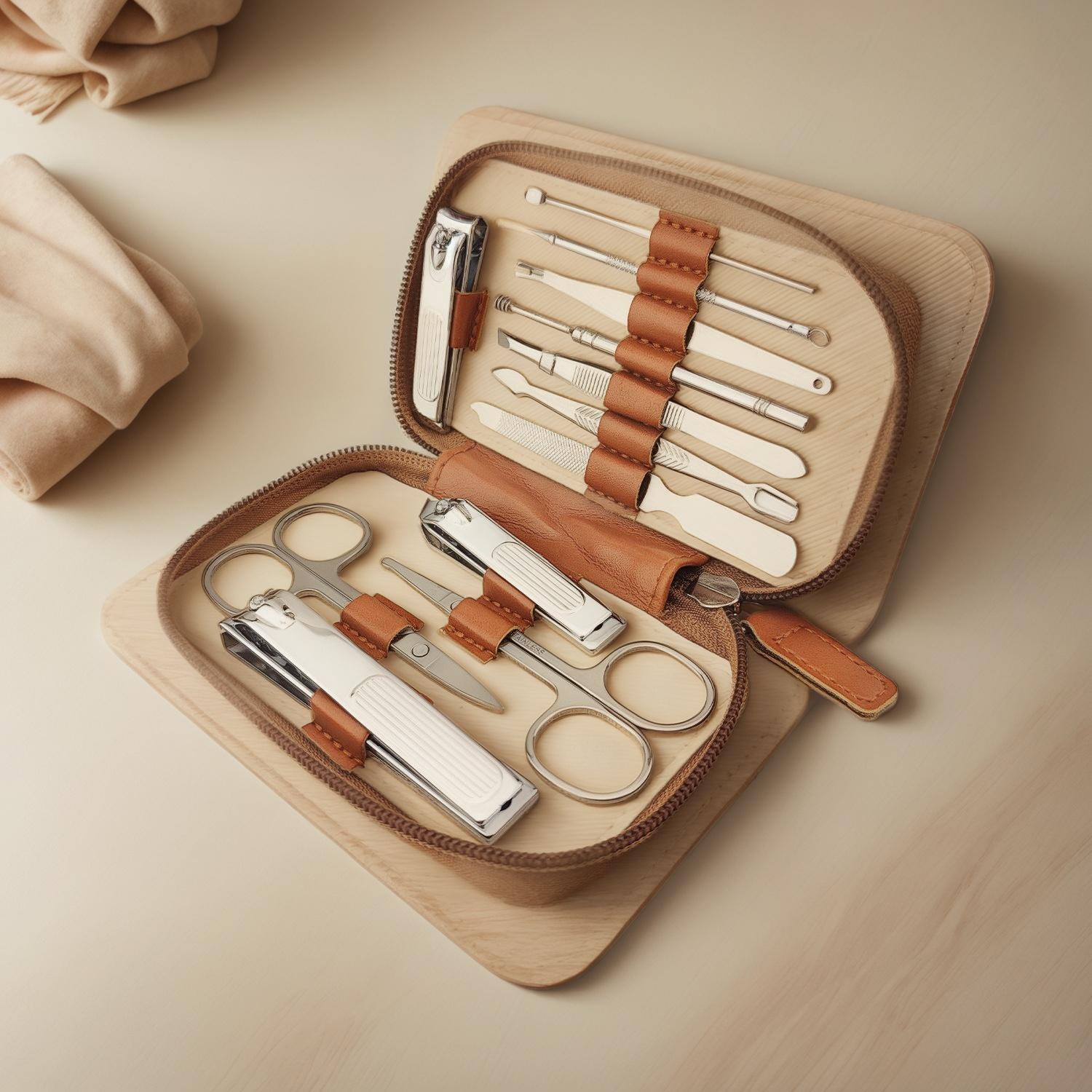
Grooming tools are simple in appearance, but small differences affect daily use. In manicure and pedicure services, a tool should feel controlled in the hand, perform cleanly and withstand repeated cleaning. The supplied product information highlights stainless steel construction, durability, ergonomic precision and practical functionality, which are all relevant features for salon buyers to evaluate.
Before ordering wholesale beauty products, review the following selection criteria:
- Material suitability: Stainless steel construction is valued for grooming tools because it resists wear and supports repeated professional use. Buyers should still review the specific care instructions for each tool type.
- Hand comfort: Ergonomic precision matters when technicians use tools throughout the day. A tool that is awkward to grip can slow service and increase fatigue.
- Functional edges and tips: Nail and cuticle tools should be shaped for controlled use. Buyers should inspect sample tools for alignment, smooth movement and finish quality.
- Kit composition: A deluxe manicure and pedicure kit should include tools that match the intended service or retail audience. Avoid paying for unnecessary pieces if a simpler set serves the business better.
- Storage and presentation: Kits should be easy to store, count and issue to staff. For retail, the kit should also be simple for clients to understand.
- Cleaning workflow: Tools used in a professional environment must fit the salon’s hygiene and sanitation procedures. Smooth surfaces and durable construction can make routine care more practical.
These checks are especially important when purchasing in volume. A small flaw in one tool becomes a bigger operational issue when repeated across many kits.
Planning quantities for salon inventory
Good wholesale purchasing starts with usage numbers. Before buying, count the number of service stations, technicians, daily appointments and backup tools required. A salon that only estimates may overbuy slow-moving items while running short of daily essentials.
A practical approach is to divide inventory into three groups. First, identify the active tools needed at each workstation. Second, set aside sanitized or ready-to-use backups. Third, keep unopened replacement stock for future rotation. This structure helps prevent last-minute individual purchases and gives managers a clearer view of when replenishment is needed.
For example, a nail studio may want each station to have a complete working set, plus additional sets available for turnover between appointments. A spa offering occasional hand and foot care may need fewer active sets but still benefit from organized backup inventory. A distributor or retailer will plan differently, focusing on case quantities, display needs and the likely mix of professional and personal buyers.
When comparing wholesale grooming tools, create a simple buying worksheet with columns for tool type, intended use, quantity per station, backup quantity, replacement frequency and storage location. This turns purchasing from a price-only decision into an operational plan.
Maintenance and tool care considerations
Even durable grooming tools require proper care. Stainless steel construction can help tools resist wear and tear, but no professional tool should be treated as maintenance-free. Salons should follow the applicable sanitation rules in their market and establish a consistent internal routine for cleaning, drying, storage and inspection.
Useful maintenance practices include drying tools thoroughly after cleaning, storing them in a clean and organized location, checking hinges or moving parts for smooth action, and removing damaged tools from service. Tools with dull edges, poor alignment, corrosion marks or uncomfortable movement should not remain in client-facing use.
For salons, tool maintenance is also a branding issue. Clients may not know the technical details of a grooming kit, but they do notice whether a station looks orderly and whether tools appear well cared for. A clean, consistent tool system supports trust during close-contact services such as manicures, pedicures and grooming treatments.
Sourcing questions for wholesale beauty buyers
Wholesale purchasing should balance price, consistency and suitability. Because not every business needs the same kit, buyers should prepare clear questions before finalizing an order. Instead of focusing only on the lowest quote, evaluate whether the product fits the buyer’s service model or retail channel.
Helpful sourcing questions include:
- Which tools are included in the manicure or pedicure kit?
- Are the tools suitable for professional salon use, personal grooming, retail resale or a combination of these channels?
- What packaging format is available for storage, distribution or display?
- How should the tools be cleaned, dried and stored after use?
- Is the grip comfortable for repeated daily handling?
- How are products checked for finish, alignment and practical function before shipment?
- Can the product mix support both regular workstation use and backup inventory?
Buyers exploring wider options can review Olimor product collections or send an inquiry with a clear list of intended applications, quantity planning and packaging needs. If a project requires discussion before ordering, the contact Olimor page is another direct route.
Choosing wholesale grooming tools with long-term value
The best wholesale beauty products are the ones that continue to make sense after the first shipment arrives. For salon-grade grooming tools, that means the tools are comfortable to use, durable enough for repeated service, easy to organize and aligned with the buyer’s hygiene workflow. A low unit cost is useful only if the product also performs reliably in daily routines.
Olimor Beauty’s focus on wholesale grooming tools, including manicure and pedicure kits, makes this category relevant for salons that want consistent supply and professional presentation. Whether the buyer is equipping a small studio, replenishing multiple workstations or preparing retail-ready grooming kits, the purchasing process should begin with actual use cases and end with a clear stock plan.
By comparing kit contents, stainless steel construction, ergonomic handling, storage needs and replacement planning, beauty businesses can make wholesale purchasing more predictable. The result is not simply a fuller stockroom. It is a better organized grooming service environment, with tools selected for the way professionals actually work.
Tag: