

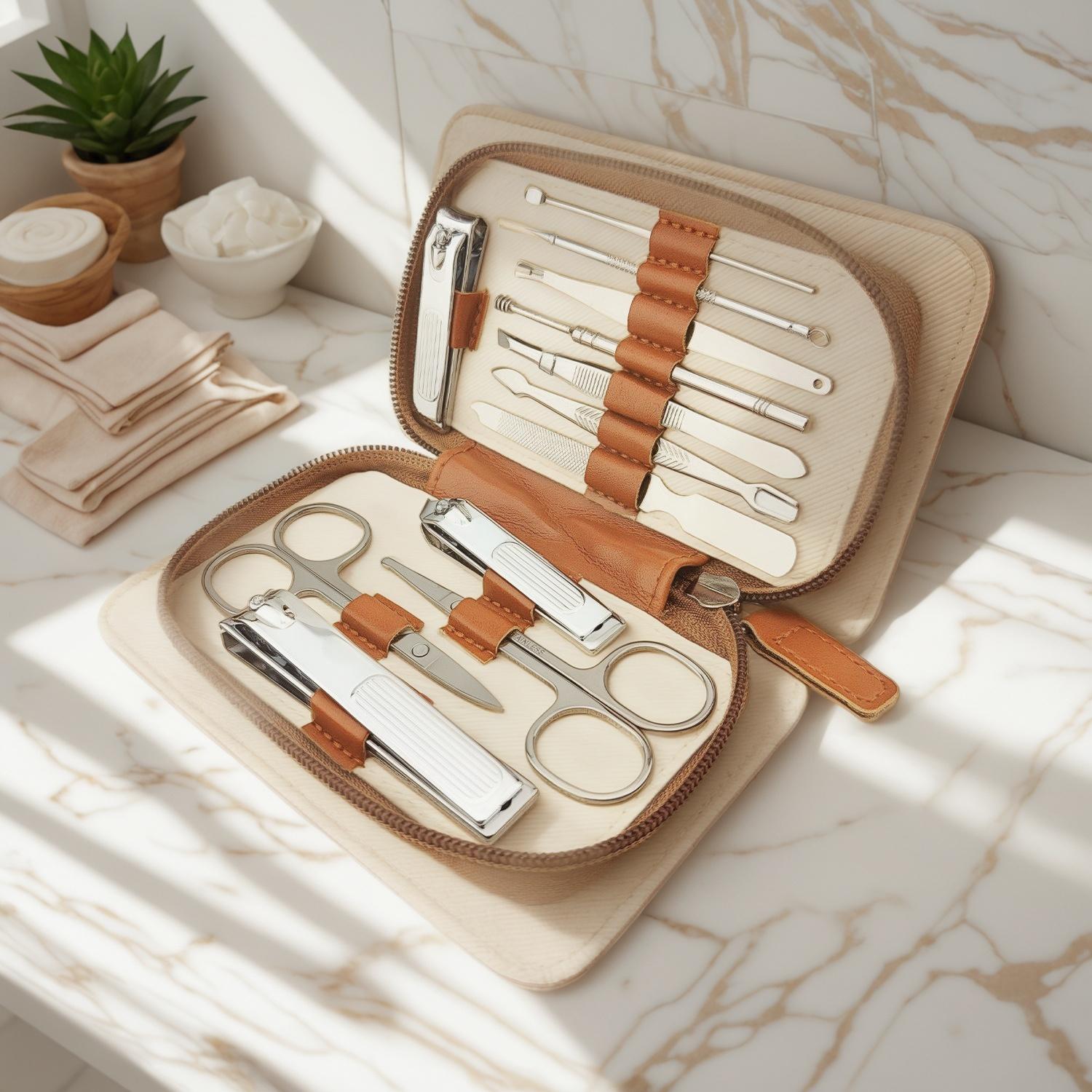
Wholesale Beauty Products for Salons: How to Choose Essential Grooming Tools
Wholesale beauty products are a practical purchasing route for salons, spa operators, nail studios, beauty distributors, and grooming retailers that need consistent supply without placing small repeat orders every week. For salon buyers, the goal is not simply to buy more units at a lower cost. The real value comes from choosing tools and essentials that support safe service delivery, reduce replacement pressure, and give technicians the confidence to work efficiently on different clients.
The phrase “wholesale beauty products” can cover a wide range of items, from consumable lotions and creams to reusable grooming tools such as scissors, nail clippers, tweezers, files, and other service accessories. Because these categories behave differently in daily salon operations, they should not be evaluated with the same checklist. Consumables are judged by formula, shelf life, skin feel, and replenishment speed. Grooming tools are judged by precision, hand comfort, cleaning requirements, durability, and the consistency of finish from unit to unit.
For salons planning a wholesale order, a structured approach helps prevent overbuying low-use items or understocking tools that technicians reach for every day. The following guide explains how to compare bulk beauty products and wholesale grooming tools, what to inspect before ordering, and how to build a salon-ready purchasing list that supports professional services.
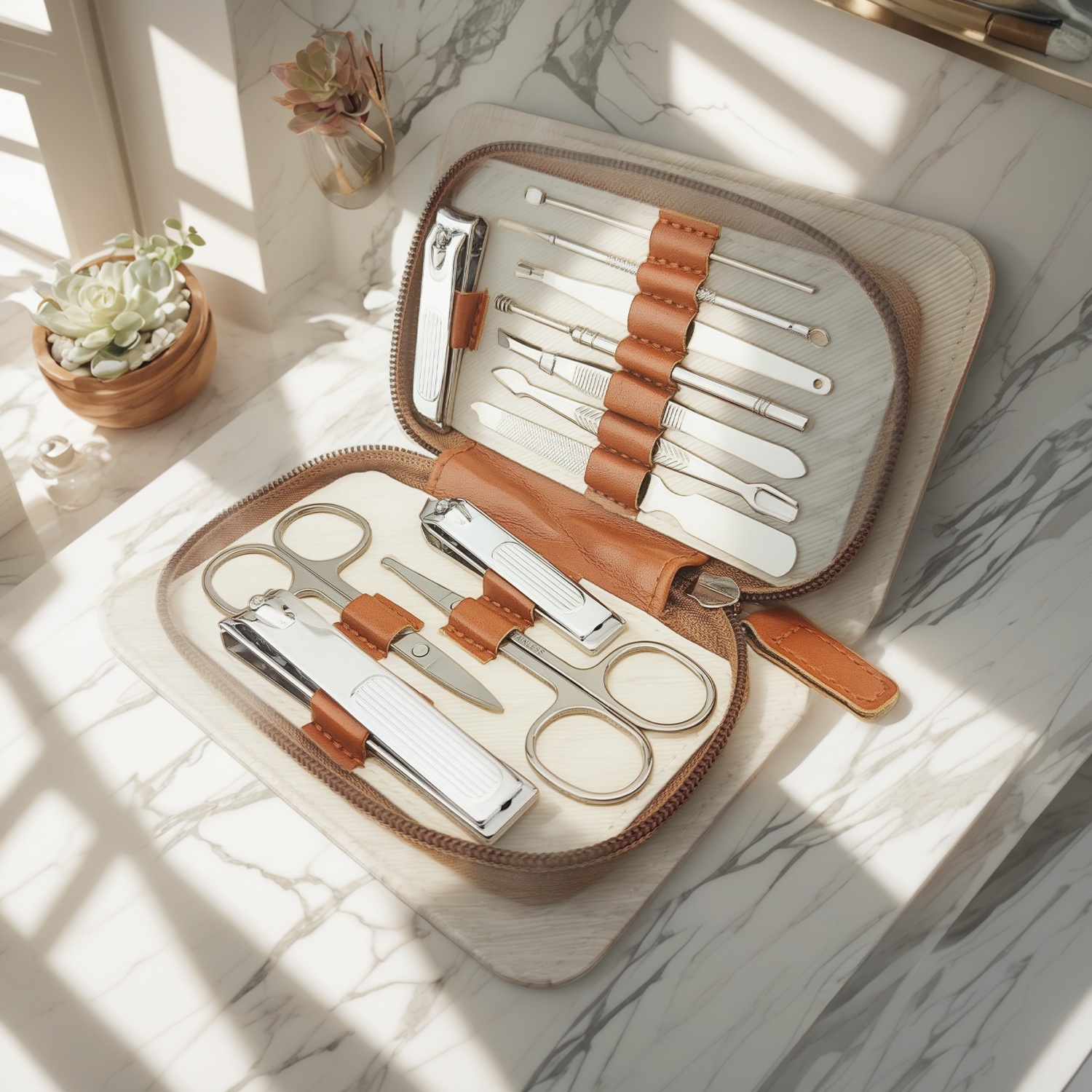
Why Salons Buy Beauty Products Wholesale
Salons depend on availability. A missing clipper, dull tweezer, or insufficient supply of daily-use essentials can slow appointments and affect client experience. Wholesale purchasing helps salons maintain a more predictable inventory, especially when multiple technicians use the same categories of tools throughout the day.
Wholesale buying can also support better planning. Instead of choosing tools one piece at a time from retail shelves, salon owners can standardize certain items across workstations. This makes training easier, simplifies cleaning routines, and gives managers a clearer view of replacement needs. When a salon uses consistent tools, technicians spend less time adjusting to unfamiliar shapes, weights, or grip styles.
For distributors and retailers, wholesale sourcing also makes assortment planning easier. A balanced range of grooming tools can serve several buyer groups, including beauty salons, nail service providers, brow studios, barbers, and home grooming retailers. The key is to select products that answer real service needs rather than filling a catalog with overlapping items that perform the same function.
Bulk Beauty Products vs. Wholesale Grooming Tools
Bulk beauty products for salons and wholesale grooming tools both belong in a professional supply plan, but they create value in different ways. Consumable products are used up and reordered based on client volume. Tools are fixed assets that remain in use across many services, so their design and durability matter more over time.
| Category | Typical Examples | Main Buying Focus | Salon Risk if Chosen Poorly |
|---|---|---|---|
| Bulk beauty products | Lotions, creams, hair products, treatment supplies | Formula suitability, packaging size, shelf life, replenishment | Waste, stockouts, inconsistent treatment results |
| Wholesale grooming tools | Scissors, nail clippers, tweezers, trimming and grooming accessories | Precision, grip comfort, cleaning, durability, safe handling | Slow service, technician fatigue, poor finish, frequent replacement |
| Salon essentials | Daily-use accessories and support items | Workflow fit, storage, sanitation compatibility | Cluttered stations, inconsistent hygiene routines |
A salon that specializes in routine treatments may need a larger share of consumables, while a grooming-focused business may prioritize reusable tools. Nail salons, brow studios, and barbers often benefit from investing more attention in tool selection because a small difference in edge alignment, grip, or control can affect the final result.
When comparing options, consider how often the item is handled, whether it touches skin or nails directly, and how easy it is to clean between clients. Tools used many times per day should be selected more carefully than occasional retail add-ons.
Selection Criteria for Salon-Ready Grooming Tools
Good wholesale grooming tools should fit the way professionals actually work. A product may look acceptable in a catalog, but salon use adds pressure: repeated handling, cleaning, storage in busy stations, and the need to perform consistently across appointments. Buyers should review several practical details before building a wholesale order.
- Ergonomics: Handles, finger rests, grip surfaces, and overall balance should support steady control without forcing the technician into an awkward hand position.
- Precision: Cutting, trimming, plucking, or shaping tools should align properly and feel predictable in use. Inconsistent edges can slow work and reduce confidence.
- Ease of cleaning: Tools should be designed so residue is not trapped in hard-to-reach areas. Smooth surfaces and simple shapes are often easier to maintain.
- Durability expectations: Reusable tools should be assessed for how they may hold up under daily salon handling, storage, and cleaning routines.
- Service fit: A brow studio, nail salon, barber, and general beauty salon may need different tool mixes. Avoid buying every item in bulk if only a few are used daily.
- Packaging and identification: For retail or multi-station salon use, packaging should protect the item and help staff identify the correct tool quickly.
Olimor Beauty focuses on wholesale beauty tools designed for practical grooming applications, with attention to ergonomics, precision, and quality checks. Buyers comparing options can explore current beauty tool products to understand how different tool categories may fit salon, retail, or distribution needs.
Building a Wholesale Order Around Real Salon Workflows
Before ordering, map the salon’s services and identify which tools are essential for each appointment type. This prevents a common wholesale mistake: buying large quantities of attractive but low-use items while overlooking the tools that support daily revenue.
A simple planning sequence can help:
- List core services. Include manicures, brow shaping, trimming, grooming, retail add-ons, or any other service category the business regularly provides.
- Identify tools used in every appointment. These are priority wholesale items because shortages immediately affect workflow.
- Separate technician tools from client retail products. Professional-use items may need different packaging, quantity planning, and storage than items intended for resale.
- Estimate replacement frequency. Consider how often tools are lost, damaged, worn, or removed from service for hygiene reasons.
- Create a small standard set for each workstation. Standardization helps with training, sanitation, and inventory counts.
- Keep a backup supply. Essential tools should not be ordered only when the last unit is already in use.
This method is especially useful for multi-chair salons and distributors serving professional accounts. It connects purchasing decisions to actual use instead of relying only on catalog variety or price comparison.
Quality Checks to Consider Before Committing to Bulk Supply
Wholesale purchasing works best when quality expectations are clear. Because grooming tools are handled closely by technicians and may be used near delicate areas such as nails, brows, or facial hair, consistency matters. The buyer’s review should include both product function and presentation.
For reusable grooming tools, inspect alignment, opening and closing movement, grip comfort, surface finish, and whether the tool feels stable during controlled use. For items with cutting or trimming functions, the working edge should be appropriate for the intended service and should not feel rough, loose, or uneven. For tweezers or similar precision tools, tip contact and hand control are important.
Packaging should also be reviewed. It needs to protect the tool during transport and storage, but it should also suit the buyer’s channel. A salon buying for backbar use may prefer practical protective packaging, while a retailer may care more about shelf presentation and clear product information.
Olimor Beauty emphasizes quality assurance across beauty tool supply, including checks intended to support durability and usability. Since exact requirements vary by market and service type, buyers should prepare their own evaluation checklist for materials, finish, packaging, labeling, and cleaning compatibility before finalizing a wholesale program.
Hygiene, Maintenance, and Storage in Professional Use
Even well-chosen tools need proper handling. Salons should create clear routines for cleaning, drying, storage, and replacement. A tool that is left damp, mixed with unrelated items, or stored loosely in a crowded drawer may wear faster or become harder to keep organized.
Useful maintenance practices include assigning storage zones by tool type, drying tools before storage, removing damaged items from service, and training staff to return tools to the correct workstation or sanitation area. If tools are used for services that require specific disinfection procedures, salons should follow local hygiene regulations and the instructions appropriate for their service environment.
Inventory checks should be scheduled, not improvised. A monthly or biweekly review can identify missing items, worn tools, and categories that are running low. For busy salons, this is more reliable than waiting for technicians to report shortages during appointments.
Choosing an Olimor Beauty Wholesale Tool Partner
When sourcing wholesale salon essentials, the best supplier relationship is based on product fit, communication, consistency, and realistic purchasing decisions. Buyers should look beyond the lowest unit price and consider whether the tool assortment supports the services they actually provide. A slightly more considered selection can reduce waste, simplify training, and help maintain a professional service environment.
Olimor Beauty serves buyers looking for wholesale grooming tools and beauty tool supply for salon, retail, and distribution use. Rather than treating every beauty product category the same, buyers can compare the role of each item: Is it a daily workstation essential, a specialized service tool, a retail product, or a backup supply item? This classification makes it easier to decide quantity, packaging needs, and reorder timing.
If you are developing a new assortment or reviewing your current salon supply list, browse Olimor Beauty product collections to compare categories and build a more focused tool mix. For sourcing questions, custom purchasing discussions, or wholesale planning, you can send an inquiry or contact Olimor with your target product types and intended sales channel.
Final Checklist for Wholesale Beauty Product Buyers
Wholesale beauty products can help salons and distributors operate with more confidence, but the strongest results come from disciplined selection. Before placing an order, confirm the role of each product, the expected service use, the cleaning routine, and the storage plan. For grooming tools, prioritize hand comfort, functional precision, durability, and consistency. For consumables, prioritize suitability, turnover, and replenishment planning.
A salon-ready wholesale assortment is not necessarily the largest assortment. It is the one that supports daily work, keeps essential tools available, and gives technicians reliable products for the services clients request most often. With a clear checklist and a supplier focused on practical beauty tool quality, wholesale purchasing becomes a long-term operational advantage rather than a simple bulk order.
Tag: