

Wholesale Beauty Products: How Salons and Retailers Can Balance Quality, Cost and Reliability
Wholesale beauty products can help salons, spas, barbershops and beauty retailers control purchasing costs, keep daily-use items in stock and support consistent service quality. The benefit is not simply a lower unit price. A good wholesale buying plan reduces emergency orders, prevents mismatched tools from entering the service room and gives your team a clearer standard for what should be used with clients.
For businesses that use grooming tools every day, the wrong purchase can become expensive quickly. A tool that feels uncomfortable, dulls too soon, corrodes easily or arrives with inconsistent finishing can slow down technicians and reduce client confidence. A thoughtful wholesale approach compares product quality, usability, packaging, replenishment needs and supplier communication before a large order is placed.
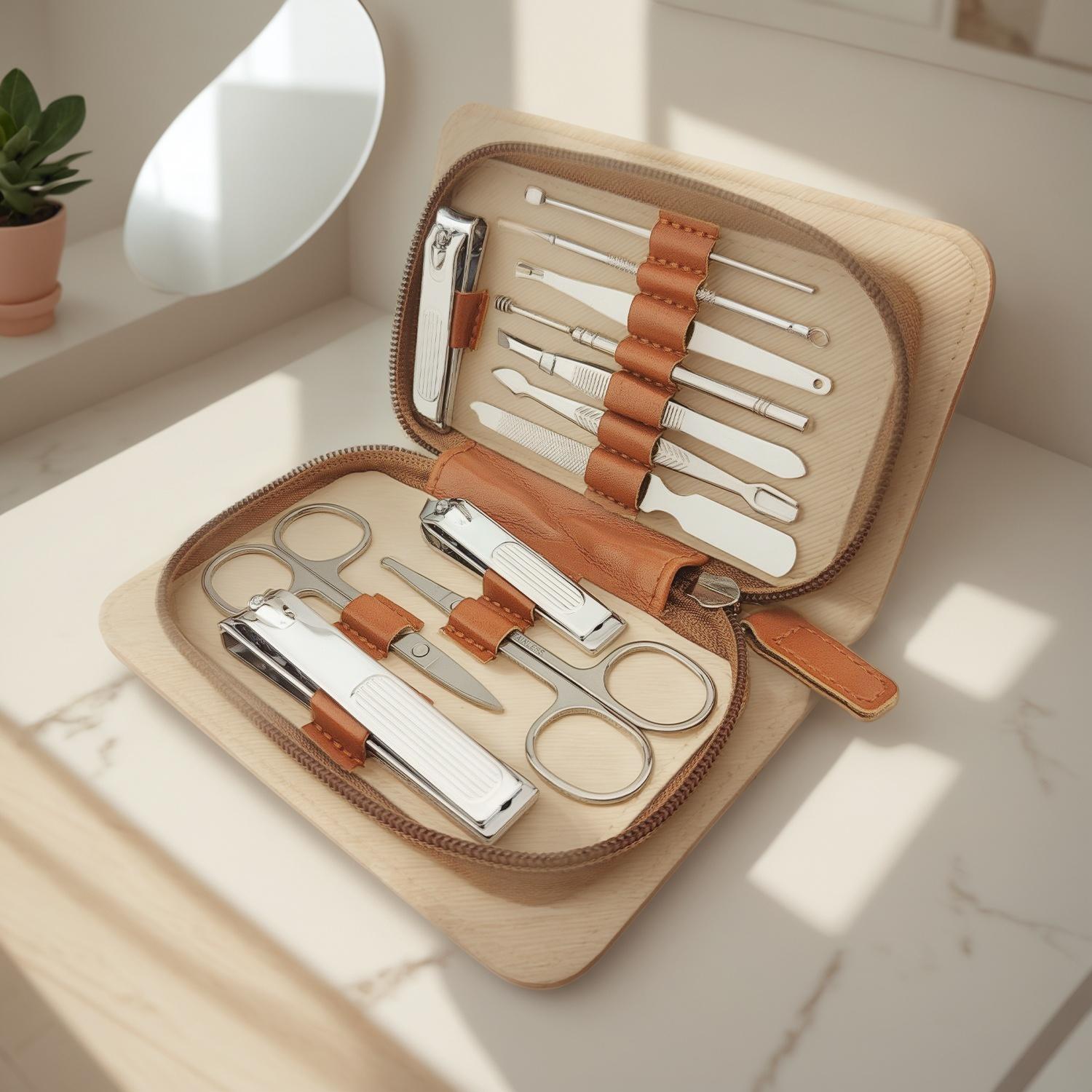
This guide explains how to evaluate bulk beauty products for salons and retail shelves, with a practical focus on grooming tools and daily-use beauty accessories. If you are comparing options, you can also browse Olimor beauty tool products or review broader product collections to understand available categories before preparing an inquiry.

Why Wholesale Buying Matters for Beauty Businesses
Salons and retail beauty businesses often need the same types of tools repeatedly: grooming tools, personal care accessories, manicure and pedicure implements, tweezers, scissors, facial tools and other service or resale items. Buying these products one order at a time can create inconsistent costs and irregular stock levels. Wholesale purchasing gives the buyer more control over planning.
The most obvious advantage is cost per unit. When products are purchased in larger quantities, a business can often reduce the average acquisition cost compared with buying small batches. That difference can protect margins, especially for retailers or salons that include tools in service kits, client aftercare sets or promotional bundles. However, affordability should never be judged only by the purchase price. A lower-cost item that has to be replaced often may be more expensive over time than a better-made tool with more consistent performance.
Wholesale purchasing also supports operational consistency. When each workstation uses the same style of tool, staff can work more predictably and training becomes easier. Retail customers also benefit from consistent stock: a shop that regularly offers the same reliable beauty tools can build repeat demand instead of constantly introducing untested substitutes.
How to Judge Quality in Wholesale Grooming Tools
Quality evaluation should start with the way the tool will be used. A grooming tool for professional salon service has different expectations from a retail accessory intended for occasional home use. Professional buyers should look at material, edge finish, grip, weight, surface smoothness, joint stability and ease of cleaning. In the supplied product context, stainless steel and ergonomic design are important quality cues for grooming tools. Stainless steel is commonly valued in beauty tools because it can support durability and a clean professional appearance, while ergonomic design can reduce hand fatigue during repeated use.
When comparing wholesale grooming tools, do not rely on photos alone. Product images can show general shape and finish, but they cannot fully reveal alignment, tension, sharpness, grip comfort or how a tool performs after repeated handling. A buyer checklist helps prevent emotional or price-only decisions.
- Material and finish: Check whether the tool surface is smooth, cleanly finished and appropriate for the intended service or resale use.
- Functional alignment: For tweezers, scissors or clipping tools, examine whether tips, edges or moving parts meet evenly.
- Comfort in hand: Consider grip shape, weight and whether the tool can be used repeatedly without awkward pressure points.
- Cleaning and storage: Choose tools that fit your hygiene workflow and can be stored without damaging working edges or tips.
- Packaging suitability: Retail products may need more polished presentation, while service-use items may prioritize practical protection.
- Batch consistency: Compare several pieces, not just one sample, to see whether finishing and function remain consistent.
Bulk Beauty Products for Salons: What to Buy in Quantity
Bulk purchasing works best for products with predictable usage. Salons should begin by reviewing service frequency and replacement patterns. Items used at every appointment, stocked at every station or sold regularly at checkout are usually better candidates for wholesale ordering than niche products with uncertain demand.
A nail salon, for example, may use more manicure and pedicure tools, while a brow or lash studio may focus on tweezers, trimming tools and small grooming accessories. A hair-focused salon may need tools connected with grooming, retail care kits or add-on services. Beauty retailers should review which categories customers reorder and which products are often purchased as gifts or impulse items.
Before increasing quantities, divide your buying list into three groups: core daily-use items, seasonal or promotional items and experimental items. Core items can usually be ordered with more confidence. Seasonal items require tighter planning because demand can change. Experimental products should be tested in smaller quantities before they become part of a wholesale purchasing program.
Price Is Only One Part of Affordability
Wholesale beauty products are attractive because they can reduce per-unit cost, but affordability should be measured across the full buying cycle. A salon that saves on purchase price but loses time handling returns, replacements or customer complaints is not truly saving money. Likewise, a retailer that buys a large batch of tools with weak packaging or inconsistent finishing may struggle to sell through the inventory.
Use a simple total-cost view before placing a larger order. Consider the product cost, shipping and handling, storage space, staff time for inspection, expected replacement rate and whether the product supports your service or resale price. A slightly higher unit cost may be acceptable if the item has better usability, fewer defects and stronger client acceptance.
| Buying factor | Why it matters | How to evaluate it |
|---|---|---|
| Unit price | Protects service or retail margin | Compare against quality, not price alone |
| Tool consistency | Reduces staff complaints and service variation | Inspect multiple pieces from the same batch |
| Packaging | Affects retail presentation and damage prevention | Check whether packaging matches your sales channel |
| Replenishment planning | Prevents stockouts and rushed purchases | Track monthly usage and reorder before inventory is low |
Retail Buyers Need a Different Evaluation Method
Retail beauty buyers have to think beyond tool performance. A product sold to end users must be easy to understand, visually clean and appropriate for the target price point. Packaging, product naming, instructions, material information and display readiness all influence conversion. Even a strong grooming tool may underperform in retail if customers cannot quickly understand what it is for or why it is worth buying.
For retailers, wholesale beauty products should be evaluated through the customer journey. Will the product photograph well for an online store? Can the packaging stand or hang in a display? Is the tool protected from scratches during transport? Does the product fit into existing categories, or will staff need to explain it often? These practical questions help buyers avoid slow-moving inventory.
If your business sells both in-store and online, choose items that can support both channels. A compact grooming tool with clean packaging may work well for checkout displays, gift sets and e-commerce bundles. Before committing to large quantities, test customer response with a smaller selection and review sell-through rate, return feedback and common questions.
Maintenance and Storage After Buying in Bulk
Good purchasing decisions can be weakened by poor storage. Wholesale orders often arrive in larger cartons, and tools may be unpacked, counted and stored before use. If grooming tools are not protected from moisture, dust, pressure or rough handling, the business may create damage before the product reaches a client or customer.
For salon service tools, create a clear storage and rotation process. Keep unused inventory separate from daily-use tools. Store sharp or precision items in a way that protects tips and edges. Train staff to return tools to the correct place and remove damaged items from service immediately. For retail products, avoid crushing packaging during back-room storage, and use first-in, first-out rotation when packaging designs or assortments change.
Maintenance also affects reorder decisions. Track which products last well, which require frequent replacement and which receive positive staff feedback. Over time, this creates a more accurate buying plan than guessing from invoices alone.
Questions to Prepare Before Choosing a Wholesale Beauty Tool Supplier
A successful wholesale order starts with clear requirements. Before contacting a supplier, define your product category, intended use, approximate quantity range, packaging expectations and whether the products are for professional service, retail resale or both. Clear requirements make it easier to compare options and avoid misunderstandings.
- Identify the exact tool categories your business needs most often.
- Separate professional-use items from retail resale items.
- List the quality features that matter, such as stainless steel construction, ergonomic handling or specific finishing expectations.
- Decide whether standard packaging is suitable or whether retail presentation is important.
- Request clear product information and compare samples before scaling up.
- Track performance after purchase so future orders are based on real usage data.
Olimor Beauty provides beauty tool products for businesses evaluating wholesale sourcing options. If you are preparing a purchasing plan, you can send an inquiry with your category needs, intended sales channel and quality priorities. For broader questions about product selection or cooperation, you can also contact Olimor.
Building a Smarter Wholesale Purchasing Routine
The best wholesale beauty product strategy is repeatable. Instead of making a large purchase only when inventory is almost gone, build a routine that includes usage tracking, quality review, supplier comparison and reorder timing. This keeps the business from making rushed decisions based only on immediate stock pressure.
Start with a short list of core tools and review them every month or quarter. Ask staff which tools perform reliably and which create friction during service. Review retail sell-through, customer feedback and return reasons. Compare these findings with your purchasing costs to decide which items deserve larger orders and which should be replaced or tested again.
Wholesale beauty products can support both affordability and quality when buyers evaluate them with discipline. Focus on tools that match your actual services, choose grooming products with consistent construction and comfort, and treat the lowest unit price as only one part of the decision. With the right process, salons and retailers can keep dependable beauty tools in stock, protect margins and provide a more consistent experience for every client or customer.
Tag: