

Where to Buy Tweezers in Bulk: A Practical Guide for Beauty Buyers
Buying tweezers in bulk is not only about lowering the unit cost. For salons, beauty retailers, distributors, cosmetic kit builders, brow studios, and promotional beauty brands, bulk sourcing affects consistency, customer experience, reordering, packaging, and long-term product reliability. A tweezer may look simple, but small differences in tip alignment, tension, surface finish, and grip can determine whether it feels professional or disappointing in daily use.
This guide explains how to evaluate where to buy tweezers in bulk, what to compare when choosing a tweezers wholesaler or factory partner, and how to prepare a clear purchase request. It is written for buyers who need reliable grooming tools for resale, professional use, kits, or private-label planning, without relying on vague claims or purely decorative product photos.
Who Should Buy Tweezers in Bulk?
Bulk tweezer purchasing makes sense when you need repeatable quality across many units. A salon may want the same hand feel for every workstation. A beauty retailer may need a consistent product line that looks organized on shelf. A kit assembler may need compact grooming tools for travel sets, brow kits, lash kits, or gift packs. A distributor may need a supplier who can provide stable packaging and product appearance across repeat orders.
Bulk buying is especially useful when the product will be handled by different users. In that case, consistency matters more than chasing the lowest price. If one tweezer grips well and the next does not meet at the tips, the buyer receives complaints even if the overall design looks attractive. Before placing a large order, define the use case: brow shaping, general grooming, lash application support, retail beauty accessories, salon supplies, or bundled sets. The intended use will guide the correct tip shape, finish, packaging, and inspection focus.
Choose the Right Tweezer Type Before Comparing Suppliers
The first sourcing mistake is asking for “tweezers” without specifying the working design. Different tip styles serve different grooming tasks. When reviewing beauty tool products, compare the function before comparing decoration, because the tip determines customer satisfaction.
| Tweezer feature | Best use | Buyer check |
|---|---|---|
| Slanted or angled tip | General brow shaping and hair removal | Tips should meet evenly and grip fine hairs without excessive pressure. |
| Pointed tip | Precision work where a narrow contact point is needed | Check that the points are symmetrical, cleanly finished, and safely protected in packaging. |
| Stainless steel body | Professional and retail grooming tools | Confirm material description, surface finish, and cleaning recommendations. |
| Colored or gradient finish | Retail display, gift sets, and color-coded kits | Check color consistency, scratch resistance expectations, and packaging protection. |
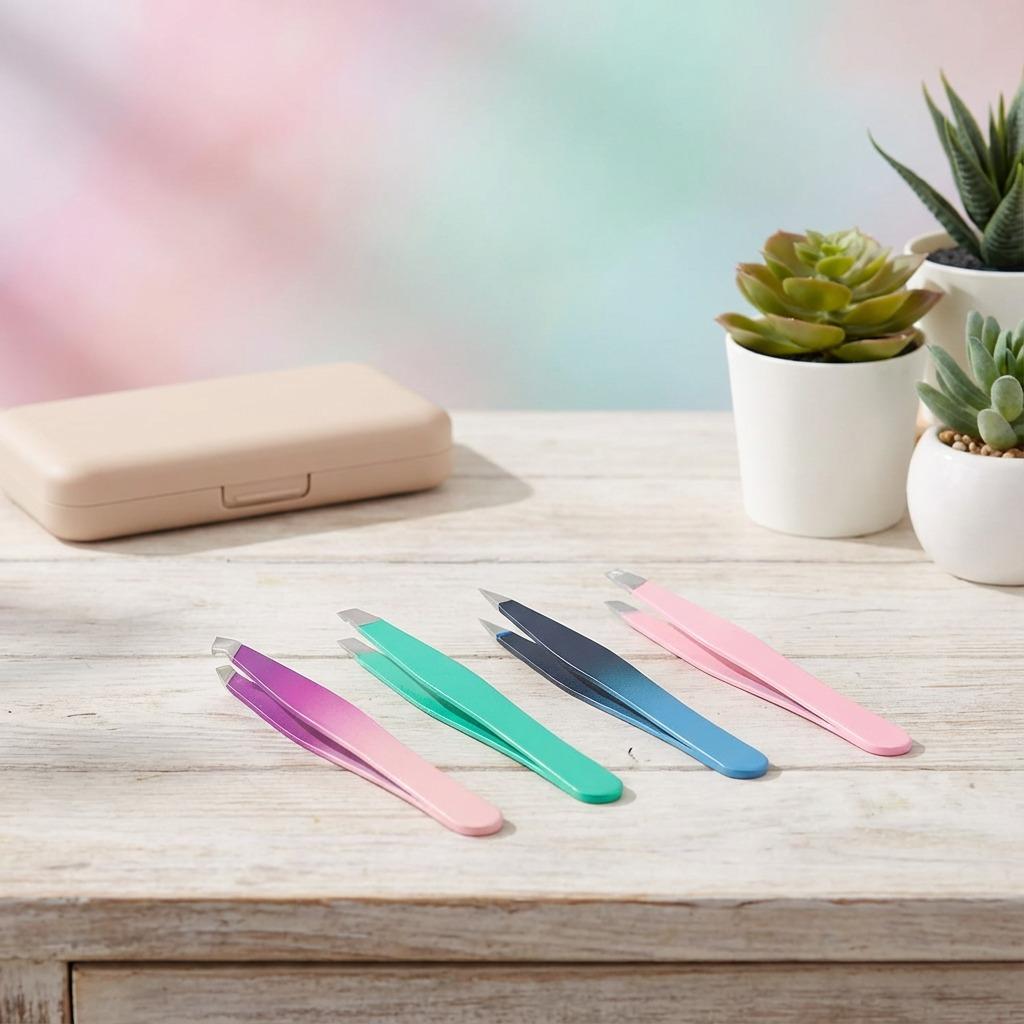
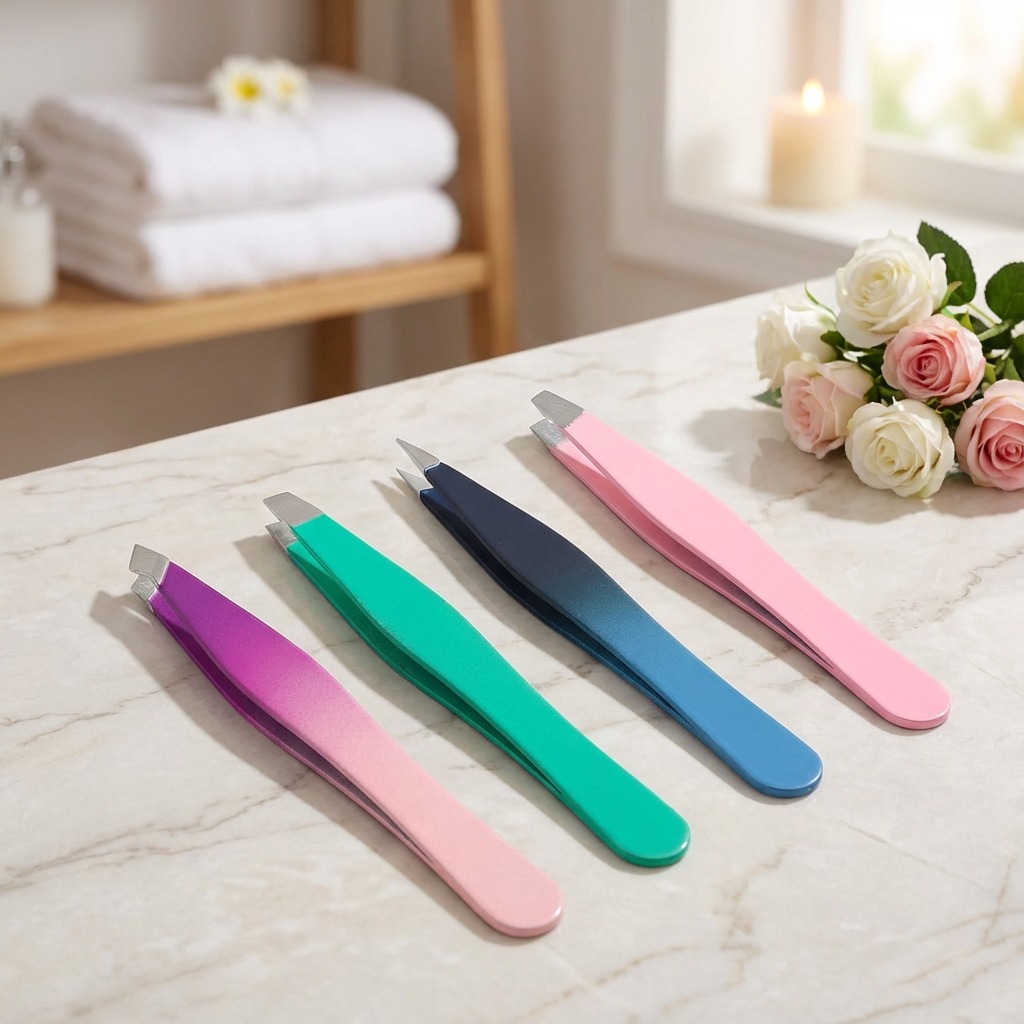
The supplied Olimor Beauty article references stainless steel construction, angled tips, slanted and pointed tip varieties, and gradient color finishes. Those are useful features for a bulk buyer because they combine function and display appeal. However, visual appeal should not replace performance testing. A strong sourcing decision starts with the gripping edge, not the color.
Where to Buy Tweezers in Bulk: Wholesaler, Factory, or Beauty Tool Supplier?
There are several sourcing routes, and each works for a different type of buyer. A wholesaler may be suitable when you need ready-made stock, mixed styles, or faster replenishment. A factory relationship may be better when you need more control over packaging, finish, assortments, or repeatable production planning. A beauty tool supplier with both product knowledge and export experience can help buyers compare practical options without treating tweezers as generic metal accessories.
When comparing sources, focus on communication quality and product control. A useful supplier should be able to explain available tweezer styles, tip options, packaging formats, and inspection points in plain language. They should also be willing to provide clear product photos, sample options, and order documentation. For broader sourcing research, buyers can review Olimor Beauty’s product collections to understand how tweezers may fit with other beauty tools in a retail or professional assortment.
A supplier may describe itself as a tweezers wholesaler, manufacturer, trading partner, or factory. The label matters less than the buying result: stable quality, clear specifications, suitable packaging, and responsive communication. If you plan to reorder, ask how the supplier keeps product appearance and performance consistent over time, especially for colored finishes or set packaging.
Quality Checks That Matter for Bulk Tweezers
For a single personal tweezer, a buyer may simply test it once and decide. In bulk purchasing, you need repeatable inspection criteria. Even small variations can affect returns, salon complaints, or retail reviews. Build a checklist before confirming a purchase order.
- Tip alignment: The two ends should meet evenly without visible gaps or crossing.
- Grip performance: The tweezer should hold fine hair or a test fiber with controlled pressure.
- Tension: The arms should not feel too loose or too stiff for repeated use.
- Edge finish: Tips should be precise but not rough, jagged, or unsafe.
- Surface quality: Check for scratches, discoloration, uneven coating, or sharp unfinished edges.
- Cleanability: For professional settings, smooth surfaces and clear care instructions are important.
- Packaging protection: Tips should be protected so they do not bend or dull in transit.
- Batch consistency: Samples should represent the expected bulk order, not only a hand-selected display piece.
If you are ordering gradient or colored tweezers, inspect more than the tool function. Color variation may be acceptable within a defined range, but it should not look random when displayed together. For retail sets, the packaging should prevent the tools from rubbing against each other, especially if the finish is part of the selling appeal.
How to Prepare a Clear Bulk Tweezer Inquiry
A well-prepared inquiry saves time and helps suppliers respond accurately. Instead of asking only for the “best price,” describe the product, usage, and order expectations. This allows the supplier to recommend a suitable option rather than guessing.
- State the intended use: salon supply, retail resale, beauty kit, travel kit, promotional item, or private-label planning.
- Choose the tip style: slanted, pointed, angled, or mixed set if multiple tasks are required.
- Describe the finish: plain metal, colored, gradient, or assorted colors if available.
- Explain packaging needs: individual packaging, set packaging, protective sleeves, retail-ready presentation, or bulk packing.
- Request sample details: ask how samples compare with mass production in material, finish, and packaging.
- Clarify inspection expectations: tip alignment, grip test, surface finish, and packaging condition.
- Discuss timeline and shipping: provide your target delivery window and destination region for planning.
Buyers who already know their assortment can send an inquiry with these details. If you are still deciding between tweezer types or packaging directions, contact Olimor to start with product suitability and sourcing questions before finalizing order requirements.
Packaging and Retail Presentation Considerations
Bulk tweezer packaging should match the sales channel. A salon buying for backbar or workstation use may prefer simple protective packaging that keeps the tips safe and the tools clean. A retailer needs packaging that communicates the tool type quickly and protects the finish on shelf. A beauty kit assembler may need compact packaging that fits inside a larger set without adding unnecessary bulk.
For pointed or sharp precision styles, tip protection is especially important. Damaged tips reduce performance and can create safety concerns. For gradient or decorative tweezers, packaging should limit friction during transport. If the tweezers will be sold as a set, check whether each piece is held securely and whether the customer can identify different tip styles easily.
Do not ignore labeling needs. Depending on the market and sales channel, you may need product description, material statement, care guidance, country of origin details, barcode placement, or retailer-specific packaging rules. These requirements should be handled before mass packaging is confirmed, because changing packaging after production can create delays and extra cost.
Sample Evaluation Before a Larger Order
Samples are valuable, but only if you test them like a buyer rather than simply approving the appearance. Use the tweezer repeatedly, check grip at the very end of the tips, and compare several pieces if available. If ordering for a brow studio, let the staff who will use the tools provide feedback on tension and comfort. If ordering for retail, review both the tool and the packaging from the customer’s perspective.
Keep written notes on what you approve: tip shape, finish, color direction, packaging style, and any accepted tolerance. These notes help prevent confusion later. If the supplier offers multiple similar styles, record the exact product description used in the quotation and invoice. For repeat purchasing, consistency depends on clear records as much as supplier reliability.
Final Buying Advice for Bulk Tweezer Sourcing
The best place to buy tweezers in bulk is the source that can match your use case, quality expectations, packaging requirements, and reorder needs. A low unit price is not helpful if the tips are inconsistent, the finish scratches easily in transit, or the packaging does not fit your retail channel. Start with the function, verify the sample, document the specification, and then compare commercial terms.
Olimor Beauty works with beauty tool buyers who need practical sourcing support for professional and retail grooming tools. Whether you are building a salon supply order, developing a compact beauty kit, or adding tweezers to a broader beauty accessories range, the key is to define the product clearly and inspect what matters most: alignment, grip, finish, protection, and consistency.
Tag: