Manicure Tools Manufacturer for Salon, Retail, and Private Label Nail Care
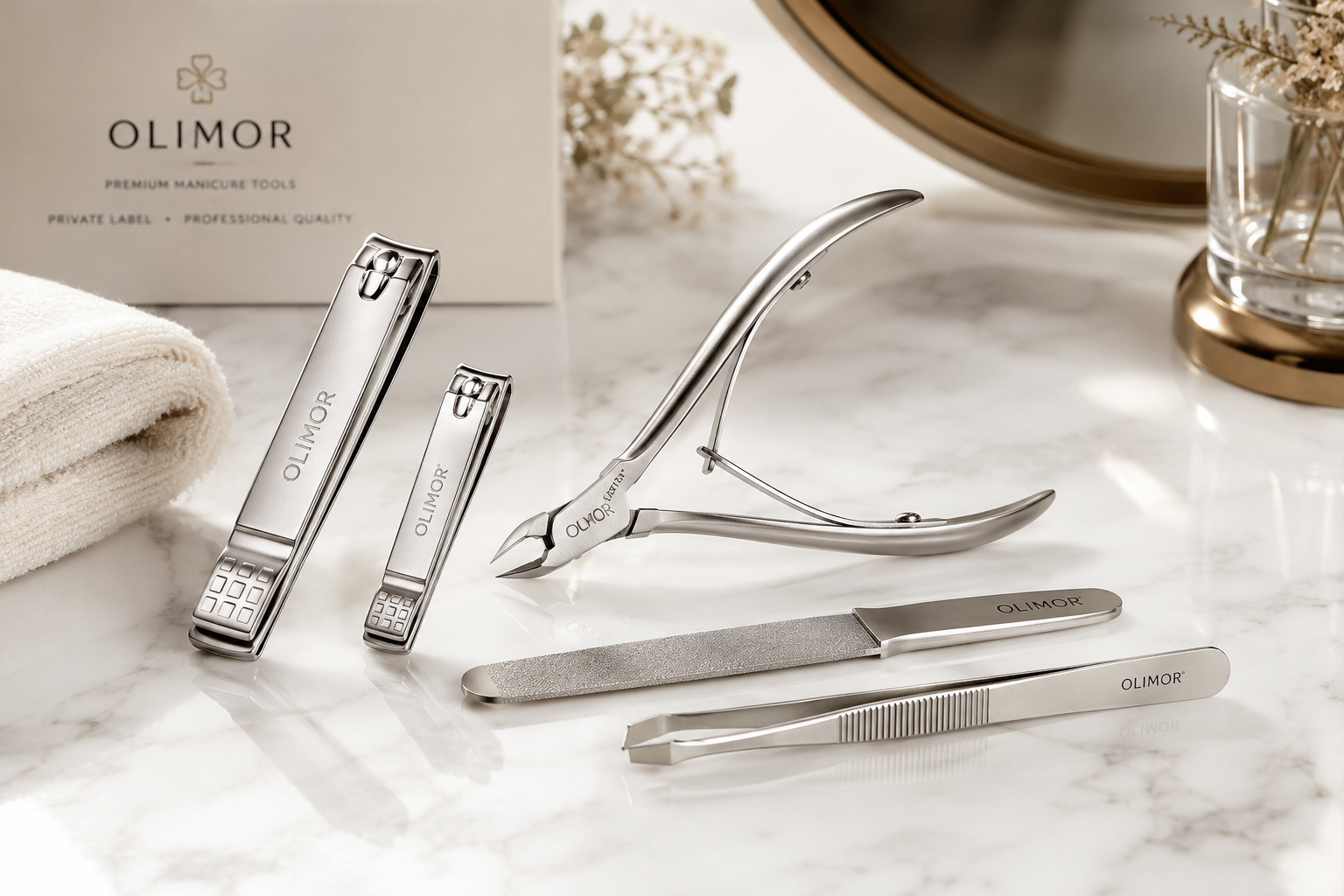
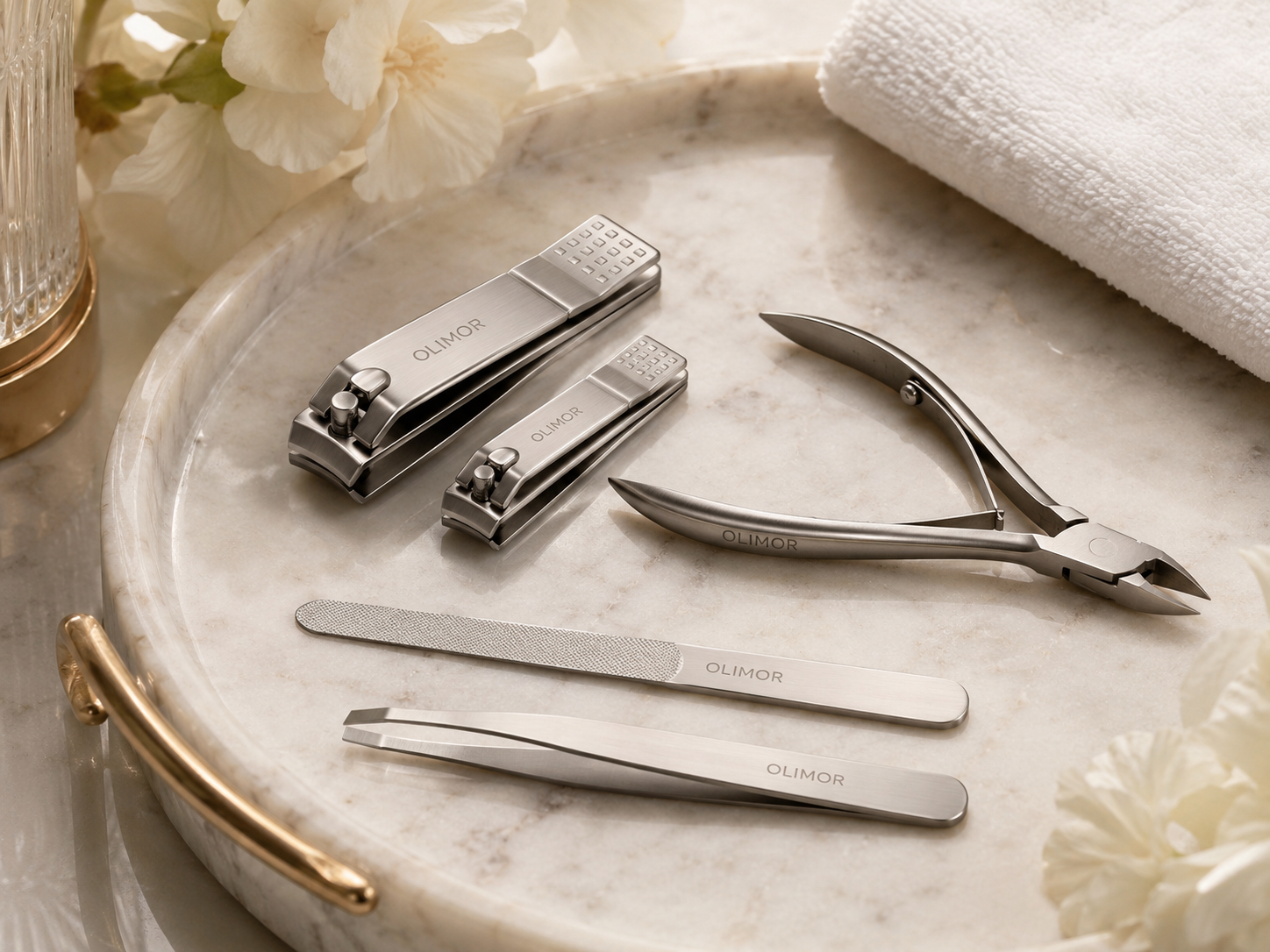
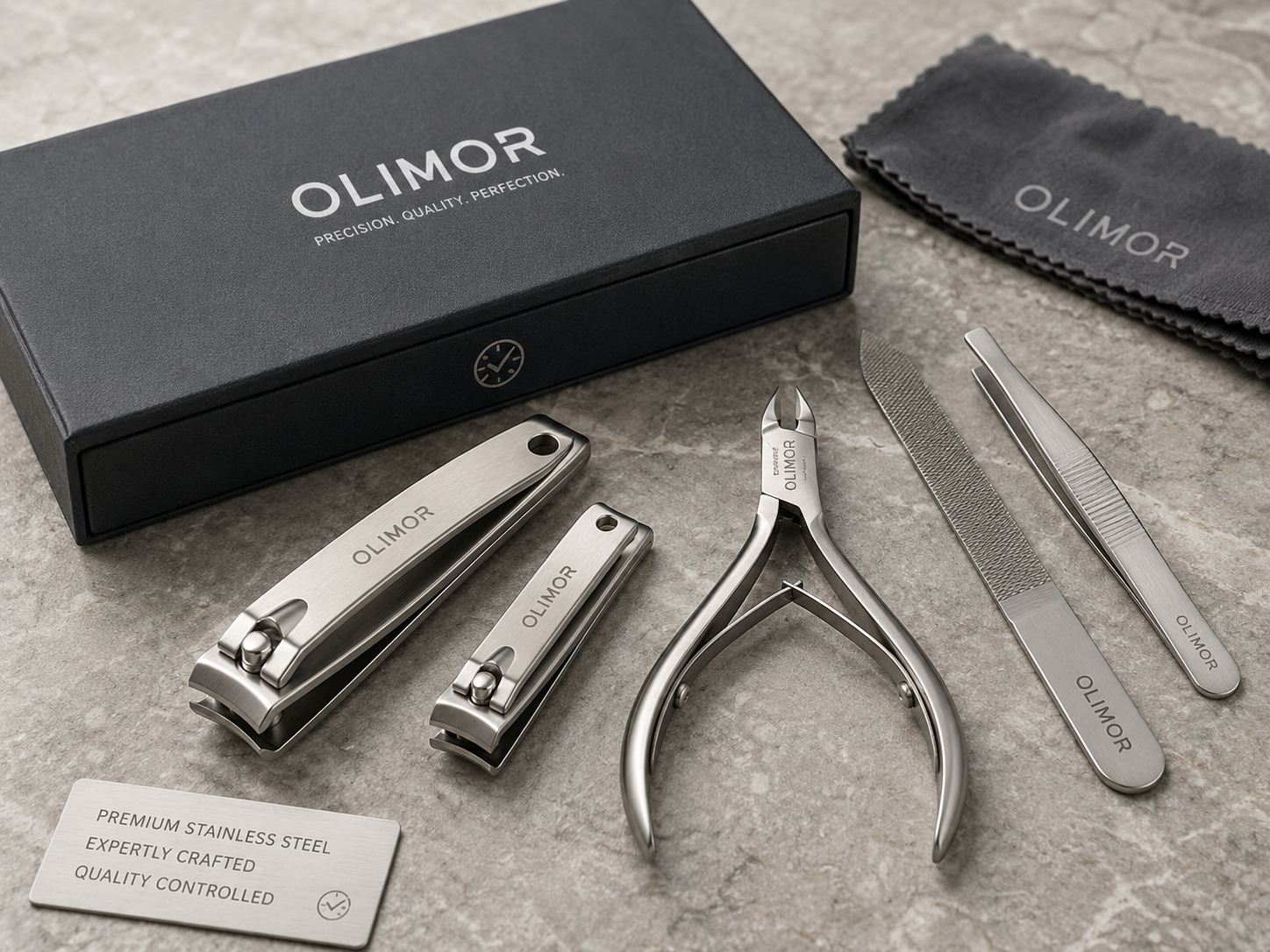
A manicure tool is small, but the sourcing risk is not. A nail clipper that crushes instead of cuts, a cuticle nipper with stiff spring rebound, a nail file that wears down too quickly, or a manicure set that looks inconsistent in its case can quickly affect customer reviews, salon satisfaction, and repeat orders. For salons, beauty retailers, ecommerce sellers, and private label brands, choosing a manicure tools manufacturer is about controlling material, tool geometry, surface finishing, inspection, packaging, and reorder consistency before the product reaches the market.
The primary buying question is simple: how can a B2B buyer select nail care tools that cut cleanly, feel stable in the hand, look consistent across bulk orders, and match the intended sales channel? The answer is to evaluate the complete product system, not only the unit price. Nail clippers, cuticle nippers, nail files, tweezers, beauty scissors, eyebrow razors, foot files, and manicure sets must be matched by use case, finish, packaging, and quality expectations.
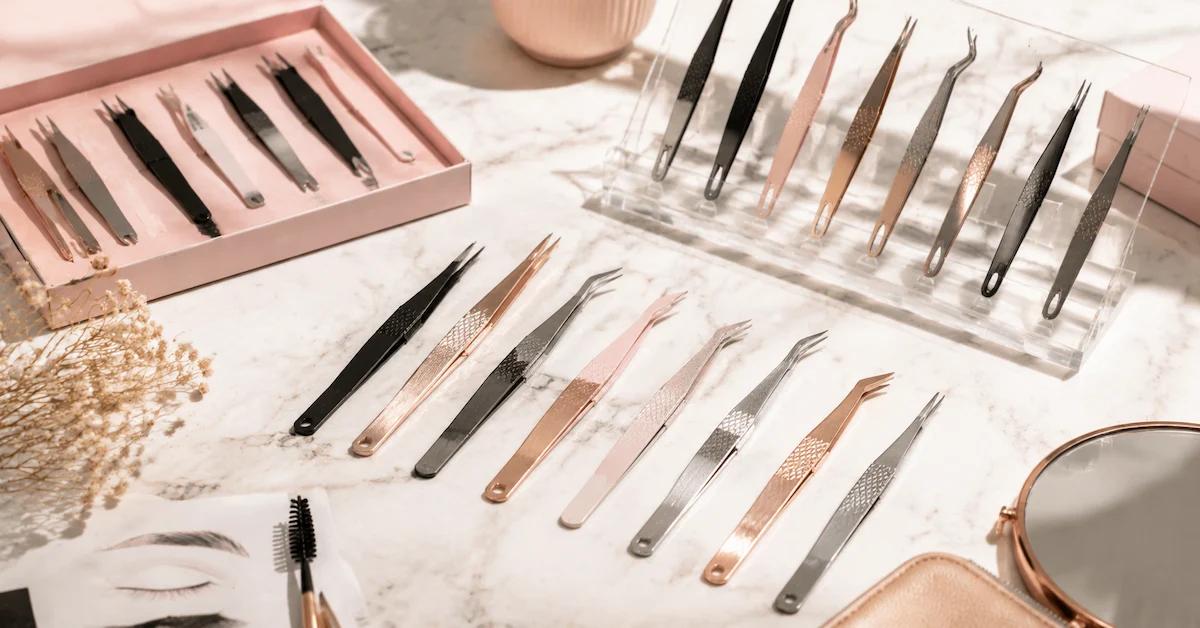
Olimor Beauty supplies manicure and personal care tools including nail clippers, nippers, manicure sets, nail care tools, nail files, beauty scissors, tweezers, eyelash curlers, eyebrow razors, foot files, tongue scrapers, and facial tools. Buyers can review relevant categories through the Olimor product range when building a salon, retail, ecommerce, or private label sourcing list.
What Makes a Manicure Tool Suitable for B2B Sourcing?
A reliable manicure tool starts with appropriate material selection, but material alone does not define product quality. Stainless steel is widely used for nail clippers, cuticle nippers, nail files, scissors, and related grooming tools because buyers need a clean appearance, durability, and easier maintenance. However, the final user experience is decided by details such as blade alignment, edge finishing, jaw opening, lever pressure, spring rebound, handle shape, polishing level, surface coating, and packaging fit.
For a nail clipper, the blade should cut cleanly without tearing the nail edge. The lever should feel firm, not loose or overly stiff. The rivet should keep the clipper stable after repeated use. For a cuticle nipper, the jaws should close evenly and the spring should rebound smoothly without causing hand fatigue. For a nail file, the surface should provide stable filing action and comfortable control. For a manicure set, every tool should feel like part of one product family rather than unrelated items placed in a case.
This is why experienced buyers compare manicure tools by manufacturing detail instead of relying only on catalog photos. A sample may look acceptable online, but bulk production can reveal rough edges, uneven polishing, inconsistent color coating, loose rivets, mismatched cases, or packaging that does not support the brand position. The strongest supplier choice is usually the one that can discuss product use, finishing, inspection, and packaging together.
Core Manufacturing Details Buyers Should Check
Before placing a bulk order for nail clippers or other manicure tools, buyers should request samples, inspect them by hand, compare them to the intended retail or salon use, and confirm how the supplier controls repeat orders. The most important checks are practical and visible: cutting smoothness, touch comfort, surface consistency, packaging accuracy, and batch stability.
| Manufacturing detail | Why it matters for buyers | What to check before bulk orders |
|---|---|---|
| Stainless steel selection | Affects appearance, durability, corrosion resistance, and product feel. | Ask what material is used, review supplier documentation, and compare sample finish after handling. |
| Blade alignment | Controls whether nail clippers, nippers, and scissors cut cleanly. | Check whether the edges meet evenly and cut without crushing, tearing, or pulling. |
| Lever pressure and rivet stability | Determines comfort, control, and the perceived quality of nail clippers. | Open and close samples repeatedly and check for looseness, wobble, or excessive stiffness. |
| Spring rebound | Important for cuticle nippers and tools used repeatedly by salon professionals. | Confirm that rebound feels smooth and not tiring during repeated hand movement. |
| Handle shape and grip | Improves daily control for home users, salon technicians, and travel kits. | Hold the tool in real use positions and check comfort, balance, and slip risk. |
| Surface polishing or coating | Supports retail appearance, private label value, and product family consistency. | Compare samples under normal light for scratches, uneven color, sharp burrs, or rough edges. |
| Packaging consistency | Reduces return risk and improves shelf, gift, and ecommerce presentation. | Check logo position, case fit, insert layout, labeling space, and whether tools move in transit. |
| Batch inspection | Helps ensure reorder quality matches approved samples. | Confirm inspection points from raw materials to final packaging without assuming unsupported certifications. |
Nail Clippers: Small Product, High Customer Sensitivity
Nail clippers deserve special attention because users notice performance immediately. If the blade edge is poorly finished, the clipper may crush the nail instead of cutting it cleanly. If the jaw opening is not suitable for the intended use, customers may struggle with thicker toenails or feel that a small clipper lacks control. If the lever feels loose, the product can feel cheap even when the surface finish looks acceptable.
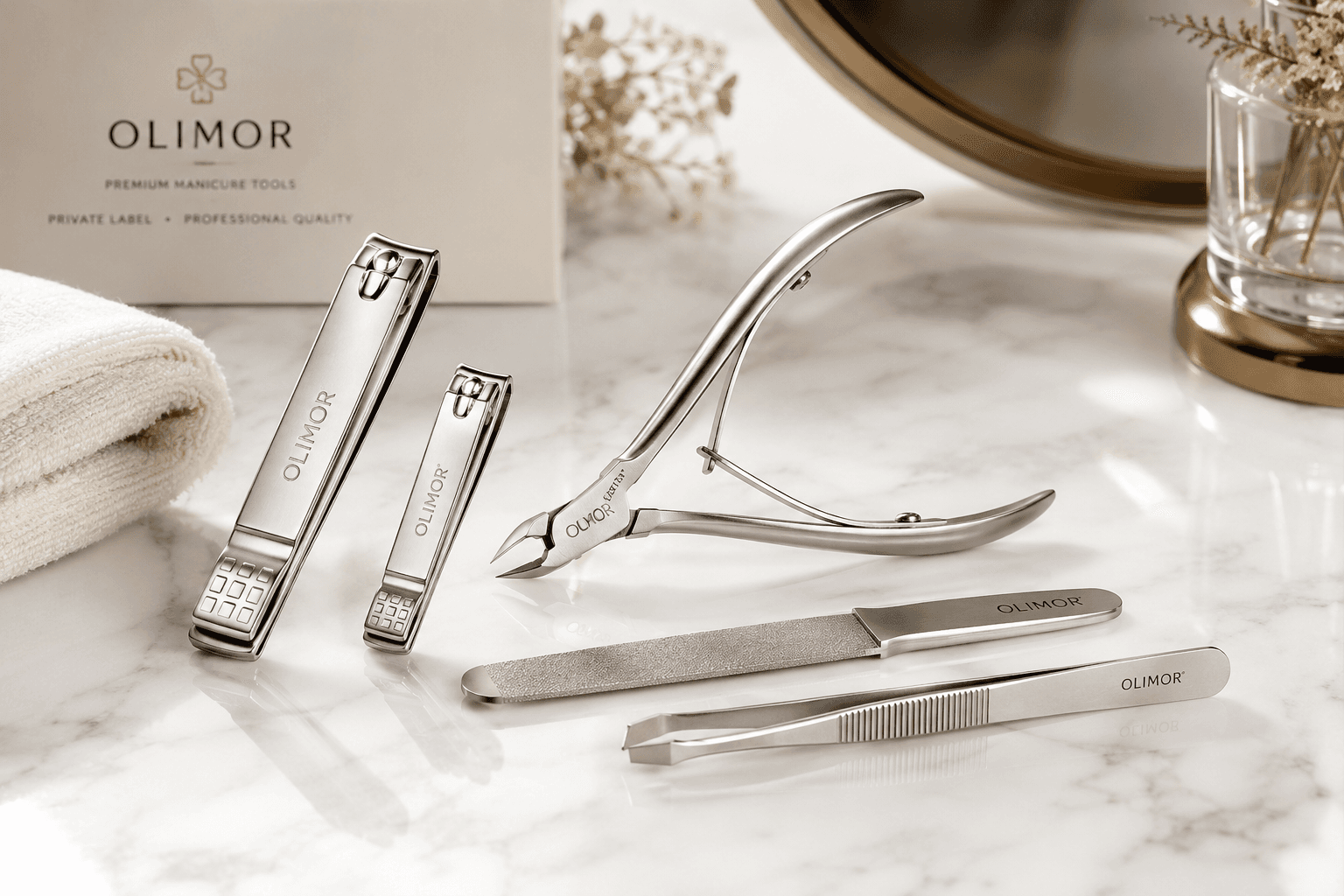
For B2B nail clipper sourcing, buyers should evaluate stainless steel quality, blade angle, jaw opening, lever pressure, rivet stability, polishing, and packaging. A standard fingernail clipper, larger toenail clipper, nail file, tweezer, and cuticle nipper can work together as a practical nail care group. For private label lines, the clipper should also match the finish and design language of the wider manicure range.
A common sourcing mistake is choosing the lowest-cost clipper as a standalone item, then later trying to build a nail care line around it. A better approach is to define the sales channel first. A salon supplier may prefer durable stainless steel tools with simple, practical packaging. A beauty retailer may need multiple sizes, coordinated surface finishes, and clear shelf presentation. An ecommerce seller may focus on product photos, bundle value, customer review risk, and compact shipping-friendly packaging.
Cuticle Nippers, Nail Files, and Manicure Sets
Cuticle nippers
Cuticle nippers must feel precise and controlled. Buyers should check whether the jaws close cleanly, whether the cutting edge is smooth, whether the spring rebound is comfortable, and whether the handles are easy to hold. A nipper that feels too stiff can be tiring for repeated salon use. A nipper that feels loose can reduce user confidence and increase complaints.
Nail files
Nail files are often treated as simple add-on items, but they influence the perceived quality of a manicure set. Buyers should consider the filing surface, hand control, edge comfort, appearance, and packaging placement. If a nail file wears out quickly or looks disconnected from the rest of the set, the full line can feel less professional.
Manicure sets
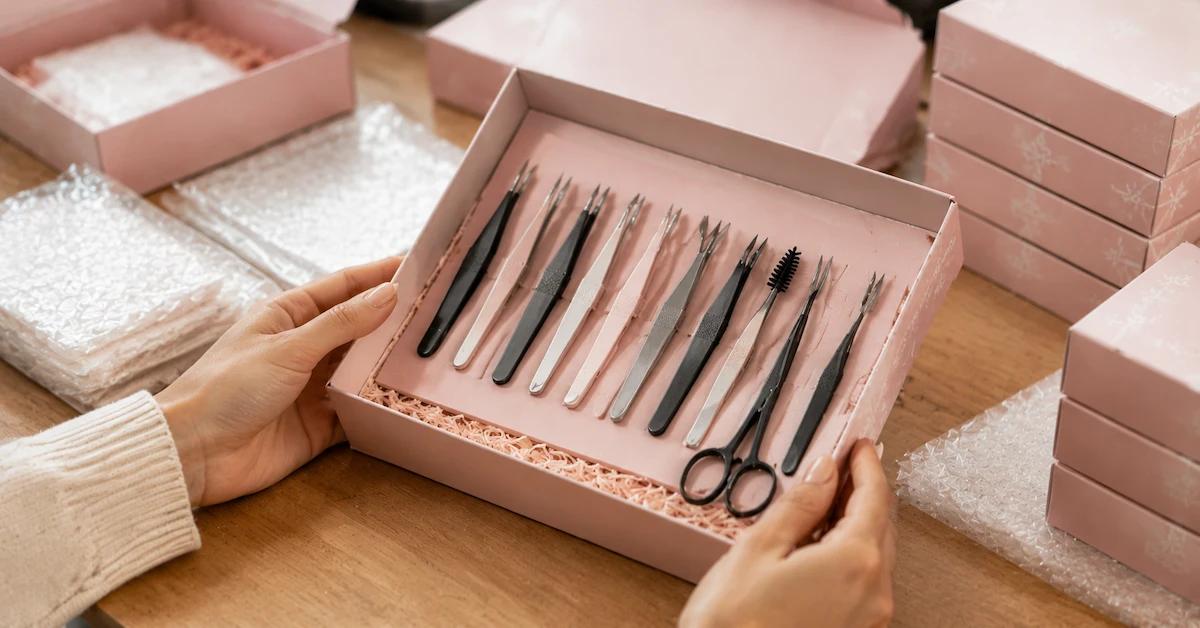
A manicure set must work as a complete product family. The tools, case, color, finish, and packaging should match the buyer’s channel. A gift-ready set may use coordinated colors and a soft case. A travel set may require compact organization. A salon-oriented set may focus more on stainless steel tools that are easy to clean, inspect, and handle during repeated use.
Buyers planning a complete line can compare categories through the Olimor beauty tool collection and build a focused list before requesting samples. A practical starting range may include nail clippers, cuticle nippers, nail files, tweezers, beauty scissors, and one or more manicure set formats.
Matching Manicure Tools to Sales Channels
Not every buyer should source the same manicure tool mix. The right product selection depends on how the tools will be sold, displayed, used, and reordered. A supplier evaluation should therefore include channel fit, not only manufacturing capacity.
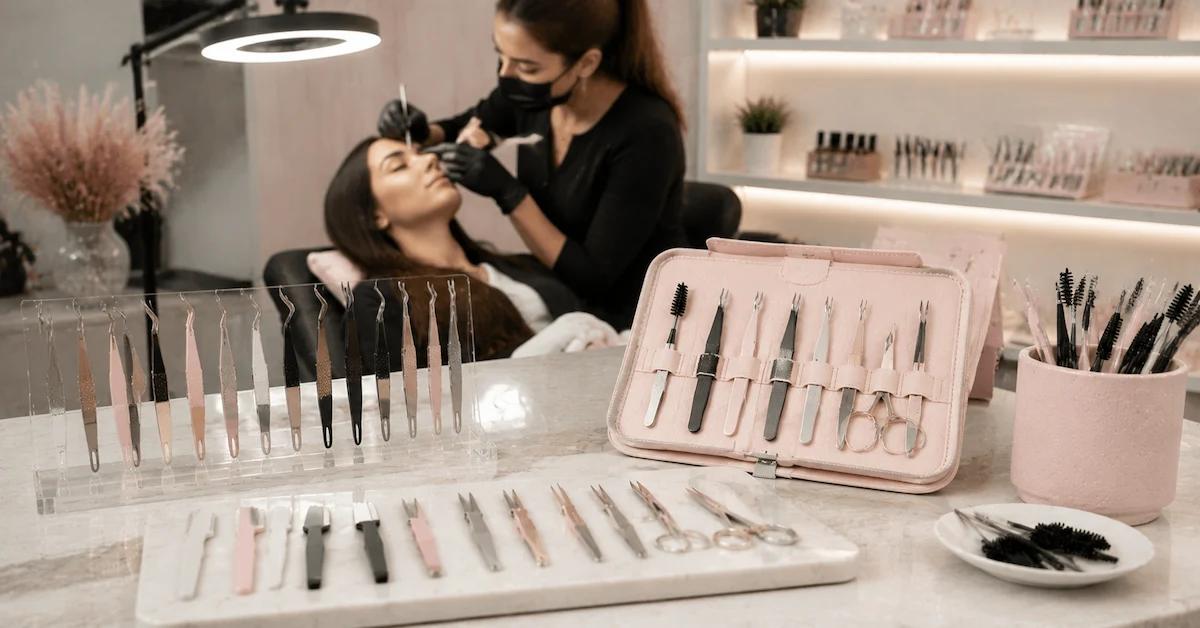
- Salon and nail studio supply: Prioritize clean cutting, stable grip, stainless steel appearance, smooth surfaces, corrosion-resistant materials, and tools that are practical for repeated handling.
- Beauty retail: Build a clear shelf story with nail clippers, nippers, files, tweezers, and manicure sets that share a coordinated look and packaging style.
- Ecommerce: Consider product photos, bundle combinations, compact packaging, customer review sensitivity, and the risk of tools arriving scratched or loose in the case.
- Private label: Start with a focused product family. Matching surface finish, color, logo placement, and packaging often creates stronger commercial value than a large but inconsistent catalog.
- Travel and gift sets: Check case size, tool retention, visual balance, and whether the set feels complete without unnecessary items.
For private label buyers, common customization discussions may include tool size, surface finish, color direction, logo position, packaging format, case style, and product combinations. Exact options should be confirmed with the supplier based on the selected item and production feasibility.
Cleaner Use, Labeling, and Responsible Product Positioning
Manicure tools are used at home, in salons, in beauty schools, in travel kits, and in grooming sets. For reusable tools, buyers should prioritize smooth surfaces, corrosion-resistant materials, fewer dirt-trapping gaps, practical packaging, and designs that are easy to inspect before use. This does not mean manicure tools should be marketed as medical devices. It means they should be selected and described responsibly for daily grooming use.
The U.S. Food and Drug Administration provides public information on nail care products used at home and in salons, including the importance of labeled directions and warning statements where applicable. Buyers should verify the applicable version of any public guidance, destination-market requirements, and supplier documentation before making compliance claims. Regulations can vary by product type, claims, material, packaging, and sales market.
When evaluating a manicure tools manufacturer, buyers should avoid unsupported claims. Do not assume a supplier has a certification, laboratory result, or market approval unless current documents are provided and verified. A practical supplier should be willing to discuss raw material checks, production steps, finishing inspection, and final packaging review without overstating compliance.
Cost Factors in Bulk Manicure Tool Sourcing
Price matters, but the cheapest manicure tool can become expensive if it creates returns, negative reviews, poor shelf presentation, or inconsistent reorders. Buyers comparing quotations should look at the cost drivers behind the product rather than only the final unit number.
- Material and structure: Stainless steel selection, blade construction, spring components, rivets, handles, and case materials influence both cost and user experience.
- Finishing level: Mirror polish, matte finish, color coating, titanium-tone appearance, rose gold style, or pastel coating may change the perceived value and production requirements.
- Tool complexity: A simple nail clipper, precision cuticle nipper, and multi-piece manicure set require different production and inspection focus.
- Packaging format: Blister cards, boxes, soft cases, inserts, and retail-ready packaging affect presentation, protection, and private label positioning.
- Customization: Logo placement, color matching, case design, and coordinated product families can improve brand value but should be confirmed for feasibility before ordering.
- Inspection expectations: Additional checks for blade alignment, polishing, packaging consistency, and sample matching may reduce downstream quality risk.
A useful buying phrase is total sourcing value. The best option is not always the lowest quote; it is the product and supplier combination that supports stable quality, acceptable presentation, practical use, and reorder confidence for the intended channel.
Supplier Evaluation Checklist for Manicure Tools
Before choosing a manicure tools manufacturer, buyers should use a structured review. The goal is to confirm whether the supplier can support a product line, not just ship isolated items.
- Define the channel: Decide whether the product is for salon supply, retail shelves, ecommerce bundles, private label launch, travel kits, or gift sets.
- Choose the tool family: Select the core range, such as nail clippers, cuticle nippers, nail files, tweezers, beauty scissors, and manicure sets.
- Request relevant samples: Compare tool feel, cutting smoothness, finish consistency, case fit, and packaging quality.
- Check bulk-order risks: Ask how approved samples are matched during production and what inspection points apply before final packaging.
- Review customization feasibility: Confirm logo, finish, color, packaging, and product combination options without assuming all changes are available for every item.
- Verify documents: Review material, packaging, and compliance documents relevant to the destination market. Buyers should verify the current applicable standards and versions.
- Plan reorders: Make sure the supplier understands finish consistency, packaging repeatability, and the need for stable product appearance across future orders.
How Olimor Supports B2B Nail Care Tool Buyers
Olimor Beauty focuses on manicure tools and related beauty tools, including nail clippers, nippers, manicure sets, nail care tools, nail files, beauty scissors, tweezers, eyelash curlers, eyebrow razors, foot files, tongue scrapers, and facial tools. The relevant buying advantage is product-line thinking: a nail clipper can be sourced as a single item, but it can also become part of a coordinated nail care program with matching tools, finish, packaging, and positioning.
For a retail or private label buyer, this approach helps avoid a disconnected catalog. Instead of selecting a polished silver clipper from one source, a rose-gold nipper from another, and a mismatched case elsewhere, buyers can plan a consistent range. The line can be organized by use case, such as daily home care tools, salon-oriented stainless steel tools, and gift-ready manicure sets. Each level can then be reviewed for blade finish, grip comfort, spring tension, surface appearance, case style, and packaging design.
Buyers who are preparing a wholesale, private label, or bulk sourcing project can send product requirements through the Olimor inquiry page. For direct discussion about product selection, packaging direction, or order details, use the Olimor contact page.
FAQ
What should buyers check before ordering manicure tools in bulk?
Buyers should check stainless steel quality, blade alignment, cutting smoothness, lever pressure, rivet stability, spring rebound, surface polishing, packaging consistency, sample accuracy, and the supplier’s inspection process from materials to final packaging.
Can nail clippers and manicure tools be customized for private label brands?
Customization may include tool size, surface finish, color direction, logo position, packaging format, case style, and product combinations. Available options depend on the selected tool and production requirements, so buyers should confirm feasibility during sampling.
How should buyers evaluate samples?
Samples should be tested by hand, not only reviewed in photos. Open and close clippers and nippers repeatedly, check whether cutting edges meet evenly, inspect polishing under normal light, confirm packaging fit, and compare the sample with the intended retail or salon positioning.
Do suppliers provide MOQ, lead time, or sample details?
MOQ, sampling arrangements, and lead time depend on the product, customization level, packaging, and order plan. Buyers should request current details from the supplier instead of relying on assumptions or generic figures.
What documentation should B2B buyers verify?
Buyers should verify material information, packaging details, inspection records where available, and any destination-market requirements that apply to the product and claims. Public guidance from bodies such as the FDA can be useful background, but buyers should confirm the applicable version and supplier documentation before making compliance statements.
Conclusion: Better Nail Care Lines Start With Manufacturing Control
Choosing a manicure tools manufacturer affects how each product cuts, feels, photographs, sells, and performs after repeated use. Stable quality comes from material control, blade geometry, lever and spring structure, surface finishing, inspection, packaging consistency, and supplier experience. For B2B buyers, the strongest sourcing decision is to build a coherent nail care line that fits the sales channel and can be repeated with confidence.
Whether the project starts with a nail clipper, cuticle nipper, nail file, tweezer, or complete manicure set, buyers should compare suppliers by practical manufacturing detail and product-line support. A well-planned manicure tool range is easier to present, easier to reorder, and more credible for salons, retailers, ecommerce sellers, and private label brands.
Tag: