

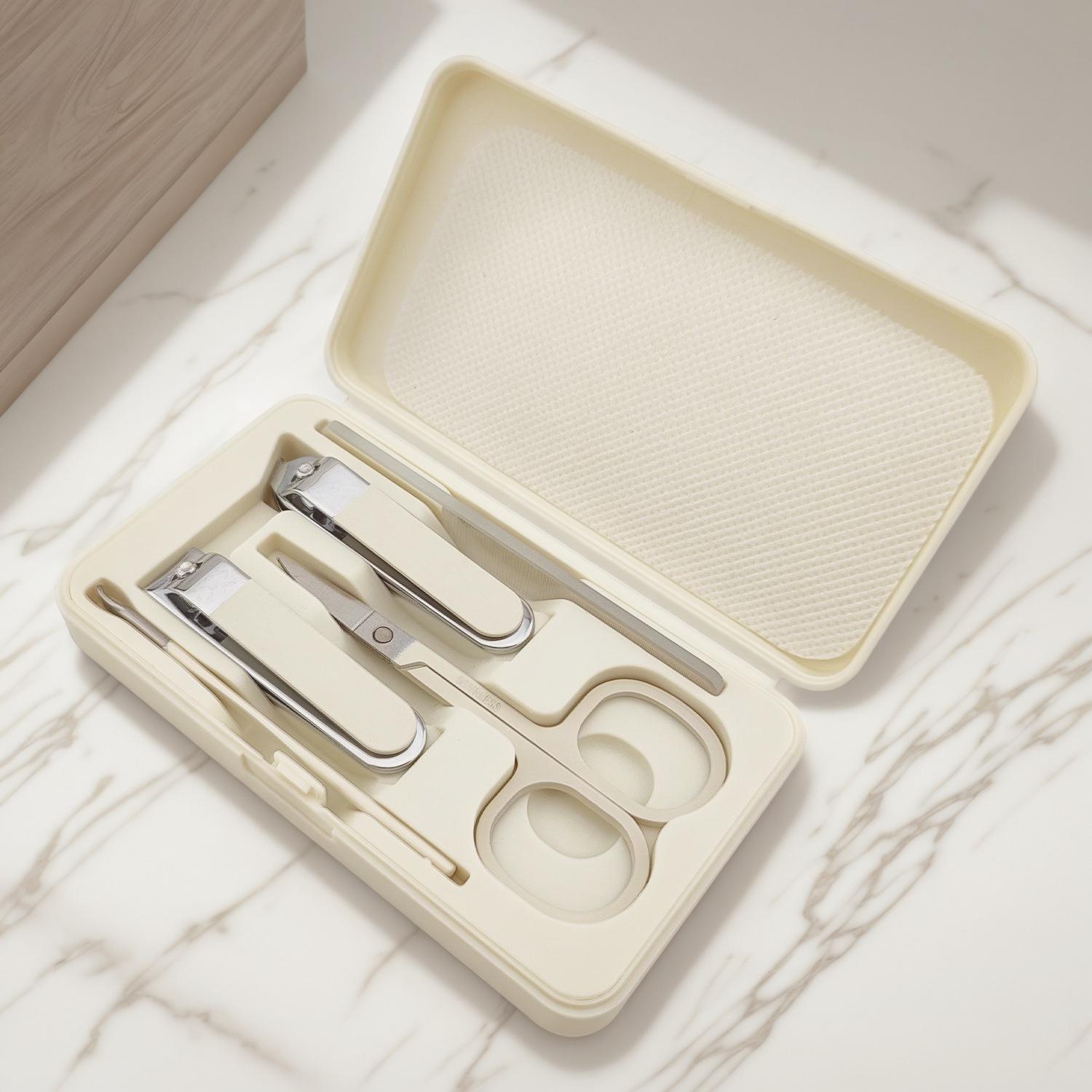
Vegan Manicure Tools Wholesale: A Practical Guide for Ethical Beauty Buyers
Vegan manicure tools wholesale sourcing is no longer a niche request from a small group of salons. Beauty retailers, private label brands, nail studios, spas, and online sellers are increasingly expected to understand what goes into the tools they offer. Customers who check ingredient labels on cosmetics are also asking whether accessories, grooming tools, packaging, and manufacturing choices match a cruelty-free beauty position.
For buyers, the challenge is practical: a manicure tool still has to cut cleanly, file smoothly, fit comfortably in the hand, withstand repeated use, and look professional in a retail or salon setting. Choosing vegan-friendly manicure tools should not mean accepting poor performance or vague claims. It means building a sourcing checklist that looks at materials, construction, hygiene, packaging, and supplier communication before placing a wholesale order.
This guide is written for beauty businesses evaluating vegan manicure tools at wholesale level, including nail clippers, scissors, cuticle tools, nail files, and complete manicure kits. It explains what to look for, what to avoid, and how to build a product range that supports ethical beauty without relying on unclear marketing language.
What “Vegan” Means for Manicure Tools
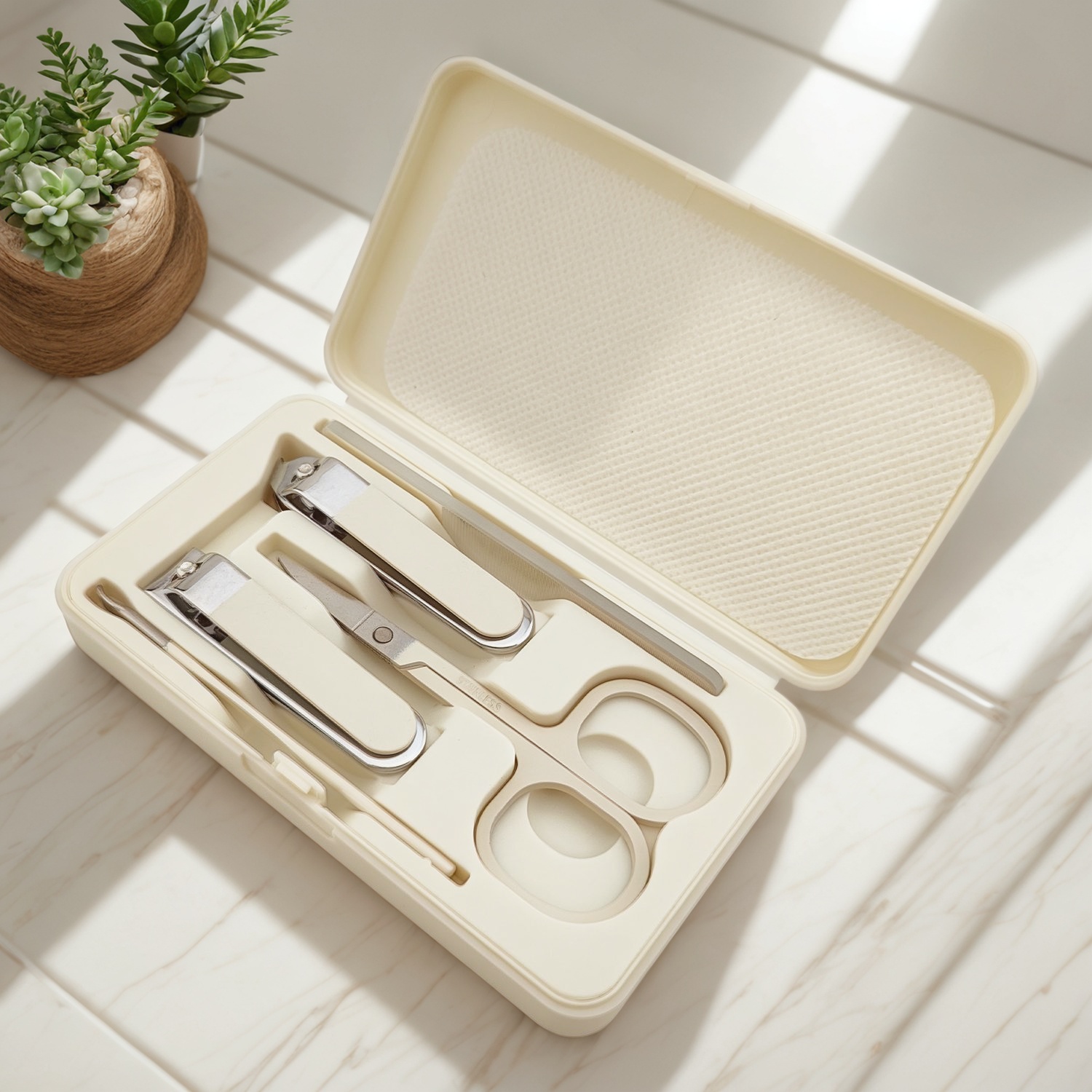
In beauty care, “vegan” usually means that the product does not contain animal-derived materials. For manicure tools, this can be more complicated than it first appears. Metal clippers and scissors may seem automatically vegan, but a complete kit can include handles, cases, buffers, adhesives, polishing surfaces, or decorative parts that need closer review. A buyer should evaluate the entire finished product, not just the main cutting component.
Common areas to check include storage pouches, leather-like cases, glue, handle inlays, polishing blocks, emery boards, and any brush or cleaning accessory included in the set. A manicure kit marketed to ethical beauty customers should avoid animal leather, animal hair, horn, bone, shell, and other animal-origin decorative or functional elements. If a product uses synthetic leather, non-animal bristles, paper-based files, or plant-based alternatives, those details should be clearly described in a way your customers can understand.
Vegan positioning also benefits from responsible language. Avoid unsupported claims that imply the whole supply chain has been certified unless documentation exists. Instead, describe the product accurately: for example, “made without animal-derived components” or “designed for vegan beauty retail ranges” when that matches the sourcing information available.
Why Salons and Retailers Are Adding Vegan Nail Tools
The demand for vegan manicure tools is connected to several buying motivations. Some customers choose vegan beauty products for animal welfare reasons. Others are looking for a cleaner, more transparent purchasing experience. Retailers may want product ranges that align with vegan cosmetics, cruelty-free skincare, or eco-conscious gift sets. Salons may use vegan tools as part of a broader service menu for clients who ask about ingredient and material choices.
For wholesale buyers, the business value comes from consistency. A vegan nail polish collection can feel incomplete if the surrounding accessories include leather cases or poorly documented materials. A manicure kit that is clearly positioned can support seasonal gifting, salon retail shelves, subscription boxes, travel kits, and private label beauty launches.
Wholesale sourcing also allows a buyer to plan the assortment rather than purchasing random tools one by one. A thoughtful range may include basic nail clippers, cuticle scissors, nail files, tweezers, and compact kits for home use. To compare broader options, buyers can review Olimor beauty tool products and consider how manicure tools fit alongside other grooming categories.
Key Selection Criteria for Wholesale Vegan Manicure Tools
A good vegan manicure tool range should be evaluated on function first, then materials, then presentation. Attractive packaging cannot compensate for a dull clipper or a file that wears out too quickly. At the same time, a precise tool with unclear materials may not satisfy an ethical beauty customer. Use the following checklist when reviewing samples or planning a wholesale order:
- Material clarity: Confirm whether cases, handles, file surfaces, adhesives, and accessories avoid animal-derived components.
- Cutting performance: Nail clippers and scissors should cut cleanly without tearing, bending, or leaving rough nail edges.
- Comfort and control: Tools should feel stable in the hand, especially for salon technicians who use them repeatedly.
- Edge finishing: Corners, joints, and handles should be smooth enough for safe retail and professional use.
- Kit logic: Each included item should serve a real manicure purpose instead of adding bulk without value.
- Cleaning suitability: Tools used in salons should be easy to wipe, clean, and store between uses according to local hygiene practices.
- Packaging alignment: Retail packaging should support the vegan positioning without overclaiming or using confusing material descriptions.
It is also helpful to separate products by use case. A travel manicure kit needs compact storage and secure tool placement. A salon-focused tool set may prioritize grip, durability, and ease of sanitation. A retail gift set needs clear labeling and a balanced selection of tools that non-professional users can understand.
Common Product Types in a Vegan Manicure Tool Range
Vegan manicure tools can be sold as individual items or complete kits. The right format depends on your customer channel. Salons may reorder frequently used items individually, while retailers often prefer a ready-to-display kit. Online sellers may test both formats to see whether customers prefer replacement tools or all-in-one sets.
| Tool Type | Main Buyer Consideration | Useful Vegan Sourcing Check |
|---|---|---|
| Nail clippers | Clean cut, leverage, edge alignment | Check handle coating, decorative inserts, and packaging materials |
| Cuticle scissors | Precision, sharpness, comfortable finger loops | Confirm no animal-derived case or accessory is bundled |
| Nail files | Grit feel, durability, safe edge finishing | Review file substrate, adhesive, and any abrasive surface description |
| Manicure kits | Balanced tool selection and secure storage | Check every component, especially pouch or case material |
| Buffers and polishers | Smooth finish without harsh abrasion | Confirm foam, adhesive, and surface materials meet vegan requirements |
This type of comparison helps a purchasing team avoid focusing only on the most visible tool. In a kit, the smallest component can create the biggest problem if its material origin is unclear.
Quality Control Questions Before Ordering in Bulk
Wholesale buyers should treat vegan claims and tool performance as two parts of the same evaluation. The product must match the ethical position, but it must also satisfy daily use. Before placing a larger order, create a sample review process that includes both visual checks and practical testing.
For clippers and scissors, review alignment, spring action where applicable, cutting feel, and whether the tool leaves a clean edge. For files and buffers, test whether the surface performs consistently and whether the edges are comfortable to handle. For kits, open and close the case repeatedly, check tool placement, and make sure each item can be removed without damage. If the tools will be sold online, examine how the product photographs from several angles and whether the packaging communicates the product clearly.
Buyers can organize their review with a simple sequence:
- Confirm the intended customer: salon professional, home user, travel buyer, gift shopper, or private label retailer.
- List every component in the tool or kit, including packaging and storage accessories.
- Check whether any component could be animal-derived or visually mistaken for animal leather, horn, shell, or hair.
- Test cutting, filing, grip, opening and closing action, and comfort during realistic use.
- Review labeling language for accuracy and avoid unsupported certification-style claims.
- Document sample feedback before confirming assortment, packaging, and order details.
For custom sourcing or range planning, buyers can also send an inquiry with target tool types, packaging needs, and positioning requirements.
Packaging and Retail Presentation for Ethical Beauty
Packaging matters because it is often the first place a customer looks for proof of a product’s values. A vegan manicure kit should not rely on vague green imagery alone. Clear product naming, material notes, and practical use information are more valuable than decorative claims. If a case is synthetic, say so in a straightforward way. If a kit is intended for home manicures, include tool names and basic usage guidance. If it is for salon resale, the packaging should look clean, professional, and easy to merchandise.
At the same time, avoid overcrowding the package with claims that cannot be verified. Words such as “eco,” “sustainable,” and “cruelty-free” can carry different meanings depending on market and documentation. If the strongest confirmed point is that the manicure tools are made without animal-derived components, that message should be presented accurately. Ethical customers tend to value transparency more than exaggerated promises.
Product collections can also be arranged by occasion or customer need. A compact manicure kit may fit travel retail, while a more complete grooming set may suit gift programs or salon shelves. Browse related Olimor product collections to think about how nail tools can be grouped with other beauty accessories.
Maintenance Guidance for End Customers
Useful after-sales guidance can reduce complaints and help customers use manicure tools safely. Even when tools are bought wholesale for resale, the end user needs simple care instructions. Manicure tools should be kept dry, stored in a clean case, and used only for their intended purpose. Cutting tools should not be used on materials that may damage the edge. Files and buffers should be replaced when the abrasive surface becomes worn or uneven.
Salons should follow local sanitation rules and their own hygiene protocols between clients. Retail customers should be reminded not to share personal nail tools when hygiene is a concern. A small instruction card can add value to a kit without requiring major packaging changes. It can also reinforce the vegan positioning by explaining that the kit is designed for customers who want nail care tools without animal-derived components.
Building a Reliable Vegan Manicure Tool Program
The strongest wholesale programs are built around repeatable decisions, not one-time product finds. Define your acceptable materials, your required tool categories, your quality review standards, and your packaging tone before committing to a range. This makes it easier to compare samples, train sales teams, write product descriptions, and answer customer questions.
Olimor Beauty supports buyers looking for manicure tools that fit ethical beauty assortments, including wholesale programs where product function and vegan positioning both matter. Whether you are planning a salon retail kit, an online nail care range, or a custom beauty tools project, clarity at the sourcing stage helps prevent issues later. To discuss product direction, packaging needs, or wholesale planning, contact Olimor with the tool types and market requirements you are considering.
Vegan manicure tools are not only about removing animal-derived materials. They are about creating a product experience that feels considered from tool performance to packaging language. When buyers evaluate materials, usability, maintenance, and presentation together, they can offer nail care tools that meet customer expectations while supporting a more ethical beauty assortment.
Tag: