

Wholesale Manicure and Pedicure Kits: How Spas and Salons Should Choose Tools
Manicure and pedicure services depend on more than technique. The tools used at the table or pedicure station affect service speed, hygiene practices, client comfort and the finished result. For spas, nail salons, hotel wellness departments and beauty supply buyers, wholesale manicure and pedicure kits can simplify purchasing, but only when the kit is matched to real service needs.
A well-planned wholesale kit should support the treatments your team performs most often: basic nail care, shaping, cuticle tidying, callus care, polish preparation, and finishing. It should also be easy to clean, comfortable to handle, durable enough for repeated use and consistent from order to order. This guide explains how to evaluate manicure and pedicure kits and individual tools before placing a wholesale order with a beauty tool distributor such as Olimor Beauty.
What a Professional Manicure and Pedicure Kit Should Support
Before comparing kit prices or packaging, start with the service menu. A spa that focuses on express grooming will need a different tool mix from a salon offering detailed pedicure treatments or retail add-on products. The most useful wholesale kits are built around workflow rather than a long list of items that may not be used.
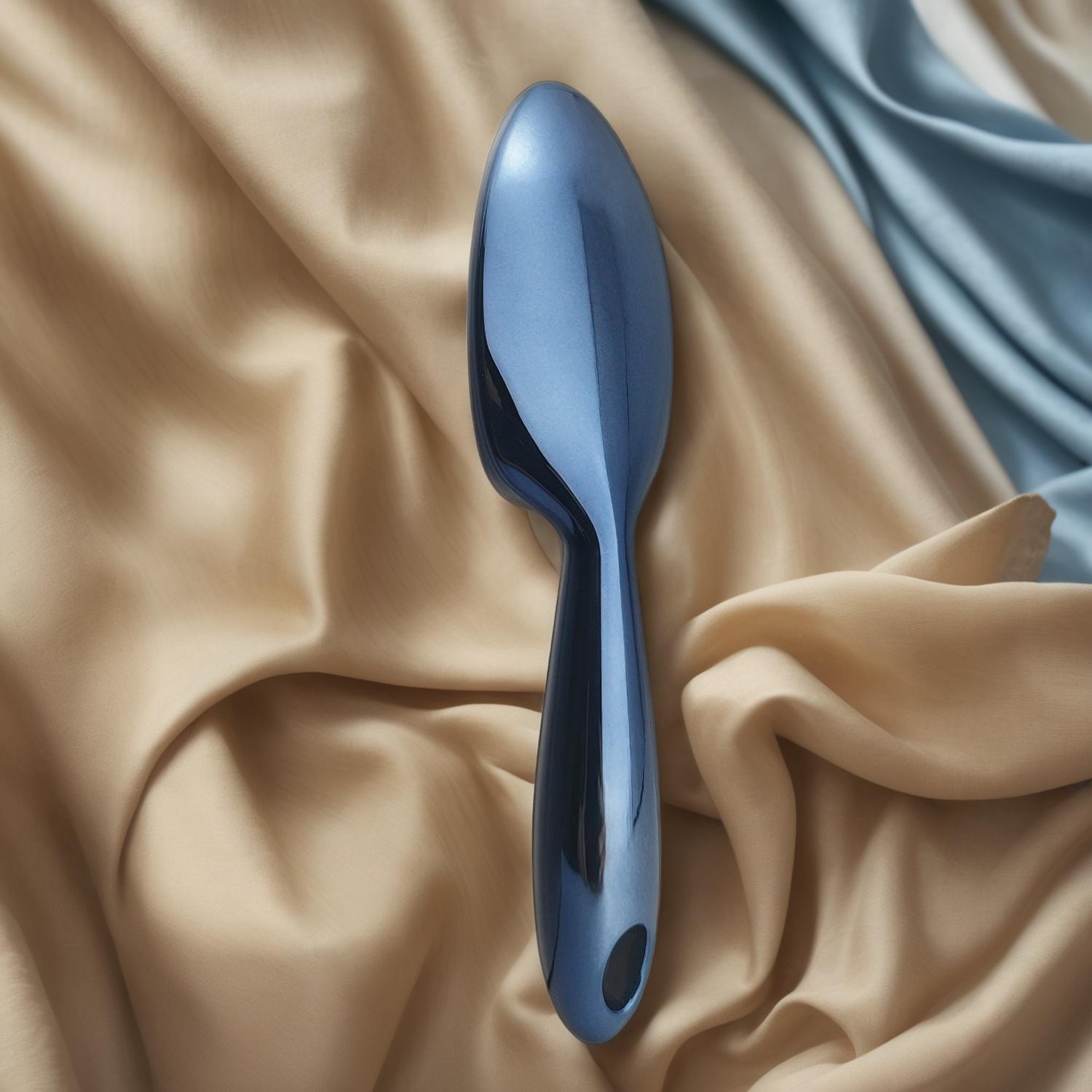
For manicure services, buyers usually need tools for nail trimming, shaping, cuticle care and surface preparation. For pedicure services, the kit may also include foot care tools for smoothing rough skin, such as files or rasps, depending on local service practices and hygiene rules. The Luxury Glass Foot File mentioned in Olimor Beauty’s manicure and pedicure tool category is an example of a grooming essential that can complement core hand and foot care services when selected for the right treatment environment.
When reviewing beauty tool products, look at the role of each item in the kit. If a tool does not support a specific service step, retail purpose or backup requirement, it may add cost without improving the salon’s daily operation.
Core Selection Criteria for Wholesale Buyers
Wholesale purchasing is not just about buying more units at once. It is about reducing inconsistency across locations, technicians and service appointments. The following criteria help buyers compare manicure and pedicure kits in a practical way:
- Service compatibility: Confirm whether the kit supports manicures, pedicures or both. A combined kit should include tools appropriate for hands and feet without forcing technicians to improvise.
- Tool comfort: Handles, grip areas and working edges should allow steady control during repeated use. Tools that feel awkward can slow down technicians and increase hand fatigue.
- Cleaning and hygiene workflow: Choose tools that can be cleaned according to your salon’s sanitation process. Avoid designs with unnecessary gaps or decorative areas that make residue harder to remove.
- Durability expectations: Ask how the tool is intended to be used and maintained. A retail foot file, a professional station tool and a travel grooming accessory may have different durability needs.
- Consistent appearance: For spas and hotel salons, tool presentation matters. Matching finishes, clean packaging and uniform kit layouts help maintain a professional client-facing environment.
- Replacement planning: Consider whether individual tools can be reordered when one item wears out faster than the rest of the kit.
These points are especially important for salons with multiple technicians. A consistent tool set helps standardize training and reduces the chance that each workstation develops a different process.
How to Compare Kit Configurations Without Overbuying
Many wholesale buyers are tempted by the largest kit because it appears to offer better value. In practice, an oversized kit can create storage issues, unused inventory and confusion at the service station. A better approach is to map tools to service categories.
| Service need | Tool focus | Buyer consideration |
|---|---|---|
| Express manicure | Trimming, shaping, cuticle grooming | Prioritize compact kits and easy station turnover. |
| Pedicure service | Nail care plus foot smoothing tools | Review foot file comfort, cleaning method and durability. |
| Spa treatment menu | Balanced hand and foot care tools | Choose consistent presentation and reliable replenishment. |
| Retail or gift set | Attractive, easy-to-explain essentials | Packaging and consumer instructions become more important. |
This simple comparison prevents purchasing decisions from being driven only by item count. For a professional buyer, a smaller kit with the right tools is often more useful than a larger set that includes duplicates or low-use accessories.
Quality Checks to Perform Before a Wholesale Order
Quality control in manicure and pedicure tools should be practical and visible. Buyers do not need to make unsupported claims about materials or performance; instead, they should inspect samples with the same expectations technicians and clients will have during service.
For cutting or trimming tools, check alignment, opening and closing movement, edge consistency and how the tool feels in the hand. For files and foot care items, check the working surface, edge smoothness, grip comfort and whether the shape reaches the areas technicians commonly treat. If the tool is intended for repeated professional use, it should not feel fragile, slippery or difficult to control.
Packaging should also be reviewed. Wholesale spa product buyers often focus on the tool itself but overlook how items arrive, how they are stored and how staff identify them. Packaging that protects the product and clearly separates kit contents can reduce handling damage and make stockroom organization easier.
When comparing product collections, request clear information about available tool types, kit options and packaging formats. The goal is to identify a set that fits your service flow and purchasing plan, not to collect the largest assortment possible.
Hygiene, Maintenance and Tool Life in Daily Salon Use
Even well-made tools can disappoint if they are not used and maintained correctly. Every salon should follow local hygiene regulations and its own sanitation procedures, especially for tools used near nails, cuticles and feet. Wholesale buyers should involve service managers or lead technicians in the evaluation stage because they understand how tools move from service station to cleaning area and back into storage.
Build a maintenance checklist for each tool category. For example, check whether files should be replaced after a defined period, whether handles remain secure, whether surfaces show wear and whether any tool has become difficult to clean. A glass foot file, for instance, may be selected for its grooming role and service feel, but it still needs clear handling, cleaning and storage procedures in a professional environment.
Maintenance also affects purchasing rhythm. If pedicure tools are used more heavily than manicure tools, replacement orders should reflect that pattern. Tracking usage by service type helps prevent emergency reorders and avoids tying up budget in slow-moving inventory.
Working With Salon Wholesale Distributors
A capable salon wholesale distributor should help buyers make informed decisions without pushing unsuitable assortments. For manicure and pedicure tools, useful support includes product photos, sample review options where available, packaging details, and clear communication about which tools are included in a kit. Buyers should also clarify whether they need tools for back-bar professional use, retail sale, promotional sets or a combination of these channels.
Olimor Beauty supplies beauty tools for professional and wholesale buyers, including grooming essentials used by spas and salons. If you are planning a new order, prepare a short brief before contacting the supplier. Include your service type, expected use case, preferred kit size, packaging needs and any cleaning or storage requirements your business follows. This makes product matching more efficient and reduces the risk of ordering items that do not fit your operation.
For direct help with sourcing manicure and pedicure tools, you can contact Olimor or send an inquiry with your buying requirements.
A Practical Buying Process for Manicure and Pedicure Kits
Use a step-by-step process to keep wholesale purchasing organized:
- Define the service menu: List the manicure and pedicure treatments the tools must support.
- Separate professional and retail needs: Station tools and take-home grooming sets may require different packaging and durability priorities.
- Review sample tools: Test comfort, control, surface finish and cleaning practicality before committing to a larger order.
- Check kit consistency: Make sure each set contains the expected items and that the layout is easy for staff to understand.
- Plan replenishment: Identify which tools are likely to wear faster and how replacement purchasing will be handled.
- Train staff: Standardize how tools are used, cleaned, stored and retired from service.
This process is simple, but it protects your budget and service quality. It also creates a clearer conversation with wholesale suppliers, because your team can explain what the tools need to do rather than asking for a generic manicure or pedicure kit.
Choosing Tools That Fit Real Salon Work
The best wholesale manicure and pedicure kit is not necessarily the most elaborate one. It is the kit that supports your technicians, maintains a clean and professional presentation, fits your hygiene workflow and can be reordered with confidence. By focusing on use case, tool comfort, maintenance and kit structure, spas and salons can make purchasing decisions that improve daily service rather than simply filling drawers with supplies.
Whether you are updating treatment-room tools, building a retail grooming offer or standardizing supplies across multiple service stations, a careful selection process will deliver better long-term value. Start with the treatments your clients actually book, then choose manicure and pedicure tools that help your team perform those services consistently.
Tag: