

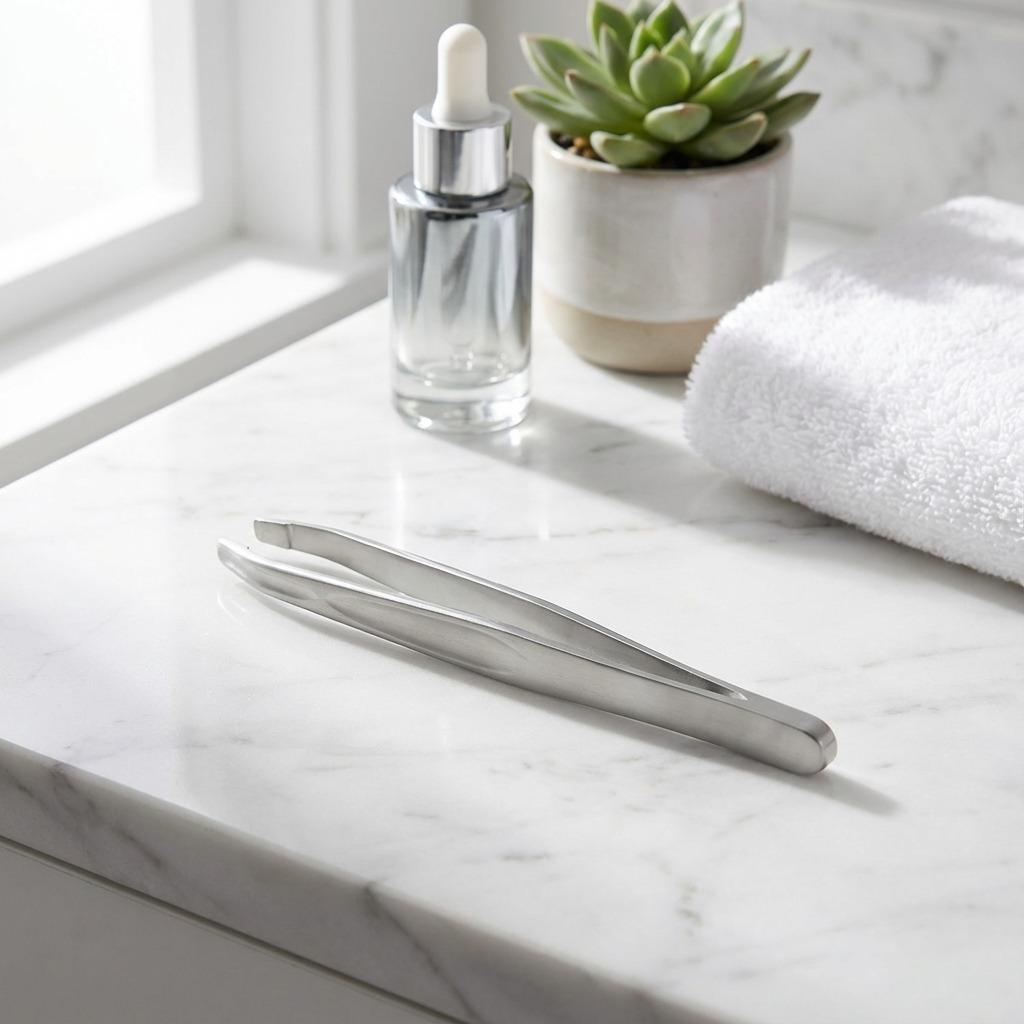
China Tweezers Exporter for Bulk and Custom Orders
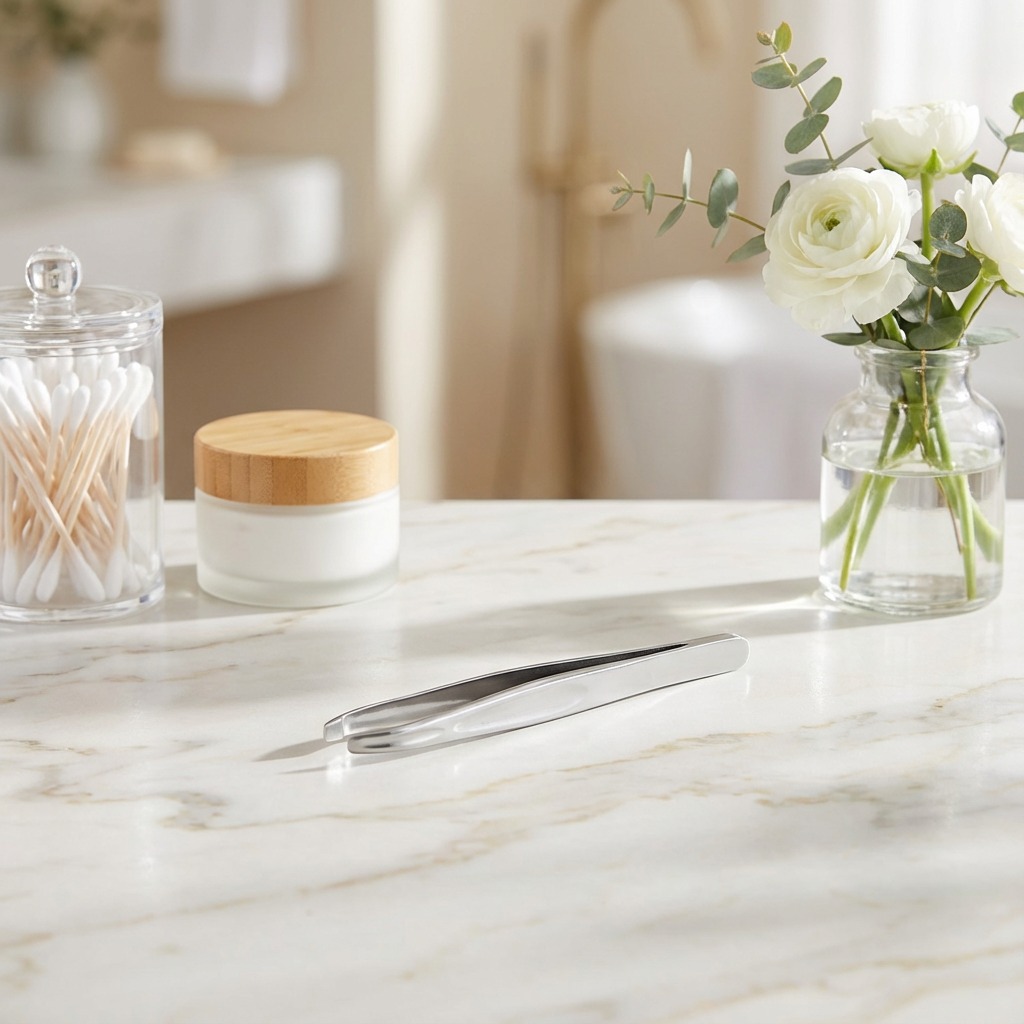
If you are sourcing tweezers for retail, salon supply, private label, gift sets, or promotional programs, the right exporter should help you balance function, appearance, packaging, and repeatable quality. Tweezers are small, but details such as tip alignment, grip comfort, surface finish, and inspection consistency strongly affect customer satisfaction. Olimor offers stainless steel beauty tools for buyers who need practical support for bulk order tweezers and custom tweezer projects.
This guide explains how to evaluate a China tweezers exporter, what to confirm before placing a bulk order, and how to approach custom design without losing performance. It is written for buyers who need clear sourcing advice, not vague product claims. You can also review the broader Olimor beauty tool range or compare options in the tweezer collection while planning your assortment.
What a dependable tweezers exporter should help you solve
A useful exporter does more than quote a unit price. The supplier should understand how the tweezers will be used, sold, packed, and inspected. A brow studio may care most about precision and hand comfort. A retail brand may need shelf-ready presentation. A distributor may need consistent specifications that can move smoothly through warehouses and repeat orders.
For buyers, the main question is simple: will the product work the same way across the whole order and still match the sales channel? That is why sourcing should start with the end use, not with the most attractive photo.
Common buyer needs by channel
- Salon suppliers: steady tip performance, grip control, and durable construction.
- Retail beauty brands: visual consistency, packaging readiness, and clear brand presentation.
- Private-label buyers: logo placement, custom finish options, and repeatable samples.
- Promotional buyers: simple artwork, reliable packaging, and easy set integration.
- Distributors: clear SKU separation, stable specs, and carton-friendly packing.
How to choose tweezers for the intended use
The right tweezer depends on the task. For eyebrow shaping and fine hair removal, slant-tip precision is a practical choice because it offers control while remaining familiar to both professionals and everyday users. In many sourcing projects, that makes slanted tips the safest starting point for bulk order tweezers.
Other design decisions should support the intended use rather than distract from it. A polished finish may suit a modern retail brand. A simpler, functional look may be better for salon supply or refill kits. If you are building a full grooming set, the tweezer should also fit the visual language of the other tools in the pack.
Selection points worth confirming early
- Tip style: confirm whether slanted tips or another profile best matches the use case.
- Grip feel: check that the tweezer opens and closes smoothly without feeling weak or overly stiff.
- Hand comfort: look for an ergonomic shape that supports long or repeated use.
- Finish: choose a surface treatment that fits the brand and can handle normal handling and packing.
- Package format: decide whether the item ships alone, in a sleeve, or as part of a set.
What quality means in tweezers manufacturing
With tweezers, quality is visible and functional. A polished sample can still fail if the tips do not meet evenly. A clean-looking finish can still be disappointing if the tension feels unstable. Buyers should therefore translate “quality” into testable points that can be reviewed on every sample and pilot run.
Stainless steel is widely used for grooming tools because it supports durability and corrosion resistance when properly produced and maintained. In practical sourcing terms, that means you should ask how the material is formed, finished, inspected, and packed before shipment. For some projects, hand-filed tips can improve gripping accuracy when the production process is controlled carefully.
Sample checks that matter most
- Tip alignment: hold the tweezer up to light and confirm the gripping surfaces meet evenly.
- Closing gap: check for any visible mismatch that could affect fine hair pickup.
- Edge feel: inspect whether edges feel smooth and clean, not sharp or unfinished.
- Spring tension: test whether the tool feels controlled without requiring too much finger pressure.
- Surface finish: review polish, coating, and visible marks under normal lighting.
- Cleanliness: confirm the sample arrives free from dust, residue, or packing damage.
Do not judge the exporter by one attractive sample alone. A sample shows direction; a bulk order requires consistency. Ask how the factory checks raw material, controls tip finishing, separates defects, and protects finished goods before shipment.
Bulk order tweezers: how to write a stronger specification
A bulk order works best when the product brief is clear before production starts. Buyers often run into problems when they describe the order only as “premium tweezers” or “custom tweezers.” Those phrases leave too much room for interpretation.
A better brief sets out the key product decisions in writing. This makes it easier to compare suppliers, approve samples, and avoid confusion during repeat orders.
Use this structure in your inquiry
- Product type: slant-tip tweezer, brow tweezer, grooming tweezer, or another defined use.
- Material expectation: stainless steel construction and any finish preference.
- Visual style: polished, matte, metallic, colored, or simple functional look.
- Customization: logo, engraving, color details, handle shape, or packaging artwork.
- Packaging: single sleeve, retail card, box, pouch, or kit placement.
- Labeling: barcode, language, importer information, or market-specific copy.
- Inspection focus: tip alignment, finish appearance, and packaging protection.
This structure reduces misunderstanding and helps the exporter quote the same requirement you want to buy. It also makes future reorders easier because each variation can be described consistently.
How to design your own tweezers without losing function
Custom tweezers can strengthen brand identity, but the design should never weaken grip accuracy. Buyers often focus first on logo placement, finish color, and packaging style. Those details matter, but the tool still has to perform cleanly in the hand.
For design your own tweezers projects, Olimor can work with buyers on practical custom choices such as sleek metallic finishes, elongated designs, logo placement, and suitable tip preferences when they match the intended grooming application. The most effective projects begin with a clear use case: premium retail, salon professional, travel set, gifting, men’s grooming, eyebrow kit, or beauty subscription program.
Customization choices that usually need approval together
- Logo method: engraving or another applied mark on the actual finish.
- Logo location: where the mark sits without affecting grip or visual balance.
- Finish selection: polished or other surface style that fits the brand story.
- Handle shape: a profile that feels stable and matches the product line.
- Packaging look: outer card, box, pouch, or set presentation.
A key rule: approve the functional sample and the decoration sample together. A beautiful logo cannot compensate for poor tip contact. If the tweezer will be sold as part of a coordinated set, compare the finish with scissors, lash tools, nail tools, or mirrors so the collection feels intentional rather than mixed.
Comparison table: what to evaluate in a tweezers supplier
Use the table below when screening suppliers, reviewing samples, or comparing quotes. It helps keep the decision focused on what affects product performance and buyer experience.
| Evaluation area | What to check | Why it matters |
|---|---|---|
| Tip performance | Alignment, closing gap, edge feel, and ability to grip fine hair | Directly affects user satisfaction and perceived precision |
| Material and finish | Stainless steel construction, polish level, smooth edges, overall presentation | Supports durability and a clean beauty-tool appearance |
| Bulk consistency | Repeatability across samples, cartons, and pilot quantities | Reduces variation in retail and distributor orders |
| Customization control | Logo position, finish approval, artwork, and sample confirmation | Protects brand appearance before full production |
| Packaging readiness | Sleeves, retail cards, boxes, or agreed kit formats | Helps prevent damage and supports the sales channel |
| Communication | Clear answers, practical timelines, and written spec confirmation | Reduces risk during repeat orders and updates |
Market and compliance checks buyers should not skip
Depending on where the tweezers will be sold, buyers may need to review local product, labeling, or material rules. If your market is affected by public-body guidance or regulations such as the U.S. Consumer Product Safety Commission (CPSC) or EU REACH, verify the current applicable version and ask the supplier for supporting material declarations and packaging details. Do not assume a supplier document covers every destination market.
For international orders, the buyer should also confirm whether the importer needs extra labeling, language details, or carton marks. These commercial details are often as important as the product itself.
Questions to prepare before sending an inquiry
A strong inquiry saves time and improves quoting accuracy. Instead of asking only for a general price, provide the supplier with the product’s purpose and your commercial needs. That helps the exporter decide whether the project fits their production process and how to present options back to you.
If you are ready to discuss a new project, you can send a focused sourcing request or contact Olimor for project support. The clearer the brief, the easier it is to evaluate sample options and packaging choices.
Useful inquiry questions
- Which tweezer style is most suitable for my target use?
- What customization options are practical for this finish and shape?
- How is tip alignment checked before shipment?
- Can the sample include my logo or packaging concept?
- What information should I confirm for reorders and packaging control?
FAQ
Can I request samples before placing a bulk order?
Yes. Samples are important for checking tip alignment, tension, finish, and packaging fit before committing to production. Ask the supplier how the sample process works for your project.
What is the minimum order quantity for custom tweezers?
MOQ varies by product style, customization level, and packaging requirements. The best approach is to share your brief and ask the exporter to confirm the available options for that specification.
What custom features are usually possible?
Common requests include logo placement, engraving, surface finish selection, handle appearance, and retail packaging. The final options depend on the tool design and the production method.
How should I check quality before shipment?
Review samples, then confirm the inspection points in writing. Focus on tip closure, alignment, finish consistency, and packaging protection. For larger orders, ask how the exporter separates nonconforming pieces.
How long does production take?
Lead time depends on order size, customization, material preparation, and packaging complexity. Ask for a project-specific schedule rather than assuming a standard timeline.
Final buying advice
When choosing a China tweezers exporter, think beyond price. The best sourcing decision is the one that gives you the right balance of function, finish, custom branding, and repeatable inspection. Start with the end use, write a clear specification, approve samples carefully, and make sure the packaging supports the channel where the product will be sold.
For buyers building a private-label grooming range or a coordinated beauty assortment, Olimor can help align product design with practical manufacturing detail. Browse the full product selection, review the tweezer range, or reach out to discuss your next order when you are ready to move from idea to specification.
Tag: