

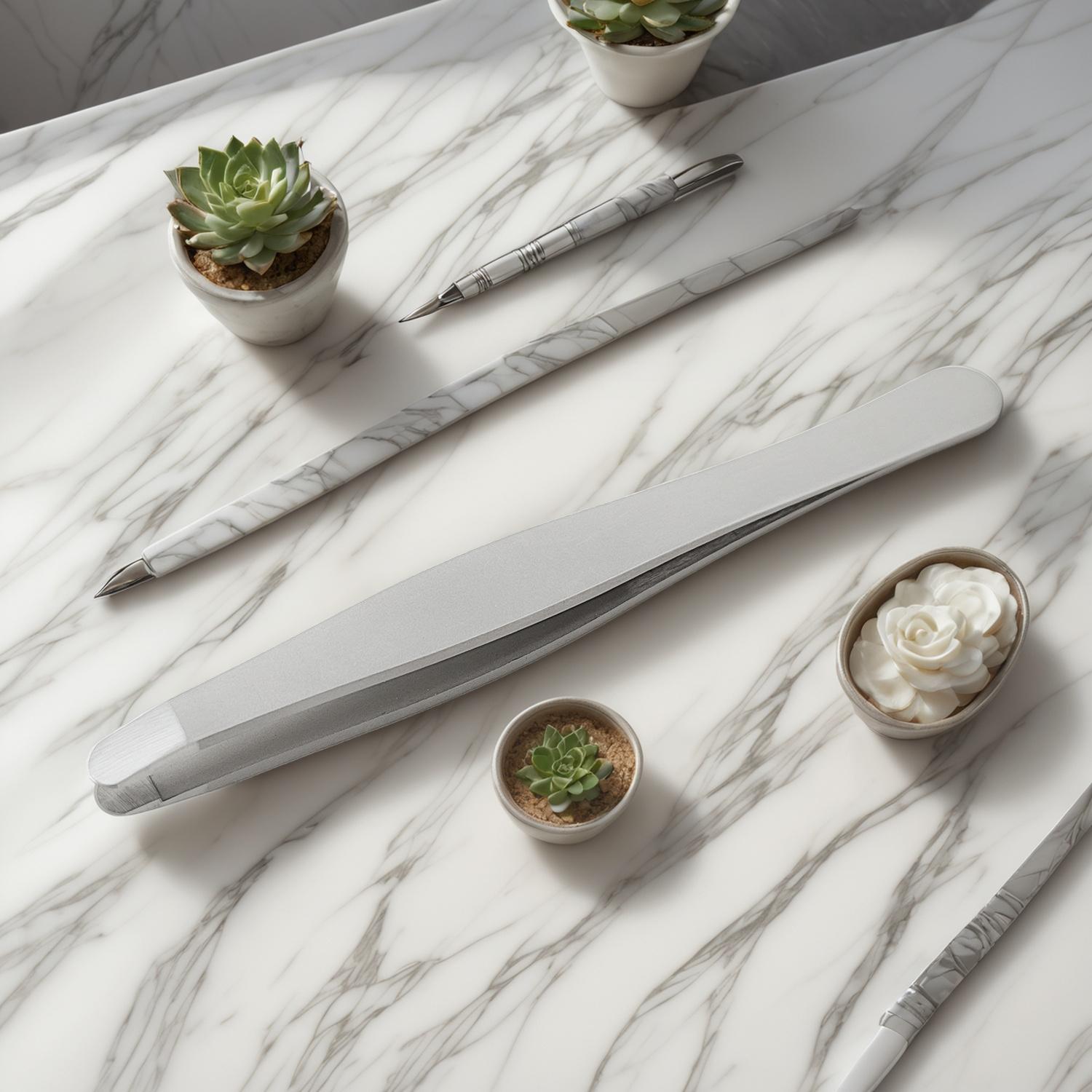
Tweezers Wholesaler Guide: Bulk Supply and OEM Options for Beauty Brands
Choosing a tweezers wholesaler is a practical business decision, not just a purchasing task. For beauty brands, salons, brow bars, retailers, and private-label distributors, tweezers are small tools with a direct impact on customer trust. A tweezer that slips, loses alignment, feels uncomfortable, or arrives with inconsistent finishing can create returns, poor reviews, and a weaker product line.
When you buy tweezers in bulk, the stakes increase because one quality issue can repeat across an entire shipment. Working directly with a China manufacturer such as Olimor Beauty can help buyers manage consistency, OEM branding, and production communication more efficiently. The key is knowing what to evaluate before placing an order, from tip precision and material selection to packaging and inspection expectations.
Why Bulk Tweezers Require More Careful Sourcing
Tweezers may look simple, but their performance depends on small details. The two arms must meet evenly, the tips need to grip fine hairs cleanly, and the tension should feel controlled rather than loose or harsh. A beauty retailer may be able to sell an attractive-looking tool once, but repeat sales depend on whether the tweezer performs well after regular use.
For wholesale buyers, inconsistency is often the biggest risk. A sample may feel acceptable, while a later bulk shipment may vary in alignment, polishing, or tension if the supplier lacks stable production checks. This is why sourcing should focus on repeatability rather than price alone. A reliable bulk supplier should be able to discuss how tools are checked during production and before packing, without making vague claims that cannot be connected to the actual product.
Olimor Beauty positions its tweezer supply around quality checks, stainless steel selection, ergonomic handling, and OEM options. For buyers comparing beauty tool products, the goal is to match those manufacturing capabilities with the needs of the intended sales channel, whether professional salon use, retail beauty kits, promotional sets, or private-label online sales.
Core Quality Points to Review Before Ordering
A strong wholesale tweezer program starts with a clear quality standard. The following points help buyers compare suppliers and define what is acceptable for their market.
- Tip alignment: The tips should meet cleanly and evenly. Poor alignment leads to hair slipping or breaking instead of being removed cleanly.
- Grip performance: Tweezers should hold fine hairs without requiring excessive hand pressure. This is especially important for brow grooming and detailed work.
- Tension and rebound: The arms should close smoothly and return predictably. Too much stiffness can cause hand fatigue, while too little tension reduces control.
- Surface finish: Edges and handles should feel smooth, without rough burrs or uncomfortable contact points.
- Material selection: Stainless steel is commonly preferred for beauty tweezers because it supports durability and practical hygiene expectations.
- Consistency across units: Bulk buyers should evaluate not only one sample, but whether a supplier has a process for checking repeated production quality.
- Packaging protection: Tips can be damaged during transit if packaging does not protect the precision contact points.
These criteria are useful for both premium and value-focused programs. Even when a buyer is building an affordable retail range, the product still needs to grip reliably, look clean on shelf, and arrive without preventable damage.
OEM Tweezers: What Can Be Planned for Private Label Supply
OEM tweezers allow brands to create a more cohesive product line instead of reselling generic tools. For beauty brands and retailers, customization may support brand recognition, gift set development, salon retail, or marketplace differentiation. Olimor Beauty offers tweezers OEM services, which can include branding-focused decisions connected to the tool and its presentation.
Before requesting OEM production, it helps to prepare a practical brief. The brief does not need to be complex, but it should define the product purpose and buyer expectations. A brow studio may prioritize professional feel and grip comfort, while an e-commerce seller may focus on shelf-ready packaging and a consistent visual identity across multiple beauty tools.
| OEM decision area | What buyers should define | Why it matters |
|---|---|---|
| Target user | Salon professional, retail customer, brow specialist, travel kit user, or gift set buyer | Helps determine handling, packaging, and quality positioning |
| Branding needs | Logo use, visual style, color direction, or packaging artwork requirements | Supports a consistent private-label presentation |
| Product role | Single tweezer, set component, salon resale item, or promotional beauty accessory | Affects packaging format and quality priorities |
| Inspection focus | Tip alignment, finish, tension, packaging appearance, or mixed criteria | Reduces misunderstandings before bulk shipment |
| Retail channel | Salon, boutique, online marketplace, distributor catalog, or brand website | Influences packaging durability and customer expectations |
OEM sourcing works best when the buyer and manufacturer align on details before production begins. This is especially important for tools such as tweezers, where a small change in feel or finishing can affect the perceived quality of the entire product line.
Manufacturer Partnership Versus Trading-Only Supply
Many wholesale buyers compare different sourcing paths: a trading company, a distributor, or a direct manufacturer. A trading supplier may be convenient for mixed orders, but a manufacturer relationship can offer better communication around production details, inspection priorities, and OEM development. For tweezers, direct production knowledge is valuable because quality depends on fine mechanical details rather than appearance alone.
Olimor Beauty manages production from raw material selection to final packaging, which gives buyers a more direct path for discussing requirements. This does not remove the need for buyer-side due diligence, but it can make the sourcing process clearer. Instead of only asking whether the product is “good quality,” buyers can discuss specific checkpoints: how tip alignment is reviewed, how packaging protects the tool, and how branding will be handled before bulk packing.
For businesses expanding into related categories, it can also be helpful to view tweezers as part of a broader beauty tool assortment. A consistent supplier relationship may simplify future sourcing across product collections, especially when the brand wants packaging, positioning, and quality level to feel unified.
How to Prepare a Bulk Tweezer Inquiry
A clear inquiry saves time and reduces the chance of inaccurate quotations. Instead of sending only a product name and asking for a price, buyers should include the intended use, order goal, branding needs, and any critical quality expectations. This helps the supplier respond with relevant options rather than assumptions.
- Define the sales channel. State whether the tweezers are for professional salons, retail resale, online distribution, kits, or promotional use.
- Describe the quality priority. Mention whether tip precision, appearance, packaging, comfort, or cost control is most important.
- Share branding requirements. If OEM service is needed, provide logo files, packaging direction, or a simple reference for the desired look.
- Clarify packaging expectations. Explain whether the product needs individual retail packaging, set packaging, or basic protective packing.
- Request sample review steps. Plan how samples will be evaluated for alignment, grip, finishing, and customer-facing presentation.
- Confirm communication points. Identify who will approve samples, artwork, packaging, and final order details before production proceeds.
If you are ready to discuss bulk supply or OEM details, you can send an inquiry with your target market, preferred packaging direction, and branding needs. For broader sourcing questions, you may also contact Olimor before preparing a formal project brief.
Inspection and Maintenance Considerations for Better Customer Experience
Wholesale success does not end when products leave the factory. Buyers should also think about how customers will store and use the tweezers. Precision tips are easy to damage if they are dropped, stored loose in a bag, or shipped without protection. Including protective packaging or basic care guidance can reduce avoidable complaints.
Simple user guidance may include keeping the tips covered when not in use, wiping the tool after use, avoiding contact with hard surfaces that can bend the tips, and storing the tweezer in a dry place. For professional salon environments, cleaning practices should follow the salon’s hygiene procedures and local requirements. These instructions are not marketing filler; they help preserve performance and support a more reliable customer experience.
On the buyer side, incoming inspection should include random checks from each shipment. Review tip contact, arm tension, surface finishing, and packaging condition before products are distributed. If your brand sells through online marketplaces, photograph the packaging and product details accurately so the listing matches what customers receive.
Building a Reliable Wholesale Tweezer Program
A dependable tweezer line is built through clear specifications, realistic expectations, and a supplier relationship focused on repeatable quality. The best wholesale choice is not simply the lowest quoted price; it is the partner who can support consistent production, communicate OEM details, and understand why precision matters in beauty tools.
Olimor Beauty works with buyers seeking wholesale tweezers, bulk supply, and custom OEM options backed by manufacturing experience. For beauty brands, salons, and retailers, that means a clearer path from product concept to packaged goods. By reviewing tip quality, material expectations, branding plans, packaging protection, and inspection steps early, you can reduce sourcing risk and build a tweezer product that customers are more likely to trust and reorder.
Tag: