

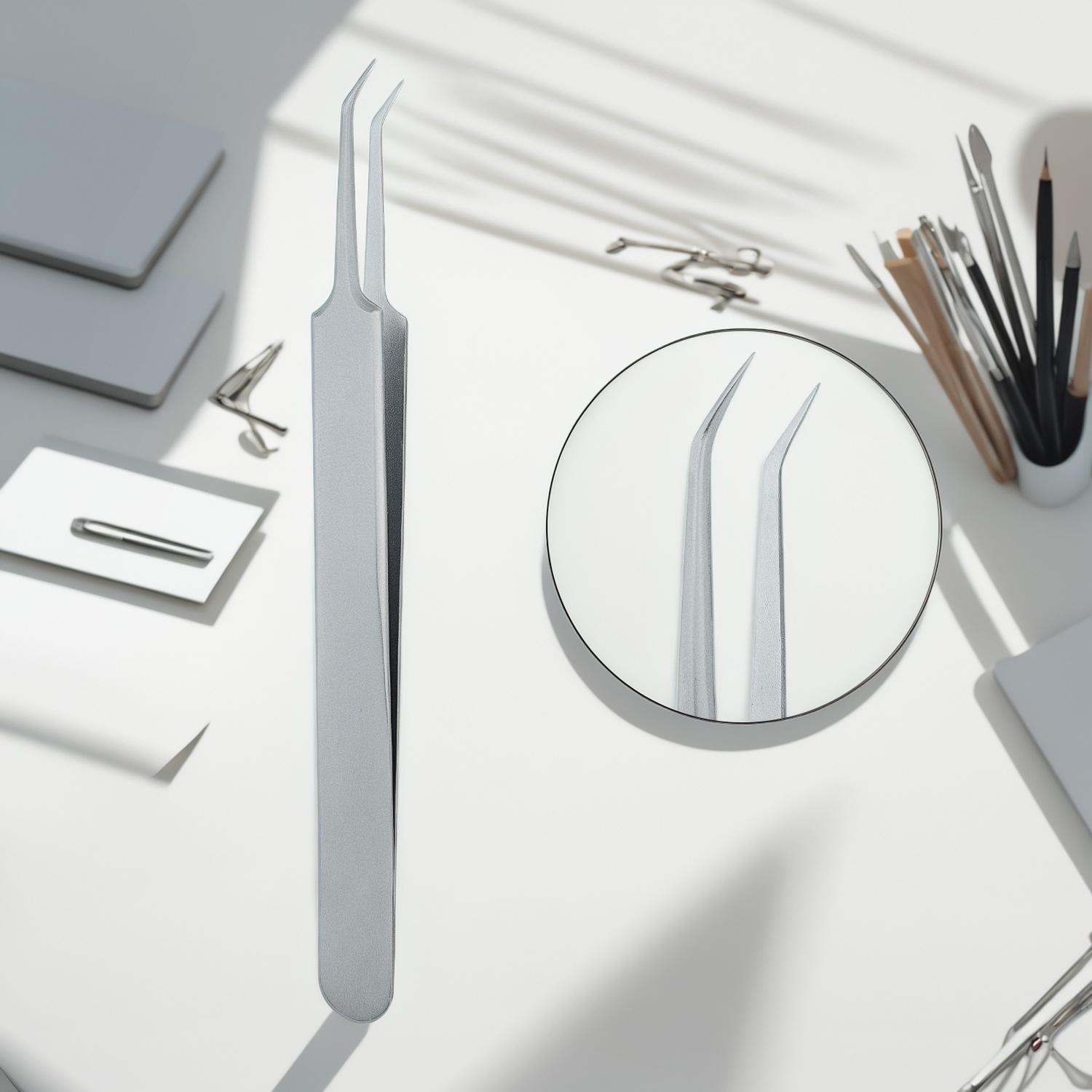
Tweezers Wholesale Supplier Guide for Beauty Brands
Sourcing tweezers wholesale is not only a purchasing task. For a beauty brand, salon chain, distributor, or hospitality buyer, tweezers are small tools that reveal a lot about product standards. A tweezer that feels unstable, has uneven tips, or loses alignment quickly can make a customer question the rest of the range. A well-made stainless steel tweezer, on the other hand, supports precise use, a clean presentation, and repeat buying confidence.
This guide is written for buyers comparing wholesale tweezer suppliers for retail lines, professional salon tools, private label programs, and hotel amenity beauty tools. It focuses on the practical details that affect product quality: tip alignment, finish, grip, packaging, customization, inspection, and supplier communication. If you are reviewing several beauty tool options at once, you can also browse Olimor beauty tool products to understand how tweezers fit within a wider sourcing plan.
Start With the End Use: Retail, Salon, Amenity, or Kit
Before comparing suppliers, define how the tweezers will be used and sold. The right wholesale choice depends on the setting. A retail beauty brand may care most about packaging, brand consistency, and shelf presentation. A salon or brow studio may focus on hand feel, repeat-use comfort, and reliable tip closure. A hotel or spa amenity program may need compact tools that feel refined while fitting specific guest kit formats.
Common wholesale use cases include:
- Retail beauty lines: branded tweezers sold individually or as part of grooming sets.
- Professional salons: tools chosen for precision, comfort, and repeated daily use.
- Private label manicure or beauty tools: products customized with brand identity, packaging, or coordinated kit design.
- Hotel amenity beauty tools: compact grooming items selected to support a premium guest experience.
- Gift sets and promotional kits: tweezers paired with other personal care accessories in a cohesive presentation.
Clarity at this stage prevents overbuying the wrong design. A sleek retail package may not solve the needs of a brow professional, while a professional-grade grip may be more than a basic guest amenity requires. The best supplier discussion begins with market position, user expectations, and packaging channel.
What Defines a Better Wholesale Tweezer?
A superior tweezer is judged by precision first. The tips should meet evenly, close cleanly, and hold fine hairs or small grooming targets without slipping. In beauty applications, even small inconsistencies are noticeable because the tool is used close to the face and often in detailed grooming work.
Stainless steel is widely used for quality beauty tools because it supports durability and resistance to rust when properly manufactured and cared for. However, buyers should evaluate more than the material name. The finish should feel smooth, the edges should not be rough, and the tension should provide control without hand fatigue. An ergonomic design is especially important for professional and frequent users because grip comfort affects accuracy.
When reviewing samples, pay attention to these features:
- Tip alignment: the two tips should meet precisely with no visible gap or crossing.
- Tip shape: slant, pointed, flat, or specialty forms should match the intended use.
- Tension: the tweezer should open and close smoothly without feeling weak or overly stiff.
- Surface finish: the tool should be clean, consistent, and free from sharp unfinished edges.
- Grip comfort: the body should sit securely in the hand and allow controlled pressure.
- Packaging fit: the tool should sit properly in its sleeve, box, pouch, or kit insert.
For a facial extractor tweezer or other fine-detail tool, tip accuracy becomes even more important. Ultra-fine tips require careful handling and packaging so they arrive protected and ready for precise use.
How to Evaluate a Quality Supplier
A wholesale tweezer supplier should be evaluated as a manufacturing and quality partner, not only as a catalog source. Reliable suppliers can explain how products are checked from raw materials through final packaging. Internal quality control matters because tweezer performance depends on details that are not always obvious in a product photo.
When comparing a professional beauty tools supplier or a manicure tools exporter in Guangdong, look for communication that is specific and consistent. A serious partner should be able to discuss sample review, production expectations, packaging options, and quality checkpoints. They should also be willing to address product use cases rather than pushing one generic option for every buyer.
Useful supplier evaluation questions include:
- What inspection steps are used before packing the tweezers?
- How are tip alignment, surface finish, and closure tension checked?
- Can samples be reviewed before committing to a larger wholesale order?
- What packaging formats are available for retail, salon, or amenity use?
- Can branding be applied to the tool, package, or set presentation?
- How are products protected during transport to reduce tip damage?
- What information is needed to quote a customized private label project?
The answers do not need to be overly technical, but they should be clear. Vague replies about “high quality” are less useful than a practical explanation of how quality is controlled and what options are available.
Private Label Tweezers: Branding Without Losing Function
Private labeling can help a beauty company build recognition and create a coordinated product line. With tweezers, customization may involve logo placement, packaging design, color direction, kit structure, or pairing with other grooming tools. For a retail brand, private label manicure tools and beauty accessories can support a consistent shelf identity. For hotels or spas, custom presentation can make a compact grooming kit feel more considered.
The key is to keep performance at the center of the project. A tweezer can look attractive but still disappoint if the tips do not grip cleanly. During private label development, review the base tool first, then refine the branding. This sequence avoids investing design time into a product shape that does not meet the use standard.
Buyers should prepare several elements before starting a private label discussion:
- Target sales channel, such as retail, salon distribution, hotel amenities, or online sets.
- Preferred tweezer type, including slant, pointed, flat, or specialized shapes.
- Brand artwork files or basic logo placement requirements.
- Packaging direction, such as carded packaging, sleeve, box, pouch, or kit insert.
- Any regional labeling, language, or barcode requirements controlled by the buyer.
- Expected quality level and whether the product is for occasional or professional use.
If you are planning a branded program or a coordinated range, Olimor’s product collections can be a helpful starting point for thinking about how tweezers may sit beside other beauty and manicure tools.
Sample Review Checklist for Wholesale Tweezers
Sample checking should be structured. Looking at a tweezer for a few seconds is not enough to judge whether it is suitable for your customers. Test each sample in the same way so your team can compare suppliers fairly.
| Check Point | What to Look For | Why It Matters |
|---|---|---|
| Tip meeting point | Tips touch evenly when closed | Improves grip and precision |
| Spring tension | Smooth resistance without strain | Supports comfort during repeated use |
| Finish quality | No rough edges, stains, or visible defects | Protects product perception and handling comfort |
| Tip protection | Cap, sleeve, insert, or secure packaging | Reduces damage during storage and shipment |
| Branding area | Logo position looks balanced and readable | Supports a professional retail or amenity presentation |
For professional users, perform a longer handling test. Open and close the tweezer repeatedly, check whether it becomes uncomfortable, and confirm that the grip does not slip easily. For retail buyers, also review the product under bright light because customers often inspect beauty tools closely before purchase.
Packaging and Sourcing Decisions That Affect Customer Experience
Packaging is not only decoration. It protects the tweezer tips, communicates the brand, and influences how the customer understands the product. A premium retail tweezer may need packaging that displays the tool clearly while keeping it secure. A hotel amenity tweezer may need compact, clean packaging that fits a kit. A salon supplier may prefer simple protective packaging that is easy to store and distribute.
When selecting packaging, consider whether the customer needs usage information, care instructions, or safety notes. Buyers should also think about how packaging will travel. If the tweezer tip is exposed or can move freely inside the package, alignment can be affected before the product reaches the user.
Sourcing decisions should also include assortment planning. Instead of ordering many similar tweezers, build a practical range: one everyday slant tweezer, one fine-point option if appropriate, and one kit-friendly tool where space matters. A focused assortment is easier to explain to customers and easier to manage in inventory.
Care Guidance to Reduce Complaints and Returns
Even a well-made stainless steel tweezer performs better when used and stored correctly. Brands can reduce customer questions by including simple care guidance on the package, insert, or product page. Keep the message short and practical: clean after use, dry before storage, protect the tips, and avoid dropping the tool on hard surfaces.
For salons, care routines may be more detailed and should follow the hygiene standards required by the business and local regulations. For retail customers, the most important message is to preserve tip alignment. A tweezer that is stored loose in a crowded makeup bag can be damaged more easily than one kept in a sleeve or cap.
Building a Strong Wholesale Inquiry
A clear inquiry helps suppliers respond with relevant options. Instead of asking only for the lowest price, describe the buyer profile, use case, preferred design, packaging direction, and customization needs. This allows a supplier to recommend a tweezer that matches the commercial goal.
Your inquiry can include: target market, estimated order plan, packaging preference, logo requirements, sample request, quality expectations, shipping destination, and whether the product is part of a larger beauty tool range. If you need help narrowing the options, you can contact Olimor or send an inquiry with your sourcing details.
Wholesale tweezers may be small items, but they deserve careful selection. By reviewing precision, stainless steel finish, ergonomic handling, packaging protection, and supplier quality control, beauty businesses can choose tools that support their brand promise. The strongest sourcing decision is not simply the cheapest option; it is the product that performs consistently for the intended customer and fits smoothly into your sales channel.
Tag: