

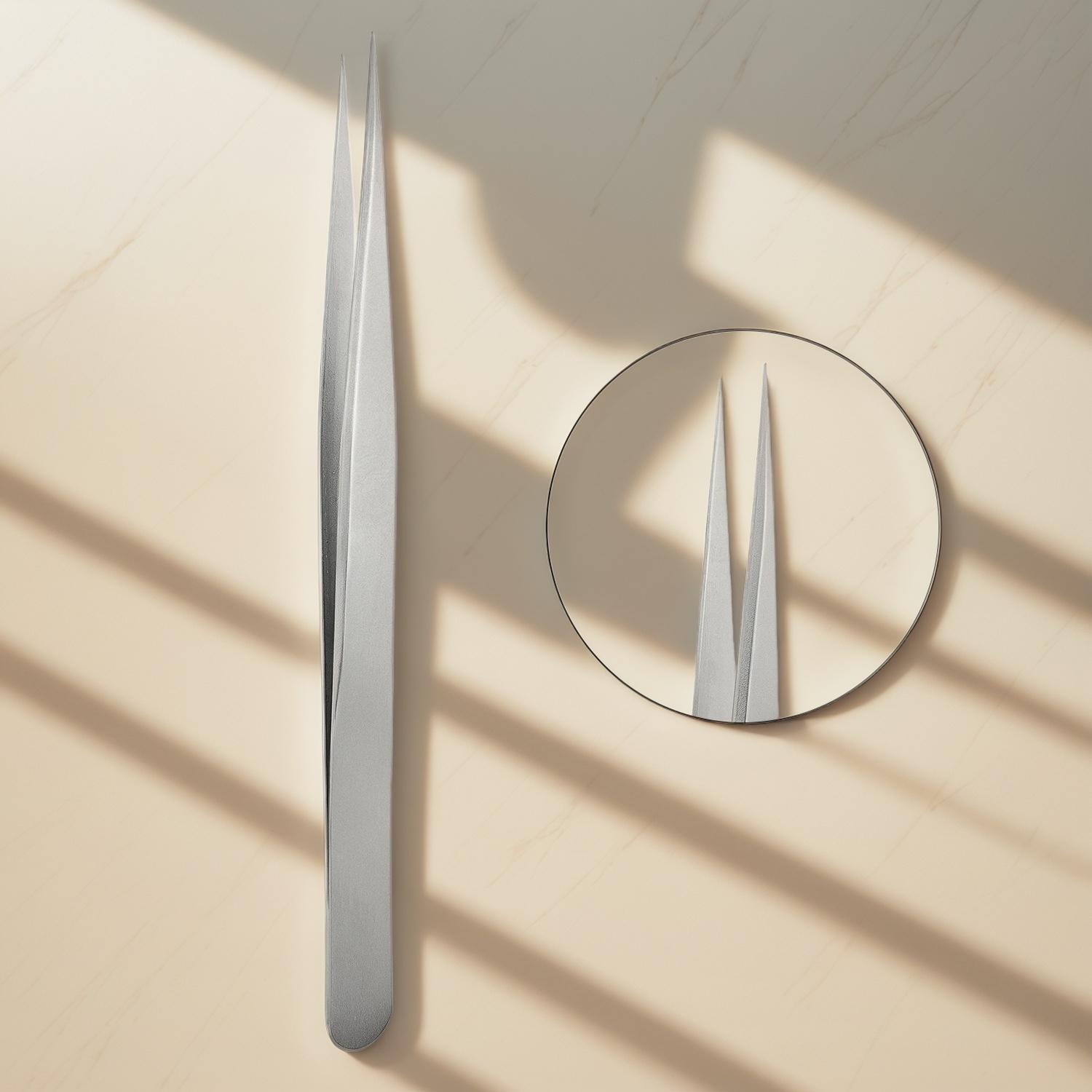
Tweezers Wholesale: How to Choose a Reliable Manicure Tools Supplier
For beauty retailers, salon supply distributors, nail brands and private label teams, tweezers may look like a simple item. In wholesale sourcing, however, small differences in alignment, finishing, grip and packaging can decide whether a product earns repeat orders or creates customer complaints. A good pair of tweezers should feel controlled in the hand, meet cleanly at the tip and hold up through normal retail or professional use. A weak product can arrive with uneven tips, rough edges, inconsistent tension or a finish that does not match the brand image you want to build.
Choosing a tweezers wholesale supplier is therefore not only a price comparison. It is a decision about product consistency, inspection discipline, export reliability and the level of support available when you want to build a manicure tools line under your own brand. Olimor Beauty works in the beauty tools category and supports buyers looking for professional sourcing, practical product selection and private label opportunities. This guide explains what to check before placing wholesale orders and how to compare suppliers with a buyer-focused process.
Why Supplier Choice Matters in Tweezers Wholesale
Tweezers sit in a competitive category where consumers can compare products quickly. If a beauty tool feels flimsy, pinches poorly or loses alignment, the buyer may not blame the factory; they usually blame the brand printed on the package. That makes supplier selection especially important for companies selling through salons, online stores, drugstore-style retail, gift sets or manicure kits.
A generic wholesaler may offer a broad catalog and a low entry price, but the trade-off can be limited control over consistency. A dedicated manicure tools supplier is more likely to understand the details that matter in daily use: how the tips meet, whether the edges are comfortable, how the surface is polished, whether the tool feels stable in the hand and how the final packing protects the item during shipping. These details affect reviews, returns and long-term brand trust.
Before reviewing any quotation, define how the tweezers will be used. A budget retail accessory, a salon-focused tool, a travel kit component and a private label gift set may require different packaging, finishing and quality expectations. When the buying purpose is clear, it becomes much easier to compare samples and avoid paying for features that do not serve your market.
What Separates Professional Tools from Standard Grade Products
The original product promise for professional manicure tools is based on durable construction, careful finishing and reliable quality control. Stainless steel is commonly valued in beauty tools because it can support strength, clean appearance and resistance to everyday wear when properly processed. However, buyers should not rely on the words “stainless steel” alone. Wholesale evaluation should focus on the finished tool in the hand.
When testing tweezer samples, pay close attention to the tip. The two sides should meet evenly without a visible gap or crossing. The gripping area should hold a fine hair, artificial lash or small test fiber without requiring excessive pressure. If the tool is too stiff, users may find it tiring; if it is too loose, the tweezers may feel imprecise. The inside and outside edges should feel smooth enough for safe handling, especially when the product is intended for home users.
Finishing also influences perceived value. A polished, matte or coated appearance must be even across the surface, without obvious marks, residue or sharp burrs. If the tweezers are part of a manicure kit, the finish should visually match the nail clippers, cuticle tools or scissors in the same set. Consistency across a line helps buyers recognize the product as a planned collection rather than a mix of unrelated items.
Wholesale Evaluation Checklist for Tweezers and Manicure Tools
A structured sample review helps reduce subjective decisions. Instead of choosing only the sample that looks best in a photo, inspect each item in the way your end customer will experience it. The following checklist can be used by brand owners, purchasing teams and distributors during supplier comparison.
- Tip alignment: Check whether the tweezer tips meet evenly from the first touch and grip small test materials reliably.
- Tension and control: Open and close the tweezers repeatedly to confirm the pressure feels stable and comfortable.
- Surface finish: Look for scratches, stains, uneven coating, rough edges or visible polishing defects.
- Hand feel: Confirm that the shape is comfortable for the target user, whether retail consumer, salon technician or travel kit buyer.
- Packaging fit: Make sure the tool is protected in the package and presented in a way that matches your price point.
- Batch consistency: Review multiple samples, not only one perfect piece, to understand typical production quality.
- Branding space: Confirm whether there is a suitable area for logo, label or customized retail packaging if private label is planned.
- Export readiness: Consider carton packing, documentation support and communication efficiency before scaling an order.
This type of review is especially useful when comparing quotes from different suppliers. A lower unit price may not be the best value if the samples show inconsistent alignment or if packaging needs to be replaced after delivery. Quality issues discovered early are easier and less expensive to solve than problems found after goods have reached your customers.
Private Label Tweezers: Building a Product Line, Not Just Buying Stock
Private label manicure tools allow beauty companies to turn a basic category into a branded retail asset. Instead of selling unbranded accessories, you can create a cohesive line with a chosen finish, packaging style and brand message. This is valuable for retailers expanding into house-brand beauty tools, salon distributors offering professional kits, and e-commerce sellers building recognition across multiple personal care products.
Private label decisions should begin with positioning. Are the tweezers intended for everyday grooming, professional salon retail, brow care, lash application, travel sets or manicure kits? Each use case affects the best shape, package and bundle strategy. A brow-focused product may need precise tip performance and compact packaging. A manicure set may need visual consistency across several tools. A retail display program may require packaging that communicates quality quickly on the shelf.
When preparing a private label project, organize the information your supplier needs: desired product type, target market, estimated order plan, packaging concept, logo files if available and any compliance or labeling requirements for your sales region. You do not need to finalize every detail before starting a conversation, but a clear brief helps the supplier recommend realistic options. You can review related beauty tool products to compare product categories and plan how tweezers may fit into a wider assortment.
Questions to Ask Before Placing a Wholesale Order
Good sourcing conversations are specific. Instead of asking only for the lowest price, focus on the controls that affect your finished product. This is particularly important for tweezers because the item is small, but the tolerance for poor performance is low.
- What sample options are available? Review more than one style or finish if your market has different price levels.
- How is product consistency checked? Ask how alignment, finish and packing are reviewed before shipment.
- What packaging formats can be supported? Consider retail cards, boxes, pouches or set packaging depending on your channel.
- What branding methods are suitable? Confirm practical logo placement and packaging customization options before artwork is prepared.
- How are goods packed for export? Carton strength and internal protection matter because bent or scratched tools reduce sellable inventory.
- What information is needed for an accurate quotation? Product style, finish, packaging, branding and order quantity all influence cost.
These questions keep the discussion focused on practical purchasing risk. They also help distinguish a supplier that understands beauty tools from a seller that simply lists generic stock. If you are planning a branded program, you can send an inquiry with your product brief so the conversation begins with the right technical and packaging details.
Choosing Tools for Different Sales Channels
The right tweezer is not always the same for every buyer. A professional salon supply customer may prioritize grip accuracy and a clean, durable finish. A mass retail buyer may focus on attractive packaging, clear usage information and consistent appearance across large quantities. An online brand may need packaging that photographs well and protects the tool during parcel delivery. Gift set buyers may value coordinated finishes and a neat presentation.
For distributors, assortment planning is also important. Offering only one tweezer may be too narrow if your customers serve different grooming needs. At the same time, adding too many similar items can complicate inventory. A practical approach is to build a focused range: one general grooming option, one precision option and one kit-compatible option, then expand based on sales data. Reviewing Olimor product collections can help buyers think about how tweezers sit alongside other manicure and personal care tools.
If sustainability is part of your brand positioning, emphasize durable tools and responsible purchasing rather than disposable turnover. A well-made tool that performs reliably over time can reduce waste compared with low-quality items that are quickly replaced. Avoid vague claims; instead, focus on durability, repair-free normal use expectations, protective packaging choices and the reduction of unnecessary product failures.
Maintenance Guidance to Include for End Customers
Wholesale buyers often focus on procurement, but simple customer education can improve satisfaction after purchase. Clear care guidance on packaging inserts, product pages or retail descriptions helps users maintain the tool and reduces complaints caused by misuse.
Useful care instructions can be simple: keep tweezers dry after cleaning, store them with the tips protected, avoid dropping them on hard surfaces, and do not use precision tips for tasks that require cutting or prying. If the tweezers are sold in a kit, include a pouch or protective sleeve when appropriate so the tips do not rub against other tools. For salon or professional environments, buyers should follow the hygiene practices and regulations relevant to their local market.
Maintenance messaging should match the product. Do not overpromise performance or make unsupported claims. Instead, explain how users can preserve alignment and cleanliness. This practical approach helps your brand appear responsible and reduces preventable returns.
Building a More Reliable Sourcing Plan with Olimor Beauty
A successful tweezers wholesale project combines product selection, sample evaluation, packaging planning and supplier communication. The best results come when buyers treat tweezers as precision beauty tools rather than anonymous accessories. Look for consistent tip alignment, comfortable tension, clean finishing, protective packaging and a supplier that can support private label decisions without pushing unnecessary complexity.
Olimor Beauty supports buyers who want professional manicure tools, wholesale supply options and brand-focused sourcing. Whether you are adding tweezers to an existing line, building a new private label range or comparing suppliers for export purchasing, a structured evaluation process will help you make a more confident decision. To discuss product options or clarify a sourcing brief, you can contact Olimor and share the intended market, packaging direction and quality expectations for your project.
Tag: