

Tweezers Wholesale: How to Source Double-End Personal Care Tools with Confidence
Wholesale tweezers are small products, but they carry a large share of the user experience in personal care. A tweezer that feels balanced, grips reliably, and cleans easily can support brow grooming, manicure preparation, lash application, facial hair removal, and professional salon work. A poorly chosen tool, on the other hand, can create frustration quickly: tips may not align, grip may feel weak, or the handle may be uncomfortable during repeated use.
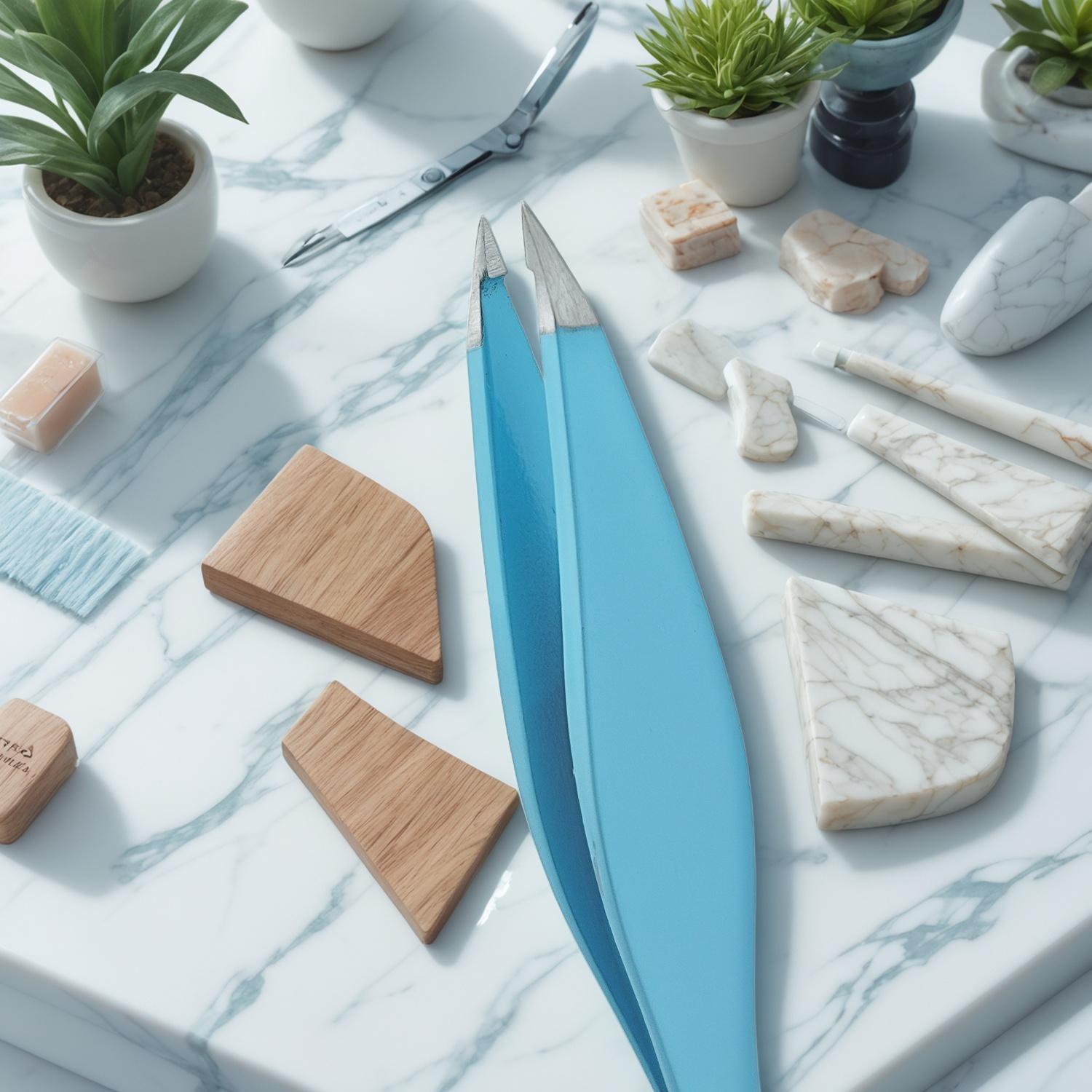
For buyers evaluating tweezers wholesale, the goal is not simply to find the lowest unit price. It is to select a tool that fits the intended market, supports consistent performance, and can be supplied with dependable quality control. Olimor Beauty’s double-end tweezer is a useful example of this category: it is made with high-quality stainless steel, designed with an ergonomic shape, and presented in a sky-blue color that gives the tool a clean, distinctive look. For salons, distributors, beauty retailers, and private label buyers, these details help turn a basic grooming item into a more considered personal care product.
Why Double-End Tweezers Work Well for Wholesale Programs
A double-end tweezer gives the user more flexibility than a single-purpose tweezer. While exact tip functions can vary by design, the wholesale value comes from combining two working ends in one tool. This can be helpful for consumers who want a compact personal grooming accessory and for professionals who prefer efficient tools that reduce clutter at the workstation.
For retail and salon channels, double-end tweezers also have strong merchandising potential. They are easy to display, simple to explain, and relevant across several beauty categories. A buyer can position them near brow tools, manicure tools, lash accessories, travel grooming kits, or general personal care items. The sky-blue finish described for Olimor Beauty’s double-end tweezer adds visual differentiation, which can be useful when the product sits alongside standard metallic tools.
Wholesale buyers should think about how the tweezer will be used after purchase. A beauty retailer may need a product that looks appealing in packaging and is easy for consumers to understand. A salon supplier may put more weight on repeated handling, cleanability, and consistent tip alignment. A private label buyer may also need a tool that can support a cohesive product line with other beauty tool products.
Key Selection Criteria for Wholesale Tweezers
Before placing a larger order, compare tweezers against criteria that affect both user satisfaction and long-term sell-through. The best wholesale choice is usually the one that balances material, function, finish, comfort, and quality consistency.
- Material: Stainless steel is valued in personal care tools because it is durable, easy to clean, and suitable for repeated handling. When material details are not fully specified, buyers should review the supplier’s documentation and sample performance before finalizing a purchase.
- Tip alignment: Tweezer tips should meet evenly so they can grip fine hairs or small items without slipping. Misalignment is one of the most common reasons users reject a tweezer.
- Grip tension: The arms should have enough spring and control to grip precisely without requiring excessive pressure. Too much stiffness causes fatigue; too little tension reduces control.
- Ergonomic handling: An ergonomic design is especially important for salon users and anyone performing repeated grooming tasks. The tool should feel stable in the fingers, not sharp along the edges, and not awkward to rotate.
- Surface finish: A clean finish helps with appearance and comfort. For colored tools such as a sky-blue tweezer, buyers should inspect whether the color application looks even and professional.
- Packaging compatibility: Consider whether the tweezer will be sold individually, in a manicure kit, as part of a brow set, or under private label packaging.
How to Assess Samples Before a Wholesale Order
Sample review is the most practical way to evaluate a tweezer before committing to bulk purchasing. Even when the product description sounds strong, a physical sample reveals details that affect customer satisfaction. Buyers should check both the first impression and the performance after repeated use.
- Inspect the tips under good lighting. The tips should close cleanly and appear symmetrical. Look for burrs, uneven edges, or gaps that might prevent precise gripping.
- Test grip on different materials. Try the tweezer on fine hair, a thin thread, a small piece of paper, or a lash strip. This helps show whether the tool can handle varied personal care tasks.
- Check hand comfort. Hold the tweezer as a professional would during repeated service. Note whether pressure points appear along the fingers.
- Review finish consistency. For a sky-blue colored tool, compare samples for color uniformity, surface smoothness, and overall presentation.
- Clean and dry the sample. A personal care tool should tolerate routine cleaning without immediately showing surface issues. Follow appropriate cleaning methods for the material and finish.
- Evaluate packaging fit. If the tool will be part of a set or private label program, place it into the planned tray, pouch, card, or box to confirm the fit and visual effect.
This kind of sample review helps reduce avoidable problems later, especially for buyers planning repeat orders or custom presentation. If the product is part of a broader assortment, compare it with related product collections to ensure the finish, price position, and use case make sense together.
Choosing a Manicure Tools Supplier for Tweezers
A reliable manicure tools supplier should understand that tweezers are precision products, not simple metal accessories. The supplier’s approach to inspection, communication, and production consistency matters as much as the product design. Olimor Beauty is described as a professional beauty tools supplier with a commitment to technical excellence and quality assurance, including internal quality control and inspections. For wholesale buyers, those supplier practices are important because they reduce the risk of uneven batches and customer complaints.
When comparing suppliers, look for clear answers to practical sourcing questions. How are incoming materials checked? How is tip alignment inspected during production? What appearance defects are considered unacceptable? How are finished goods protected during packing and shipment? What customization options are feasible without weakening the tool’s function? These questions do not require exaggerated claims; they simply help buyers understand whether a supplier can support consistent wholesale delivery.
Manufacturing location can also influence sourcing decisions. The original product context notes that sourcing from manufacturing hubs such as Guangdong can offer advantages including reduced costs and quicker delivery times. Buyers should still compare the complete supply arrangement, including sample lead time, communication efficiency, packing method, and shipping plan. A lower quoted cost is only useful when the final product arrives in a condition that meets the buyer’s standard.
Private Label and Retail Positioning Considerations
Private label manicure tools are popular because they allow retailers and distributors to create a coordinated product range. A double-end stainless steel tweezer can fit easily into private label assortments, especially when paired with brow scissors, nail tools, lash tools, or travel grooming accessories. The key is to define the position of the product before deciding on packaging and presentation.
For a value-focused retail line, simple packaging and clear usage instructions may be enough. For a salon-oriented line, buyers may prefer a more professional appearance, protective packaging, and stronger emphasis on precision and durability. For an eco-conscious audience, packaging choices may matter as much as the tool itself. The article’s source details point to growing demand for eco-friendly personal care tools, so buyers may want to review packaging materials, waste reduction options, and whether the final presentation avoids unnecessary plastic or oversized boxes.
It is important not to overclaim sustainability. A responsible wholesale program should use accurate, verifiable language. Instead of vague environmental promises, focus on practical improvements such as durable tools intended for repeated use, packaging efficiency, and product designs that reduce the need for multiple single-function accessories.
Quality Control Points That Matter Most
For tweezers wholesale, quality control should focus on the parts of the product that affect use. A beautiful color or attractive package will not compensate for weak tip performance. Buyers can use the following checklist when reviewing pre-shipment samples or discussing inspection standards with a supplier.
| Quality Point | Why It Matters | What to Check |
|---|---|---|
| Tip closure | Determines precision and gripping ability | Tips meet evenly without visible gaps |
| Edge smoothness | Affects comfort and safety during handling | No burrs, sharp unwanted edges, or rough surfaces |
| Arm tension | Controls ease of use and hand fatigue | Consistent resistance across samples |
| Finish appearance | Influences retail appeal and perceived quality | Even sky-blue color, clean surface, no obvious marks |
| Packing protection | Prevents damage in transit | Tips and finish protected from rubbing or impact |
These checks are especially important for distributors and retailers because a small defect can be highly visible to end users. Tweezers are handled closely, often near the face or nails, so customers notice alignment, comfort, and finish quickly.
Care, Cleaning, and Customer Guidance
Wholesale buyers should also think about the care information that will accompany the product. Clear user guidance can reduce returns and improve the customer experience. Stainless steel personal care tools are generally valued for durability and cleanability, but users still need to handle them properly.
Basic care guidance may include wiping the tweezer after use, drying it thoroughly before storage, avoiding harsh treatment of the tips, and keeping it in protective packaging or a pouch when not in use. If the tweezer has a colored finish, users should avoid abrasive scrubbing that may affect the surface appearance. For professional salon environments, cleaning procedures should follow the salon’s hygiene protocols and applicable local requirements.
Retail packaging or product inserts can be concise. Explain what the double-end format is intended to do, how to hold the tool comfortably, and how to store it so the tips remain protected. A small amount of useful guidance can make the product feel more professional without relying on exaggerated marketing language.
Building a Better Wholesale Tweezer Program
A strong tweezer program starts with a clear product role. Decide whether the double-end tweezer will serve as a standalone retail item, a salon supply product, part of a manicure kit, or an accessory in a private label range. Then evaluate samples for stainless steel quality, ergonomic handling, tip alignment, finish consistency, and packaging fit.
Olimor Beauty’s double-end tweezer brings together several desirable features for wholesale buyers: stainless steel construction, ergonomic design, a distinctive sky-blue color, and attention to quality checks. Those qualities make it relevant for personal care, manicure, brow, and general grooming categories. To discuss sourcing options, private label needs, or product matching within a broader beauty tool range, buyers can contact Olimor or send an inquiry with project details.
In a crowded personal care market, the best tweezers are not chosen by appearance alone. They are selected through practical evaluation: how they grip, how they feel, how they hold up to routine handling, and how reliably they can be supplied. By treating tweezers as precision tools rather than simple accessories, wholesale buyers can build a product offering that supports repeat purchases and long-term customer trust.
Tag: