

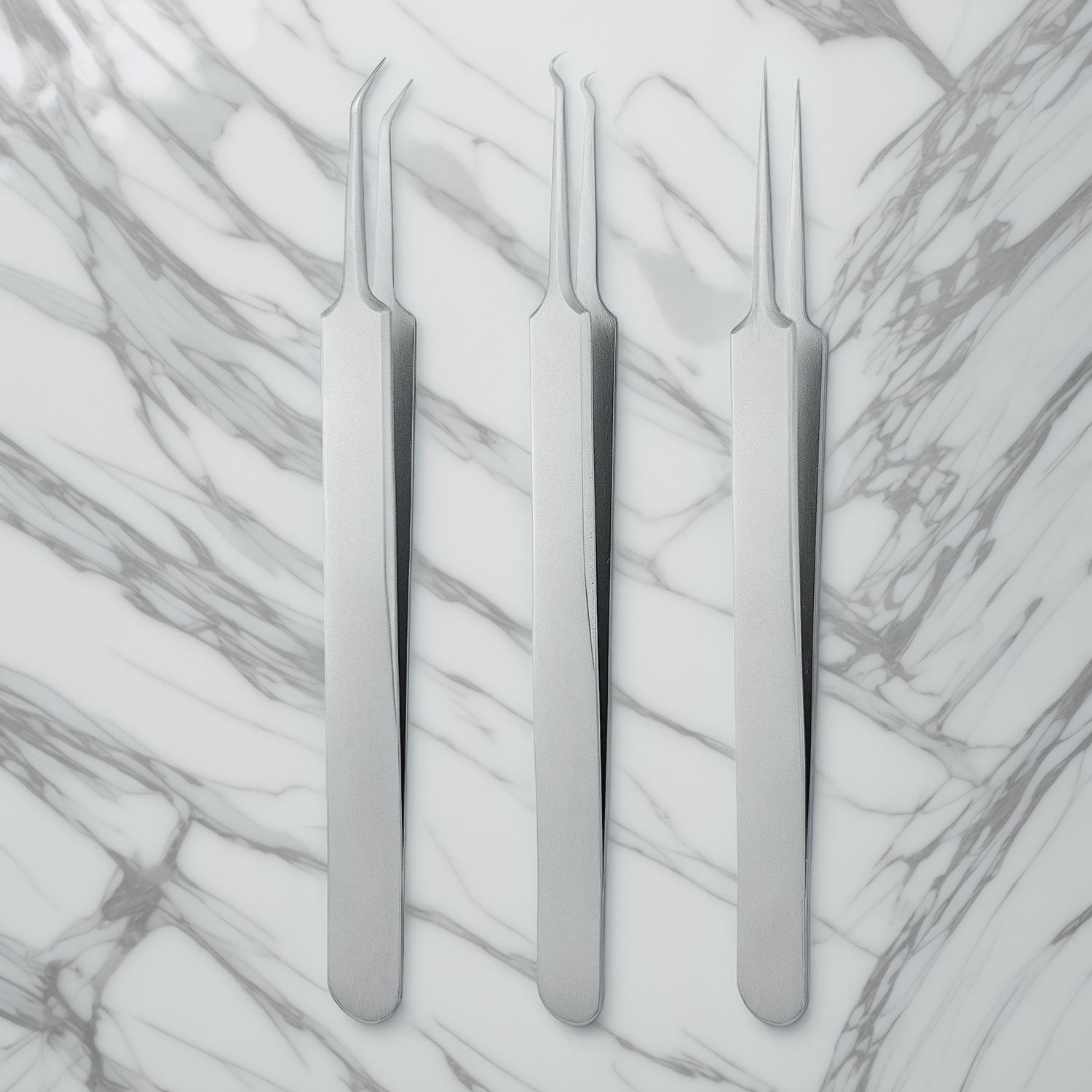
Tweezers Wholesale Guide for Beauty Brands and Salons
Choosing a source for tweezers wholesale is not only a purchasing decision. For a salon, beauty retailer, spa, distributor, or private label brand, tweezers sit close to the customer experience: they are held in the hand, used on delicate areas, and judged quickly by grip, alignment, comfort, and durability. A low-quality tweezer can slip, pull unevenly, feel uncomfortable, or lose tension after repeated use. A well-made tweezer, by contrast, supports clean grooming work and helps customers associate your brand with reliability.
This guide explains how to evaluate wholesale tweezers and related beauty tools with a buyer’s mindset. It is written for businesses that need consistent stock, practical packaging decisions, and a supplier capable of supporting professional, retail, and hospitality channels. Olimor Beauty works with stainless steel beauty tools and emphasizes ergonomic designs, precision, and internal quality control from raw material inspection through final product checks. When you compare options, use the same disciplined approach: define the use case, review workmanship, check packaging needs, and make sure the supplier’s process fits your market.
Start With the Real Use Case for Your Tweezers
Before comparing prices or requesting a quotation, clarify where the tweezers will be used. A brow bar has different needs from a retail gift set. A hotel amenity kit has different priorities from a professional salon tool that is cleaned and reused throughout the day. Wholesale purchasing works best when the application is defined early, because it influences tip shape, finish, packaging, order mix, and inspection expectations.
Common wholesale use cases include:
- Professional salons and brow studios: Need reliable grip, balanced tension, and comfortable handling for repeated use.
- Retail beauty brands: Need consistent appearance, customer-friendly packaging, and a product that looks credible on a shelf or online listing.
- Private label manicure or grooming sets: Need design consistency across multiple tools, not only tweezers.
- Spas and wellness venues: Need tools that feel refined and align with the overall service environment.
- Hotel amenity beauty tools: Need practical grooming items that create a positive guest impression without unnecessary complexity.
- Distributors and importers: Need stable supply, export experience, and clear communication on product options.
If you are building a broader assortment, you can compare related categories through Olimor’s beauty tool products page and review how tweezers may fit alongside manicure, pedicure, and grooming tools.
What Makes Wholesale Tweezers Worth Buying?
Wholesale tweezers should be judged on more than their outer appearance. A polished surface may look attractive, but performance comes from alignment, tension, material handling, and finishing. For business buyers, consistency matters as much as a single good sample. The first sample should show the intended quality, but the production order should match that approved standard closely.
Key selection criteria include:
- Tip alignment: The tips should meet evenly. If the edges are misaligned, the tweezer may fail to grip fine hairs or small items reliably.
- Grip and tension: The arms should open and close smoothly. Tension should feel controlled, not too stiff for repeated use and not too loose for precise work.
- Edge finishing: Tips and sides should be finished cleanly. Rough edges can reduce user confidence and may create an uncomfortable handling experience.
- Stainless steel construction: Stainless steel is widely used for beauty tools because it supports durability and a professional look when manufactured and finished properly.
- Ergonomic feel: Shape, length, surface texture, and pressure point all influence how the tweezer feels in the hand during real use.
- Visual consistency: Color, finish, logo placement, and packaging should remain consistent across the order, especially for retail and private label programs.
Do not evaluate a tweezer only by taking it out of the package and looking at it. Open and close it repeatedly, test the tip contact, inspect both sides under good light, and compare several pieces rather than one unit. For professional buyers, this simple routine helps reveal whether the product is suitable for daily use or only acceptable at first glance.
How to Evaluate a Professional Beauty Tools Supplier
A dependable professional beauty tools supplier should be able to discuss quality in practical terms. The conversation should cover how materials are inspected, how production is controlled, how finished tools are checked, and how packaging is confirmed. You do not need to demand unnecessary technical language, but you should expect clear answers and consistent documentation for your order details.
When reviewing a supplier, consider the following buyer checklist:
| Evaluation Area | What to Check | Why It Matters |
|---|---|---|
| Product samples | Tip alignment, finish, tension, packaging, and logo position if applicable | Samples define the quality standard before production |
| Quality control | Raw material checks, in-process review, and final inspection practices | Consistent procedures reduce surprises in bulk orders |
| Communication | Clear product options, realistic lead time discussion, and written confirmations | Prevents misunderstandings when details are transferred to production |
| Packaging support | Retail cards, pouches, sets, cartons, labeling, and market-specific requirements | Packaging affects sales presentation and logistics |
| Export experience | Ability to support international clients and shipment documentation needs | Important for importers, distributors, and growing brands |
Olimor Beauty focuses on stainless steel tools with ergonomic designs and internal quality control from raw materials through final products. For buyers comparing supply partners, this type of process matters because small beauty tools rely on precise contact surfaces and repeatable finishing. If your program requires product customization or a wider beauty tool range, you can send an inquiry with your target market, packaging preference, and intended order mix.
Private Label Tweezers and Manicure Tools: Plan the Brand Details Early
Private label manicure tools and grooming accessories can help a beauty business create a recognizable product line without operating its own factory. However, private label success depends on preparation. A logo alone does not make a product line feel coherent. The product shape, finish, packaging, color direction, instruction text, and assortment strategy should work together.
For tweezers, private label planning usually involves several practical decisions. Will the product be sold individually or as part of a manicure set? Is the customer a professional user or a consumer buying a personal grooming tool? Should the packaging highlight precision, daily grooming, travel convenience, or salon use? Is the brand presentation minimal, clinical, luxury-oriented, or designed for mass retail?
Because Olimor should not invent technical claims for your brand, keep your label language accurate and simple. Avoid unsupported statements about testing, grades, or performance guarantees unless they are verified for the exact product. Strong retail copy can still be useful without exaggeration. For example, describe the tool’s intended use, stainless steel construction if applicable, comfortable grip, and care instructions. If you are developing a coordinated range, browse Olimor’s product collections to think through how tweezers can sit with nail clippers, cuticle tools, files, and other grooming items.
Sourcing for Salons, Retail, Spas, and Hotel Amenity Programs
Different channels judge tweezers differently. A salon buyer may prioritize reliable use throughout the working day. A retail buyer may focus on shelf appeal, packaging clarity, and customer reviews. A spa may want a refined finish and a comfortable hand feel. A hotel amenity program may need a compact, practical tool that supports guest grooming without overcomplicating the kit.
For salons and brow services, test the tool with realistic repeated handling. The tweezer should feel controlled, and the tips should meet cleanly after repeated open-close cycles. For retail, review packaging durability and product visibility. Customers often assess small beauty tools visually before purchase, so a poorly centered package or inconsistent finish can damage trust. For spas, consider how the tool fits the service setting and storage process. For hotel amenities, keep the user experience simple: clear packaging, easy identification, and a product that feels purposeful.
International buyers should also consider supplier location and export communication. The original sourcing context identifies Olimor as connected with Guangdong beauty tool supply, and working with an experienced manicure tools exporter in Guangdong can support smoother communication for international orders. Still, the best result comes from a clear specification sheet: product type, finish, packaging, logo position, carton requirements, destination market, and approval sample process.
Maintenance Guidance That Helps Customers Use Tweezers Longer
Wholesale buyers often focus on purchasing, but after-sale guidance can also improve customer satisfaction. Simple care instructions reduce misuse and help customers understand how to protect the tool. This is especially useful for retail packaging, salon staff training, or hospitality kits where the product may be used quickly.
Useful care guidance can include:
- Keep the tweezer tips protected when not in use to reduce impact damage.
- Wipe the tool after use and store it in a dry place.
- Avoid dropping tweezers, as tip alignment can be affected by impact.
- Do not use beauty tweezers for heavy pulling, cutting, or non-grooming tasks.
- For professional environments, follow the hygiene procedures required by the workplace or local regulations.
Care language should match the product and your market. If your product has special coating, packaging, or professional usage requirements, include only instructions that are appropriate for that exact item. A short, accurate care card can be more valuable than long promotional copy.
Building a Smarter Wholesale Buying Process
A strong wholesale process reduces risk before production begins. Start with a product brief, not only a price request. Include your market, target customer, approximate assortment, packaging concept, and any private label needs. Review samples carefully, compare them against your brief, and record the approved details. If changes are required, confirm them in writing before the order moves forward.
For beauty businesses, the best tweezer is the one that fits the channel, brand position, and customer expectation. A professional salon tool must work reliably in the hand. A retail tweezer must look consistent and communicate clearly. A hotel amenity tweezer must be practical and easy to use. A private label line must feel coordinated across the full set of products.
Olimor Beauty supports buyers looking for stainless steel beauty tools, ergonomic design considerations, and quality control across production stages. If you are comparing tweezers wholesale options, preparing a private label manicure tools range, or planning a broader grooming assortment, you can contact Olimor to discuss product direction and sourcing requirements. A focused brief and careful sample review will help turn a small tool into a dependable part of your beauty business.
Tag: