

Tweezers Wholesale: How to Source Reliable Beauty Tools for Your Business
Buying tweezers wholesale is not only a matter of finding a low unit cost. For beauty brands, salons, retailers, spas and hotel amenity buyers, the real value comes from selecting tools that feel precise in the hand, hold their alignment through repeated use, and present well under your brand name. A poor tweezer can bend, slip, pinch unevenly or look inconsistent from one shipment to the next. A well-sourced tweezer supports customer trust because it performs the same way every time it is used.
This guide focuses on practical sourcing decisions for professional beauty instruments, especially tweezers and adjacent manicure or facial care tools. It explains what to review before placing an order, how to compare suppliers, what private label buyers should prepare, and how different industries can choose tools that match their customer experience.
Why Wholesale Tweezer Quality Matters
Tweezers are small tools, but they are judged very quickly by end users. Customers notice whether the tips meet cleanly, whether the grip feels stable, and whether the finish looks smooth. In retail, a tweezer may be one of the first affordable beauty tools a customer buys from your brand. In a salon or spa, it becomes part of a service environment where hygiene, comfort and accuracy matter. In a hotel amenity kit, the tool contributes to a guest’s impression of thoughtful detail.
For wholesale purchasing, consistency is often more important than a single perfect sample. Buyers should think in terms of repeatability: will the next batch look and perform like the approved sample? Will the packaging match your channel requirements? Can the product be inspected before shipment? These questions help you move beyond surface appearance and evaluate whether a supplier can support long-term business.
What to Look for in a Professional Beauty Tools Supplier
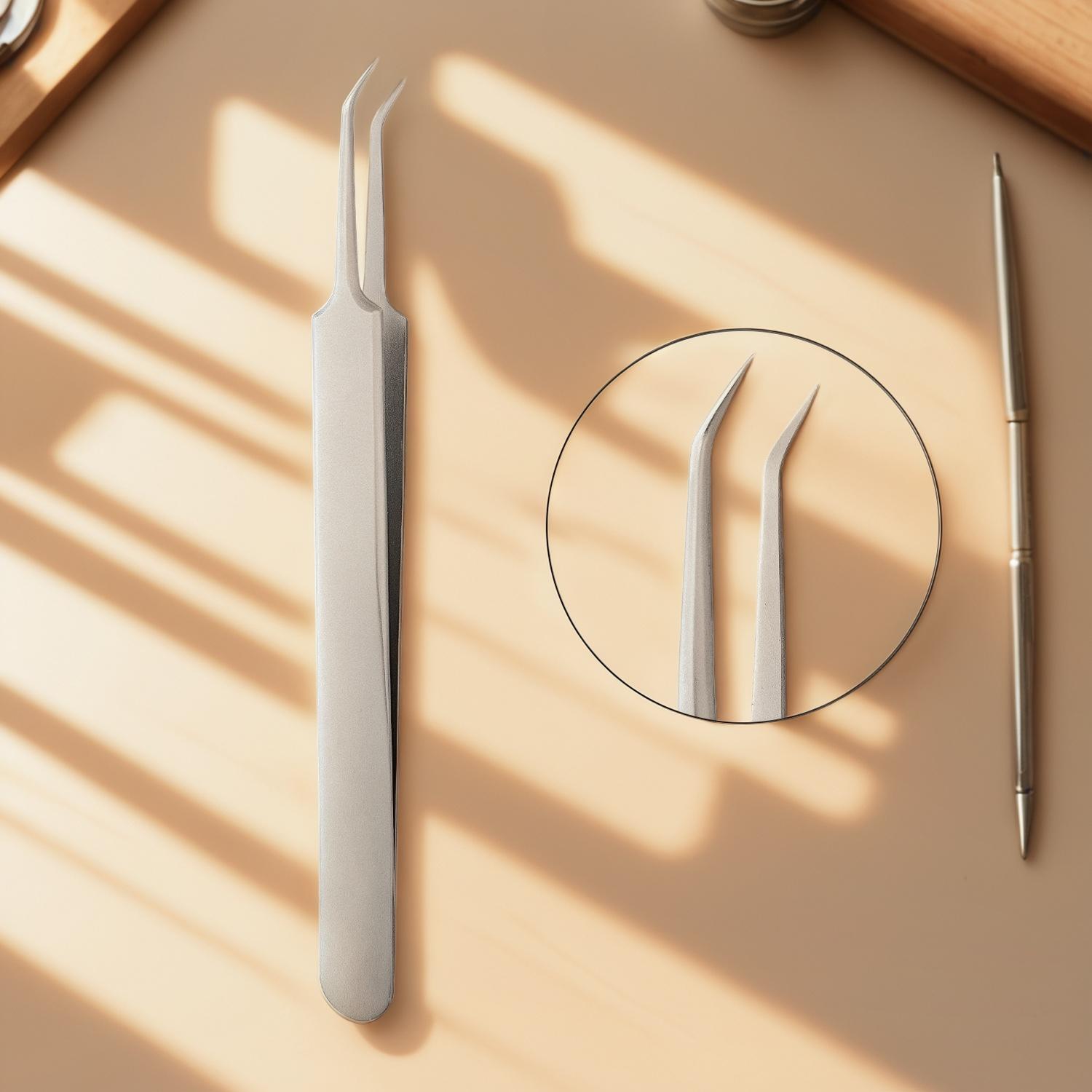
A professional beauty tools supplier should be able to discuss product performance in specific terms, not just offer a catalog. For tweezers, the most important areas are material choice, tip alignment, surface finishing, grip comfort and packaging control. Stainless steel is commonly used for beauty tools because it can offer durability and hygienic handling when properly finished and maintained. However, buyers should still review the exact sample quality instead of relying only on material descriptions.
When comparing potential partners, use a checklist that connects product features with business risk:
- Tip contact: The tweezer tips should meet evenly and close without a visible gap that affects gripping performance.
- Spring tension: The tool should not feel too loose or too stiff. Comfortable resistance matters for repeated use in salons and brow services.
- Edge smoothness: Surfaces and edges should feel finished, with no rough points that could scratch skin or damage packaging.
- Visual consistency: Shape, polish, color tone and logo placement should be consistent across samples.
- Packaging fit: The tool should sit securely in its pouch, card, box or amenity insert without rattling or scratching.
- Quality control process: The supplier should be able to explain how products are checked from production through final packing.
Olimor Beauty works with buyers who need beauty tools for different channels, from retail programs to hospitality supply. You can review broader beauty tool products to understand the types of items that may be grouped with tweezers in a sourcing plan.
Choosing the Right Tweezer Type for Each Use Case
The best wholesale tweezer is the one that fits the intended task and customer. A pointed tip may be useful for precision work, while a slanted tip is commonly selected for brow grooming. A wider or more robust design may be preferable for amenity kits where the tool must look simple, clean and easy to use. Because the supplied product details should determine the final specification, buyers should compare actual samples for the exact design under consideration.
The table below shows how to think about selection by channel without assuming one tool suits every market:
| Buyer type | Common priorities | Selection notes |
|---|---|---|
| Beauty retail brand | Attractive finish, consistent branding, consumer-friendly packaging | Review logo position, package readability, shelf presentation and sample performance. |
| Salon or brow studio | Comfort, precision, hygiene and repeat use | Test grip tension and tip alignment with the people who will use the tool daily. |
| Hotel or resort amenity buyer | Clean appearance, compact packaging, reliable basic function | Consider how the tweezer fits into a kit and whether the finish matches the property’s guest experience. |
| Private label beauty brand | Brand consistency, flexible presentation, predictable repeat orders | Prepare artwork, packaging direction and a sample approval process before production discussions. |
For hospitality and spa programs, tweezers may also be purchased alongside nail files, manicure tools or facial care accessories. Looking at complete product collections can help buyers plan a coordinated range instead of sourcing each item separately.
Private Label Planning for Tweezers and Manicure Tools
Private label manicure tools allow a business to build a cohesive product line without developing every item from the ground up. The advantage is brand control: the tool, packaging and customer presentation can be aligned with your retail, salon or hospitality concept. However, private label success depends on preparation. A supplier can provide guidance, but the buyer should arrive with clear decisions about market position, packaging style and product use.
Before discussing a private label program, prepare the following information:
- Target channel: Decide whether the product is for retail sale, salon use, spa treatment rooms, online kits or hotel amenities.
- Brand presentation: Define whether your look is minimal, clinical, luxury, colorful or value-focused.
- Packaging expectation: Consider whether you need a pouch, card, box, sleeve or kit insert, and how the tool will be protected.
- Logo use: Decide where branding should appear, such as on the tool, packaging or both, while allowing for manufacturing feasibility.
- Approval process: Set internal steps for sample review, artwork confirmation and final inspection before shipment.
Working with a manicure tools exporter in Guangdong can be useful for buyers who need manufacturing knowledge and export coordination. Still, decisions should be based on samples, communication quality and documented production requirements rather than location alone. If your team is planning a branded program, you can send an inquiry with your intended channel, tool type and packaging direction so the conversation starts with the right details.
How to Evaluate Samples Before a Wholesale Order
Sample evaluation should be structured. Many buyers look at a sample once, approve the appearance, and later discover that daily use reveals problems. A better approach is to test the tool in realistic conditions. Have several people handle it, especially the staff or customers closest to the final use case. Check whether the tweezer grips fine hairs or small items cleanly, whether the tips remain aligned after normal opening and closing, and whether the finish feels comfortable against the skin.
Do not judge only one piece if multiple samples are available. Compare them side by side for length, tip shape, polish, logo placement and packaging condition. If the tools are part of a set, make sure all items share a consistent appearance. For private label items, review artwork scale carefully; a logo that looks good on a screen may be too small, too crowded or poorly positioned on a narrow tool surface.
It is also useful to create a written approval record. Note the sample version, packaging design, finish, and any changes requested. This reduces confusion when moving from sampling to production and gives both buyer and supplier a clearer reference point.
Packaging, Storage and Maintenance Considerations
Packaging is not just decoration. It protects the tweezer tips, supports hygiene expectations and influences how the customer perceives value. A retail tweezer may need packaging that communicates the product clearly on a shelf or product page. A hotel amenity tweezer may need compact protective wrapping that fits a kit. A professional-use tweezer may benefit from simple protective storage so the tips do not become damaged between services.
Maintenance guidance can also reduce customer complaints. Stainless steel beauty tools should be kept clean and dry after use, stored in a way that protects the tips, and handled carefully to avoid drops that can affect alignment. If tools are used in professional environments, users should follow the hygiene practices required by their workplace and local regulations. Clear care instructions are especially helpful for retail and private label programs because they set expectations for end users.
Building a Long-Term Sourcing Relationship
For growing beauty businesses, a dependable supplier relationship is more valuable than a one-time purchase. Wholesale tweezers may become part of seasonal kits, private label ranges, salon back-bar supplies, hospitality amenities or promotional gifts. As your business grows, you may need related tools with the same finish, packaging language and quality level. Choosing a supplier who understands these connections can help you keep the product range coherent.
When comparing suppliers, look for clear communication, willingness to discuss practical production details, and a quality control mindset. Avoid basing the decision only on the cheapest quotation. A low price can become expensive if tools arrive with inconsistent tips, poor packaging, unclear branding or delays that affect your launch schedule.
Olimor Beauty supports buyers sourcing tweezers and related beauty tools for professional and commercial channels. If you are comparing options for retail, salon, spa or hotel use, contact Olimor with your intended application and sample requirements. A focused sourcing discussion will help you select tools that suit your market, protect your brand presentation and meet the expectations of the people who will use them.
Tag: