

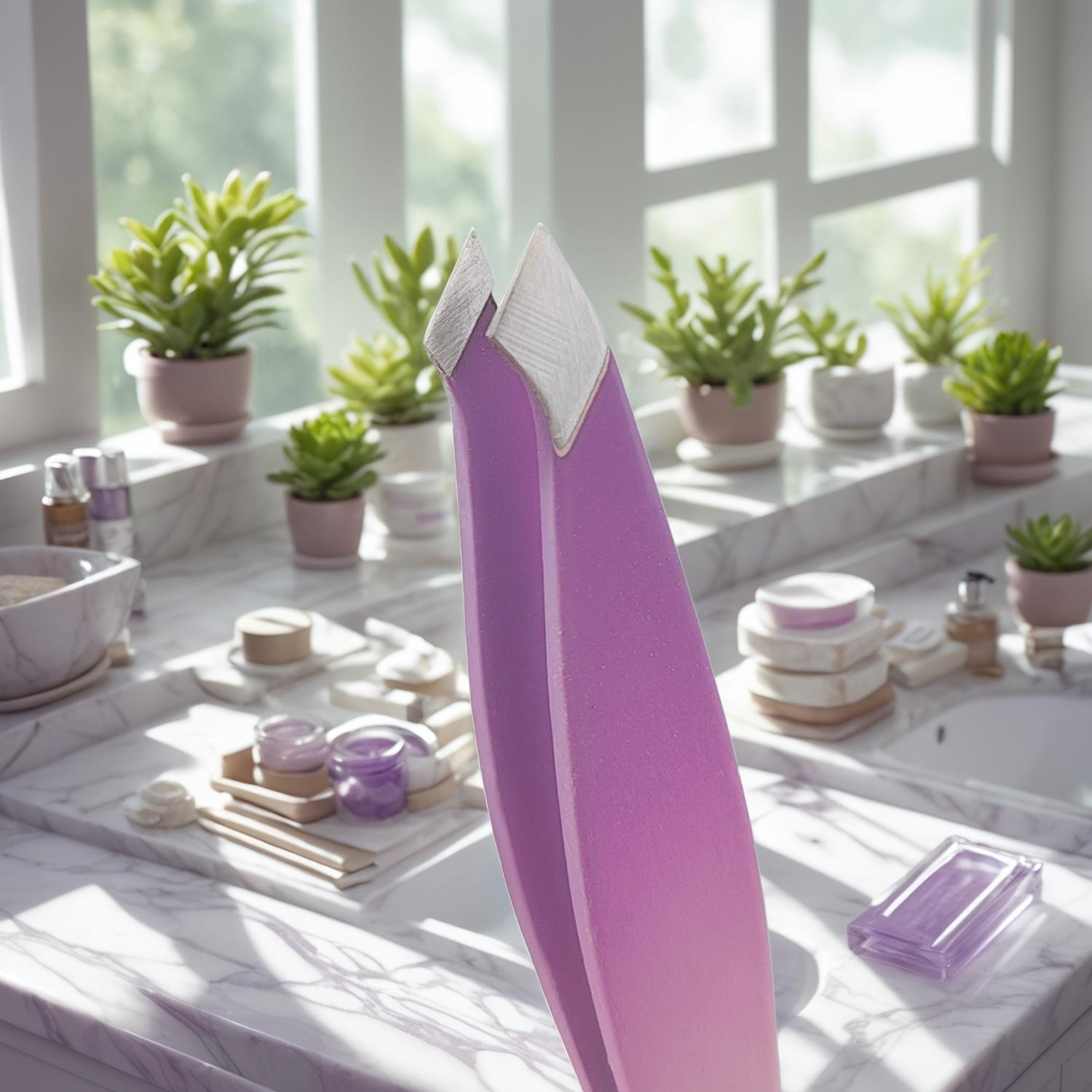
Tweezers Wholesale: How to Choose Quality, Practical and Eco-Friendly Options
Tweezers are small tools, but for beauty retailers, salons, spas and grooming brands, they carry a lot of responsibility. A poorly aligned pair can pinch skin, miss fine hairs, feel uncomfortable in the hand or create unnecessary returns. When buying tweezers wholesale, the goal is not simply to reduce unit cost. The real value comes from consistent precision, reliable finishing, appropriate packaging and a sourcing plan that fits your customers’ expectations.
Olimor Beauty supplies manicure and grooming tools for businesses that need dependable bulk options. For buyers comparing products, the most important question is not whether tweezers look similar in a catalogue. It is whether they perform consistently across a full order, support your brand positioning and meet the needs of the people who will use them every day.
This guide explains what to look for when sourcing wholesale tweezers, how to evaluate quality before placing larger orders, and how recyclable grooming tools can support a more responsible product range without sacrificing usability.
Why Wholesale Tweezers Need a Different Buying Standard
Buying one pair of tweezers for personal use is simple: you test the grip, check the tip and decide whether it feels comfortable. Buying tweezers in bulk is different because consistency becomes just as important as the individual sample. Your customers expect every unit to perform the same way, whether it is sold in a retail kit, used at a salon workstation or included in a private label manicure set.
Wholesale buyers should evaluate tweezers as part of a broader product experience. The tool may be used for eyebrow shaping, stray hair removal, nail art placement, lash application support or general grooming. Each use places different demands on the tip shape, spring tension and handle feel. If your audience includes professionals, the tweezer must remain comfortable during repeated use. If your audience is retail consumers, packaging, safety and clear use guidance also matter.
Bulk sourcing also affects inventory planning. A reliable supplier helps you reduce the risk of mixed quality, unclear specifications or tools that do not match your brand image. Before expanding an order, review how the tool fits your price level, packaging plan and sales channel. For related options, you can browse Olimor beauty tool products and compare how tweezers may fit alongside manicure implements, grooming accessories or complete sets.
Key Quality Checks Before Ordering Tweezers in Bulk
Precision is the defining feature of a good tweezer. A polished exterior may attract attention, but the real test is whether the tips meet evenly and grip fine material without slipping. For wholesale purchasing, quality checks should be practical and repeatable, so your team can compare samples and future batches using the same criteria.
- Tip alignment: The two tips should meet cleanly across the intended gripping surface. Uneven contact can reduce control and cause hair breakage instead of removal.
- Tip finish: Edges should feel smooth enough to avoid scratching skin, while still providing enough grip for precise work.
- Spring tension: The tweezer should open and close with controlled resistance. Too much stiffness causes hand fatigue; too little tension can feel unstable.
- Handle comfort: The body should allow a secure hold, especially for users performing detailed grooming or nail art placement.
- Surface consistency: Check for visible burrs, rough areas, uneven coating or marks that may affect perceived quality.
- Pair-to-pair uniformity: Test multiple pieces, not only one sample. Wholesale quality depends on consistency across the order.
- Packaging protection: Tips should be protected during storage and shipping to prevent misalignment before the product reaches the user.
For retail brands, it is useful to create an internal approval checklist with photos or reference notes. This helps your purchasing, quality and customer service teams use the same language when evaluating future shipments. Even when a supplier has quality control procedures, your own acceptance standard keeps your brand requirements clear.
Choosing the Right Tip Shape for Your Customers
Not every tweezer is suited to the same task. The best wholesale choice depends on your target users and how the product will be described. A general grooming tweezer should be easy to use for most consumers, while a professional beauty range may require more specialized tip options.
Slanted tips are popular for eyebrow grooming because they offer a balance of visibility and gripping surface. Pointed tips are better suited to very fine or detailed work, but they require more careful handling and clearer safety instructions. Flat tips can help with broader gripping tasks, though they may be less suitable for isolated fine hairs. Curved tips may be useful in certain beauty applications where visibility and angle control matter.
When selecting for a product line, avoid assuming that the sharpest-looking option is automatically the best. For consumer retail, ease of control and safety are often more important than extreme precision. For professional kits, users may appreciate more specialized tools, provided the finishing and alignment are consistent.
If your business sells multiple grooming tools, consider building a clear product hierarchy. For example, one tweezer can be positioned for everyday brow maintenance, while another may be paired with nail tools for detail work. You can review broader product collections to think about how tweezers may sit within a coordinated range rather than as a standalone item.
Private Label and Packaging Decisions That Affect Sell-Through
Private label manicure tools can help a beauty business create a more recognizable product range, but branding decisions should support usability rather than distract from it. With tweezers, small details can affect the customer’s first impression: how the tool is displayed, whether the tip is protected, how instructions are presented and whether the packaging matches the sales channel.
For online retail, packaging must photograph clearly and protect the tweezer through shipping. For salons and professional buyers, bulk practicality may matter more than decorative presentation. For giftable beauty sets, visual consistency across all tools becomes more important. Think about where the customer will first encounter the product and what information they need at that moment.
Useful packaging and branding questions include:
- Will the tweezer be sold individually, in a manicure set or as part of a grooming bundle?
- Does the packaging protect the tips from impact and misalignment?
- Is the intended use clear without exaggerated performance claims?
- Does the finish of the tweezer match the rest of the product range?
- Are care instructions included in a concise and easy-to-understand format?
- Will the barcode, label area and product name work for your retail or warehouse system?
Good private label sourcing is a balance between brand identity and product reliability. A distinctive look may help a product stand out, but repeat sales depend on how well the tweezer works after purchase.
Recyclable Grooming Tools and Responsible Bulk Sourcing
Many beauty buyers are looking for more responsible product choices, and recyclable grooming tools in bulk can be part of that direction. For tweezers, sustainability should be approached carefully and honestly. The tool should still perform well, last through regular use and be packaged in a way that avoids unnecessary waste.
When evaluating eco-friendly options, look at both the tool and the surrounding materials. A durable tweezer that customers keep and use for a long time may support waste reduction better than a low-quality tool that is quickly discarded. Packaging choices also matter. Buyers can consider reduced plastic, recyclable paper-based packaging or simpler protective formats when appropriate for the channel.
Because recycling rules differ by market, avoid relying on vague environmental wording. Instead, define what matters for your product line: recyclable components, lower packaging volume, reusable storage cases or clear disposal guidance. This helps your sales team make accurate claims and gives customers more useful information.
Olimor Beauty’s role as a manicure tools supplier and exporter from Guangdong makes it relevant for businesses comparing quality, packaging and recyclable options in one sourcing conversation. If your company has specific environmental requirements, prepare a written checklist before sampling so each option can be reviewed consistently.
How to Compare Samples Before Scaling an Order
Sampling is one of the most important stages of wholesale tweezer sourcing. A sample should not be judged only by appearance. Create a realistic test process that reflects how your customers will use the product. If you sell to salons, ask a professional to test comfort over repeated use. If you sell to consumers, check whether the grip feels intuitive for someone without training.
A simple sample evaluation table can help your team compare options objectively:
| Evaluation Area | What to Check | Why It Matters |
|---|---|---|
| Tip precision | Alignment, grip and smoothness | Determines whether the tweezer removes fine hairs cleanly |
| Hand feel | Tension, weight and control | Affects comfort during repeated grooming tasks |
| Finish | Surface quality and visible defects | Influences customer perception and return risk |
| Packaging | Protection, labeling and presentation | Supports shipping safety and retail display |
| Brand fit | Color, style and product positioning | Helps the item match your wider beauty range |
Document results with photos and notes. If several people test the same sample, compare feedback to identify patterns. One person may prefer a firmer grip, but repeated comments about slipping, rough edges or poor tip contact should be treated as warning signs.
Maintenance Guidance to Reduce Customer Complaints
Even well-made tweezers need proper care. Including clear maintenance guidance can improve the customer experience and reduce avoidable complaints. For retail packaging or online product pages, instructions should be short, practical and easy to follow.
Recommended care guidance may include storing tweezers with the tips protected, keeping them dry after cleaning, avoiding drops on hard surfaces and using the tool only for its intended grooming or beauty task. Customers should also be reminded not to force the tips against hard objects, as this can affect alignment. For professional environments, regular cleaning practices should follow the hygiene procedures used by the business.
For brands selling private label tweezers, maintenance instructions are not just an afterthought. They help set realistic expectations and show that the product has been considered beyond the point of sale.
Building a Better Wholesale Tweezer Program
A successful wholesale tweezer program starts with clear product intent. Decide whether you need an everyday grooming item, a professional precision tool, an eco-conscious retail option or a coordinated piece within a manicure set. Then compare samples using defined standards for tip alignment, comfort, finish, packaging and brand fit.
Olimor Beauty supports businesses looking for quality grooming and manicure tools, including private label possibilities and recyclable options. If you are planning a new tweezer order, expanding a beauty tool range or comparing packaging directions, you can send an inquiry with your product goals. For direct sourcing questions or project discussion, you may also contact Olimor.
By treating tweezers as precision tools rather than simple accessories, buyers can create a more reliable product line, improve customer satisfaction and make smarter decisions when ordering in bulk.
Tag: