

Tweezers Wholesale: How to Judge Craftsmanship and Suppliers
Buying tweezers wholesale is not simply a matter of comparing unit prices. For beauty retailers, lash studios, salon distributors and private label buyers, the real value of a tweezer is decided by how consistently it grips, how comfortable it feels in the hand, how well it resists corrosion and how reliably each shipment matches the approved sample. A low-cost tool that bends, slips or arrives with uneven tips can create returns, complaints and lost confidence in your brand.
Professional tweezers are small instruments, but they require careful material selection and finishing. The gap between a generic mass-produced tool and a well-made beauty instrument is visible in the details: the alignment of the tips, the smoothness of the edges, the tension of the arms, the finish of the surface and the way the tool performs after repeated cleaning. For buyers comparing beauty tool products, this guide explains what to check before placing a wholesale order and how to choose a supplier that can support long-term quality.
Start With the Intended Use, Not the Price List
Different tweezers are designed for different tasks. A brow tweezer needs firm grip on short hairs. A lash applicator needs a shape that helps position false lashes without crushing them. A fine-tip tweezer may be used for detailed work, but it also needs careful protection in packaging because delicate points are easier to damage during handling.
Before comparing quotations, define how the tool will be sold and used. A retail beauty kit, a professional salon supply order and a private label lash accessory program may all require different shapes, finishes and packaging. The clearer your use case, the easier it is to judge whether a sample is suitable.
- Brow grooming: prioritize tip closure, grip strength and comfortable tension.
- False lash application: look for a balanced shape, tapered tip and smooth edges near the eye area.
- Beauty kits: consider consistent appearance, protective packaging and a finish that matches the rest of the set.
- Retail display: review barcode space, hang holes, instruction panels and visual presentation.
- Professional use: focus on repeatable performance, hygiene-friendly material and durability after cleaning.
Material and Craftsmanship: The Foundation of Quality
Material is one of the first indicators of whether a tweezer can perform reliably. The original product focus highlights high-quality stainless steel, and this remains a practical choice for professional beauty tools because it supports durability, hygiene and resistance to rust when properly manufactured and maintained. However, stainless steel alone does not guarantee a good tweezer. Craftsmanship determines whether that material becomes a precise instrument or just a metal accessory.
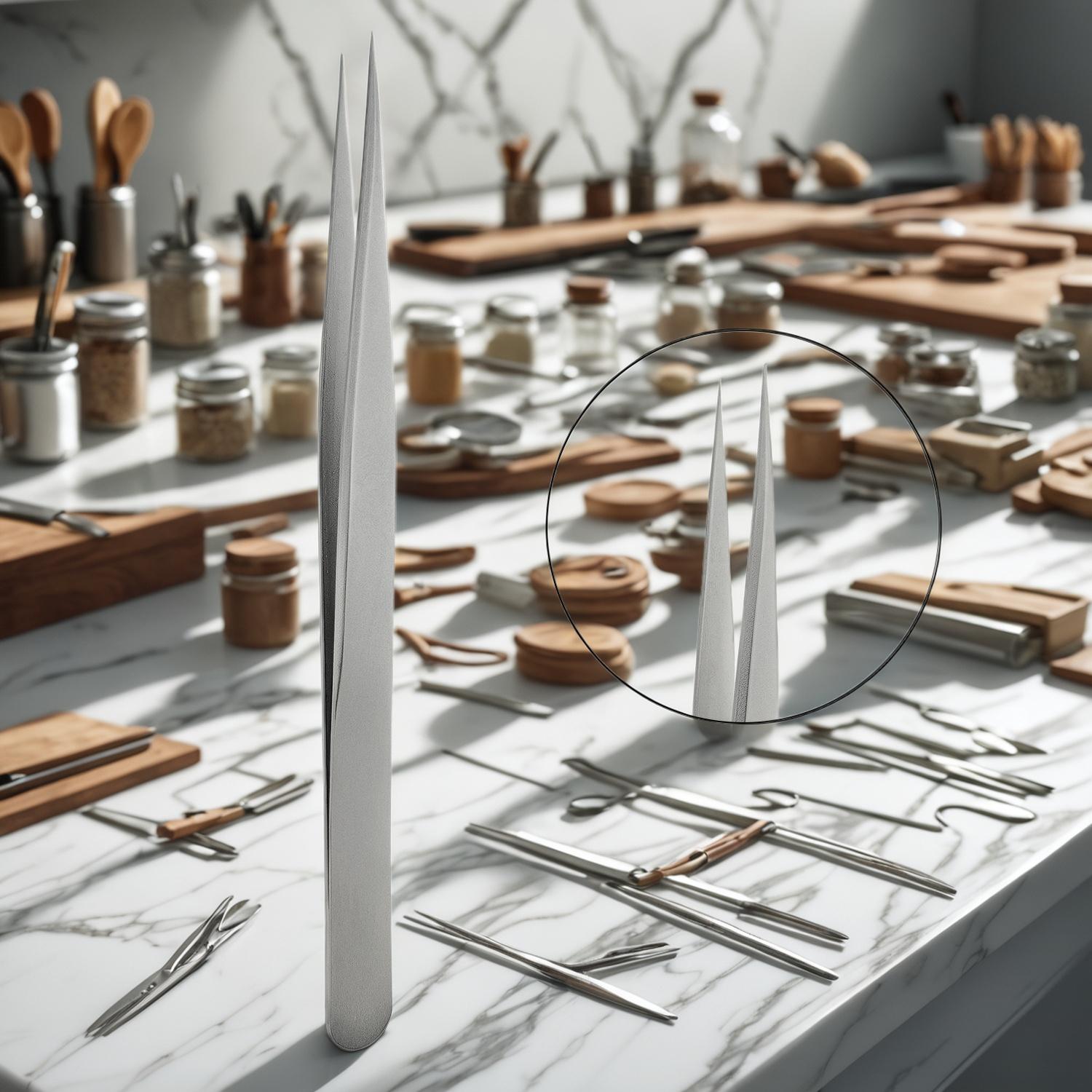
When reviewing samples, inspect the surface under strong light. The arms should be straight, the finish should be even and there should be no sharp burrs along the holding area. The tips should meet cleanly without crossing, twisting or leaving an uneven gap. If a tweezer grips only at one corner of the tip, it may pull unevenly or fail to hold fine hair and lash strips.
Good craftsmanship also affects sanitation. Rough surfaces and unfinished edges can trap residue, making the tool harder to clean. For beauty businesses, this matters because customers associate the feel and cleanliness of the tool with the overall quality of the brand. A smooth, well-finished stainless steel tweezer communicates care before the user even tests its grip.
Tip Alignment and Tension Are the Real Performance Test
The most important part of a tweezer is where the tips meet. In wholesale purchasing, buyers often examine the overall look but forget to test the closing action. A beautiful finish cannot compensate for misaligned tips. The tweezer should close evenly with controlled pressure, and it should reopen smoothly without feeling weak or overly stiff.
For brow tweezers, test the tips on fine fibers or short hair-like material. For a False Lash Applicator Tweezer, place a lash strip and check whether the tool can hold it securely without creasing or damaging the band. The tool should provide control while keeping the user’s hand relaxed.
| Quality point | What to check | Why it matters |
|---|---|---|
| Tip closure | Tips meet evenly across the contact area | Improves grip and reduces slipping |
| Arm tension | Pressure feels controlled, not loose or harsh | Reduces fatigue during repeated use |
| Edge finish | No burrs, rough corners or sharp non-working edges | Improves comfort and perceived quality |
| Surface finish | Consistent polish, coating or texture | Supports retail appearance and cleanability |
| Packaging protection | Tips are covered or secured during transport | Prevents damage before the product reaches customers |
Ergonomics Matter for Professionals and Retail Customers
Ergonomics is not only about comfort; it is also about accuracy. A tweezer that is too heavy, too slippery or too stiff can make detailed work difficult. A lightweight and balanced construction can help users maintain control, especially for lash application or repeated salon tasks. The original product angle mentions an ergonomically designed False Lash Applicator Tweezer with a tapered tip, which is a useful example of design serving a specific beauty function.
When evaluating ergonomics, hold the tweezer as a user would. The grip area should feel stable, and the pressure needed to close the arms should not strain the fingers. For tools used near the eye area, smooth finishing is especially important. Even if the working tip is precise, the surrounding edges should not feel aggressive or poorly polished.
Retail buyers should also consider the skill level of the end user. A professional lash artist may prefer a highly specific tip shape, while a consumer buying a beauty accessory may need a more forgiving design. Matching the tool to the target audience helps reduce dissatisfaction and makes product descriptions more accurate.
Wholesale Inspection Checklist Before You Approve a Sample
A reliable approval process protects both buyer and supplier. Instead of judging one sample by appearance alone, create a checklist that can be repeated for future shipments. This is especially important for private label programs, where the product carries your name and must remain consistent over time.
- Confirm the intended function. Decide whether the tweezer is for brows, lashes, general grooming or a kit component.
- Inspect material and finish. Look for clean stainless steel construction, consistent surface treatment and no visible corrosion.
- Test tip alignment. Close the tweezer slowly and check whether the tips meet evenly without twisting.
- Check grip performance. Test on fine fibers, lash strips or the material closest to the real application.
- Evaluate hand comfort. Hold and close the tweezer repeatedly to judge tension and balance.
- Review cleaning practicality. Avoid rough seams, burrs or decorative areas that may trap residue unnecessarily.
- Assess packaging. Make sure the tips are protected and the retail presentation fits your sales channel.
- Document the approved sample. Keep reference photos and written notes for future production comparisons.
Packaging and Private Label Decisions
For wholesale tweezers, packaging is more than decoration. It protects the working tips, explains the product and supports the customer’s first impression. A precise tweezer can be damaged if it is allowed to move freely in a box or bag during shipping. Tip guards, inserts or secure cards can help preserve alignment until the product is opened.
Private label manicure tools and beauty accessories should also be reviewed as a complete retail item. Consider whether the packaging has enough space for usage notes, care instructions, country-of-origin marking where required and scannable retail information. Avoid overpromising in packaging copy. If a product is designed for lash placement, describe that use clearly. If it is better for brow grooming, make that the focus.
Buyers developing a broader assortment can compare related product collections to keep finishes, packaging sizes and display styles consistent. A cohesive presentation helps retailers organize shelf space and helps consumers understand the difference between tool types.
Choosing a Supplier for Long-Term Consistency
The supplier decision is where many wholesale programs succeed or fail. A general wholesaler may offer a wide inventory, but a specialized beauty tools supplier is more likely to understand tip precision, surface finishing and the inspection points that matter for tweezers. The supplied product context identifies Olimor Beauty as a professional beauty tools supplier and refers to manicure tools export experience in Guangdong. For buyers, that specialization can be useful when discussing quality expectations, packaging options and repeat orders.
Look for a supplier process that supports sample confirmation, clear product specifications and practical quality checks. This does not require exaggerated claims; it requires transparent communication and stable execution. Share your target use, sales channel and packaging requirements early so the supplier can recommend suitable options rather than simply quoting the cheapest available item.
If you are comparing wholesale tweezers for retail, salon distribution or private label, prepare a short requirement sheet before you send an inquiry. Include the tweezer type, desired finish, packaging style, target market and any labeling needs. For questions about available options or product development direction, you can also contact Olimor with your project details.
Care Guidance That Helps Reduce Complaints
Even a well-made tweezer needs proper care. Providing simple care instructions can reduce avoidable complaints and extend the useful life of the tool. Customers should keep tweezers dry after cleaning, store them with the tips protected and avoid dropping them onto hard surfaces. Fine tips can lose alignment from impact, even when the material itself is durable.
For retail packaging or online product pages, include concise care language. Explain that the tweezer should be cleaned after use, dried before storage and kept away from harsh conditions that may affect the finish. This kind of practical information builds trust because it helps customers understand how to maintain performance instead of assuming the tool will stay perfect under any handling.
Build Your Wholesale Order Around Repeatable Quality
The best wholesale tweezer choice is the one that performs consistently for the intended user and can be supplied with stable quality over time. Stainless steel construction, clean craftsmanship, accurate tip alignment, comfortable tension and protective packaging all contribute to the final customer experience. Price remains important, but it should be evaluated alongside durability, inspection standards and brand fit.
For businesses selling beauty tools, tweezers are often a small product with a large influence on customer perception. A precise, comfortable tool suggests that the brand pays attention to details. By testing samples carefully and working with a supplier that understands beauty tool craftsmanship, you can stock tweezers that support repeat purchases, positive reviews and stronger retail presentation.
Tag: