

Tweezers Wholesale: How Beauty Brands Should Choose Professional Tools
Wholesale tweezers may look simple at first glance, but for beauty businesses they are precision tools that affect service quality, customer satisfaction, and brand trust. A lash technician needs a tweezer that can isolate fine hairs without slipping. A brow professional needs clean tip alignment for controlled plucking. A retail beauty brand needs a tool that looks consistent across every unit and holds up under repeated use. For distributors and private label buyers, these details determine whether a tweezer becomes a reliable product or a frequent complaint.
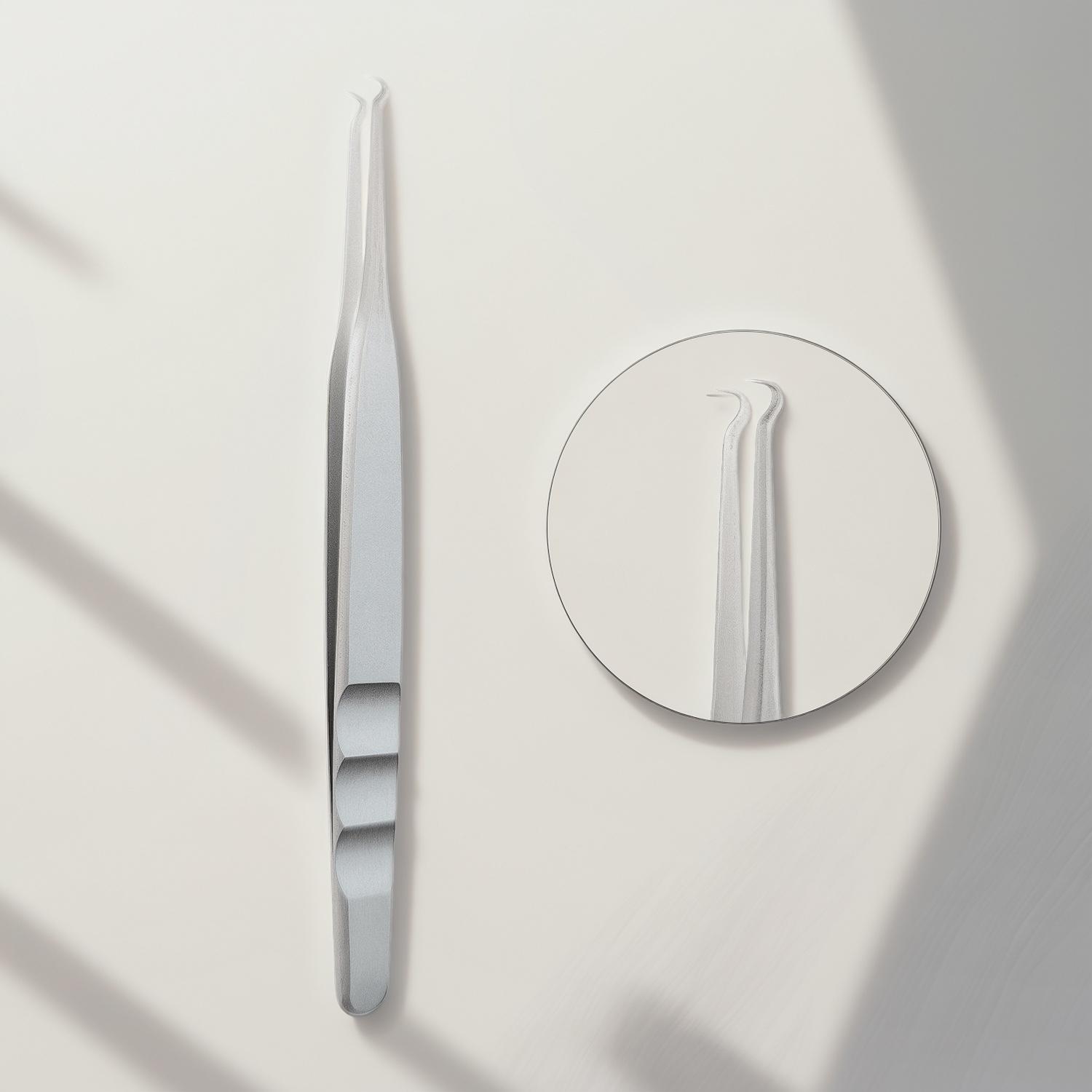
The current beauty tools market is moving away from generic, disposable accessories and toward durable, ergonomic, salon-quality implements. This is especially true for tweezers wholesale programs, where buyers need products that can be stocked in larger quantities without losing consistency. Olimor Beauty works with beauty tool buyers who need dependable stainless steel tools, including the False Lash Tweezer described for its ergonomic design and precision-curved tip. The right sourcing decision starts with understanding how tweezers are used, what quality indicators matter, and how to evaluate a supplier beyond a product photo.
Why Wholesale Tweezers Require More Than a Low Unit Cost
When buying tweezers in bulk, price is only one part of the decision. A low-cost tool that bends easily, loses tip alignment, or feels uncomfortable during detailed work can create higher costs through returns, service delays, and brand damage. Professional and retail buyers should look at the complete value of the tool: material durability, grip control, finishing, packaging suitability, and repeat-order consistency.
For lash, brow, nail, and grooming businesses, tweezers also play different roles. A lash tweezer is often used for delicate isolation, placement, or handling of false lashes. A brow tweezer may need a firmer grip and finely matched tips. A multipurpose grooming tweezer should feel stable in the hand and resist corrosion from routine cleaning. The more specific the application, the more important it becomes to match the tweezer shape and finish to the intended user.
Before comparing suppliers, define the buyer profile. Are the tweezers for professional salons, makeup artists, lash studios, e-commerce beauty kits, or entry-level retail customers? A salon user may care most about long-session comfort and accuracy, while a retail customer may also judge the product by surface finish and packaging presentation. Clear positioning helps avoid choosing a generic tool for a specialized market.
Key Quality Details to Check Before Placing a Bulk Order
Good tweezers are judged by precision. Even small inconsistencies in tip shape or tension can make a tool frustrating to use. When reviewing samples or supplier specifications, focus on practical performance rather than broad claims.
- Tip alignment: The two sides should meet cleanly and evenly. Poor alignment reduces grip and makes fine hair or lash work difficult.
- Tip shape: Curved, slanted, pointed, and flat tips serve different use cases. The False Lash Tweezer angle, for example, is relevant for controlled lash handling.
- Material: Stainless steel is valued in beauty tools for durability, clean appearance, and recyclability. It is also suitable for repeated handling in professional settings.
- Tension: Tweezers should open and close smoothly. Excessive stiffness causes hand fatigue; weak tension can reduce control.
- Surface finish: Edges should feel smooth, not sharp against the fingers. The finish should support both appearance and practical cleaning.
- Ergonomics: For lash artists and brow technicians, comfort matters because the tool may be held for long sessions.
- Packaging consistency: For retail or private label sales, the tool and packaging must present a stable brand image across the full order.
A dependable professional beauty tools supplier should be able to support a structured evaluation process. Buyers can compare multiple samples, test grip with real-use materials, and inspect consistency from piece to piece. The goal is not only to approve one perfect sample, but to confirm that the supplier can maintain the same quality during production.
Choosing the Right Tweezer Type for Your Market
Wholesale buyers often start by asking for a popular tweezer design, but the better question is: what task will the end user perform most often? A tool that is excellent for lash placement may not be ideal for brow shaping, and a general grooming tweezer may not satisfy a professional lash technician. Selecting by use case helps reduce returns and improves customer reviews.
| Buyer or User | Practical Need | Selection Focus |
|---|---|---|
| Lash studios | Handling and positioning false lashes | Curved or angled tip, steady tension, ergonomic grip |
| Brow professionals | Accurate hair removal and shaping | Precise tip meeting, firm grip, comfortable control |
| Retail beauty brands | Everyday grooming and giftable presentation | Durable stainless steel, attractive finish, consistent packaging |
| Distributors | Reliable reorder supply across customer types | Stable quality control, clear product classification, flexible assortment planning |
The False Lash Tweezer is a useful example of a tool designed around a specific beauty task. Its stainless steel construction, ergonomic form, and precision-curved tip make it relevant for lash-focused applications where careful control matters. If your product range includes lash tools, brow tools, and general grooming accessories, separate the category by function instead of grouping every tweezer under one vague listing.
For buyers building a broader line, Olimor offers access to beauty tool products that can help structure a more complete assortment. Reviewing related tools together can also improve packaging themes, retail bundle planning, and product positioning.
Private Label Considerations for Beauty Tool Brands
Private label manicure tools and grooming tools allow businesses to develop a recognizable product identity without building a factory of their own. For tweezers, private label planning should begin with the end customer experience. The tool should fit the brand’s visual style, but it must also perform reliably. A beautifully packaged tweezer with weak alignment will not create repeat purchases.
When preparing a private label tweezer project, buyers should organize requirements in a clear brief. Include the intended use, preferred tweezer shape, surface finish direction, packaging goals, target market, and any compliance or documentation needs for the selling region. If exact specifications are not yet finalized, create a comparison sheet from sample testing rather than relying only on catalog descriptions.
Useful private label questions include:
- Which tweezer type best matches the main customer: lash, brow, or general grooming?
- Should the product be sold alone, in a set, or as part of a larger beauty kit?
- What finish and packaging style fit the brand position without making the product difficult to maintain?
- How will the tool be cleaned, stored, and explained to the end user?
- What quality points must be inspected before shipment, such as tip alignment, tension, surface finish, and packaging appearance?
Clear answers help the supplier understand the project and reduce avoidable revisions. Buyers can also review Olimor product collections to think through assortment direction before finalizing a private label plan.
Sourcing from a Professional Beauty Tools Supplier
Guangdong is widely recognized as an important manufacturing and export region for beauty tools, including manicure and grooming implements. For buyers comparing suppliers, location can matter, but it should not be the only deciding factor. The more important question is whether the supplier has a disciplined approach to tool quality, production consistency, and communication.
Olimor Beauty emphasizes quality control from raw material inspection through final packaging. For tweezers wholesale buyers, that kind of process is important because bulk orders must be consistent, not just acceptable in a single sample. Stainless steel durability also supports longer product life and recyclability, which is increasingly relevant as beauty brands move away from throwaway accessories.
A practical supplier review should include sample testing, visual inspection, packaging review, and reorder planning. Buyers should compare how the supplier handles details: Are product descriptions clear? Are the tool functions explained accurately? Is the packaging suitable for the intended channel? Are quality expectations documented before production? These steps help prevent misunderstandings and support smoother long-term cooperation.
Maintenance Guidance That Improves Customer Satisfaction
Even a well-made tweezer performs better when users understand basic care. For professional buyers, adding simple maintenance instructions to packaging or training materials can reduce misuse and extend product life. Stainless steel tools are durable, but they should still be cleaned, dried, and stored properly.
Recommended user guidance can include wiping the tweezer after use, drying it before storage, avoiding unnecessary drops that may damage tip alignment, and using a protective sleeve or case when practical. Lash and brow professionals should also follow the hygiene procedures required by their workplace or local regulations. For retail brands, short care instructions can make the product feel more professional and reduce avoidable complaints about dullness, bending, or misalignment caused by poor storage.
Build a Wholesale Tweezer Program with Clear Standards
A strong tweezers wholesale program is built on specific standards: the right tweezer type for the market, stainless steel durability, accurate tip performance, ergonomic handling, consistent packaging, and a supplier process that supports repeat orders. Instead of treating tweezers as a basic accessory, professional buyers should evaluate them as working tools that represent the quality of the brand.
Olimor Beauty supports beauty businesses looking for reliable professional tools, including stainless steel tweezers and lash-focused options such as the False Lash Tweezer. Whether you are expanding a salon supply range, developing private label grooming tools, or comparing wholesale beauty tool suppliers, a structured sourcing checklist will lead to better results than choosing by appearance alone.
To discuss suitable tweezers, packaging direction, or broader beauty tool sourcing, you can contact Olimor or send an inquiry with your intended market, product type, and project requirements.
Tag: