

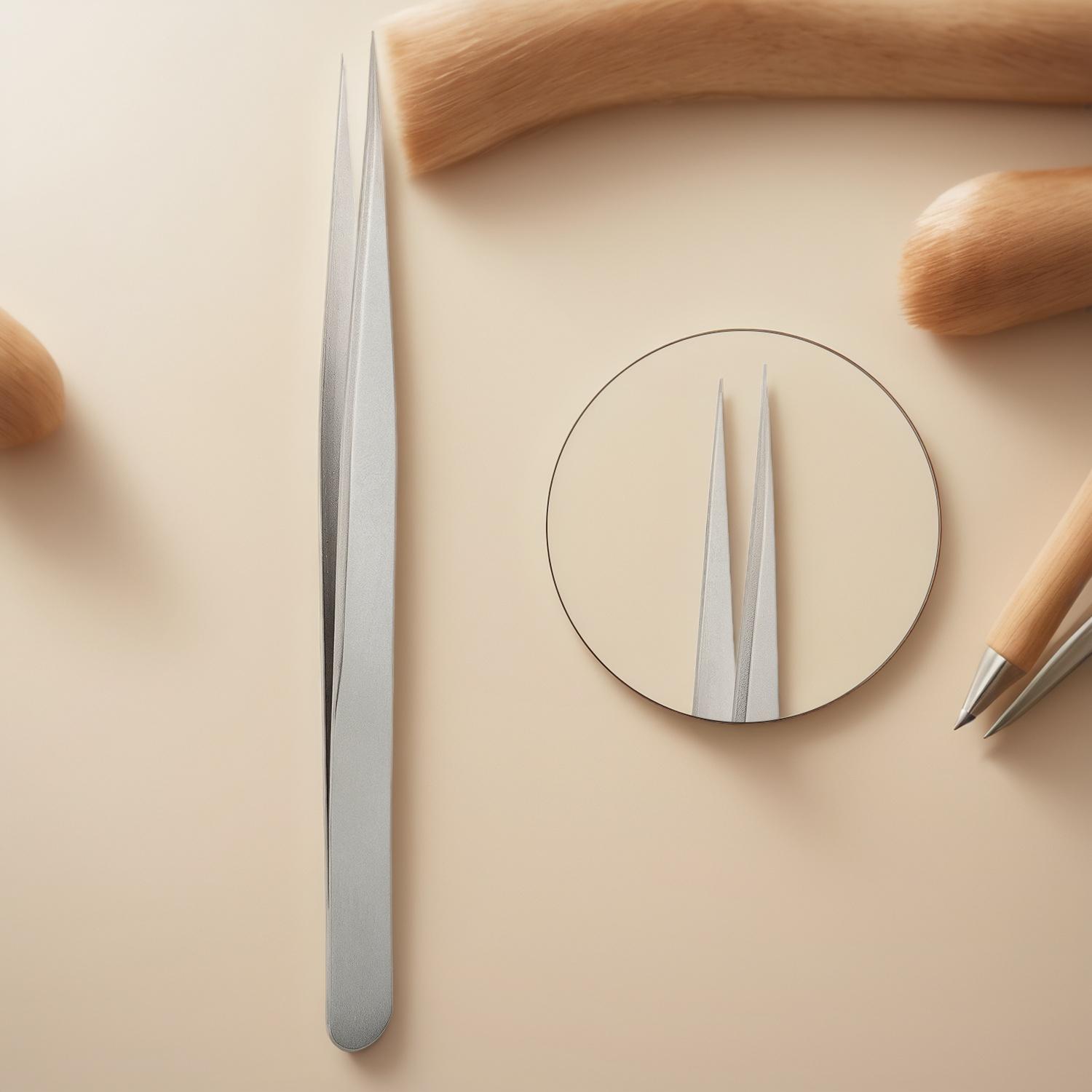
Wholesale Tweezers for Eco-Conscious Beauty Buyers
Buying tweezers wholesale is less about choosing a small metal tool and more about selecting a dependable beauty instrument that fits a specific customer, channel and use case. For retailers, salons, lash technicians, manicure suppliers, hotel amenity buyers and private label teams, the difference between a good tweezer and a poor one shows up in the hand: tip alignment, closing tension, surface finish and overall control.
Olimor Beauty focuses on practical professional beauty tools designed for daily use. In the tweezer category, that means attention to stainless steel selection, tip alignment, finishing, hand feel and inspection before delivery. If you are comparing options for brow grooming, false-lash application, manicure support, travel kits or gift sets, this guide gives a clear sourcing framework without unnecessary filler.
Why wholesale tweezer quality matters
Tweezers are small, but they are high-contact tools. Customers notice quickly when the tips do not meet evenly, the surface feels rough, or the spring tension is too stiff for controlled work. In retail, that can lead to returns or negative reviews. In a salon, it can slow service. In an amenity kit, it can make the product feel less considered than the rest of the assortment.
Good wholesale purchasing starts with function. Ask simple questions: does the tweezer close evenly, does it grip fine material consistently, does the body hold its shape under normal pressure, and does it feel comfortable after repeated use? Those answers matter more than decoration alone. For beauty tasks such as false-lash placement, accuracy and light control are more important than force.
Olimor’s false-lash-focused tweezer designs, including the False-Lash Tweezer and Luxe False Lash Tweezer, reflect that idea: the working tip is central to the user experience. That same principle applies across brow, grooming and manicure assortments.
Choose the right tweezer type for the intended market
Not every buyer needs the same tip shape. A professional lash artist, a brow grooming retailer and a hotel amenity buyer may all want tweezers, but their end users expect different things. The best wholesale choice is the one that matches the task clearly.
| Tweezer type | Typical use | Wholesale buyer focus |
|---|---|---|
| Slant tip | Eyebrow shaping and general grooming | Versatile choice; check that the angled edges close evenly and grip fine hair without cutting it. |
| Point tip | Detailed work, splinter removal, very precise handling | Requires careful packaging and clear use labeling; best for experienced users or targeted kits. |
| Flat tip | Broader gripping tasks and general cosmetic handling | Less specialized, but useful where steady holding matters more than ultra-fine precision. |
| Curved or specialty tip | Lash handling, nail art or other targeted beauty tasks | Good for focused assortments; confirm the intended application before bulk ordering. |
| LED illuminated tweezer | Fine-detail work in low-light or travel settings | Useful in convenience-led lines; packaging and instructions should make the feature easy to understand. |
For many buyers, a focused assortment works better than a crowded one. One everyday slant tweezer, one precision point tweezer and one specialty or feature-led option may cover more demand than several nearly identical styles.
If you are building a larger beauty tool program, it helps to compare tweezers alongside the rest of your assortment on Olimor beauty tools or within a broader coordinated collection.
Material, finish and ergonomics: what to check
Stainless steel is the core material called out across Olimor’s tweezer range. For buyers, that matters because stainless steel is commonly chosen for durability, surface stability and regular handling. It also supports a more eco-conscious conversation when the product is designed for repeated use rather than short-lived replacement.
Still, material alone does not make a strong tweezer. The finished tool should also be evaluated for alignment, edge smoothness, spring tension and hand feel. A buyer looking at samples should test the tool as the customer would: hold it in a natural working position, open and close it repeatedly, and judge whether it stays comfortable and controlled.
Practical quality points to review
- Tip stability: the tips should meet where intended and remain aligned under normal use.
- Corrosion resistance: the finish should keep a clean appearance in normal beauty-use conditions.
- Edge smoothness: contact areas should feel refined, without burrs or rough corners.
- Spring tension: the tool should not feel too stiff or too loose for repeated grooming work.
- Grip comfort: the body should support control without twisting or slipping in the fingers.
- Cleanability: simple surfaces are easier for users to wipe and maintain.
These points are especially important for professional buyers. A lash technician may care most about tip precision. A brow retailer may care about ease of use for non-professional customers. A hotel amenity program may prioritize neat presentation and basic reliability. The right tweezer is the one that fits the channel, not just the spec sheet.
How to inspect samples before a wholesale order
A sample review should be structured and repeatable. Do not rely on one attractive unit. Compare several pieces from the same sample set and look for consistency.
| Inspection checkpoint | What to look for | Why it matters |
|---|---|---|
| Tip meeting point | Both tips close evenly and make contact where intended | Uneven tips reduce grip and frustrate users |
| Closing tension | The tool opens and closes with controlled resistance | Too much tension causes fatigue; too little feels imprecise |
| Grip test | Fine hair, thread or a similar thin material can be held securely | Confirms real working performance, not just appearance |
| Surface finish | No scratches, burrs, residue or uneven coating | Supports perceived quality and safe handling |
| Packaging protection | Tips arrive protected from damage | Important for precision and pointed styles |
| Batch consistency | Multiple units behave similarly | Wholesale success depends on repeatable production |
When the product is intended for retail shelves, the outer presentation matters too. Under store lighting, every small flaw becomes visible. For online sales, the item must match product photos and descriptions closely to avoid dissatisfaction after delivery.
Eco-conscious sourcing without vague claims
For eco-conscious beauty buyers, the strongest sustainability argument for tweezers is practical durability. A reusable stainless steel tool that performs well over time creates less waste than a weaker product that needs frequent replacement. That does not mean the tool is automatically “green”; it means longevity, appropriate packaging and thoughtful assortment planning all support a more responsible purchase.
When evaluating a wholesale program, look at the full package, not just the metal body. Ask whether the packaging protects the tips, whether it uses unnecessary plastic, whether paper-based components can be simplified, and whether the product information is clear enough to prevent misuse or returns. A compact, well-designed pack can be better for shipment efficiency and storage as well as presentation.
Eco-conscious decisions also include choosing the right product for the right use. A precise false-lash tweezer sold to the right audience may stay in use longer than a general tool that frustrates the customer and gets replaced quickly. In that sense, sustainability and performance are connected.
Customization and private label considerations
Tweezers work well in private label programs because they are familiar, easy to merchandise and useful across several customer groups. Olimor Beauty supports customization for beauty tools, which can help buyers align a tweezer line with a retail brand, salon assortment or gift set concept.
Useful customization choices may include product color, finish, packaging direction, kit composition and the way the item is positioned in the assortment. The key is to support the buying reason, not just decorate the tool. A private label tweezer should clearly communicate why a customer should choose it.
- Professional brow care: emphasize alignment, grip and a clean, salon-style presentation.
- Travel grooming: focus on compact storage and convenient everyday use.
- Detail work: position point or LED styles for visibility and precision.
- Eco-conscious retail: combine durable construction with simpler packaging choices.
- Beauty gift sets: coordinate the tweezer with manicure or personal care tools.
If you are preparing a project brief, you can send a sourcing inquiry or speak with Olimor’s team about assortment planning and packaging direction.
How to evaluate a supplier
Supplier evaluation should be practical. A good tweezers supplier should be able to explain the material used, the inspection points covered before packing, the packaging options available and the customization scope for your market. Buyers should also ask how quality is controlled across batches, not just how one sample was made.
It can also help to ask whether the supplier’s quality-management process follows an internal system consistent with widely recognized references such as ISO 9001. Buyers should verify the applicable version and request the actual supplier documents rather than assuming compliance from product photos or marketing language. If your market has specific retailer or import documentation requirements, confirm those separately as well.
In a supplier conversation, a concise checklist is often enough:
- What stainless steel or other material is used for the tweezer body and tips?
- How are tip alignment and closing tension inspected before shipment?
- What packaging choices are available for retail, salon or amenity use?
- Can the product be adapted for private label or themed sets?
- What sample and production review steps are available before a bulk order?
For buyers comparing several beauty tool categories at once, the full product range can help determine whether tweezers should sit in a standalone assortment or inside a broader grooming line.
Buying patterns by channel
Different channels call for different emphasis. Beauty retailers often want a clear hero SKU with easy-to-understand benefits. Lash technicians may need precision and control above all else. Hotel amenity buyers usually value compactness, neat presentation and dependable basic function. Private label teams need a product story that fits the brand without overcomplicating the assortment.
- Retail: prioritize visible quality, simple positioning and packaging that looks consistent on shelf.
- Salon and brow studio: prioritize precise closing action, comfortable tension and repeatable performance.
- Hotel amenity: prioritize practicality, compact packaging and a clean, guest-friendly look.
- Private label: prioritize brand fit, packaging coordination and stable product quality across batches.
Whatever the channel, the best wholesale choice is usually the one that balances function, presentation and long-term customer trust.
Practical takeaway
Wholesale tweezers are not interchangeable commodities. The right choice depends on tip shape, material quality, finishing, ergonomics, packaging and the end-user task. Buyers who define the use case first can make better decisions about value, sustainability and private label potential.
Olimor Beauty’s tweezer category is built around that practical approach: stainless steel construction, attention to alignment and finishing, and quality control before delivery. If you are developing a retail line, salon kit or eco-conscious beauty assortment, that is the standard to evaluate.
For the next step, review the catalog, compare a few sample styles and request the documentation you need before placing a bulk order.
FAQ
Can I request samples before a wholesale order?
Yes. Sample review is the best way to check tip alignment, tension, finish and packaging fit before confirming a larger order.
What should I ask about minimum order quantity?
Ask the supplier for the current MOQ for the specific tweezer style, customization level and packaging format you want.
Can tweezers be customized for private label use?
Customization is often possible for product presentation, packaging and assortment planning. Confirm the exact options with the supplier.
How do I check quality before buying in bulk?
Review multiple samples, test closing tension, inspect tip meeting points, and compare surface finish and packaging protection across pieces.
What about lead time?
Lead time depends on the order details, sample approval and customization needs. Ask for the current production schedule before finalizing your purchase.
Tag: