

Tweezers Wholesale: How to Source Reliable Beauty Tools for Your Brand
Choosing tweezers wholesale is not only a price decision. For beauty retailers, salon suppliers, lash brands, hotel amenity buyers, and private label manicure tool programs, tweezers are small products with a large impact on customer trust. A tweezer that feels balanced, grips cleanly, and keeps its tip alignment after repeated use can support repeat purchases. A poorly finished tool can create complaints quickly, even when the packaging looks attractive.
Olimor Beauty supplies professional beauty tools for buyers who need practical sourcing support, consistent presentation, and products suitable for retail or service environments. Whether you are building a compact brow kit, adding false lash tweezers to a cosmetics line, or comparing manicure tools for export projects, the goal is the same: select tools that match the end user, the selling channel, and the quality expectation of your brand.
Start with the User: Retail, Salon, Lash, or Hospitality
The right wholesale tweezer depends on where it will be used. A beauty retail customer may want an attractive tool for eyebrow grooming at home. A salon professional may prioritize control, spring tension, and repeatable grip. A lash technician needs tip precision and comfortable handling for detailed work. A luxury hospitality program may need a compact, well-finished beauty tool that supports the guest experience without feeling disposable.
Before comparing samples, define the buying context clearly. This helps avoid ordering a general tweezer when a more specialized tip shape would perform better. It also helps the supplier recommend suitable packaging, finish, and assortment options. Buyers reviewing broader beauty tool products should consider whether tweezers will be sold individually, placed inside a kit, or paired with nail care and brow care accessories.
Common Tweezer Types and Best-Fit Uses
Tip shape is one of the most important selection criteria for tweezers wholesale. Even small differences in angle, width, and contact surface can change how the tool performs. The table below outlines common options and the type of buyer most likely to use them.
| Tweezer type | Typical use | What to check in samples |
|---|---|---|
| Slant tip tweezers | Eyebrow shaping and general grooming | Even tip closure, comfortable grip, clean edge finishing |
| Point tip tweezers | Precision work and fine hair removal | Sharpness control, safety of protective cap, accurate alignment |
| Flat tip tweezers | Gripping broader surfaces or applying small beauty accessories | Flat contact area, smooth inside surface, stable tension |
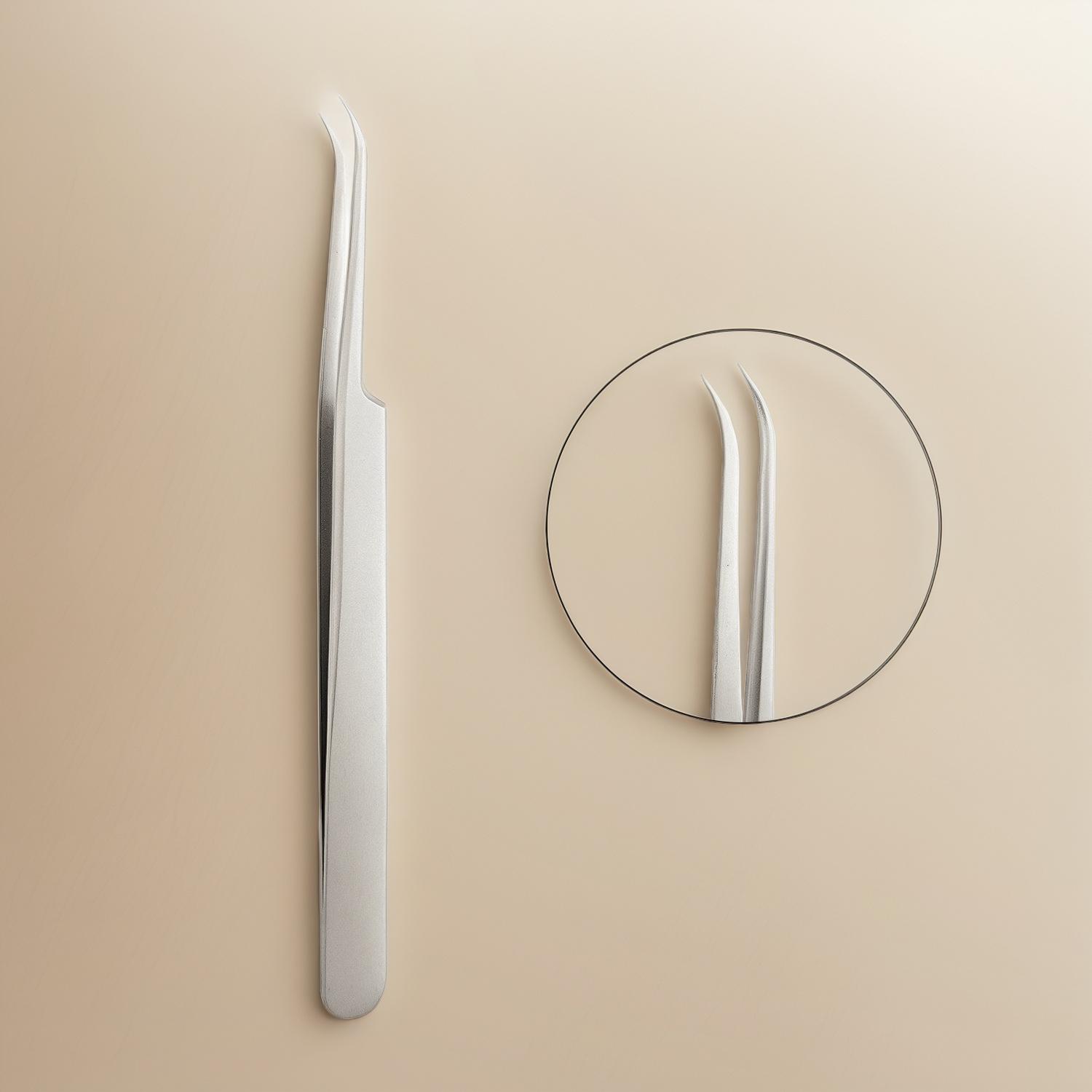
| Curved or angled lash tweezers | False lash application and detailed lash handling | Tip symmetry, grip strength at the end point, hand comfort |
| Set or kit tweezers | Retail gift sets, manicure sets, travel kits, amenities | Consistent finish across pieces, packaging fit, accessory compatibility |
If your audience includes professional lash users, do not rely only on appearance. False lash tweezers must close smoothly at the contact point and should feel stable in the hand. For brow-focused retail lines, a slant tip tweezer is often a practical core item because it serves a wide range of grooming needs.
Material, Finish, and Ergonomics Matter More Than Decoration
The original buyer appeal of tweezers often comes from finish and packaging, but long-term satisfaction depends on construction. Olimor Beauty focuses on stainless steel beauty tools and ergonomic designs for professional and consumer applications. For wholesale buyers, stainless steel is valued because it can support durability, clean finishing, and a polished presentation suitable for beauty categories.
When comparing samples, look beyond color. A coated or polished tweezer should not have rough edges, visible burrs, or uneven surface treatment. The arms should have balanced resistance: too stiff can tire the hand, while too loose may not grip reliably. Tip alignment should be checked under good light from multiple angles. A tweezer can look straight from the side but fail to meet evenly at the end point.
Ergonomics are also important for private label manicure tools and lash tools. If the handle is too narrow or slippery, the user may need extra pressure. If the tweezer is too heavy for its size, it can feel awkward during detail work. Samples should be evaluated by people who represent the intended user, not only by purchasing staff.
Quality Checks to Use Before Placing a Wholesale Order
A structured inspection process helps buyers choose more confidently. Olimor Beauty emphasizes manufacturing steps and internal quality checks, but buyers should still define their own acceptance expectations before approving production. Clear criteria reduce misunderstandings and make it easier to compare offers from different suppliers.
- Tip alignment: The two sides should meet evenly, especially at the working point.
- Grip performance: Test on fine hairs, lashes, or small beauty materials depending on the intended use.
- Surface finish: Check for scratches, discoloration, burrs, sharp unintended edges, or coating irregularities.
- Spring tension: The tweezer should open and close smoothly without excessive force.
- Consistency: Review multiple samples, not just one perfect demonstration piece.
- Packaging fit: Confirm the tool sits securely and does not scratch inside the pack during handling.
- Labeling readiness: Make sure the product and packaging layout can support your required brand information.
For export orders, a written specification sheet is useful. It can include product type, finish, packaging format, inspection points, and any special handling requirements. This is especially helpful when tweezers are part of a wider assortment rather than a single item.
Private Label Tweezers: What to Decide Early
Private label projects work best when buyers make key decisions before sample approval. A tweezer may need to match an existing beauty line, a manicure set, or a retail display concept. Packaging, color direction, logo placement, and assortment structure should be considered together instead of treated as separate decisions.
Start by deciding whether the tweezer is a standalone SKU or part of a set. A standalone product needs stronger retail presentation and clear usage messaging. A kit item must fit with other tools in size, finish, and perceived value. For example, a brow grooming set may combine slant tweezers with small scissors or other accessories, while a manicure set may require a consistent metal finish across all tools.
Logo placement should not interfere with hand feel or tool performance. If branding is placed on the handle, it should remain legible and proportionate. Packaging should protect the tips, especially for point tip or lash tweezers. A protective cap, insert, or secure tray can help prevent movement during transport and retail handling.
Wholesale Sourcing Questions for Beauty Tool Buyers
Good sourcing conversations are specific. Instead of asking only for the lowest unit price, buyers should clarify what they need the product to do and how it will be sold. If you are comparing suppliers or preparing to send an inquiry, include enough details for a realistic recommendation.
- What type of tweezer tip is required: slant, point, flat, curved, angled, or assorted?
- Will the tweezers be used for eyebrows, false lashes, manicure kits, travel sets, or hotel amenities?
- Is the order for a retail brand, salon supply program, promotional set, or export distribution?
- What finish, packaging style, and branding placement are preferred?
- Do you need the tweezers to coordinate with other manicure tools or beauty accessories?
- What inspection points are most important for your market: tip precision, finish consistency, packaging protection, or assortment matching?
These questions help translate a general wholesale request into a product brief. They also make sampling more efficient because each sample can be judged against the same intended use.
When Tweezers Are Part of a Larger Beauty Tool Program
Many buyers source tweezers together with nail tools, brow accessories, travel grooming pieces, or gift-ready sets. In these cases, consistency across the product line becomes important. A high-quality tweezer can feel out of place if paired with tools that have a different finish, weight, or packaging standard. Likewise, a strong kit concept can be weakened by one tool that does not perform properly.
Review related product collections with the full customer journey in mind. A hotel amenity buyer may want compact, practical tools that feel clean and refined. A retail beauty brand may want a coordinated line that photographs well and is easy to merchandise. A professional supplier may focus on durability, repeat handling, and reliable reorder quality.
Olimor Beauty works with buyers seeking wholesale beauty tools, private label manicure tools, false lash tweezers, and related grooming products. For projects that involve multiple tools, the best approach is to align the product plan, packaging plan, and inspection plan before final approval.
Build a Better Wholesale Tweezer Brief
A clear brief saves time and helps protect product quality. At minimum, include the target user, sales channel, tweezer type, finish preference, packaging direction, branding needs, and any special inspection priorities. If you already have a sample or benchmark product, use it to explain the desired hand feel, tip contact, and presentation level.
Wholesale tweezers may be small, but they are handled closely and judged quickly. Buyers who pay attention to tip alignment, tension, finishing, packaging, and use case are more likely to build a beauty tool line that earns trust. To discuss a tweezer wholesale project or coordinate tweezers with other beauty tools, contact Olimor with your product brief and intended application.
Tag: